Is Global Trade a Raw Deal for Women?
The Shirt on Your Back: A Global Journey
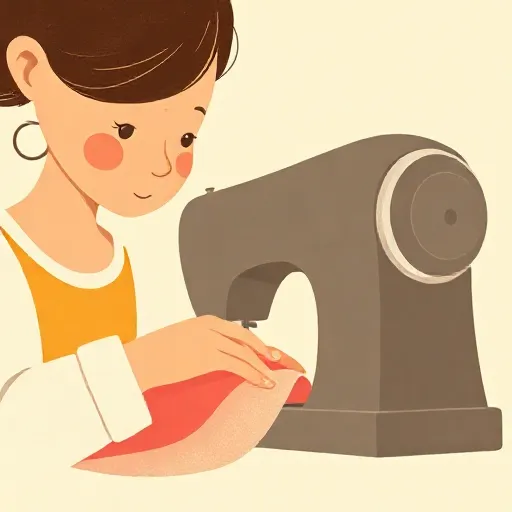
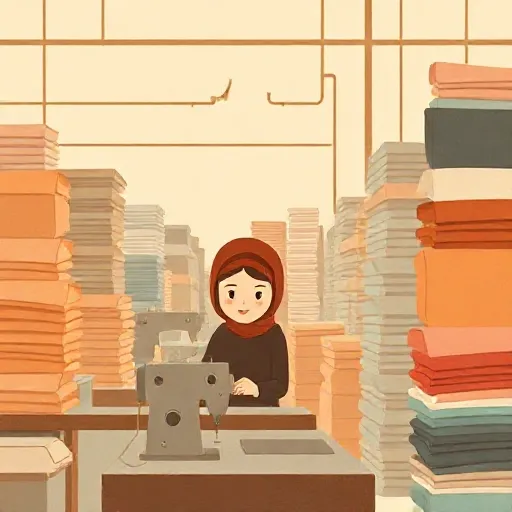
Lina is 19. She lives in a country you might not find on a map right away. Every day, she sits at a sewing machine for 12 hours, stitching shirts that end up in stores thousands of miles away. For this work, she earns just a few dollars a day. Her story is part of a much bigger one—the story of globalization.
Globalization is the way the world’s economies and cultures have become linked. Since the late 20th century, countries have lowered trade barriers, and goods now zip across borders like messages on a phone. Supporters say this has lifted millions out of poverty. Critics say it has made the rich richer while pushing the poor—especially women like Lina—deeper into hardship. Feminist political philosophers have been asking a tough question: who really pays the price when the whole world becomes one giant marketplace?
What Is Economic Globalization?
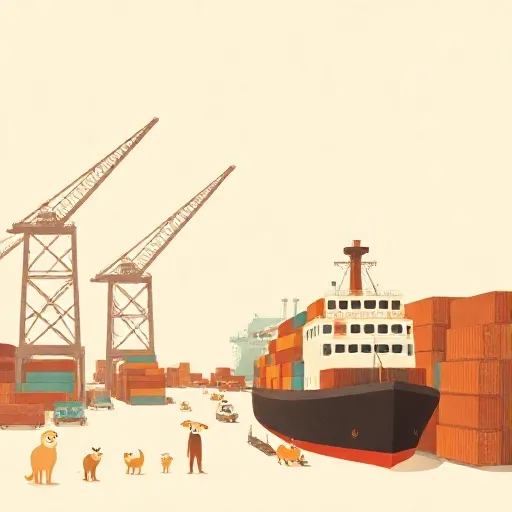
Economic globalization refers to the way national economies become integrated. It didn’t just happen by accident. It was shaped by a set of ideas called neoliberalism. Neoliberalism says that free markets and private businesses are the best way to create wealth, growth, and justice. If the government steps back and lets markets do their thing, the argument goes, everyone eventually benefits.
This thinking led to specific policies. Trade liberalization meant countries agreed to drop taxes on imports and other trade barriers, making it easy for companies to sell goods everywhere. Deregulation removed rules that protected workers, consumers, and the environment—rules that many businesses saw as obstacles. Privatization sold off state-owned services like railways, electricity, healthcare, and even water to private investors. And to shrink government further, many countries cut back social welfare programs—the safety nets that helped people with housing, health, and education.
Poorer nations often had no choice. International institutions like the World Bank and the International Monetary Fund required them to adopt these policies in exchange for loans. These Structural Adjustment Policies forced governments to cut public spending and open their markets. Meanwhile, while goods and money could cross borders more easily, immigration rules got tighter. People were not so free to move.
Proponents say these changes boosted growth and created jobs in developing countries. Critics argue they have produced the widest gap between the very rich and the very poor in history. Feminist philosophers add a crucial layer: the heaviest burden falls on women.
The Global Assembly Line and Its Real Costs
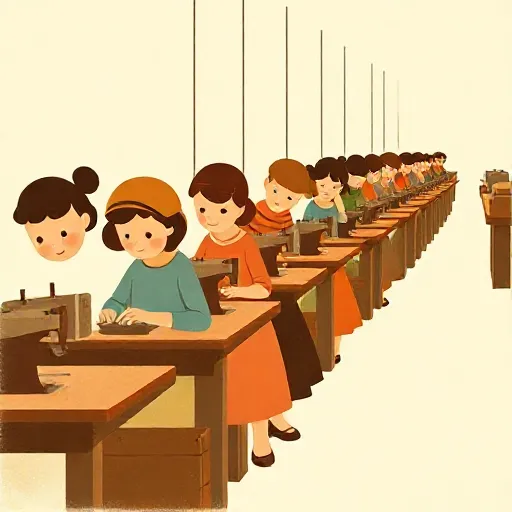
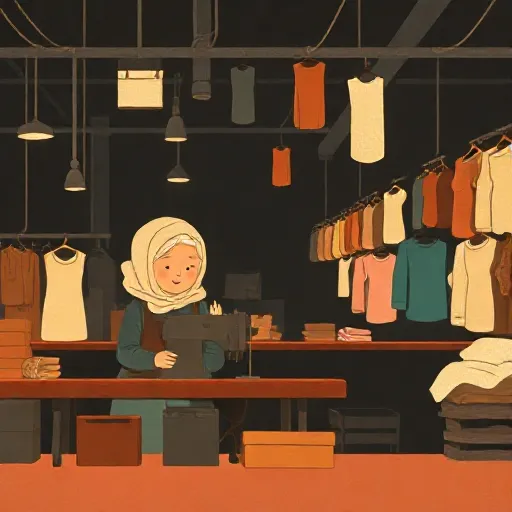
When factories in North America and Europe closed, many manufacturing jobs moved to special low-tax zones in the Global South. This created what some call the global assembly line. Here, foreign companies hire workers for much lower wages. And who fills these jobs? Mostly young women.
Employers often see women, especially Asian women, as “tractable, hard-working, dexterous,” as the philosopher Alison Jaggar observed. Governments sometimes promote this image to attract foreign investors. But the work is tough: long hours, dangerous conditions, low pay, and widespread sexual harassment. Women may gain a little financial independence, but they are also, in Jaggar’s words, “super-exploited by foreign corporations with the collusion of their own governments.”
The story gets worse. Free trade allowed wealthy countries to dump subsidized farm products in poor markets. Small-scale farmers, many of them women, lost their land and ended up in those very factories for even lower wages. Structural Adjustment Programs cut public health services, education, and childcare—support that women relied on most. In times of hardship, women are expected to make ends meet with fewer resources, doing more unpaid care work while also scrambling for outside income.
This pressure pushes many women into global care chains. The philosopher Arlie Hochschild described how a wealthy family in the North hires a migrant nanny from the South. That nanny leaves her own children at home, cared for by a poorer relative or neighbor. The care workers in the South then must find even cheaper care for their own families. The result is a care drain: love and labor flow from poor countries to rich ones, often breaking the very relationships that give people a sense of who they are. The philosopher Eva Feder Kittay argues that the harm here isn’t just about money—it’s a wound to a person’s identity and self-respect.
Political Globalization: Power from Above and Below
Globalization isn’t just about trade. It also changes how political power works. Before World War II, the world was mostly understood as independent states. Each government ruled its own territory, and no one was supposed to interfere. That Westphalian model (named after a 1648 peace treaty) didn’t hold countries responsible for famines or civil wars beyond their borders.
Today, political power is polycentric—it operates from many centers at once. From “above,” new supranational institutions like the United Nations, the World Trade Organization, and the European Union set rules that limit what states can do. They can shine a light on women’s rights abuses and create global frameworks. Yet many feminist critics note that these institutions still favor Western and corporate interests. They have had limited success actually protecting the most vulnerable.
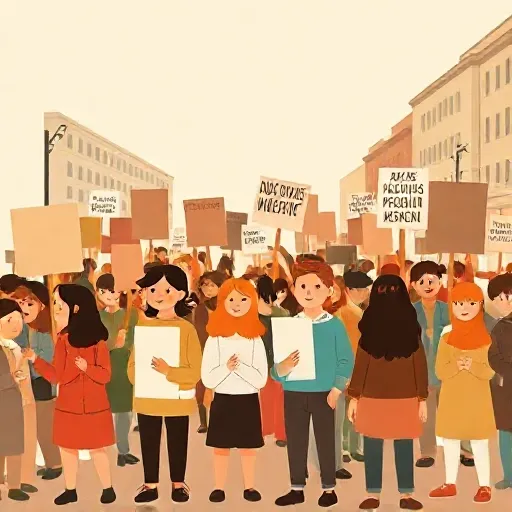
Then there is political globalization “from below.” New communication technologies and transnational networks let people organize across borders. Feminists argue that this global civil society can hold leaders accountable. Campaigns like “women’s rights are human rights” have helped redefine violence against women as a global concern, not a private matter. Grassroots solidarity can challenge the forces that keep women in poverty.
Feminist Thinkers Ask: Whose Story Gets Told?
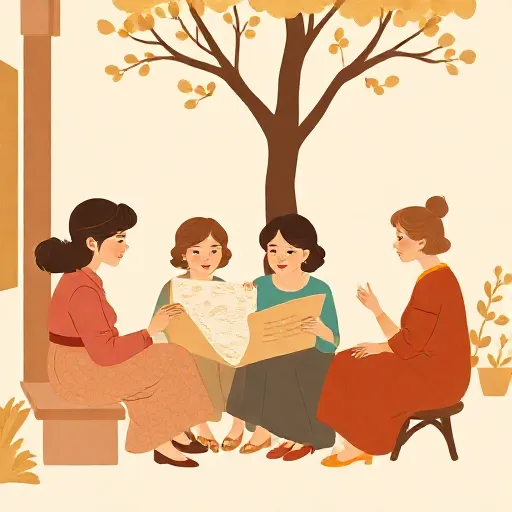
Feminist philosophers don’t just identify problems. They also try to build better ways of thinking. One key demand is to stop looking at the world only through Western eyes. The philosopher Chandra Talpade Mohanty warned that too often, Western feminists imagine “Third World women” as passive, uneducated victims. That stereotype erases their real agency and ignores how colonialism and economic policies created their conditions.
Postcolonial and decolonial feminists stress that you cannot understand the suffering of women in India or Nigeria without understanding the long history of colonialism. For example, Uma Narayan showed that the practice of sati (widow immolation) in India gained its symbolic power during British rule, not in isolation. Ignoring that history leads to simplistic, arrogant judgments.
Another powerful approach comes from the ethics of care. This view starts with the fact that humans are deeply interdependent. Everyone depends on care—as a child, when sick, when old. Neoliberalism treats people as independent, self-interested choosers. Care ethicists like Virginia Held and Sarah Clark Miller argue that a just world must value care, not just economic efficiency. They demand policies that support caregivers, not cut the supports they need.
Finally, transnational feminism seeks solidarity across borders based on shared political commitments, not a common identity. It recognizes that globalization affects different women differently; some may benefit while others suffer. Yet by focusing on concrete injustices—like sweatshop labor or racialized violence—people can join together to resist. This is not about a global sisterhood of sameness. It’s about a determined, careful alliance.
Why It Still Matters: The Invisible Threads
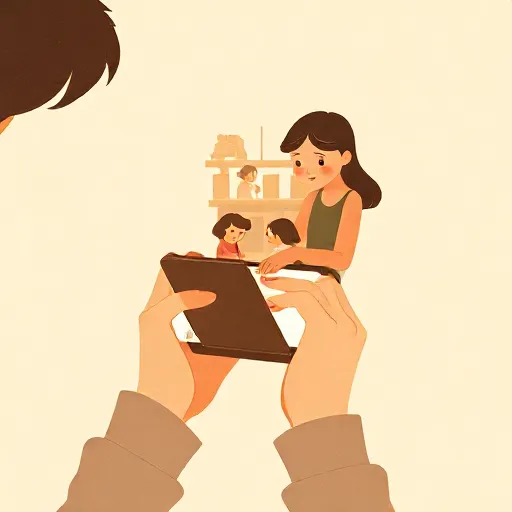
So what does any of this have to do with you? Every shirt you wear, every gadget you use, every cup of coffee you drink is connected to people like Lina. The choices we make—what we buy, what we throw away, what we demand from companies and governments—are links in a global chain.
Feminist philosophers don’t say you should feel guilty all the time. They say you should think. They ask you to notice the invisible care work that makes everything else possible and to ask who gets hurt when the pursuit of profit comes first. They argue that we all share responsibility for the structures we participate in, even if we didn’t design them. The philosopher Iris Marion Young called this the social connection model of responsibility: if your actions help keep an unjust system going, you have an obligation to work with others to change it.
Globalization isn’t going away. But it can be reshaped. Fairer tax rules, stronger labor protections, recognition of care as a human right, and genuine listening to women in the Global South can make a difference. The feminist wager is that a more caring, more just world is possible—if enough people start asking the hard questions.
Think about it
- When you buy a cheap T-shirt, does it matter to you how the person who made it was treated? Why or why not?
- If a care worker from a poor country leaves her own children to take care of yours, who is responsible for her children’s well-being?
- Can boys and men be part of the fight against global injustice that feminists describe? What might they need to do differently?