Who Holds the Remote Control? Power, Domination, and You
The Football Game and the Remote Control
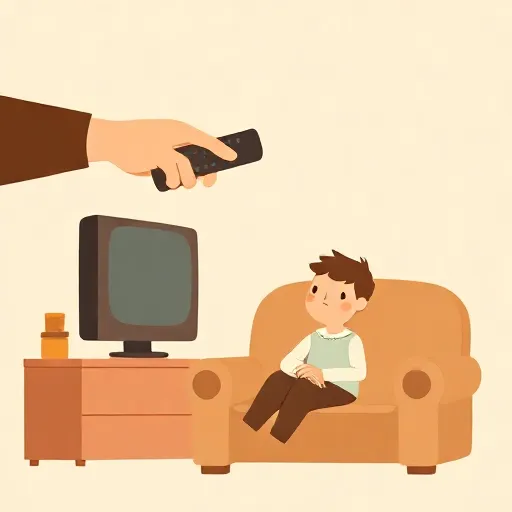
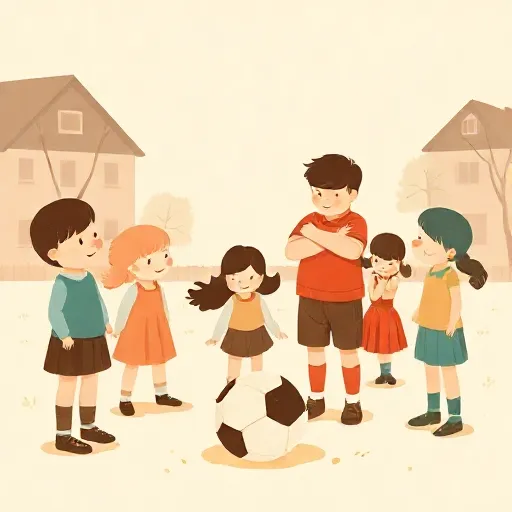
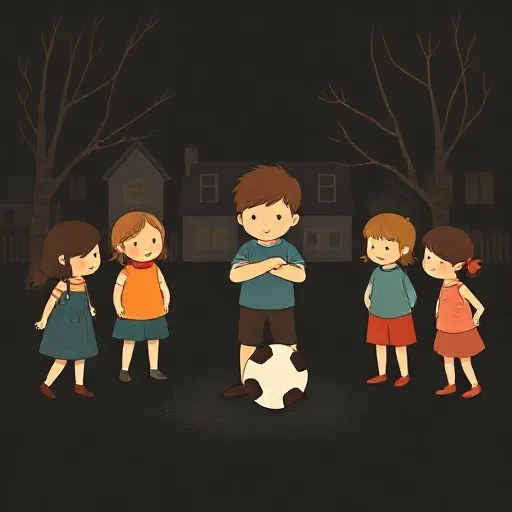
Imagine you’re at lunch, and a boy grabs the football and says, “No girls allowed.” You feel a knot in your stomach — you want to play, but he’s stopping you. What just happened? That feeling is called power — the ability to make someone do something they wouldn’t otherwise do, or to stop them.
A political scientist named Robert Dahl (1915–2014) put it simply: A has power over B if A can get B to do something B wouldn’t normally do. That’s power-over, like having the TV remote and deciding what everyone watches. But is that the whole story? For decades, feminists have wrestled with a deeper question: Is power just a thing some people have over others, or is it something more complicated — something that shapes all of us, often without us even noticing?
Is Power Something You Can Split Like a Pizza?
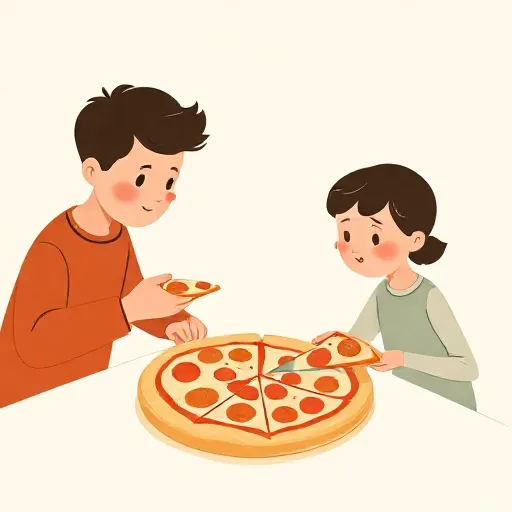
Some early feminists thought of power as a resource — a kind of “stuff” you could own more or less of, like money or pizza slices. The liberal thinker John Stuart Mill (1806–1873) argued that women and men should have equal legal power. Later, philosopher Susan Moller Okin (1946–2004) listed power among critical social goods in family life, alongside money, self-esteem, and security. In her view, married women often wound up with a smaller share, and the solution was to redistribute that resource fairly — to give each person an equal piece.
But philosopher Iris Marion Young (1949–2006) pushed back hard. She said power is not like a thing you can hand out. It’s a relation — something that happens between people and within whole systems. Imagine trying to cut a pizza and hand equal slices to everyone, but the kitchen itself is built so that some people can never reach the table at all. That’s closer to how power really works.
Why Power Isn’t a Thing You Can Count
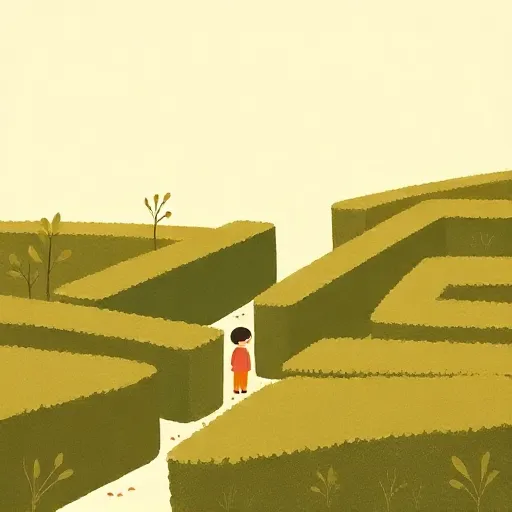
Young pointed out that if you only think of power as something individuals “have,” you miss the invisible architecture of domination — the unfair, built-in patterns that keep some groups down and lift others up, often without anyone giving a direct command. In modern life, she argued, power is widely spread around, yet the rules of society still keep certain people from thriving. A boss might never yell at an employee, but if company policies make it impossible for a working mother to keep her job, that’s structural domination.
Radical feminists took this even further. Legal scholar Catharine MacKinnon (born 1946) claimed that gender itself is a power divide: in many societies, being a woman is defined by powerlessness, and being a man is defined by control. Philosopher Marilyn Frye (born 1941) compared male domination to a master–slave relationship, where the powerful have unconditional access to the lives of the less powerful, while the powerless are expected to be always accessible. From this angle, the football-field rule isn’t just one bossy kid — it’s part of a long story about who gets to move freely and who has to ask permission.
When Power Becomes a Voice Inside Your Head
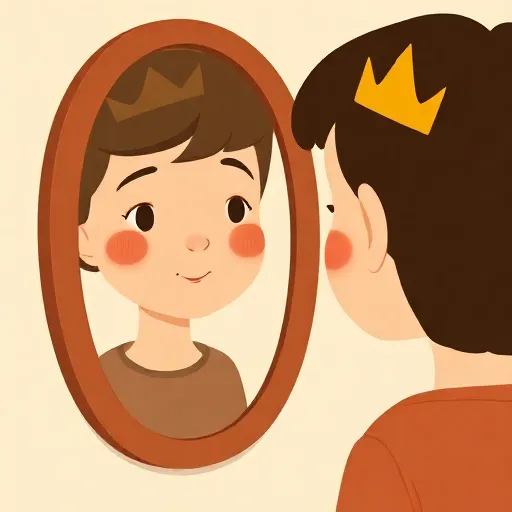
If power can be built into rules, can it also live inside your own thoughts? The French philosopher Michel Foucault (1926–1984) argued that modern power isn’t just a king saying “no.” It works through subjection — shaping you into a certain kind of person while also limiting you. It’s everywhere, like a current flowing through everyday life: schools, families, conversations, even how you feel about your own body.
Think about the pressure to look a certain way. No one points a gun at you, but you might still check your appearance dozens of times a day. Philosopher Sandra Bartky (1935–2016) showed that such self-monitoring is a form of power — you become the guard of your own cage. Philosopher Judith Butler (born 1956) built on this, arguing that the very idea of “boy” or “girl” is produced by deep social scripts. Those scripts can be disrupted: a girl who refuses to stay off the field isn’t just fighting one bully — she’s poking a hole in the whole script.
The Intersection Trap: Why One Rule Can’t Catch Everything
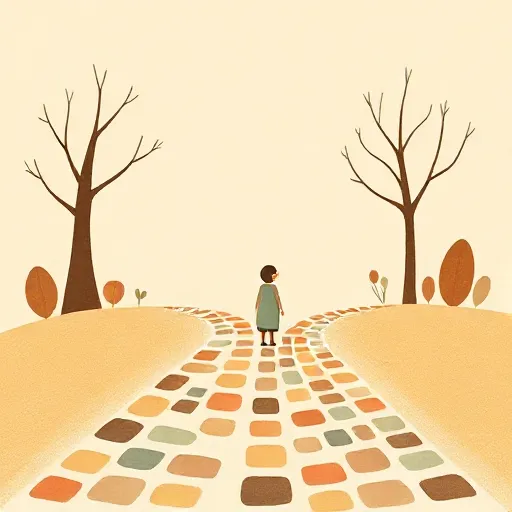
Power doesn’t always hit everyone the same way. Legal scholar Kimberlé Crenshaw (born 1959) introduced the idea of intersectionality to explain how different forms of domination can intersect, like roads meeting at a corner. Imagine a company that refuses to hire Black women. If a law only protects against race discrimination, the company might say, “We hire Black men, so we’re not racist.” If it only looks at sex discrimination, they might say, “We hire white women, so we’re not sexist.” The Black woman applicant falls through the cracks — she’s blocked by both, in a way that separate rules can’t see.
Crenshaw’s insight was that you can’t understand power by looking at gender alone or race alone. Many feminists now argue that any serious talk about unfair power must trace these intersections — otherwise, we’re solving only part of the puzzle.
Building Power Together: The Feminist Answer
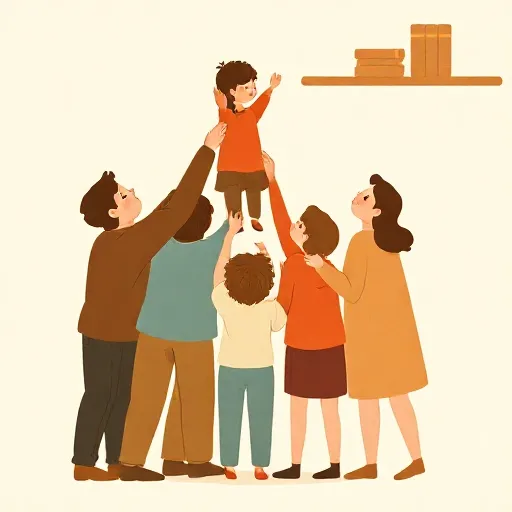
So, is all power the kind that controls and cages? Many feminists have said no. They’ve argued for a different concept: power-to — the ability to act, create, and grow, especially when people act in concert. Philosopher Hannah Arendt (1906–1975) defined power as “the human ability not just to act but to act in concert.” You feel it when a group of friends decides to start a project that none of you could do alone.
Feminist thinker Nancy Hartsock (1943–2015) called this the “feminist theory of power”: not domination, but energy and competence, rising from shared experience. This is the kind of power that can rewrite the rules of the playground. When the girl who was told “no” gathers other kids to start a game where everyone can play, she isn’t grabbing control — she’s generating empowerment, the capacity to imagine and build a fairer world.
Why This Matters for Your Own Life
Power can feel like a huge, invisible maze. But once you learn to ask, “Who benefits from this rule? Whose voice isn’t being heard? Is this power-over or power-with?” things start to look different. The everyday moments — who gets called on in class, who feels safe speaking, who gets to define what’s “normal” — aren’t just little things; they’re where power lives. And noticing them is the first step toward changing them, not alone, but together.
Think about it
- If a teacher always calls on boys more than girls during a discussion, is that a kind of power? Would changing that rule be enough, or is something deeper going on?
- Can you have power without anyone else knowing it? Give an example from your own school or family.
- Some people say power is about controlling others, and some say it’s about the ability to do things. Which kind of power do you think is more important for making unfair rules fairer — and why?