Why Do I Have to Learn All This? The Fight Over School's Purpose
Why Are You Learning All This?
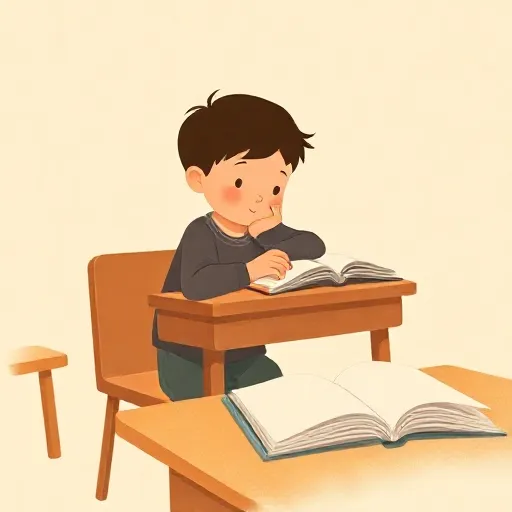
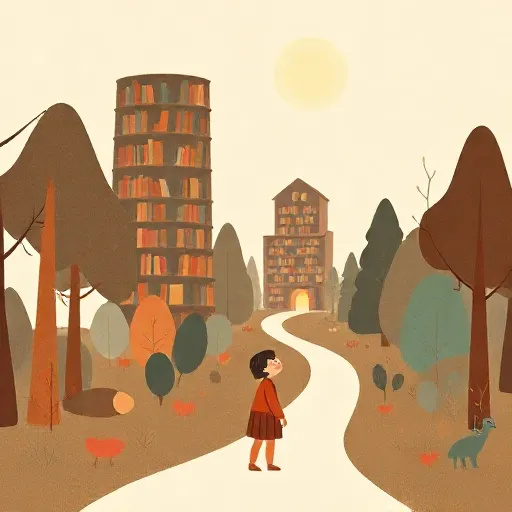
You are sitting in class, looking at algebra problems, a history of ancient civilisations, and a poem about a nightingale. A thought sneaks into your head: Why do I have to learn all this? Maybe you think school is just about passing tests and getting a job someday. But philosophers have been asking the same question for centuries — and their answers are much bigger than that. They ask what education truly is, and what its aims should be. Is it about growing your mind? Preparing for a career? Learning to live a good life? Becoming a responsible citizen? The fight over those answers shapes everything you do at school.
Your Mind as a Garden: The 1960s Answer
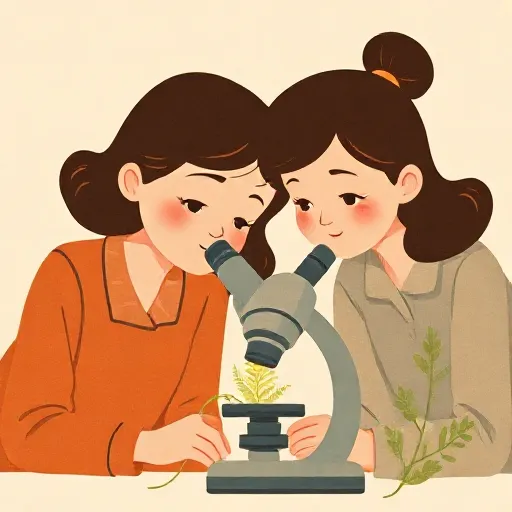
In the 1960s and 70s, two British philosophers — Richard S. Peters (1919–2011) and Paul Hirst (1928–2022) — became famous for defining education in a way that had nothing to do with jobs. Peters argued that education is not just training for a specific task; it is about initiation into worthwhile human practices. When you learn science, you are not just memorizing facts; you are learning to think like a scientist — to ask careful questions, look for evidence, and appreciate a powerful way of understanding the world. The same goes for history, mathematics, art, and literature. Each subject, Peters thought, has its own standards of what makes a good argument, a beautiful painting, or a reliable experiment. Real education means you learn to judge things by those standards yourself, not just repeat what the teacher says.
Hirst took a similar view: he described education as initiation into forms of knowledge, each offering a distinct lens on reality. Later he broadened it to initiation into human practices — the complex activities that people have built up together, like scientific inquiry, musical performance, or democratic debate. For both thinkers, education has a purpose built into it: helping your mind grow the way a garden thrives when it is planted with seeds of all kinds. The question that remained was: is this enough to justify all those years of schooling?
But What About Getting a Job? The Instrumental Challenge
Of course, another voice quickly enters the conversation: school is supposed to prepare you for work. Economists and politicians often say that education must equip young people with the skills to earn a living and help a country grow. Governments push for high scores in STEM (science, technology, engineering, and maths) because they think it will make the economy stronger. This is an instrumental aim: education is not valuable in itself, but a tool for something else — a decent job, a stable income, economic competitiveness.
Philosophers do not deny that such aims matter. They simply point out that only focusing on them can squeeze out other things that are just as important for a human life. Even Peters admitted that education might need to serve many purposes at once. So the real puzzle is not whether school should help you get a job, but what else it should aim for — and how to fit those aims together without losing your soul in the process.
Learning for Your Own Life: Flourishing and Autonomy
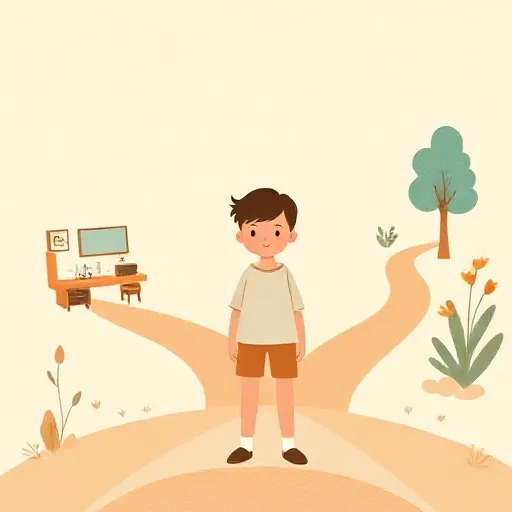
A powerful answer from recent philosophy is that education should be for flourishing — for helping you live a life that is genuinely good for you. The philosopher Harry Brighouse (b. 1961) and his colleagues have argued that schools should build six capacities everyone needs: the ability to be economically productive, personal autonomy (making your own well-thought-out decisions about how to live), democratic competence, the ability to form healthy relationships, treating others as equals, and finding personal fulfilment.
Autonomy is especially central. The idea is that you should not just accept whatever life your family or culture hands you; you should be able to step back, ask whether it is really right for you, and choose accordingly. Martha Nussbaum (b. 1947) connects this to a Socratic vision: education should teach everyone — rich or poor — to think for themselves, so they can govern their own lives and participate in running society together. In this picture, school is not about stuffing you with facts; it is about giving you the tools to build a life you can value from the inside.
Learning for the World: Citizens and Cooperation
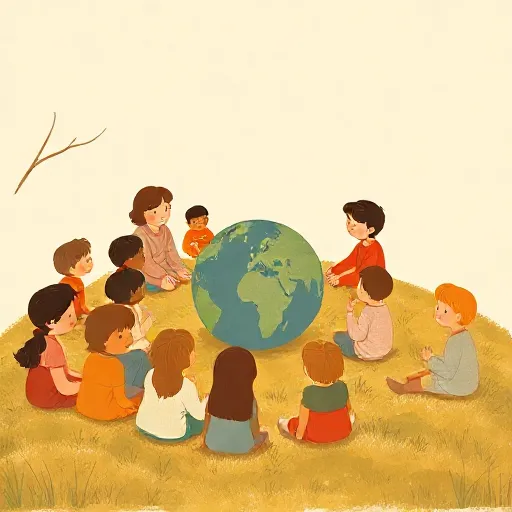
There is another side, too: education is for us, not just for you. The American philosopher John Dewey (1859–1952) saw democracy as a way of life where people solve problems together through shared inquiry, listening to one another’s reasons. Schools, he thought, should be miniature democratic communities where you practise exactly that. Later, Amy Gutmann (b. 1949) argued that a democratic society has a right to educate children for citizenship — to make them capable and willing to reason together about justice and the common good.
John Rawls (1921–2002) added that in a world of deep disagreements, citizens must learn to use public reason: they must justify their political views with reasons that others of different beliefs could accept. That means understanding enough about science, history, and ethics to discuss complex issues fairly. In a century facing climate change and global pandemics, philosophers like Philip Kitcher insist that education must also prepare you for global cooperation. Your own flourishing is real, but it cannot be separated from the lives of others.
The Pull Between You and Society
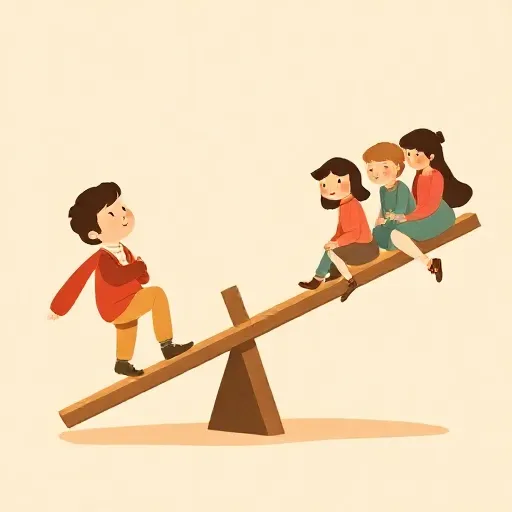
Here a deep tension appears. The eighteenth-century thinker Jean-Jacques Rousseau (1712–1778) famously asked how education could be equally for the individual and for society. If schools focus too much on making you a productive worker, your own inner growth might be stunted. If they focus only on your own interests, you might not learn the skills of cooperation that a just society requires.
No easy formula resolves this. Some aims pull in opposite directions, and compromises often feel imperfect. Many philosophers today think we must always keep both sides in view: a good education should equip you to live a meaningful life and to participate as an equal partner in a shared world. The challenge is working out what that really means in practice — which assignments to design, which subjects to require, which values to model every day.
Why This Fight Still Matters
You might think this debate is only for professors in dusty rooms. But it is hiding right behind your timetable. Every decision about what subjects you study, how you are tested, whether you do group projects or solo drills, and even how your school is run — all of it depends on what someone believes education is for. If they think it is only for passing exams and landing jobs, your day will look one way. If they think it is also for finding meaning, thinking critically, and learning to live with others, your day might look very different.
You are not just the object of these arguments. As you grow, you can join them yourself. Pay attention to what makes you come alive in school, what feels pointless, and what you think is missing. The question “Why do I have to learn this?” is not a sign that you are a bad student. It is the start of thinking like a philosopher.
Think about it
- If you were put in charge of designing a school from scratch, would you prioritise subjects that help you think deeply about the world, or subjects that directly prepare you for a job? What would be gained and lost with each choice?
- Should every student learn mostly the same things, or should education be customised to each person’s unique interests and talents? What might be lost if everyone learned exactly the same curriculum?
- Imagine a country where schools only teach skills that boost the economy. What might be missing from people’s lives after twenty years of that system?