Are You More Than Your To-Do List? Gabriel Marcel’s Answer
Meet the Token-Dispenser
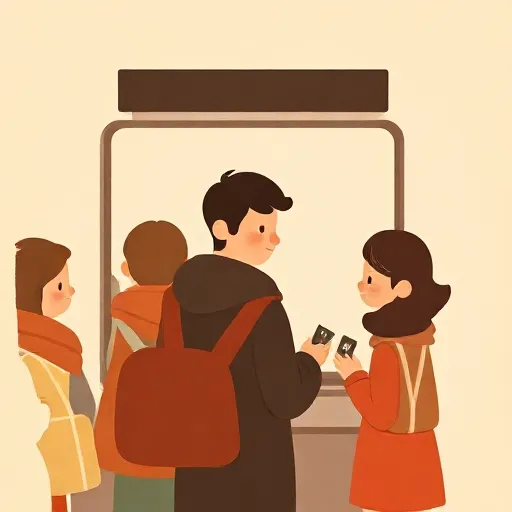
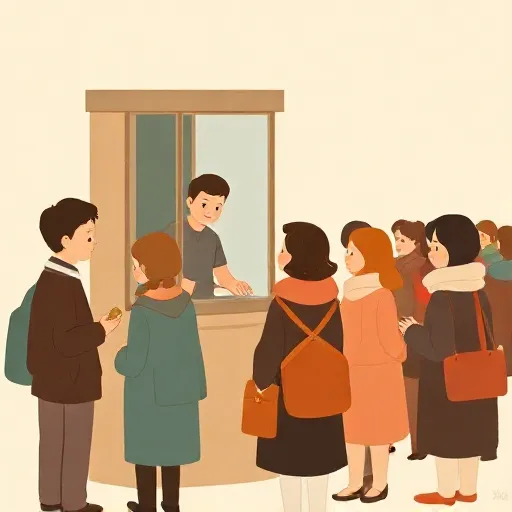
Picture a subway station during rush hour. A person sits in a tiny glass booth, taking bills and sliding tokens through a slot. Hour after hour, the same motions. The commuters barely glance — they just want the shortest line. If an automatic machine could do the job, nobody would notice the difference. Over time, that worker might start to see herself the same way: not as a person, but as a bundle of tasks — token-dispenser at work, cook at home, bill-payer, voter. Her life becomes a timetable, a list of functions.
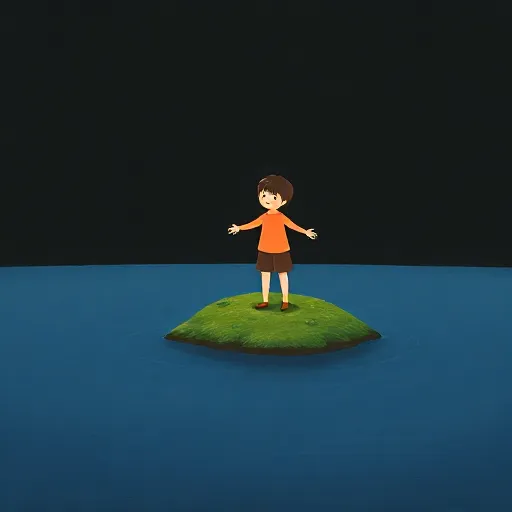
The French thinker Gabriel Marcel (1889–1973) used this scene to point out something about the modern world. He called it a broken world — not because things used to be perfect, but because we have lost a sense of wonder. Many people, he said, have forgotten how to ask the deepest questions about who they are and what life means. Instead, we define ourselves by what we do. The functional person is someone who identifies completely with her roles and tasks, and who has stopped feeling any unease about it. Marcel called the inner hunger for meaning, the need to connect with something beyond our daily functions, the ontological exigence — a built‑in urge for being, for transcendence. When that urge gets smothered, we don’t even realise the world is broken.
Marcel was not a typical university professor. He wrote plays, kept journals, and hosted famous Friday-evening discussions in Paris where philosophers such as Jean‑Paul Sartre and Simone de Beauvoir would gather. He believed philosophy should start from real life, not from abstract theories. He hated the kind of thinking that treats the self like a ghost locked inside a body, an idea he blamed on the philosopher René Descartes (1596–1650). Instead, Marcel insisted we are beings‑in‑situations first, and thinkers second. That insight leads to a very practical, and very personal, set of questions.
Being and Having: The Mystery of “My Body”

Think about the difference between having a bicycle and being tired. You can sell the bicycle, but you cannot put your tiredness up for auction. Usually, the line is clear. But Marcel noticed a case that sits right on the border: my body. If you look at your hand with a doctor’s eye, you can study it as an object — an arrangement of bones and muscles, something you have. Yet the moment you recognise it as your hand, the thing that feels cold or reaches for a friend, it stops being just a possession. It is you. A person who loses a leg is not less of a person, so in that sense the body is something we have; but the body you live through, the one that hurts and hopes, is not a tool you can put down.
For Marcel, this is not a quirk of anatomy — it reveals two completely different ways of meeting reality. Having means treating something as outside you, able to be controlled, traded, or studied. Being means participating in something you cannot stand apart from. When you love a friend, you are not “having” a friendship like a video‑game item; you are in it. The broken world, choked by technology and efficiency, constantly pushes us to turn everything into a having — even other people. That is where the real trouble begins.
Problems, Mysteries, and Two Ways of Thinking
A flat tyre is a problem. It sits there, clearly outside you, and anyone with a jack and a spare wheel can fix it. The question “What caused my tyre to go flat?” does not depend on who is asking it — swap in a different person, and the technique stays the same. Marcel calls this approach primary reflection: the cool, technical thinking that breaks things down into pieces and looks for a step‑by‑step solution.
But not every question works that way. “Who am I?” “What is freedom?” “Why is there evil in the world?” In these cases, you are not standing outside the question like a mechanic. If you try to treat evil as a problem to be solved — something that just needs a clever argument — you leave out the most important part: your own experience of suffering. Marcel calls such questions mysteries. A mystery is not a gap in our knowledge; it is something we are inside, something where the distinction between “in me” and “before me” dissolves. When you ask about love, you cannot pretend your heart is not in the game.
Marcel also believed that philosophy needs a second kind of thinking to handle mysteries: secondary reflection. This is not about discarding logic; it is about recovering the unity that primary reflection breaks apart. Secondary reflection looks at the way we normally think and asks, “Is that the whole story?” It brings your full self — your feelings, your relationships, your lived body — back into the picture. Without it, we fall under the spell of what Marcel called the spirit of abstraction — the habit of treating a single category, like “function” or “data,” as if it captures everything real. Primary reflection is not the enemy; the enemy is forgetting that there is more.
Available or Unavailable? How You Meet Other People

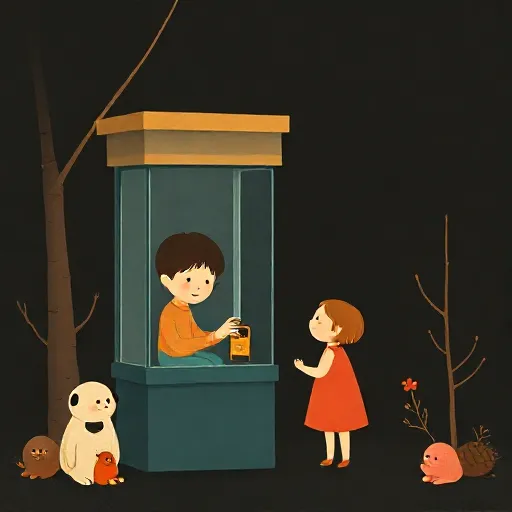
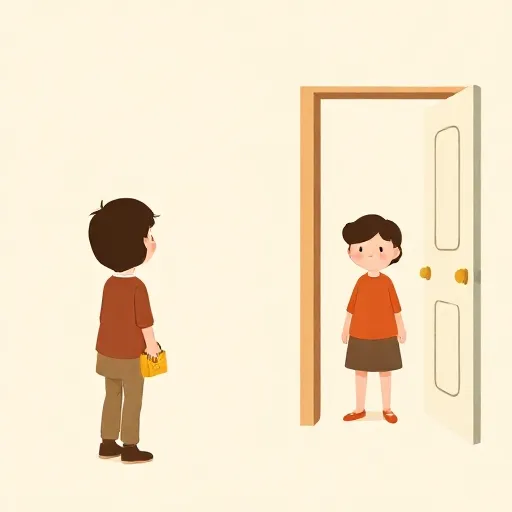
Imagine you are upset about something, and you go to a friend. One kind of friend will listen, really listen, putting aside their phone and their to‑do list. Marcel would say that friend is disponible — available. The other kind of friend might be physically there, but you sense they are mentally checking boxes: be supportive for five minutes, then move on. That friend is indisponible — unavailable. The difference is not about time; it is about whether the person treats you as a thou (a unique, free person) or as a he/she/it (a case, an example, a problem to manage).
When you meet someone as a “he” or “she,” you reduce them to a set of labels — their job, their age, their role in your day. You can fill out a form without ever meeting the person. But when you meet someone as a “thou,” you let them be present to you in their wholeness. And here Marcel makes a striking point: the way you treat others shapes who you become. If you treat people as interchangeable functions, you yourself become interchangeable — like a pen recording facts. If you offer your genuine presence, your own personhood deepens. Pride, Marcel says, is the great enemy of disponibilité, because the proud person believes she is self‑sufficient and cuts herself off from the kind of communion that makes us fully alive.
Creative Fidelity: Keeping Promises When It Feels Hard

Fidelity is more than just staying loyal. It is a form of belief in someone — an extension of credit, Marcel says, where you put yourself at the other person’s disposal. But here is the difficulty: feelings change. How can you promise to be faithful tomorrow if you don’t know what you will feel tomorrow? If your fidelity is based only on your present mood or on the other person’s attractive qualities, it is fragile. The other person might change; you might be disappointed.
Marcel’s answer is that genuine fidelity is creative. It does not just passively wait to see if the bond holds; it actively works to keep the bond alive. When challenges come, the faithful person does not simply blame the other; she asks whether she has failed to remain open, to stay present. But even this effort needs a source of strength beyond itself. If you try to remain absolutely faithful using only your own willpower, you will eventually run dry. That is where hope enters the picture.
Hope: The Quiet Engine
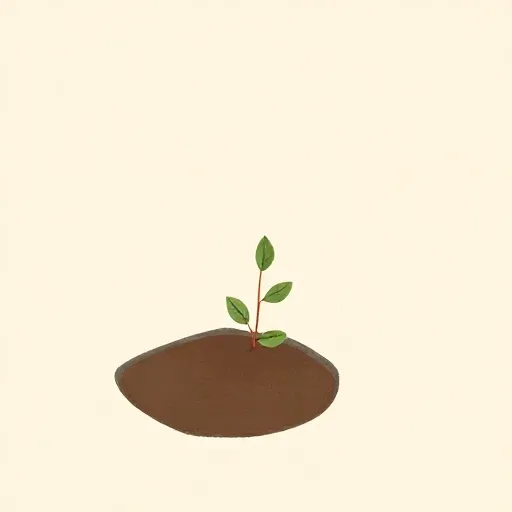
In everyday language, hope often sounds like optimism — “I hope it doesn’t rain tomorrow.” Optimism lives in the same neighbourhood as fear and desire: it pictures a specific outcome and worries whether that outcome will arrive. Marcel’s notion of hope is different. Real hope, he says, does not say “I hope that X will happen.” It simply says “I hope…”. It refuses to accept that the present situation is final, but it does not try to sketch the shape of the rescue. Because it fixes on no particular picture, it cannot be shattered by a single event.
For Marcel, hope is not passive. He calls it an “active patience,” like a sailor who trusts the sea while still working the sails. And hope is never solitary. It is always woven into a “we” — it breathes between people. The proud, unavailable person cannot hope in this deep sense, because hope requires the humility to admit that you depend on something beyond your own control. For Marcel, the ultimate ground of hope is a transcendent reality — an absolute Thou — that receives our trust without conditions. Whether or not you share his religious conclusion, his question still stands: what do you lean on when you make an unbending commitment to another person?
Why Marcel Still Matters

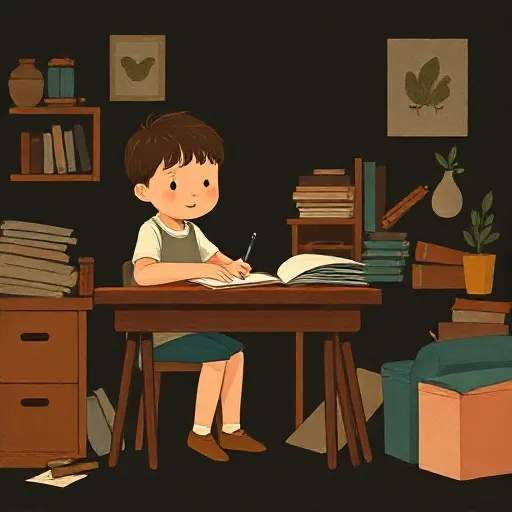
You live in a world far more technological than the one Marcel knew. Your phone translates almost every question into a problem with an app, a rating, or a tutorial. That is not bad — unless you begin to believe that the only things that count are the ones you can measure, schedule, or optimise. When your week becomes a grid of tasks, it is easy to slip into the functional‑person mode: student, athlete, sibling, content‑creator. All real roles, but none of them the whole you.
Marcel does not ask you to throw away your plans or your tech. He asks you to notice the moments that resist being turned into checkboxes. The feeling you get when a friend forgives you without a reason. The lump in your throat during a piece of music. The stubborn hope that survives when everything looks impossible. Those experiences are not problems to be solved; they are mysteries that you are part of. And they are invitations to be disponible — to keep yourself within reach of other people, even when it is risky, even when it means admitting you need them. In a world that constantly tries to make you function well, Marcel reminds you to be fully alive.
Think about it
- If you were the only person on Earth, would the question “Who am I?” still make sense? What would be missing?
- Think of a time you were treated as a problem to be fixed rather than as a person. What did that feel like, and did you have the language to name it?
- Is there a commitment in your life — to a friend, a team, a sibling — that you want to keep even when your feelings change? Where does the strength to keep it come from?