Should We Use Genetics to Improve Our Children?
A Fertility Clinic in 2040: What Would You Choose?
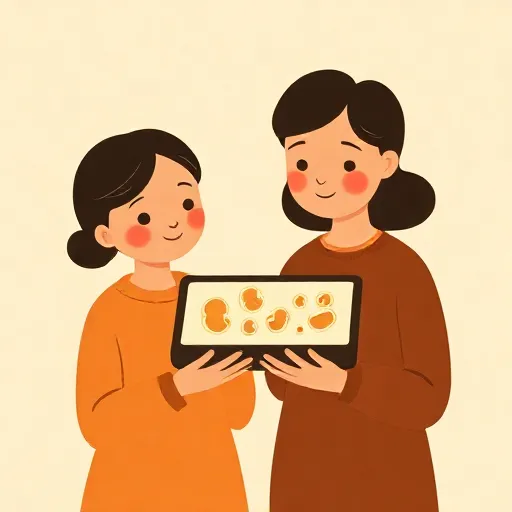
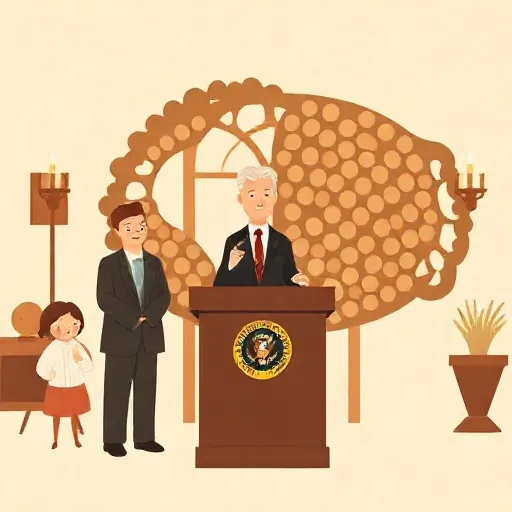
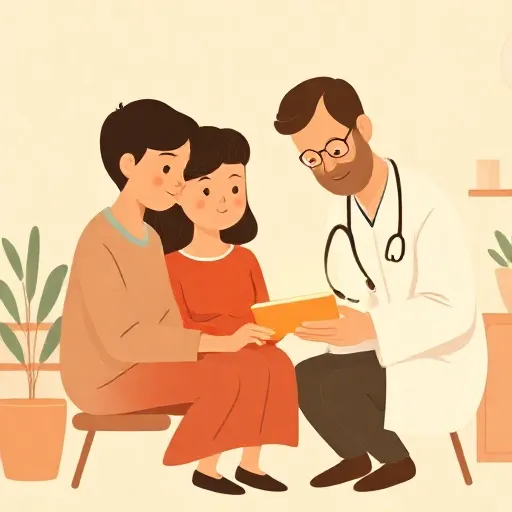
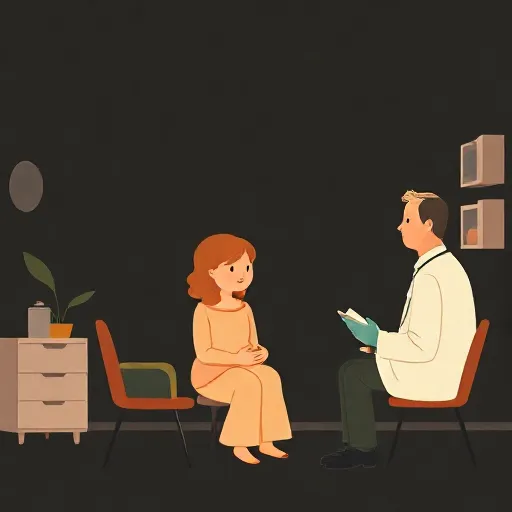
Maya and Leo sit in a softly lit room, hands linked. A doctor slides a tablet toward them. On the screen are five embryos, each with a short genetic report. Embryo A: very low risk for 14 diseases, predicted height around 5 foot 9, light brown eyes, and a musical-aptitude marker. Embryo B: average disease risk, but a high probability of exceptional memory. They have to choose which one to implant.
Scenes like this are not yet routine, but the technology behind them already exists. Preimplantation genetic testing allows parents to learn about an embryo’s genes before pregnancy begins. And that raises an old word with a dark past: eugenics — from the Greek for “good birth.” The core question is whether we should deliberately select or even alter the genes of future children. For every person who sees this as a tool to avoid terrible suffering, another sees a dangerous echo of history’s worst injustices.
The Dark History of “Better Babies”
The modern version of eugenics began with Francis Galton (1822–1911), a cousin of Charles Darwin. In 1883 Galton argued that human populations could be improved through scientific control of mating. His ideas spread quickly. Well-intentioned scientists and policy‑makers in the United States, Britain, and Scandinavia embraced two kinds of eugenics. Positive eugenics encouraged people with traits considered healthy, intelligent, or morally strong to have many children. Negative eugenics aimed to stop people with undesirable traits from reproducing at all.
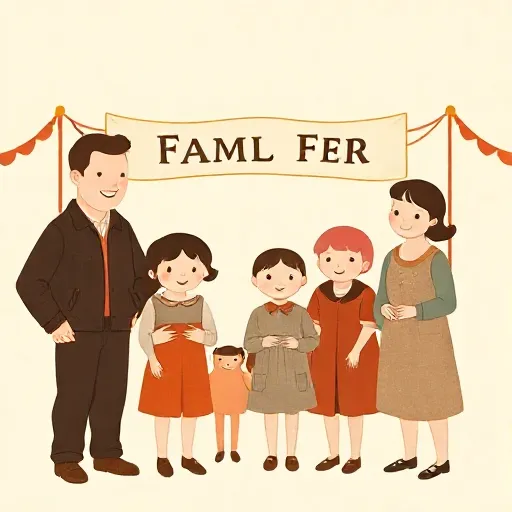
In the U.S., “Fitter Family Fairs” awarded prizes to families judged most physically and mentally fit, much like a livestock show. Meanwhile, forced sterilizations targeted women labelled “feeble-minded,” poor, or promiscuous. Eugenicists often assumed that poverty, drunkenness, and even prostitution were inherited like eye colour, ignoring the social conditions that caused them.
The worst nightmare came when Nazi Germany adopted eugenics. People deemed “lives unworthy of life” were sterilized, imprisoned, and eventually murdered in death camps. After World War II, the word “eugenics” became so toxic that societies changed their names. Yet involuntary sterilizations continued in the United States well into the 1970s, especially aimed at poor women and women of colour. The history is one of state force, racist and ableist prejudice, and enormous suffering.
New Tools, New Rules: The Case for Liberal Eugenics
Today, technologies like prenatal testing, preimplantation diagnosis, and genome editing (CRISPR) are used by individuals, not by the state. Many philosophers argue this changes everything. They defend what they call liberal eugenics — not a government programme, but a private choice.
Nicholas Agar, John Harris, and Julian Savulescu, all 21st‑century philosophers, point to four key differences from the past. First, the aim is individual family welfare, not national strength. Second, everything rests on reproductive freedom: you and your partner choose, nobody forces you. Third, value pluralism is respected; parents can follow their own ideas of a good life. Fourth, the science is far better than the crude, racist theories of the 1920s.
Liberal‑eugenics supporters often begin with disease. If a couple already uses in‑vitro fertilisation and has two embryos — one with a gene for Tay‑Sachs, a devastating illness that kills young children, and one without — most people agree they ought to implant the healthy embryo. In fact, some argue that parents have a moral obligation to avoid passing on serious diseases, just as they have a duty to treat a sick child with medicine.
But the argument does not stop at disease. What about traits like a strong memory, a cheerful temperament, or athleticism? Those can affect a child’s wellbeing even more than some mild illnesses. If we can safely select an embryo with a higher chance of a happy, flourishing life, why shouldn’t we? Agar requires that such choices not narrow the child’s future — a child designed for music should still be able to become an engineer. Green compares parents to gardeners: we shape our children through education and values, so why not through genes, as long as we act in their best interests?
Savulescu goes further. He proposes the principle of procreative beneficence: of the possible children you could have, you have a moral reason to choose the one with the best chance at the best life. This is not a law — he does not want the police checking your embryo selections — but a personal moral duty, much like the duty to feed your child healthy food.
The Critics Speak: “We Don’t Want Any More Like You”
The strongest pushback comes from disability activists. When prenatal testing finds Down syndrome, roughly 80 to 90 percent of pregnancies are terminated. Critics like Marsha Saxton and Susan Wendell argue that this sends a powerful, hurtful expressivist message: “It is better not to exist than to have a disability,” or “We do not want any more like you.” Even when no one says it out loud, the practice speaks.
This matters because many people with disabilities live rich, meaningful lives. The social model of disability reminds us that much of the difficulty disabled people face comes from prejudice, inaccessible buildings, and lack of support — not from their bodies alone. Philosopher Chris Kaposy, who is pro‑choice, wrote a whole book showing that raising a child with Down syndrome can be joyful, not tragic. The problem, he says, is that parents often get only scary medical statistics, not the full picture of a good life.
If liberal eugenics lets parents weed out embryos with certain disabilities, it risks reinforcing the idea that those lives are less valuable. Even when advocates reply that they value the person and just reject the disability, many disabled people feel the two cannot be so easily separated — a disability can be part of someone’s identity, not a flaw to be erased.
Inequality, Control, and the Future of Parenthood
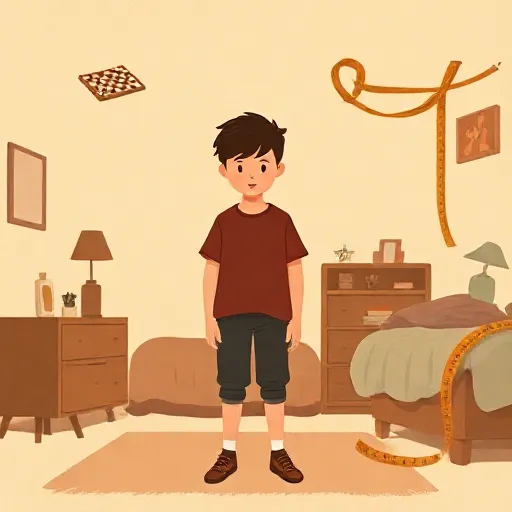
Other critics worry about fairness. Genetic technologies are expensive. If only wealthy families can afford to enhance their children’s memory or immunity, the gap between rich and poor could grow into a genetic divide. Even if costs drop, a market for “designer traits” might lead many parents to pick the same ones — tall, fair‑skinned, quick with numbers — recreating, through private choices, the kind of homogeneity old eugenicists dreamed of.
Philosopher Michael Sandel raises a different fear: a “drive to mastery.” When parents engineer a child’s genes, they treat the child as a product to be designed, not a gift to be welcomed. Sandel thinks this erodes the unconditional love that makes families special. The parent who chooses musical talent might later struggle to accept a child who prefers basketball to piano.
Jürgen Habermas, a German philosopher, argues that being genetically programmed by someone else can threaten a person’s sense of freedom. If your parents built you to be a certain way, can you fully own your own identity? These concerns about hubris and the meaning of parenthood are hard to measure, but they touch something deep about what it means to be human.
So, Should We Use These Technologies?
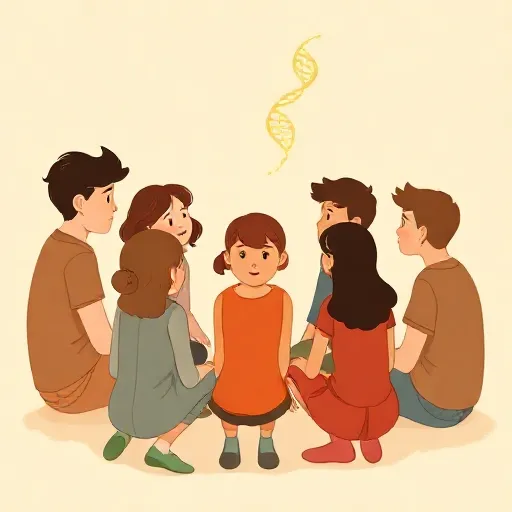
In 2018 a Chinese researcher, He Jiankui, used genome editing on human embryos, and at least three babies were born with altered genes. That shocked the world, but non‑invasive prenatal tests for hundreds of conditions are already spreading. The question is not whether these tools will exist — it is what we, as families and as societies, will do with them.
The old eugenics was a story of coercion, prejudice, and state power. Liberal eugenics promises freedom, health, and better lives. Yet even well‑meaning individual choices can add up to a world that pushes people with disabilities to the margins, widens inequality, and pressures parents to “keep up” with genetic fashion.
You may one day sit in a clinic, like Maya and Leo, and face a list of possibilities. You may also vote on laws that shape what is tested, what is edited, and who gets access. The argument is not just about science — it is about justice, human difference, and what we owe to the people we bring into the world.
Think about it
- If you could pick three traits for your future child before birth, what would you choose and why? Would you still want to if everyone else was picking the same ones?
- Suppose a new law bans prenatal testing for a certain disability because it might hurt the feelings of people living with that condition. Is that fair to parents who want to avoid the disability? How should we balance those two concerns?
- In the 1920s governments decided who could have children. Today ads and social media push parents to have “the perfect baby.” Which do you think is more dangerous, and why?