Would a Clone Be You? The Ethics of Copying People
A Sheep Named Dolly
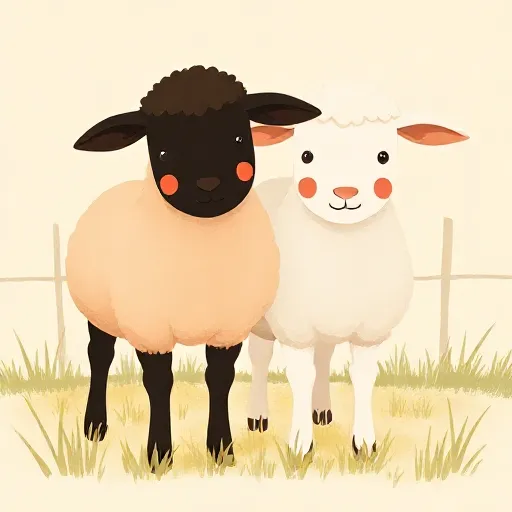
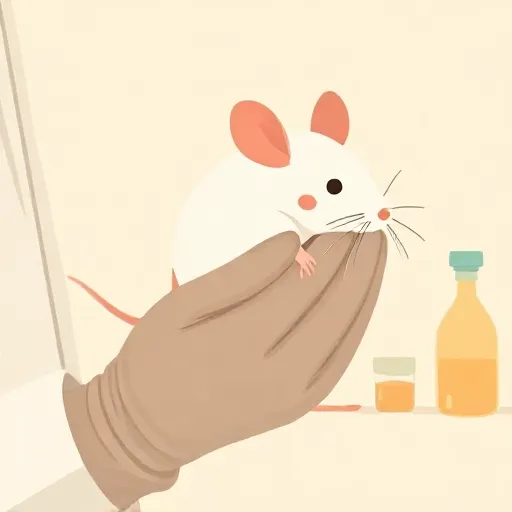
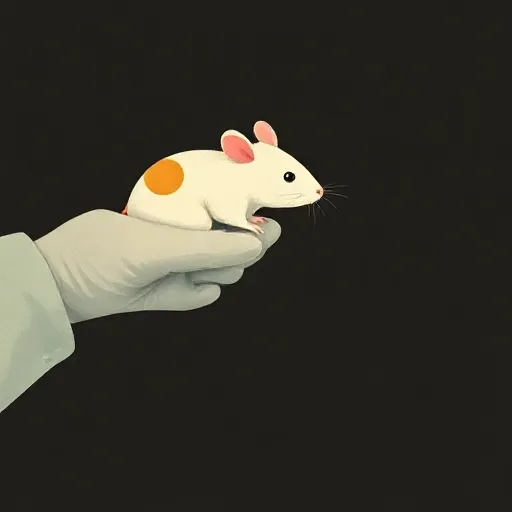
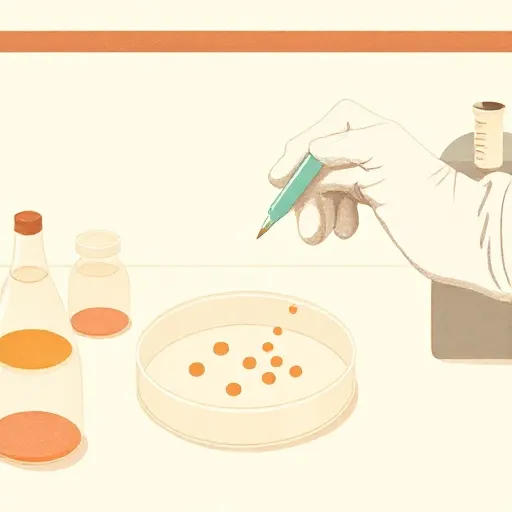
In 1996, on a quiet farm in Scotland, a lamb was born with a white face and a woolly coat. She looked like any other sheep, but she wasn’t. Her name was Dolly, and she was the first mammal ever created from a single cell taken from an adult animal. Scientists didn’t use a mother and a father. They used a technique called somatic cell nuclear transfer, or SCNT. They took the nucleus—the control center with most of the DNA—from a cell of a Finn Dorset ewe and placed it inside an empty egg cell from a Blackface ewe. Then they gave it a tiny electric shock to trick it into acting like a newly fertilized egg. The embryo grew in a surrogate sheep, and Dolly was born.
Dolly proved something scientists had thought was impossible. They believed that once a cell becomes a skin cell or a liver cell, it can never go back to being the kind of cell that can grow into a whole creature. Dolly showed that you can rewind a cell’s biological clock. Her birth also gave a real, woolly face to a word that had been buzzing around science fiction for decades: cloning, the creation of a near-exact genetic copy of a living thing.
Dolly wasn’t a perfect copy. Mitochondria, tiny energy-making parts inside the cell, have their own DNA, and Dolly’s came from the egg donor, not the sheep she copied. Still, her nuclear DNA was identical to the donor’s. That was enough to stir a worldwide storm. If we could clone a sheep, could we clone a person? And should we?
Medicine from a Copy: Therapeutic Cloning
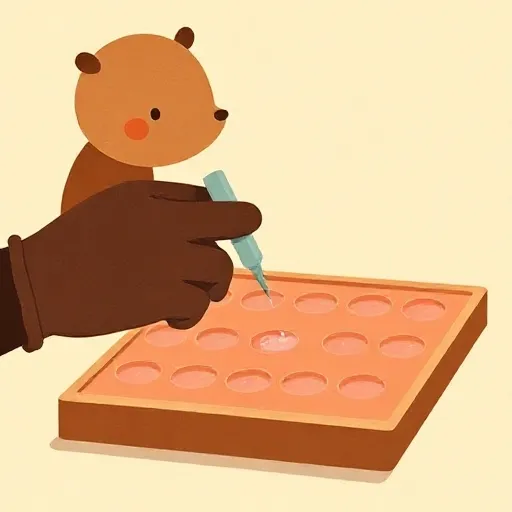
Cloning isn’t just about making babies. Many scientists are far more interested in using cloned embryos to heal sick people. This is called therapeutic cloning or cloning for research. The goal is not to produce a living animal but to harvest special cells that can grow into almost any tissue in the body.
These cells are embryonic stem cells. When a cloned embryo is a few days old—just a hollow ball of about 150 cells—it contains stem cells that are pluripotent: they can become heart muscle, nerve cells, insulin-making cells, and more. If a patient’s own skin cell were used to create the cloned embryo, the stem cells would be a genetic match. That means the patient’s body would probably not reject them as foreign, a huge problem in transplant surgery today.
Researchers dream of using these matched cells to repair spinal cord injuries, treat diabetes, or fix damaged hearts. But therapeutic cloning has not yet worked in humans on a large scale. Only a few labs have managed to create cloned human embryos at all, and none have reliably turned them into usable stem cells.
The bigger obstacle is ethical. Getting stem cells destroys the embryo. That leads straight to a fierce question: what is the moral status of a very early embryo? Some people believe an embryo is a person from the moment of conception, with the same right to life as any child. On that view, creating and then destroying an embryo for research is deeply wrong. Others see the early embryo as just a cluster of cells with no moral standing—so using it to save lives is a moral win.
Many hold a middle view: the embryo isn’t yet a person, but it isn’t just a blob either. It deserves special respect because it has the potential to become one of us. According to this view, using spare embryos left over from fertility treatments might be acceptable, but creating cloned embryos only to take their stem cells could cross a line. The worry is that the cloned embryo is treated as a mere tool, not as something with any value of its own.
The Slippery Slope: From Medicine to Babies?
Even people who support therapeutic cloning sometimes worry about what might come next. The fear is often expressed as a slippery slope argument: once scientists create cloned human embryos, what’s to stop someone from implanting one into a womb and letting it grow into a baby? The American bioethicist Leon Kass captured the anxiety by asking, “once the genies put the cloned embryos into the bottles, who can strictly control where they go?”
Not everyone finds this argument convincing. Countries like the United Kingdom and Belgium, for example, allow therapeutic cloning but make it illegal to transfer a cloned embryo to a uterus. With strong laws, they say, you don’t have to slide down the slope. You can build a fence.
But the slope argument raises a deeper question: even if reproductive cloning became safe and legal, would it be wrong? That’s where the debate gets really personal.
Would a Clone Be a Real Person?
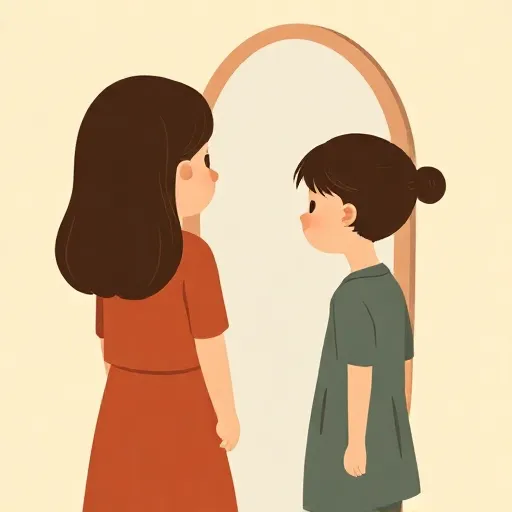
Reproductive cloning—making a baby that is the genetic twin of someone who already exists—strikes many people as creepy. But is it actually wrong? The arguments on both sides are serious.
Some see cloning as a gift of freedom. Infertile couples could have a child genetically related to them. Same-sex couples could have a baby without needing a sperm or egg donor. People might even avoid passing on terrible genetic diseases by copying the healthy genome of a relative. These possibilities, supporters say, fit right in with the right to reproductive freedom—the idea that people should be able to choose how and when to have children.
Others, however, worry that a cloned child would feel like she doesn’t have her own life. Her genome would already have been lived, maybe by a parent or a dead sibling. Would she believe that everything she does has already been done? The philosopher Joel Feinberg spoke of a child’s right to an open future—the chance to shape a life that isn’t already laid out by someone else’s genes. If a girl knows she is the copy of a woman who got a hereditary disease at forty, that knowledge is forced on her. She can’t ignore it like most of us can.
But here’s the twist: identical twins share the exact same DNA, and nobody thinks they lack individuality. They grow into different people with different tastes, friends, and dreams. A clone would be a “delayed twin,” often separated from the donor by a generation. That gap might make it even easier for her to feel unique. Supporters say that what really shapes us isn’t just genes but the whole world we grow up in—and no two lives can ever be the same.
Still, family relationships could get tangled. A woman who clones herself would genetically be the twin of her child. Her own mother would be the genetic mother of the clone. Some philosophers, like Onora O’Neill, argue that deliberately creating such confusion for a child from the start is different from a family accidentally falling into it through divorce or adoption. It’s one thing to handle a messy situation; it’s another to build one on purpose.
Better Babies, and Other Ghosts from the Past
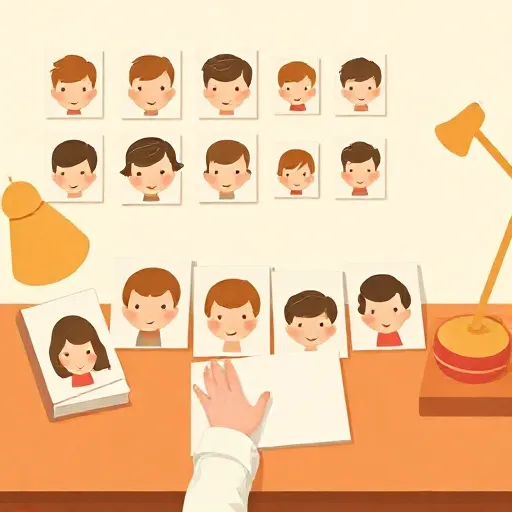
Some arguments against cloning point further ahead, toward darker possibilities. One is eugenics—the idea of deliberately improving the human gene pool. The twentieth century saw horrifying eugenic programs in which governments forced people to be sterilized or killed because they were deemed “unfit.” Nobody is proposing that now with cloning. But if parents can choose a “good” genome from a healthy, talented donor, are we starting down a path that could end in a world where only certain kinds of people are wanted?
Supporters of “liberal eugenics” say there’s a world of difference between state coercion and parents freely choosing to give their child a healthier start. Parents already do this when they pick schools or encourage certain talents. Choosing a genome that is tried and tested, they argue, is no more sinister than that.
Yet even gentle selection can change society’s attitudes. If we can copy a famous athlete’s genes, will we start to see raising a child more like designing a product? Michael Sandel warns that this could erode the unconditional love parents owe their children. A child who knows she was copied for a purpose—to be a tissue match for a sick sibling, or to “replace” a dead son—might doubt whether she is loved for who she is, not for what she provides.
Others point out that cloning wouldn’t reduce genetic diversity in any dangerous way, because only a tiny fraction of people would ever use it. And the feared discrimination against clones, sometimes jokingly called “clonism,” is just another prejudice. We fight racism, not the birth of people from a certain race; so, the argument goes, we should fight clonism rather than ban clones.
Why This Fight Still Matters to You
You may never meet a cloned human. But the questions behind the clone wars are already sneaking into your life. Every time doctors offer genetic testing to predict diseases, every time a family uses IVF to avoid passing on a disorder, society is weighing the same values: individuality, fairness, and how far we should go to shape the people we bring into the world.
Consider your own future. If you could be given a “tried and tested” genome free of heart disease, would you feel cheated that your life wasn’t a complete surprise? If a friend turned out to be a clone, would you really see her as less of a person, or would you simply wonder why anyone ever made a fuss? The way you answer those questions quietly shapes the world you’ll grow up in—a world where technology constantly tests the line between chance and choice.
Dolly the sheep lived a normal sheep life, unaware she was a symbol. She ate grass, had lambs of her own, and died of a lung disease at six. But her birth kicked open a door we still haven’t decided whether to walk through. The debate is about more than cells and nuclei. It’s about what it means to be a unique human being—and whether we really need a one-of-a-kind genome to count as one.
Think about it
- If you met a clone of yourself at your age, raised by a different family, how much do you think you would have in common? Would that clone be you?
- Is it fair to create an embryo only to study it or take its cells, even if the research might save many lives later? Where would you draw the line?
- Parents already shape their children’s futures through education, diet, and location. Is picking a child’s genes fundamentally different, or is it just another tool of parenting?