Do We Really Need All Those Beetles? The Hidden Value of Variety
A Library of Unread Books
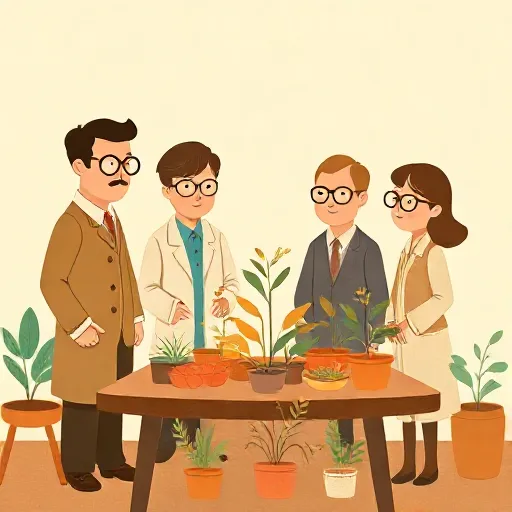
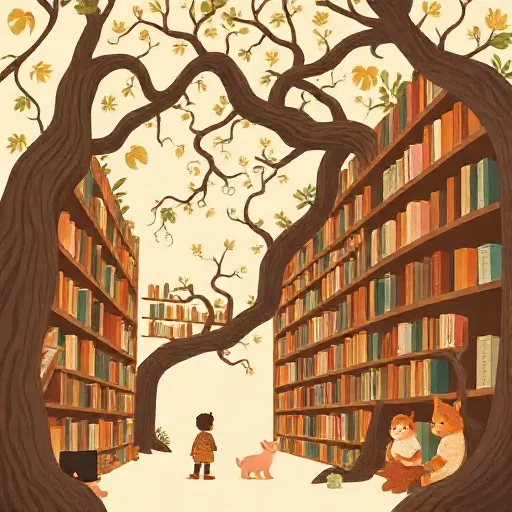
In 1974, a group of scientists gathered to sound an alarm. Species were flickering out faster than anyone could count, and the biologist Caryl Haskins (1908–2001) warned that throwing away living things was like setting fire to a library of unread books. The plants and animals we dismiss as useless today, he said, might hold tomorrow’s medicines, foods, or materials. He called for an Ethic of Biotic Diversity: a moral duty to preserve the total variety of life, because that variety itself protects our future.
Back then, the word “biodiversity” didn’t exist yet. But the idea was already crackling through the scientific world: we don’t just lose a species when it goes extinct — we lose a piece of the whole collection, and no one knows which piece will turn out to be important. Haskins and others argued that the variety of life has its own value, separate from each single creature’s charm or usefulness. That hunch would grow into one of the trickiest debates in environmental thinking.
Two Reasons to Treasure Variety: Options and Insurance
As the 1970s rolled on, thinkers sharpened the argument for why variety itself matters. The biologist Norman Myers (1934–2019) described the full range of species as “a repository of some of society’s most valuable raw materials” — a treasure chest whose key we haven’t yet found. If species disappear, future generations lose the chance to discover new medicines, crops, or industrial materials. This came to be called option value: we value biodiversity now because it keeps future options open, like a savings account that future people can spend in ways we can’t predict.
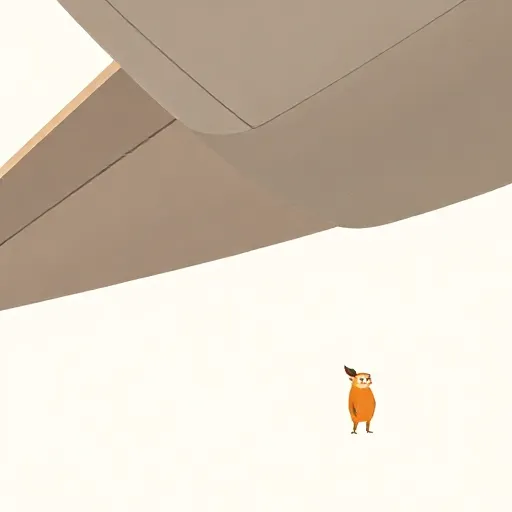
But there was another reason, too. In 1980, the International Union for Conservation of Nature (IUCN) published a landmark report that argued living variety gives us both investment and insurance. Investment is the option value we just met. Insurance is different: a rich mix of species helps ecosystems stay stable when the world throws shocks at them. A forest with fifty tree species can bounce back from a disease better than a plantation of just one kind. The ecologists Paul and Anne Ehrlich later used the rivet analogy to explain this: think of an airplane wing held together by thousands of rivets. You pop out one rivet, nothing seems to happen. Pop ten, maybe still fine. But nobody knows which rivet will be the one that makes the wing fall off. So you try to keep every rivet — every species — because you don’t know how many losses the planet can take.
Measuring the Unmeasurable: How Do We Count Variety?
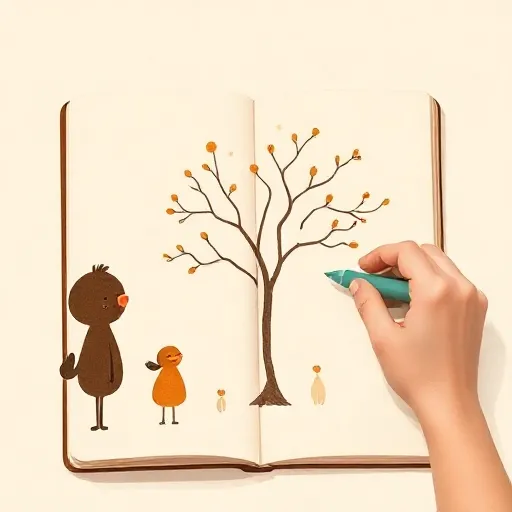
So if variety is valuable, we need to know what counts as “variety” — and that’s harder than it sounds. The early discussions already recognized it wasn’t just about species. Genes, ecosystems, and even the unique features of different creatures all matter. When the term biodiversity was formally coined around 1985, it tried to cover all these levels.
But how do you measure something you can’t even list completely? Most species on Earth haven’t been discovered yet, and for the ones we do know, we often can’t describe all their traits. A solution came from looking at the tree of life — the family tree that connects all living things. The ecologist Dan Faith (born 20th century) and others argued that you can estimate how much feature variety a set of species carries by measuring the total length of branches on their part of the tree. That number is called phylogenetic diversity. Two distant cousins on the tree — say, a platypus and a daisy — will capture more evolutionary “features” between them than two closely related finches. A little bit of phylogenetic diversity can represent a lot of biological variety, even if we don’t know what all those features are yet.
This “counting-up” approach treats biodiversity as the total number of distinct units — features, genes, or species — a set contains. It side-steps the messy job of measuring “differences” between every pair of objects and instead focuses on what we want to preserve: as many different units as possible, so that options don’t vanish.
The Big Debate: Is “Biodiversity” a Helpful Idea or a Mess?

Not everyone cheers for the concept of biodiversity. Over the last twenty years, a group of philosophers has argued that the term does more harm than good.
The critic Donald Maier (21st century) pointed out that diversity isn’t always good: a diversity of deadly viruses wouldn’t count as a treasure. And because different measures of biodiversity can clash — a patch of land might be rich in species but poor in genetic variety — you can’t ever settle on one single “biodiversity number.” Maier called the whole biodiversity project a confused attempt to turn a fuzzy feeling into a scientific target.
The philosopher Carlos Santana (21st century) went further. He said biodiversity is just an unnecessary middleman. People don’t really value “variety” in the abstract; they value particular things: a beautiful meadow, a swimmable river, a famous animal. Instead of wrapping all those feelings into one slippery word, Santana argued, we should directly state what we want to conserve and why.
Other thinkers, known as deflationists, say biodiversity doesn’t have a fixed meaning at all. It simply labels whatever a community decides to protect in its own backyard — a sacred grove, a monarch butterfly migration, or a rare local frog. There’s no fact of the matter about “true” biodiversity; it’s whatever conservation practice ends up valuing.
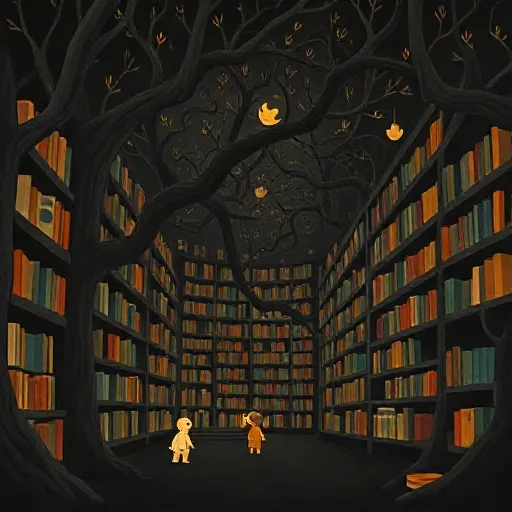
On the other side, defenders of the variety idea insist that something crucial gets lost if we abandon an overall measure. Option value and insurance don’t apply only to the species we already find cute or useful today. A salamander no one has ever heard of might hold the key to a future antibiotic. Without the idea of biodiversity as a global count of living variety, we might ignore the quiet, unknown parts of life — and risk losing the library before we even know what’s in it.
Why This Still Matters: Our Duty to the Future
Today, scientists warn that one million species may face extinction in our lifetime. That echo of the 1970s alarm hasn’t gone away — it has grown louder. And underneath the policy debates about protected areas and climate change lies a deeper question that philosophers are still wrestling with: does the present generation have a duty to future people to keep the variety of life as full as possible?
Many early voices, and later the Convention on Biological Diversity, answered yes. The idea is grounded in intergenerational justice: we are morally obliged to leave our descendants a world that still has choices. If we drain the planet’s library of species, features, and genes, we steal options they will never get back. This duty doesn’t depend on knowing exactly what each species can do — it depends on caring that future people can decide for themselves.
The critics’ challenge, however, remains alive. If “biodiversity” can mean almost anything, can it really guide us? Or does it let us pretend we are being scientific while really just following our feelings? The answer to that riddle shapes everything: from how governments measure environmental health to how a twelve-year-old decides which creatures to stand up for.
So next time you hear that a frog or a moss or an unremarkable beetle is disappearing, you’re not just hearing about a lost animal. You’re hearing a conversation about whether the variety of life itself is a thing worth saving — and about what we owe to the people who will live after us.
Think about it
- If you had to choose between saving a cute panda and saving a slime mold that might one day cure a disease, what would you pick? What principles would help you decide?
- Scientists can’t list every species on Earth. Does that make the word “biodiversity” useless, or is it still important even when we can only make rough guesses?
- Imagine you could go back in time and save exactly one extinct animal, like the dodo or the Tasmanian tiger. How would you pick? What does your choice say about why you value nature?