Is It Possible to Harm Someone by Giving Them Life?
A Baby with a Price Tag

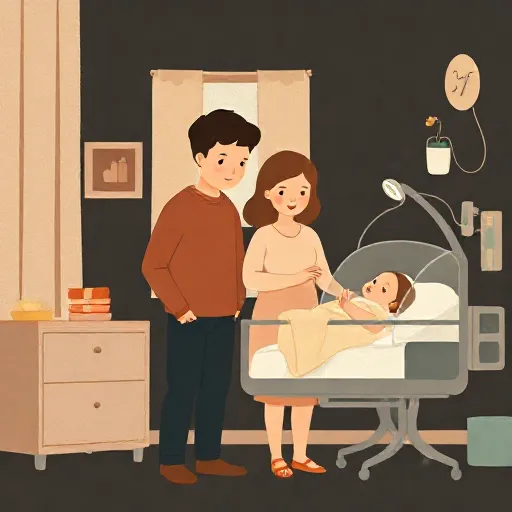
In 1982, philosopher Gregory Kavka (1947–1994) asked readers to imagine a couple who agree to conceive a child and hand it over to a wealthy man as a slave, in exchange for $50,000. The child, when born, will suffer—but the child’s life is still worth living. Most people think the couple’s action is horrifyingly wrong. Yet when we ask why it’s wrong, we run into a puzzle. The child’s existence depends on the very choice that causes the suffering. If the couple had refused the contract and still had a baby at a different time, that child would very likely have been a different person entirely—not the same child. So did the couple actually harm the child they brought into the world? If the child is glad to be alive, can we say they made things worse for him? This puzzle is the nonidentity problem, and it haunts moral philosophy.
The Deep Intuition: Wrongness Must Be Bad for Someone
Many people hold a simple moral rule: an action can’t be wrong unless it makes things worse for some particular person. This idea, called the person-affecting intuition, says harm must have a victim. The British philosopher Derek Parfit (1942–2017) captured it: “what is bad must be bad for someone.” If you crash your bike into a mailbox, you damage the mailbox, but no person suffers—so your action wasn’t morally wrong. But if you crash into a child, you harm someone, and your action becomes wrong.
This intuition feels natural. When we blame someone for a bad decision, we instinctively ask: “Who did it hurt?” The problem is that in the cases Kavka and Parfit described, it’s hard to point to anyone who ends up worse off than they would have been otherwise. And that threatens to let many obviously bad choices off the hook.
The Nonidentity Trap: When Existing Depends on the Wrong Choice
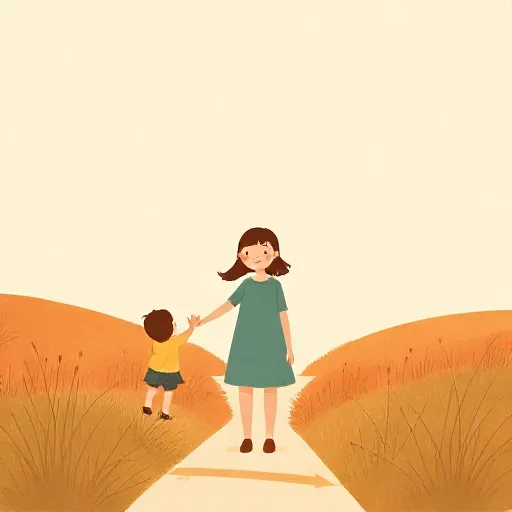
Imagine a fourteen-year-old girl who decides to have a baby right now, instead of waiting several years. If she waits, the egg cell she will use will be different, and any child born later will be a different person. Yet we think it’s much better for her to wait—her early motherhood may cause the child to have a harder life. But is the child she does have worse off because she didn’t wait? If she had waited, that particular child would never have existed at all; a different child would have been born. So the existing child cannot complain that waiting would have given them a better life. Their very existence required her choice to have a child early.
The same pattern appears in big, future-shaping decisions. Parfit’s depletion case imagines a society choosing to use up a natural resource now, making life for people two centuries later much harder. But those distant future people exist only because of the depletion choice—if the society had conserved, different people would have been conceived. So it seems no future person is made worse off by the choice. And yet we feel strongly that the depletion choice is wrong.
In all these cases, a person’s identity is precarious: tiny changes to the timing or manner of conception would have produced a completely different individual. So the wrongdoing seems to vanish if we insist that a choice is only wrong if it makes an identifiable person worse off. This is the nonidentity problem. If we follow the person-affecting intuition, we might have to say the slave-child couple and the depleting society did nothing wrong. That conclusion feels deeply implausible.
Strategy 1: Bite the Bullet – The Choice Isn’t Wrong
Some philosophers accept that there is no harm and no wrongdoing. David Heyd (b. 1951) and David Boonin (b. 1962) argue that if a child’s life is worth living overall, bringing them into existence cannot harm them in a morally relevant way, even if the child suffers. On this view, the slave-child agreement and the early pregnancy are not morally wrong. Heyd adds that such choices fall into a separate category—the genethical—neither permissible nor wrong. Boonin suggests that we might misjudge these cases because we confuse them with ordinary situations where suffering does make someone worse off. In the nonidentity cases, however, there is no alternative world where that very person gets a better deal.
Many philosophers find this “bite the bullet” answer hard to swallow. Parfit himself thought the depletion case clearly shows something has gone wrong—that a great lowering of life quality must give us a reason not to choose depletion. If we accept the bullet-biting response, we might have to allow all sorts of future-harming activities as long as they change who is born. That seems to give a moral blank check to polluters and reckless parents.
Strategy 2: Ditch the Person-Affecting Rule and Count Total Happiness
Another solution is to drop the person-affecting intuition entirely and adopt a purely impersonal view. The most famous is total utilitarianism: an action is right if it produces the greatest total sum of well-being, no matter which individuals receive it. On this view, if waiting to have a child would produce a happier life overall, the fourteen-year-old’s choice is wrong, even though it doesn’t make any particular person worse off. The nonidentity problem evaporates.
But total utilitarianism creates its own nightmares. Parfit pointed out that it leads to the repugnant conclusion: a world with a gigantic population of people whose lives are barely worth living could have more total happiness than a smaller world of very happy people. That means the theory would say we should prefer a crowded, miserable society over a smaller, flourishing one—just because the numbers add up. The average theory avoids this by looking at average happiness per person, but that theory says it’s wrong to bring a very happy child into existence if the people who already exist are even happier. Both impersonal theories clash with our sense of fairness and the value of individual lives. Hybrid views that combine person-affecting and impersonal elements are still being worked out, but they remain incomplete.
Strategy 3: Find a Way to Say the Person Was Harmed After All

A third group of thinkers tries to keep both the intuition and the wrongdoing judgment by rethinking what it means to harm someone. One approach is non-comparative harm. Seana Shiffrin (b. 1969) gives an analogy: if a gold bar falls from the sky and bonks you on the head, you are harmed even if you end up wealthier and happier overall. Some injuries are bad for you in themselves, regardless of comparison to a better alternative. In the same way, being born with a painful disease is a bad state, even if the only alternative was never existing at all. Elizabeth Harman (b. 1970) argues that causing a child to experience pain, disability, or discomfort counts as harming that child, whether or not the child’s life is worth living on balance. So the slave-child couple does harm the child by imposing suffering, even if the child is glad to be alive.
A different angle focuses on rights. Even if a child’s existence is worth having, the child might still have a right not to be born into slavery or not to be brought into a life of severe hardship. Gregory Kavka himself suggested that the couple might “wrong” the child by creating a “restricted” life, even if they don’t make the child worse off. This idea allows us to say the choice is wrong without proving comparative harm.
A third, more technical proposal comes from philosopher Melinda Roberts (b. 1965). She argues that in many nonidentity cases, the child actually could have existed without the suffering. The agents could have made a different choice and—by sheer luck—still produced the very same child. Using probability calculations, we can show that the expected value for that child is lower under the wrong choice, so the choice does make things worse for the child in a relevant sense. This approach has gained attention, though critics worry it depends on tricky assumptions about probability and identity.
Each of these harm-finding strategies tries to rescue the person-affecting intuition while still condemning the choices we feel are wrong. Yet none has won universal agreement.
Why This Puzzle Matters Today—and for Your Future
You might think the nonidentity problem is an abstract game for philosophers. But it touches real choices we face right now: climate policies, genetic screening, and decisions about how many children to have. If we adopt a new energy source that changes global population patterns, many future people will never be born, while others will exist with greater or lesser hardships. Are we harming anyone if we stick with fossil fuels? Should parents use genetic testing to select embryos without certain diseases, even if that means a different child will be born? The nonidentity problem challenges our legal system too—courts have struggled with “wrongful life” lawsuits, where a disabled child sues a doctor for not preventing their birth, claiming they were harmed by being born.
The puzzle also connects to a strange asymmetry in our moral thinking. Most people believe it is wrong to bring a profoundly miserable child into existence (a life not worth living) but perfectly okay to decide not to bring a very happy child into the world. Can we explain why the same decision—bringing someone into existence—is sometimes wrong and sometimes not, if harm is always felt only after birth? This asymmetry makes the person-affecting intuition wobble. If it’s not wrong to leave a happy person out of existence, why is it wrong to bring a miserable person into existence? Defenders of the intuition have answers, but the debate is ongoing.
So next time you hear someone say “it’s only wrong if it hurts someone,” remember the slave child, the fourteen-year-old girl, and the gold bar. The nonidentity problem shows that even our deepest moral rules can be shaken by a simple question: can a choice be wrong if it doesn’t make anyone worse off?
Think about it
- If a couple knows their unborn child will have a painful genetic condition, but they also know that child would never exist if they chose a different embryo, is it wrong for them to have that child? Why or why not?
- Imagine a world where we could choose exactly which people will be born. Would it be okay to create a life that is barely worth living if that means there are more total people? Or should we focus on making each life as good as possible?
- Many of today’s decisions (like building a dam that will flood a valley) will change who is born in the future. If the future people’s lives are still worth living, can we ever owe them compensation for the flooding? Why or why not?