Why Do You Get to Say No to a Doctor? The Puzzle of Informed Consent
Maya’s Dilemma: Can the Doctor Force Her?
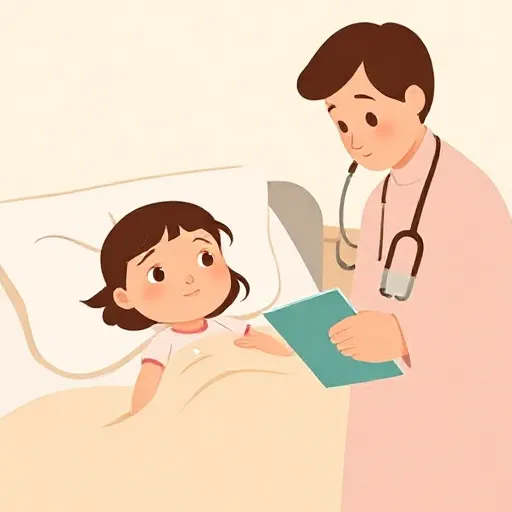
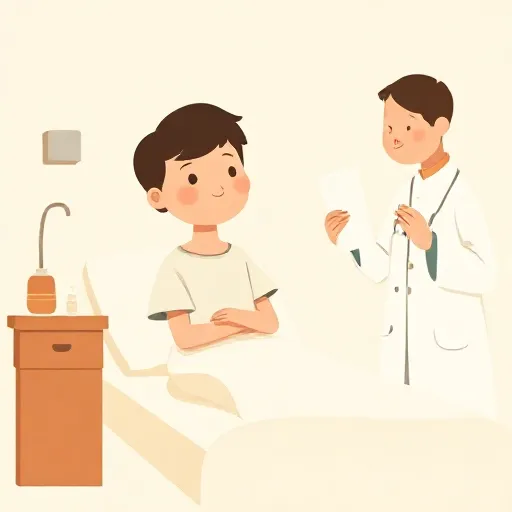
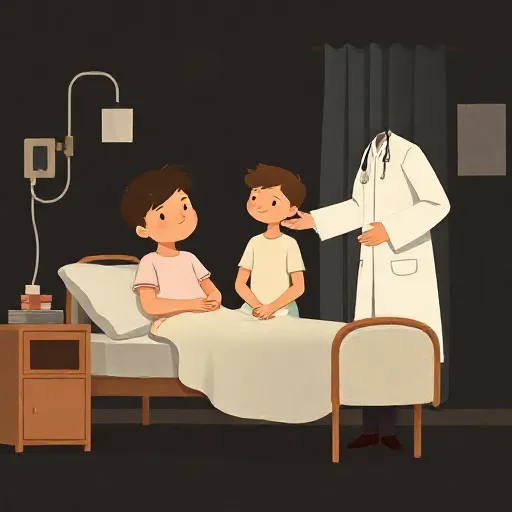
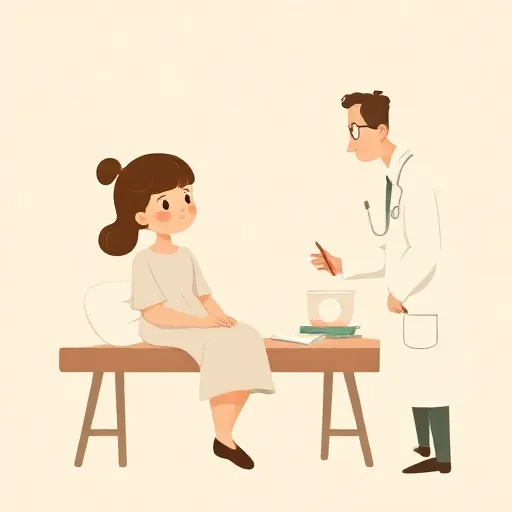
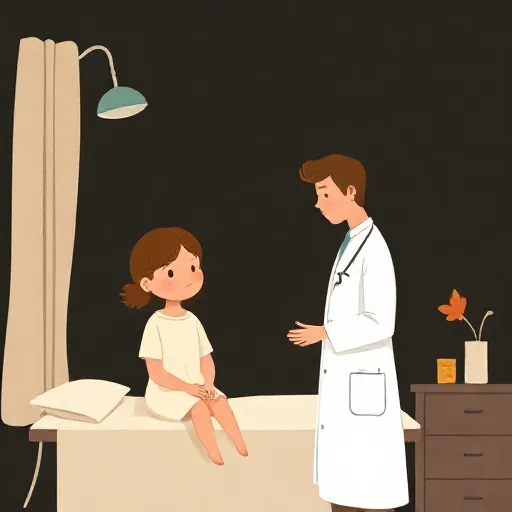
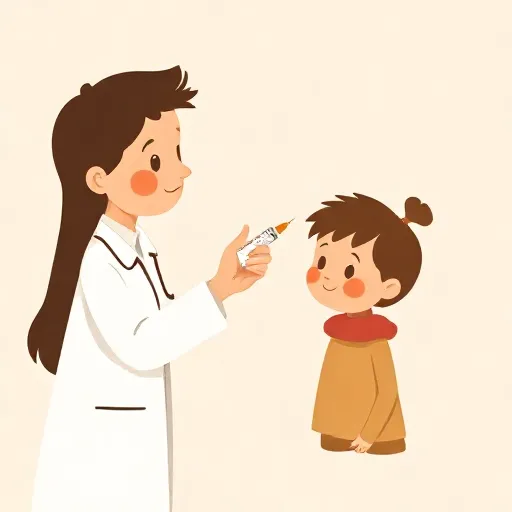
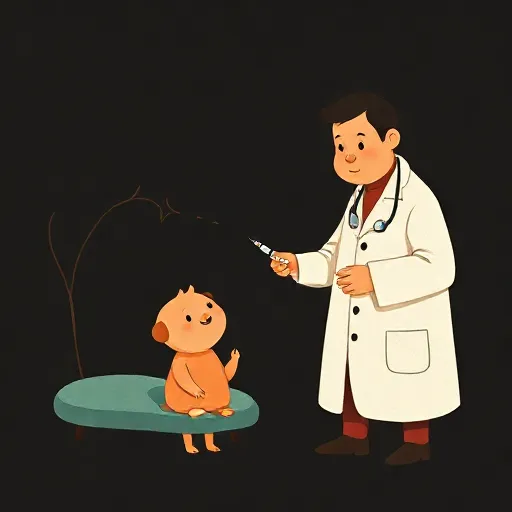
Twelve-year-old Maya has a bad infection. The doctors want to give her a powerful antibiotic that will almost certainly cure her. Maya is scared. She heard about side effects and says, “No. Don’t touch me.” The medicine is safe, the doctors argue. They believe she’s making a mistake that could harm her. Can they hold her down and give the shot anyway, if they are certain it’s best for her?
In almost every hospital on Earth, the answer is no. A person who can think clearly — even a twelve‑year‑old, in many places — has a right that stops the needle mid‑air. This right is called informed consent. It means that before a doctor can touch your body, cut you, or give you drugs, you must say yes. And your “yes” must be more than just a mumbled word: it needs to be informed, voluntary, and made with a clear mind. The rule is so powerful that even a single “no” can override a room full of experts. But where does this power come from — and why does it matter so much when a life could be saved?
The requirement of informed consent did not always exist. Ancient physicians often hid information from patients on purpose. The Hippocratic Oath, from the fifth century B.C.E., actually advised doctors to “conceal most things from the patient” and “reveal nothing of the patient’s future or present condition.” Everything changed in the 20th century, especially after World War II. The Nuremberg Code (1947) declared that no person may be experimented on without their consent. That code planted the seed for today’s wider rule: your body is yours, and medicine needs your permission.
Why Should You Be the Boss of Your Own Body?
Why can’t doctors simply do what they think is best? For centuries, many people accepted that physicians, like parents, should decide for patients “for their own good.” This is called paternalism. So what broke the spell?
The first big reason is protection. The philosopher John Stuart Mill (1806–1873) argued that each person is the best guardian of their own wellbeing. You know your own fears, your values, your daily life far better than any doctor can. A physician might be overconfident or simply wrong about what will make your life go well. Mill’s insight is that even well‑meaning experts can trample on you unless you hold the final say.
A second reason is even deeper: autonomy. This is your ability to govern your own life according to a plan you choose for yourself. Modern bioethicists Tom Beauchamp (1939–) and James Childress (1940–) have placed autonomy at the very center of medical ethics. On their view, informed consent isn’t just a safety check; it’s a way of respecting you as a person who sets her own course. The philosopher Immanuel Kant (1724–1804) would say that we should treat people as ends in themselves, never merely as tools. When a doctor acts on your body without your real agreement, they treat you like an object, not like a self‑governing human being.
But the autonomy defense faces a famous challenge. Imagine a fully capable adult who is a Jehovah’s Witness. She refuses a blood transfusion that would unquestionably save her life. Protecting her health cannot be the reason to respect her refusal, because without the transfusion she will die. The reason must be something else — perhaps pure respect for her self‑rule. Yet if autonomy is the only thing that matters, what about a confused patient who refuses life‑saving surgery because of a simple misunderstanding? She clearly isn’t making an autonomous choice. Many people still believe we must not strap her to the bed and operate. So autonomy may not explain everything. The wrong of forcing a needle into someone’s body might also be about bodily invasion itself — a violation that can happen even when the person isn’t thinking clearly.
How Much Do You Have to Understand?
Saying “yes” doesn’t count if you don’t know what you’re agreeing to. The “informed” part of informed consent is demanding. It’s not enough for a doctor to rattle off facts in Latin or bury the scary parts in jargon. You need to actually comprehend the main risks, benefits, and alternatives.
That’s harder than it sounds. In medical research, many volunteers fall for what experts call the therapeutic misconception — the false belief that a study is designed to help them personally, when the real goal is scientific knowledge. Even when information is given in plain language, people often misunderstand statistics. That’s why some philosophers insist that the true point of disclosure is not just to say the words, but to make sure your brain has truly grasped them.
Yet full comprehension can be impossible, or even harmful. Warning someone about every tiny risk can trigger a nocebo effect: expecting a bad outcome can actually make it happen. A patient who is told about a rare side effect might develop that exact symptom from pure anxiety. Some doctors cautiously use therapeutic privilege — the right to withhold certain details when telling them would cause serious physical or emotional harm and no better option exists. That’s controversial. Outright lying, however, is almost always condemned, even when it might comfort the patient. Faking a treatment without someone’s knowledge (using the placebo effect to trick them into feeling better) is seen as a direct attack on consent.
So the level of information required comes in degrees. For a life‑changing surgery, you need to know a lot and understand it well. For a simple blood draw, many doctors think your silent cooperation — called tacit consent — is enough. The more risky and personal the intervention, the more solid your understanding must be.
When “Yes” Isn’t Really a Choice

Even understanding the facts isn’t enough. Your consent must be voluntary — given freely, without being pushed. The clearest enemy of voluntariness is coercion: a threat to make you seriously worse off unless you agree. If someone says, “Sign this consent form or I’ll break your arm,” that’s coercion, and any agreement is worthless. But what about more subtle pressure?
Imagine a patient living in extreme poverty. The only way she can get a life‑saving drug is to join a risky research study that provides it free. She isn’t threatened; she’s offered a door where before there was none. Yet some philosophers argue that because all her options are terrible, her consent isn’t truly voluntary. The problem, however, is that plenty of rich patients also face a hard choice — take a drug with nasty side effects or die from the disease — and we don’t usually say their consent is invalid. So maybe the trouble in the poverty case is not the consent itself, but the background injustice.
Another worry is undue inducement — an offer so dazzling that it overwhelms your ability to think straight. Suppose someone offers you an enormous sum of cash to donate a kidney, or airplane tickets to join a dangerous trial. The shine of the reward might make you ignore serious risks. Many bioethicists are concerned about this, though philosophers often point out that people usually can still weigh dangers properly if they stop and try.
When Consent Can Be Skipped
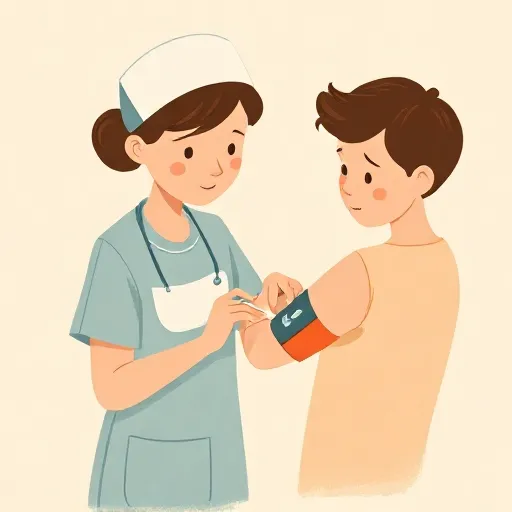
Despite its power, informed consent does not rule every single medical touch like an unbreakable law. When a nurse approaches with a needle for a routine blood draw, she doesn’t usually hand you a thick consent form. Your silent cooperation — stretching out your arm — is considered a clear enough signal. In the United States, federal regulators even allow researchers to skip detailed consent for studies that involve only minimal risk, like comparing two already‑approved drugs in a simple chart review.
Emergencies create another exception. If a patient is unconscious and can’t consent, and no family member can be reached, doctors may act to save her life. Some call this presumed consent — the idea that, if the patient could decide, she would likely say yes. Critics say that’s a fiction, because no one really knows what that particular person would have wanted. Still, in the frantic moment before an operation, few would stand in the way.
Public health measures take this even further. When a city bans smoking in bars or changes traffic rules to reduce crashes, millions of people are affected without anyone asking for their individual permission. These policies can be fiercely debated, but almost no one thinks each citizen gets a personal veto. What emerges is a sliding scale: the more invasive, risky, and personal the intervention, the more robust and explicit your consent must be. For a vaccine that goes deep into your body, a clear “yes” matters enormously; for a sidewalk nudge that steers you toward the stairs instead of the escalator, maybe it doesn’t.
Your Body, Your Future
Maya’s story — the girl who said no to the antibiotic — could be yours one day. As you grow, you’ll face choices about vaccines, mental health treatment, maybe joining a study. The rule that your body needs your consent is one of the only places where a kid or a non‑expert can stop a whole team of doctors. That’s a breathtaking kind of power.
Philosophers still argue about exactly why this rule exists and how far it should stretch. Is it mainly to protect your health? To respect your autonomy? To guard against abuse? To maintain trust between patients and doctors? Probably all of these, in different mixtures. Even the fiercest critics of the consent culture admit a stubborn core: when a clear‑headed person says “stop,” only the most extreme reasons — like preventing a deadly outbreak — can justify ignoring that word.
Next time you’re in a doctor’s office, you might remember that your body isn’t just a machine to be fixed. It belongs to someone with a story, values, and the right to write the next chapter. The needle can wait until your voice is heard.
Think about it
- If telling a patient about a very rare side effect would make them so scared they’d refuse a life‑improving medicine, should the doctor stay silent?
- During a dangerous outbreak, should the government be allowed to require everyone to get vaccinated, even if some people firmly say no?