The Boss’s Office and the Factory Floor: What Makes an Economy Fair?
A Chocolate Factory, a Boss, and a Big Question
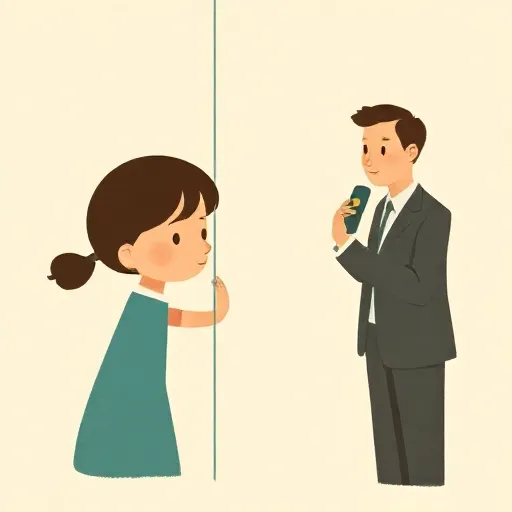
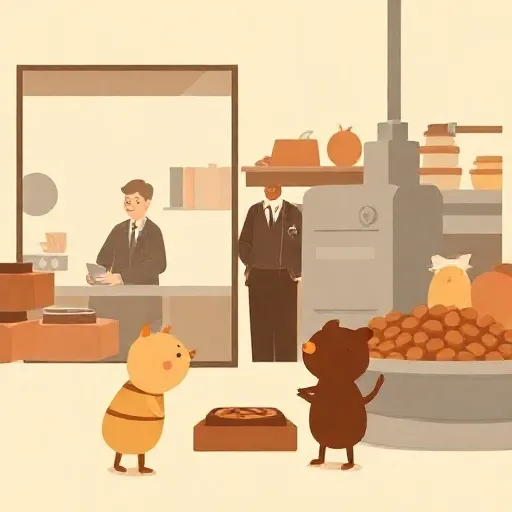
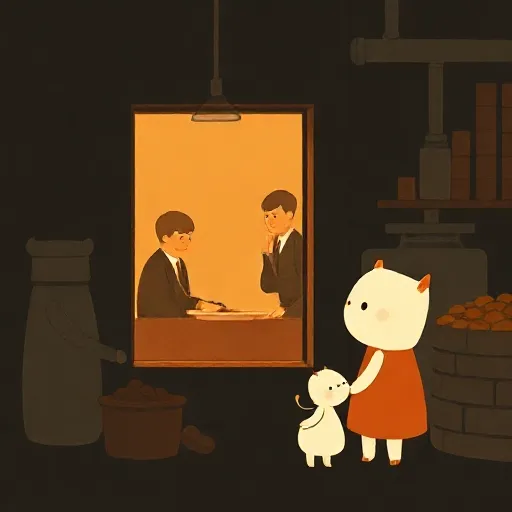
Mia visited a chocolate factory on a school trip. Through a glass wall she saw the owner, in a crisp suit, talking on the phone. On the other side, dozens of workers in hairnets and aprons stood at the production line. The owner decided how fast the machines ran, what got made, and who got paid what. The workers just did what they were told, day after day. Mia asked her teacher, “Is that fair?”
That question is at the heart of a huge fight in philosophy and economics: capitalism versus socialism. Capitalism is a system where most of the tools, factories, land, and raw materials – what thinkers call the means of production – are privately owned. People can legally own their own labor power (unlike in slavery), but markets decide who makes what and who gets what. Usually, a small group, the capitalists, owns the means of production, and a much larger group, the workers, must sell their labor to them to survive.
Socialism challenges that picture. Socialists say the bulk of the means of production should be under social, democratic control – not owned by a tiny slice of the population. The idea is not that the government must run everything (many socialists hate top‑down state control), but that the people who do the work should have real power over what they produce and how the fruits of their labor are shared. This turns capitalism on its head. Is it a better vision? Let’s walk through what socialists actually claim is wrong with capitalism and what they’d build in its place.
Exploitation: Taking More Than Your Fair Share

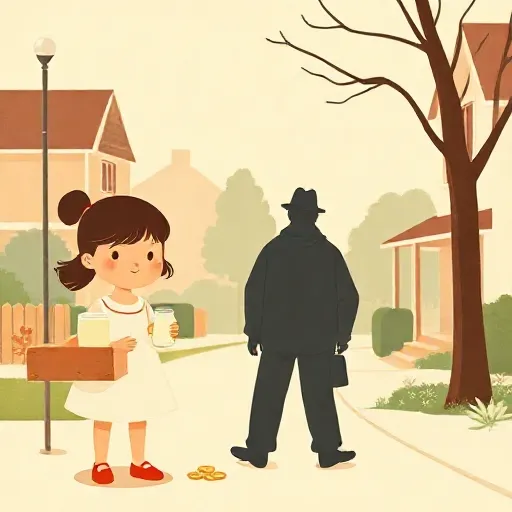
Imagine you set up a lemonade stand with a friend. You squeeze every lemon, mix the sugar, and serve the cups. Your friend owns the table and the pitcher, so he says the rules are his. At the end of the day, he takes 90 cents of every dollar – you get a dime. Socialists argue that capitalism routinely works like that. They call it exploitation: workers create far more value than they receive in wages, and capitalists pocket the difference.
But when does exploitation become truly wrong – not just a math problem but an injustice? Philosophers have given a few answers. One early idea, the unequal exchange view, said any time an exchange gives one person more than the other, it’s unfair. But critics point out that not every unequal transfer is wrong: giving food to someone who can’t work may be unequal but not unjust. Another view, the domination‑for‑self‑enrichment account, says exploitation is wrong when it happens because one person dominates the other – when they use their greater power to take advantage and get rich. Karl Marx (1818–1883) thought this was built into capitalism. Because workers don’t own the factories or land, they have no good alternative to accepting a boss’s low offer, and the boss can squeeze out extra effort while keeping most of the reward. This power imbalance, and not just the money itself, is what makes the deal feel crooked.
Who Decides? The Hidden Power of the Boss
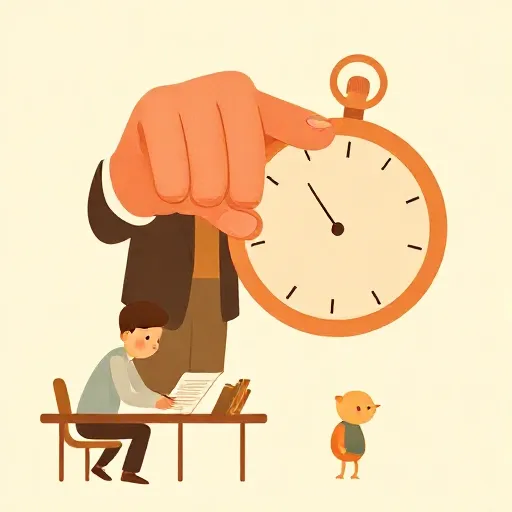
A defender of capitalism might say, “Nobody forces you to take the job; you’re free to walk away.” But socialists reply that this misses the darker side of that freedom: domination. Workers are legally free, but they’re also propertyless. If you don’t own any means of production – not a plot of land, not a tractor, not a laptop loaded with design software – your only way to survive is to sell your time to someone who does. Marx described this as a “silent compulsion.” He wrote: “The silent compulsion of economic relations sets the seal on the domination of the capitalist over the worker.” When there are more people needing jobs than there are jobs available, bosses can set the terms, and workers have to nod along.
Domination doesn’t stop at the factory gate. Once inside the workplace, the capitalist or the managers they hire decide what gets produced, how it gets produced, and who does what – often with no input from the people on the floor. Socialists also argue that this top‑down power leaks into politics. Wealthy owners can fund political campaigns, threaten to move their businesses overseas, and shape the very laws that are supposed to protect everyone. So what looks like a free exchange between equals can actually be a system where one group constantly calls the shots and the other group’s “yes” is never louder than a whisper.
Feeling Like a Machine: The Problem of Alienation
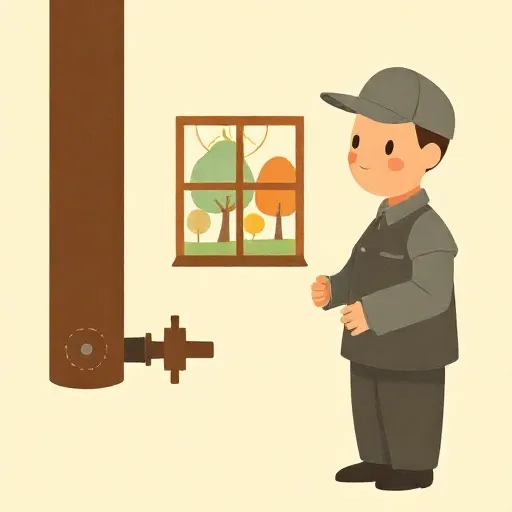
There’s one more big complaint: capitalism can make work feel meaningless. Marx called this alienation. In a capitalist factory or office, you often repeat one tiny task again and again. You don’t decide what the final product is, you don’t see how it helps anyone, and you aren’t free to be creative or learn new skills. Marx wrote that for the alienated worker, “labor is external to the worker… in his work he does not affirm himself but denies himself, does not feel content but unhappy, does not develop freely his physical and mental energy but mortifies his body and ruins his mind.”
Socialists aren’t saying nobody should ever do hard work. They’re after a world where, as often as possible, people can do work that lets them use their abilities, grow, and cooperate with others in ways that feel meaningful. Many thinkers link this to the ideal of self‑realization – the chance to actually develop and exercise your creative and productive powers, rather than just spending your waking hours as a tool for someone else’s profit. If a society treats most people as cogs in a machine, socialists ask, can it really call itself free?
Could a Different Economy Work? The Market Socialist Idea
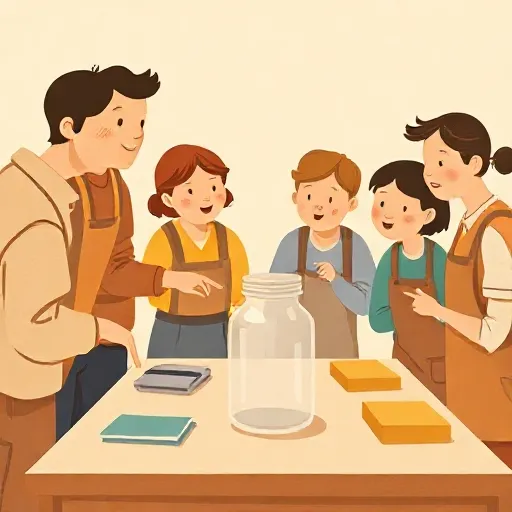
If capitalism has these deep flaws, what could replace it? That’s where market socialism comes in – a serious attempt to keep the useful bits of markets while getting rid of the capitalist class. In one version, called the economic democracy model, factories and offices are managed by the workers themselves. A market still sets prices for goods so consumers can choose what they want, but there are no separate, idle owners living off other people’s labor. Investment money – the cash to start new businesses or expand existing ones – would come from public investment banks that are democratically accountable, not from a handful of rich investors.
Another proposal, from philosopher Joseph Carens, imagines an economy where everyone who works full‑time takes home exactly the same after‑tax income. Pre‑tax pay still signals which jobs are in high demand, but people choose their work partly out of a sense of duty to use their talents to help others. It sounds wildly idealistic, but the aim is to harness markets’ ability to coordinate supply and demand without the wild inequality and selfishness often baked into capitalism.
Real‑world experiments exist, like the giant Mondragón cooperative in Spain, where tens of thousands of worker‑owners run a network of businesses. Economists and philosophers debate whether such models could scale up to a whole country, whether they risk making decisions too slowly, and whether they might still leave some workers behind. But the point is this: socialism isn’t just a slogan; serious thinkers have drawn up detailed blueprints that try to honor equality, democracy, freedom, and solidarity while actually working in a complex modern world.
Why This Fight Matters to You

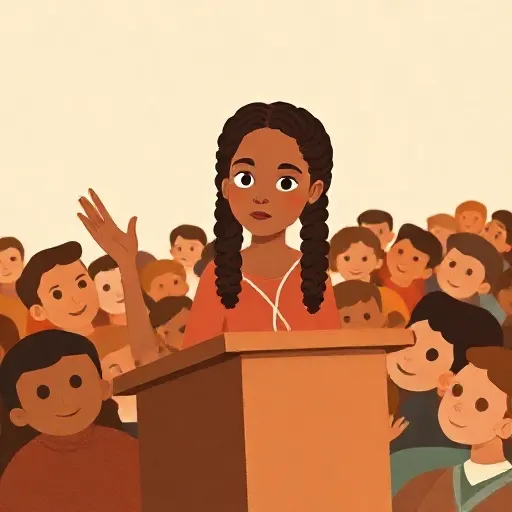
Mia’s question in the chocolate factory isn’t only about factories in faraway places. It’s about the life you’ll step into when you grow up. Will your job let you have a real say? Will you get a fair share of what you help create, or will you feel like a replaceable part swapping hours for just enough money to survive? The ideas behind socialism and capitalism are still being fought over today: when you hear about huge inequality, workers organizing unions, universal basic income experiments, or governments trying to fight climate change by reshaping how energy is produced, you’re hearing echoes of this very debate.
Both sides have strong arguments. Capitalism has produced incredible wealth and innovation; its defenders say that protecting private property and letting markets do their thing maximizes freedom. Socialists reply that much of that freedom is hollow if you’re always under someone else’s thumb. The future isn’t settled. Nobody has a perfect answer, but the questions – about power, dignity, and what it means to really own your life – are yours to take on.
Think about it
- If a friend’s family owned the only grocery store in town and could pay workers whatever they wanted, would that be fair? What could make it more just?
- Imagine a company where employees vote on every big decision. Would that be more democratic, or would it make the work too slow and confused? Why?
- If a machine could do all the dull jobs, freeing everyone to do only work they found meaningful, would you still need bosses, or could people cooperate without them?