Why Can’t We Just Share the Lake? The Free Rider Problem
One Extra Fish Won’t Hurt… Will It?
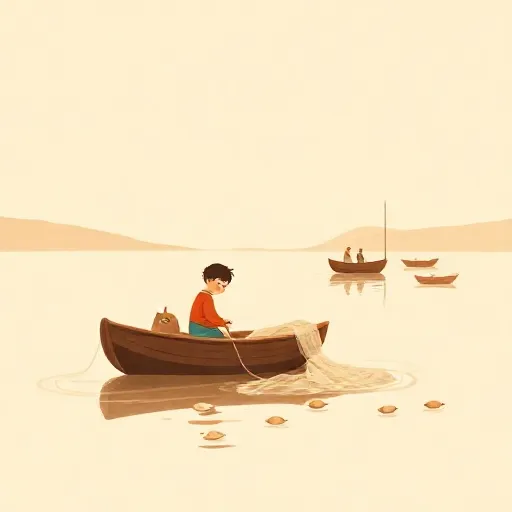
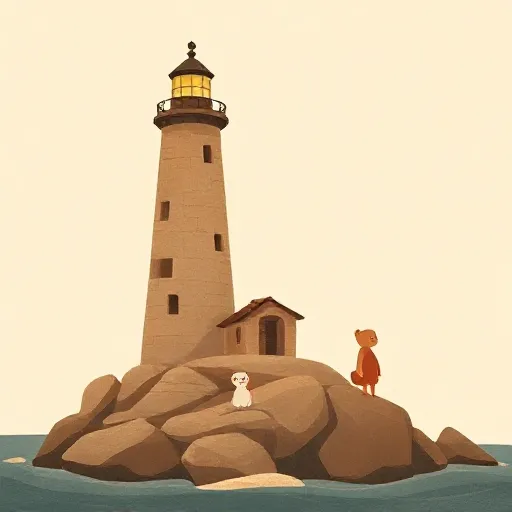
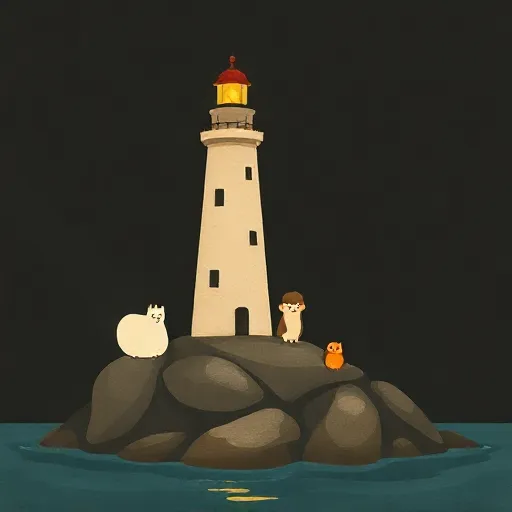
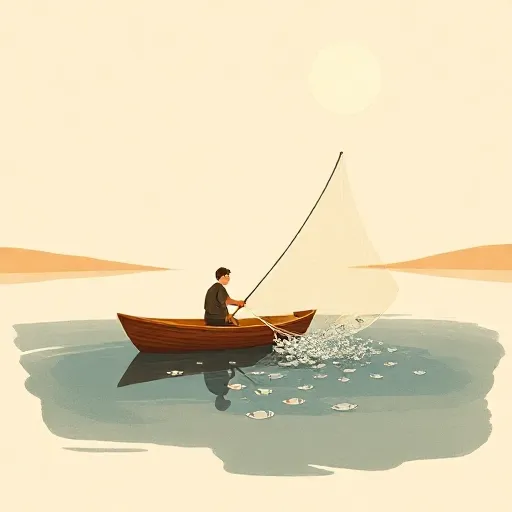
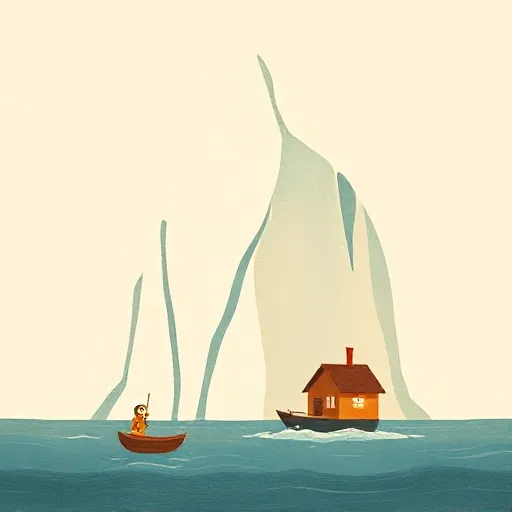
Picture a village that shares a lake. Year after year, the villagers know that if everyone takes only a few fish, the lake will stay full and feed them all. But each morning, out on the water, a single fisherman thinks, If I sneak in one more net, I’ll eat better, and my tiny extra catch won’t make any real difference. The next day another fisherman does the same, and then another. Soon the nets come up lighter and lighter, until one season the lake is empty.
This is not just a story about fishing. It is a free rider problem—a specific kind of collective action problem. A collective action problem happens when a group would all be better off if everyone did something, but each person’s own interest pushes them toward a choice that, if everyone makes it, leaves everybody worse off. The free rider problem is the version where people enjoy a shared good without helping to pay for or protect it, and that very temptation threatens to destroy the good.
The free rider problem is different from a coordination problem. In a coordination problem (like two friends trying to find each other in a park without phones), everyone wants to meet up and simply needs to agree on a spot. There is no sneaky incentive to trick the other side. But in a collective action problem, what looks clever for each person turns into a disaster for all.
The Trap of the Prisoner’s Dilemma
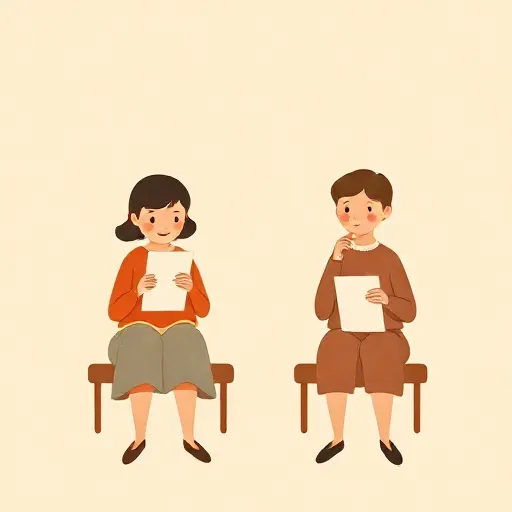
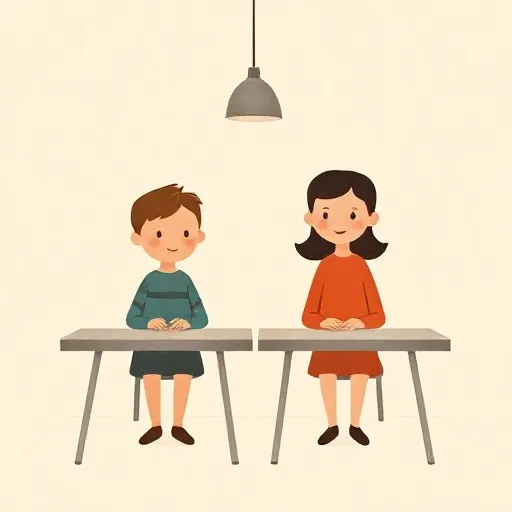
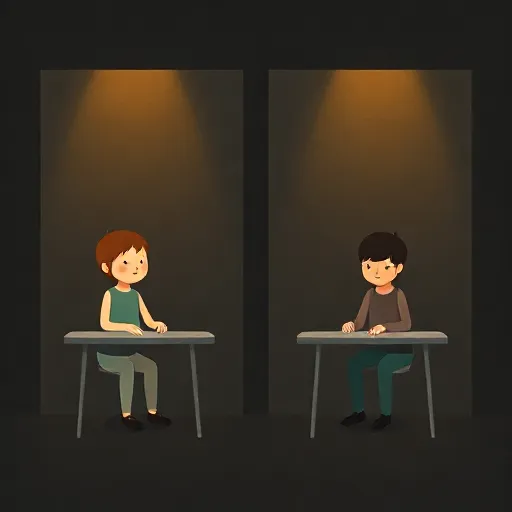
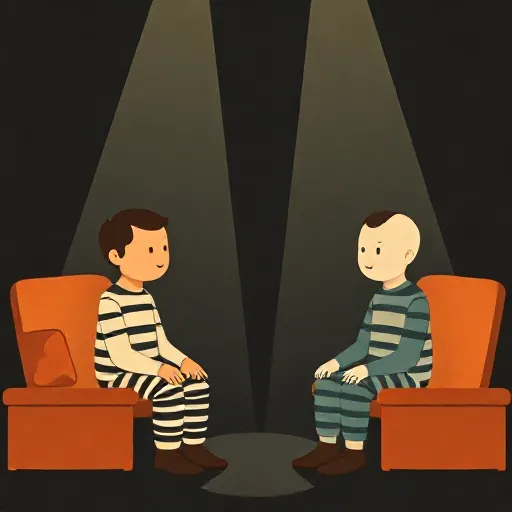
Philosophers and economists often explain the core logic of many free rider problems with a simple story called the Prisoner’s Dilemma. Two suspects are arrested for a crime. The police separate them and offer each a deal: if you confess and your partner stays silent, you go free and your partner gets five years. If you both stay silent, you both get one year for a minor charge. If you both confess, you each get three years.
No matter what the other person does, confessing is the safer bet. If your partner stays silent, you go free. If your partner confesses, you avoid the full five years. Yet if both follow this logic, they each get three years—a worse outcome than if both had simply kept quiet.
When we face a free rider problem in a large group, many of us are in a similar trap. Anyone can think, If I don’t contribute to the public radio station, the shows will still be there; my few dollars won’t make the difference. But if everyone thinks that way, the station goes silent. The tragedy of the commons, made famous by ecologist Garrett Hardin (1915–2003), is a version of this: a shared meadow or fishing ground is ruined because each herder or fisher follows their own private gain.
Not every free rider problem is exactly a Prisoner’s Dilemma. Sometimes contributing would actually serve my interests if only a few others do the same. But the basic shape remains: what tempts me privately can undo a good we all need.
From a Giant King to a Village Meeting: How We Try to Solve It
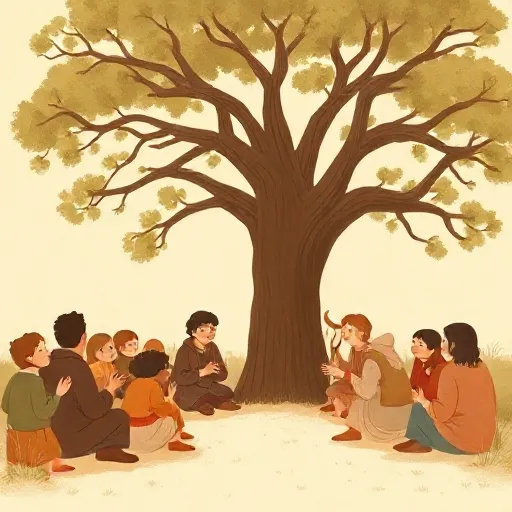
Thinkers have been wrestling with free rider problems for a long time. In Plato’s Republic (4th century BCE), the character Glaucon challenges Socrates: why should I be just if I can get away with injustice? That is the free rider’s voice. If the gods don’t notice and penalties never come, why not enjoy the benefits of others’ cooperation while doing nothing yourself?
Thomas Hobbes (1588–1679) gave one of the most dramatic answers. Without a government to enforce rules, he argued, we live in a war of all against all, and life is solitary, poor, nasty, brutish, and short. A powerful sovereign—what Hobbes called a Leviathan—can change the whole calculation. If stealing or attacking is met with swift punishment, cooperating becomes the rational, self-interested choice. The state solves the free rider problem by imposing outside consequences.
David Hume (1711–1776) pointed out why the problem gets tougher as groups grow larger. Two neighbors can easily drain a meadow together, he wrote, “but ’tis very difficult, and indeed impossible, that a thousand persons should agree in any such action.” In a crowd, it is easier to hide—and easier to convince yourself that your own effort won’t matter. Hume also observed that human psychology includes a sense of justice and a fear of shame that help keep the problem in check, especially in small groups where people watch one another.
In our own time, the political scientist Elinor Ostrom (1933–2012) studied communities around the world that managed shared forests, fisheries, and irrigation systems successfully—without top‑down government or private ownership. She found that self‑organized groups can overcome free rider problems when conditions like clear boundaries, good communication, trusted monitoring, and graduated punishments are in place. If villagers can talk face to face and care about their reputation as reliable partners, they often build sturdy cooperation that no one person can collapse.
Is It Wrong to Free Ride? The Moral Tangle
Suppose a streetlight shines outside your window. If you use that light to walk safely at night, does that make anyone else’s light dimmer? No—the good is nonrival, meaning one person’s enjoyment doesn’t subtract from another’s. So if you don’t pay for the streetlight, who exactly is harmed? This puzzle sits at the center of the moral debate.
Many philosophers reply that free riding is wrong because it is unfair. You are taking advantage of a scheme that works only because others are willing to contribute. It is like eating the dinner your housemates cooked and cleaned up, night after night, without ever buying groceries. Even if no one goes hungry, something important is broken.
But Robert Nozick (1938–2002) pushed back hard. What if the benefit is forced on you? He gave provocative examples: a gang throws books into your house and then demands payment; someone sets up a neighborhood loudspeaker and expects you to take a turn as disc jockey. When a benefit can’t be avoided, Nozick argued, it isn’t unfair to refuse to pay—it is the demand that is unfair. This objection led John Rawls (1921–2002) to restrict his principle of fairness to cases where a person has chosen to accept the benefits. Yet others insist that some vital shared goods, like basic security or a protective fence against tigers, are so clearly worth the cost that refusing to chip in is simply unreasonable. The debate remains unsettled.
Why This Matters More Than Ever
The free rider problem is not an old puzzle locked in books. It shapes the biggest challenges we face. The global climate is a shared resource, but every country looking only at its own economy has a reason to burn fossil fuels, hoping others will carry the cleanup. Global fishery collapse, vaccine hesitancy during a pandemic, even the quiet decision not to edit a shared class document—all echo the same structure.
Ostrom’s later work suggested that global problems might be solvable only if they are layered over local ones: communities that learn to cooperate on small lakes can build trust that spreads to wider networks. Still, the moral questions bite harder at the planetary scale. The people who suffer most from climate change are often those who contributed least—future generations and communities far from the smokestacks. That makes it not just a free rider problem, but something even more tangled.
Understanding the free rider problem doesn’t give us a single, simple answer. But it does make us see why a teammate’s refusal to pitch in feels so wrong, why designing fair rules is so delicate, and why the story of that emptied lake is not just about fish.
Think about it
- If everyone else in a class project does the work and the project still gets an A, is it wrong to have done nothing? Does your answer change if you’re the one who worked hard?
- Your town votes to build a park that will help everyone, including people who didn’t want it. Is it fair to make them pay for it, or should they be allowed to opt out? Where would you draw the line?
- Some people say that in a group of millions, one person’s free riding makes no real difference to anyone. If that were true, would that make free riding okay? Why do you feel the way you do?