Why Do We Follow Unwritten Rules? The Power of Social Norms
The Invisible Rulebook
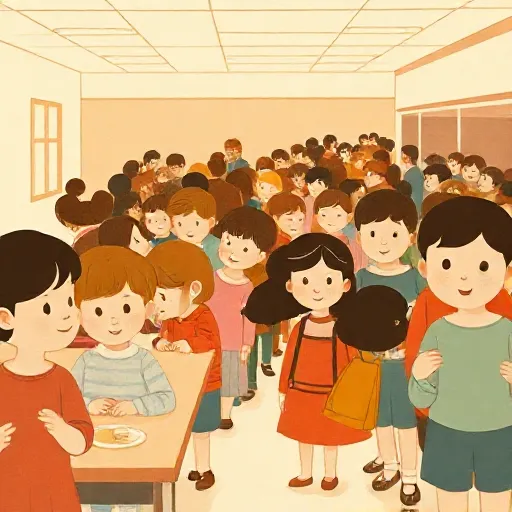
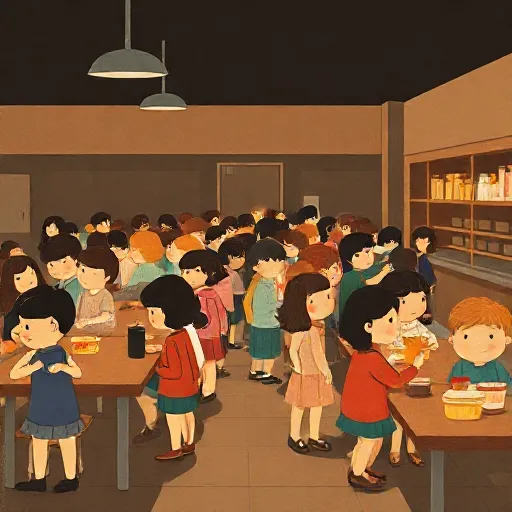
Picture a school lunch line. Nobody issued an official command, yet everyone lines up anyway. A student who cuts in will feel many eyes and maybe hear a sharp “hey!” Why?
That line is held together by a social norm—an unwritten rule that people follow not because a law book says so, but because they believe others in the group follow it and believe those others expect them to follow it too. Philosophers often compare norms to the grammar of a language: nobody designed them in a meeting, yet they guide almost everything we do together. Brushing your teeth every morning is just a personal habit, but lining up for lunch is a norm because it depends on what you expect others to do and think.
Social norms are different from laws (which are written down and enforced by officials) and from personal moral beliefs (which you might hold even if nobody else shares them). A norm exists only as long as enough people in a group keep it alive with their expectations.
Why Do Norms Exist? The Co‑operation Puzzle
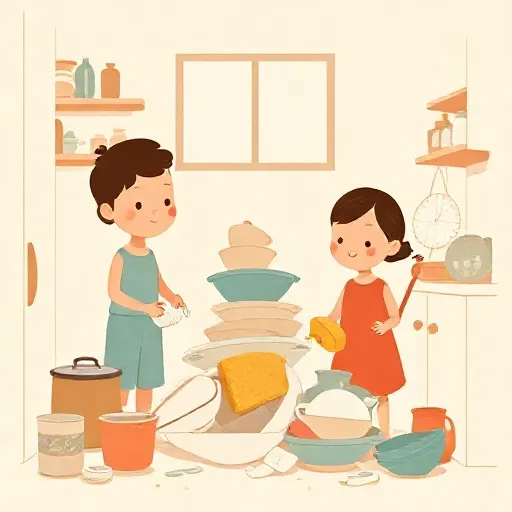
One big idea in philosophy is that norms often solve problems of collective action—situations where everyone is better off if they all cooperate, but each person is tempted to slack off. Imagine you and your flatmates share a kitchen. If everyone cleans up after themselves, the kitchen stays nice and everyone benefits. But if nobody cleans, you get a smelly mess. The tricky part: each person would privately prefer that the others clean while they themselves relax. Without a norm, the kitchen often ends up dirty.
Economists like George Akerlof noticed that similar puzzles appear in real life. In farming, a landowner could pay a worker a fixed wage no matter the harvest—but then the worker has zero reason to work extra hard. The norm of sharecropping, where the worker gets a share of the crop instead, gave both sides a reason to put in effort. Akerlof argued that the norm survived because it efficiently increased everyone’s welfare.
Many philosophers, such as Thomas Schelling and Edna Ullmann‑Margalit, used game theory to model this: norms often emerge in situations that look like a prisoner’s dilemma—a game where self‑interested choices lead to a worse result for everyone. When a norm appears, it can flip the game into one where cooperating becomes the sensible move, provided you trust others will cooperate too.
But there is a catch. Not all norms are useful. Rigid dress codes, rules that exclude certain people, or corruption can be deeply harmful. So a norm’s existence cannot be explained only by saying “it solves a problem.” Sometimes norms stick around even when they make life worse.
The Secret of Expectations: Two Kinds of Belief

Contemporary philosopher Cristina Bicchieri argues that what really holds a norm together are two kinds of expectations working at once.
Empirical expectations are beliefs about what other people will actually do. In the lunch line, you expect that others will wait their turn.
Normative expectations are beliefs about what other people think you should do. You expect that others believe you ought to wait—and that they might get upset if you don’t.
When both expectations are strong, we often develop a conditional preference for following the norm: we prefer to go along only if we think most others will too and that they expect us to. If you walk into a bus stop where everyone is pushing forward with no order, you might push too, even if you usually line up. The norm’s grip on you depends on what you believe about the group.
Sometimes a whole group can be trapped by mismatched beliefs—a situation called pluralistic ignorance. In a famous study, landlords were asked if they would rent an apartment to an unmarried couple. Almost all said they personally would, but they estimated that only half of other landlords would. So they may have followed a restrictive norm even though most privately disagreed. A similar thing can happen at school: nobody laughs at a joke they find unfunny because they think everyone else finds it hilarious, and the silence keeps the fake rule in place.
Game Theory: How Norms Turn a Trap into a Team Effort
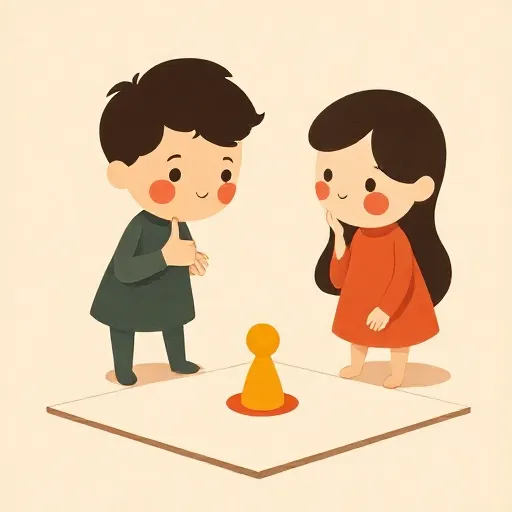
Game theory helps us see how norms reshape choices. Imagine you and a friend face a messy common room. Each of you can either clean or skip. If you both clean, the room shines and you each get a high payoff—say, 3 points. If both skip, you’re stuck with the mess and each get only 1 point. If one cleans while the other skips, the cleaner does all the work (0 points) while the slacker gets a free ride (4 points). Rationally, each of you would skip, leaving you both with a messy room and low points.
Now add a robust norm: “Roommates should do their share.” Suddenly your feelings change. You’d feel embarrassed to be the only slacker, and you might worry your friend will be angry or stop trusting you. The norm rewrites the payoffs in your head. The “skip while the other cleans” option no longer feels like a victory—it might even feel worse than the mess. With the norm in place, if you both expect each other to clean, cleaning becomes the safe, comfortable choice for both of you. The norm transforms the situation from a trap into a coordination game, where people mainly need to settle on what everyone else will do.
Which outcome they land on—cleanliness or mess—depends entirely on those shared expectations. That is why a norm that feels unshakeable can vanish quickly once enough people start to doubt that others are still following it.
Why Do We Really Obey? Inside and Outside Pressures
Philosophers and social scientists have long debated why an individual goes along with a norm. Three big stories keep showing up.
The socialization story says that from childhood we internalise norms so deeply they become part of who we are. The sociologist Talcott Parsons argued that we obey because breaking the norm would make us feel guilt or shame, even if nobody catches us. This does explain why many people return a lost wallet. But it struggles to explain why norms can change overnight—think of how quickly smoking indoors became unacceptable—or why the same person might follow a rule in one group but ignore it in another.
The social identity story says we follow norms to show we are loyal group members. Anthropologists and psychologists noticed that wearing the team scarf or using the right slang signals that you belong. You obey not just to avoid punishment but to validate your identity. Yet we all belong to many groups at once—family, friend circles, clubs—and their norms can clash. The theory doesn’t tell us what you do when being a good teammate and a good sibling demand opposite things.
The cost‑benefit story points to sanctions: we follow norms to avoid being yelled at, fined, or excluded, and to win approval. This approach, favored by economist James Coleman, works for some cases, but fails when we comply in complete anonymity—like tipping in a foreign restaurant or not littering on a remote trail.
Most philosophers today think no single engine drives all norm‑following. Internalised values, group identity, and fear of sanctions blend together, but the core ingredient remains those two kinds of expectations. Once you stop believing that others are playing by the same rule, your own reasons to obey start to crumble.
Why It Matters: Breaking the Cycle
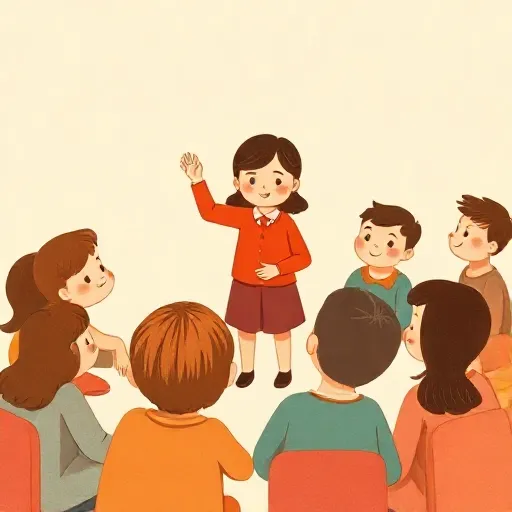
You might have noticed a norm at school that feels unfair—like a silent rule about who can sit where, or an unspoken pressure to laugh at a mean joke. This isn’t just a piece of abstract philosophy; it’s the key to changing things.
Harmful norms often survive because each person privately dislikes them but believes everyone else supports them. The philosopher Ryan Muldoon has shown that social norms are especially sticky because there’s no easy button to rewrite them the way you can change a school rule. Researchers like Bicchieri have studied how real‑world norms—from corruption to child marriage—collapse once people realise their private beliefs are widely shared. When a brave person speaks up or acts differently, it can shatter the illusion and give others permission to follow.
Think about a norm you wish were different. The next time you feel stuck by an unwritten rule, you might ask yourself: “What do my friends really think?” You could discover that the invisible rulebook is less powerful than it looks—and that you can help write a new one.
Think about it
- If everyone in your class secretly hated a norm but nobody said anything because they thought everyone else supported it, how could you find out the truth without breaking the rule?
- Can you imagine a norm that would make the world better if everyone followed it, but you wouldn’t want to be the only one following it? What might help it catch on?
- Is it ever okay to follow a norm you think is wrong, just to fit in? What would you say to a friend who felt pressured to join a hurtful practice to avoid being left out?