
Should You Be Forced to Wear a Helmet? The Puzzle of Paternalism
Can Someone Else Decide What’s Good for You?

Imagine you are at the beach on a sun-warmed afternoon. No lifeguard has arrived yet, but the water looks perfectly safe. You grab your towel and head in—until your dad stops you. “Not until a lifeguard is here,” he says. “It’s for your own safety.” You argue that you are a strong swimmer and nothing bad will happen. Who is right?
Philosophers call this kind of situation paternalism. Paternalism happens when someone limits your freedom or choices, without your consent, because they believe it will make you better off or prevent you from harm. The word comes from the idea of a father acting for the good of his children. But the philosophical problem is much larger. Paternalism shows up when a government forces motorcyclists to wear helmets, when a doctor hides a scary diagnosis from a patient, when a school bans soda machines, or when a friend takes the sleeping pills out of a depressed spouse’s reach. In every case, someone thinks they know what is good for you better than you do—and acts on it.
The central puzzle is simple to state and hard to settle: when, if ever, is it legitimate to override a person’s free choice for the sake of that same person’s welfare?
John Stuart Mill and the Broken Bridge

The British philosopher John Stuart Mill, writing in the 19th century, gave one of the most famous answers. Mill was a fierce defender of personal freedom. He thought that adults of sound mind should be free to make their own choices, even risky ones, as long as they are not hurting anyone else. But he also admitted one important exception.
Mill asked us to picture a person about to walk across a bridge that is known to be unsafe. Suppose you cannot warn them because they speak only a language you do not understand. Mill would say it is perfectly fine to physically hold them back—temporarily—just long enough to figure out whether they know the bridge is broken. If they know and still want to cross, perhaps because they intend to end their life, Mill said you must let them go. This position is called soft paternalism. You may interfere only to check that a person is acting voluntarily and with full information. Once you know they understand the risks and are choosing freely, the interference must stop.
Hard paternalism goes further. A hard paternalist believes that sometimes it can be right to prevent a person from doing something even when the person knows the danger and is choosing voluntarily. For instance, a hard paternalist might argue that we should stop the person from crossing the damaged bridge even if they are committing suicide knowingly. From their view, protecting the person’s life overrides the person’s choice.
Mill also gave a deeper reason for his soft stance. He thought that the way a person chooses to live is best not because it is the objectively best life, but because it is their own way of living. The freedom to steer your own path, he believed, was a core part of being a fully human being.
The Nudge: Steering You Without Force

More recently, two American thinkers—Cass Sunstein and Richard Thaler, writing in the early 2000s—offered a new take on paternalism that tries to respect freedom while also helping people make better choices. They call it libertarian paternalism, and its main tool is the nudge.
A nudge rearranges the way choices are presented to you without blocking any options or making them more expensive. In one famous example, a cafeteria places fruits and vegetables at eye level and puts less healthy foods higher or lower down. Students are still free to pick whatever they want, but the arrangement makes the healthier choice more likely. In another case, employers automatically enroll workers in a retirement savings plan—people can opt out at any time, but because staying in is the default, far more people save for the future. No one is forced. No choice is taken away.
Thaler and Sunstein argued that since we all have cognitive weaknesses—we tend to go with the default, we procrastinate, we are influenced by how options are framed—neutral choice presentation is impossible. Some arrangement will always nudge us in one direction or another. So why not nudge people toward their own stated goals, like better health or financial security?
This kind of paternalism is “libertarian” because it keeps the full set of choices intact and avoids coercion. It is “paternalistic” because it aims at the good of the person being nudged. But critics wonder: is there something missing when the person being helped does not know they are being nudged?
Hidden Influences and the Fight for Autonomy
Many nudges work best when people do not notice them. In one experiment, a picture of human eyes was hung above an office coffee machine; workers paid more for their coffee even though most did not consciously connect the eyes to their payment. Other nudges rely on known mistakes in the way we think. The “opt-out” retirement plan works because people have a strong bias toward sticking with whatever option is already selected—even when switching would be better.
This raises a tough question about autonomy, the capacity to govern yourself according to reasons you would accept as your own. For the 18th-century German philosopher Immanuel Kant, every person must be treated as an end in themselves, never as a mere tool. Even a benevolent nudge, Kantians worry, can fail to respect you as a rational being if it bypasses your ability to decide for yourself on the basis of good reasons.
Some nudges are transparent: for example, warning labels on cigarette packages announce clearly that smoking is dangerous and why the warning is there. But in the cafeteria case, students may never learn that the food was placed deliberately to steer their choices. If they knew, would the nudge still work? Would they accept the influence? If the answer is no, a Kantian might say the nudge was disrespectful.
Yet defenders of nudging reply that many of our everyday choices are already shaped by background forces we do not see, and that nudges, when designed openly and reviewed by the public, can actually enhance people’s control over their lives—helping them reach goals they themselves have.
Paternalistic Lies: The Doctor, the Placebo, and the Truth

One of the most personal forms of paternalism is an outright lie told for someone’s own good. Suppose a doctor learns that a patient has a fatal illness, but tells the patient nothing is seriously wrong, hoping to prevent depression and panic. Or a doctor prescribes a sugar pill—a placebo—and says it is real medicine, because there is evidence that placebos can make people feel better even when they contain no active drug.
This kind of paternalistic lie distorts the information a person uses to decide what to do. Even if the lie is motivated by kindness, it seems to damage something important. The patient is not just being kept from harm; she is being denied a piece of reality that bears on her own life. If autonomy means being able to guide yourself by the facts and values that matter to you, then a lie cuts you off from that guidance.
Kantians would say a lie, even a merciful one, always treats a person as a means rather than an end, because it overrides their capacity to reason about their own situation. Anti-paternalists add that once we start allowing well-meant lies, we risk a world where people in authority decide what truths others can handle—and that can shrink everyone’s freedom in a deep and invisible way. Still, some philosophers reply that on rare occasions the benefit to a person’s well-being might genuinely outweigh the damage to their immediate autonomy, for example when the truth would cause extreme suffering with no possible constructive response.
Why It Still Matters: Your Helmet, Your Choices
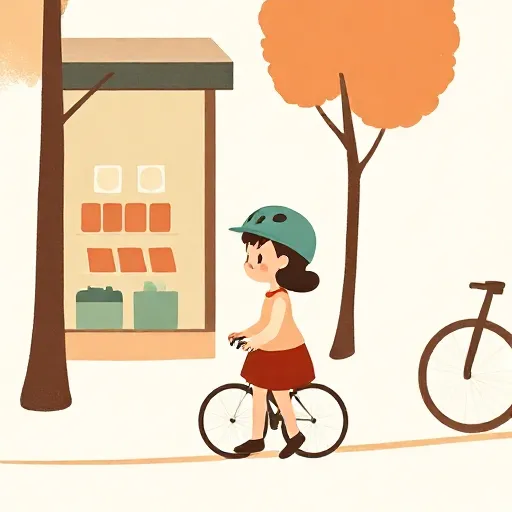
The debate about paternalism is not stuck in libraries. It is alive every time a rule says you must wear a seatbelt, every time your phone sends you a screen-time reminder, every time a parent sets a curfew “for your own good.” The same arguments about soft and hard paternalism, transparency, autonomy, and lies reappear in your own life.
When a government forces you to wear a helmet while biking, is it acting like Mill’s soft paternalist—making sure you know the risks and then still respecting your choice if you want to ride bareheaded? Or is it closer to hard paternalism, saying your head is too valuable to gamble, no matter what you prefer? When your social media app harnesses your impulse to keep scrolling, is that a nudge toward connection or a manipulation of your attention? And if a friend hides hurtful gossip from you to protect your feelings, is that a caring lie or a theft of your chance to handle the truth?
Paternalism, at its heart, is about the balance between caring for someone and controlling them. Getting that balance right is a puzzle each generation—and each person—has to solve for themselves.
Think about it
- If a new law forced everyone to wear a helmet while cycling, would it be justified even if you hate helmets and think you ride carefully enough? What would Mill say, and what would a hard paternalist say?
- A friend is about to send an angry message that will wreck a friendship. You grab their phone to stop them. Is that paternalism? Is it the right thing to do?
- Should schools ban sugary drinks from vending machines to protect students’ health, or does that treat students like people who cannot make their own choices? Where do you draw the line?