Should Your Burger Make You Feel Guilty?
A trip to the supermarket
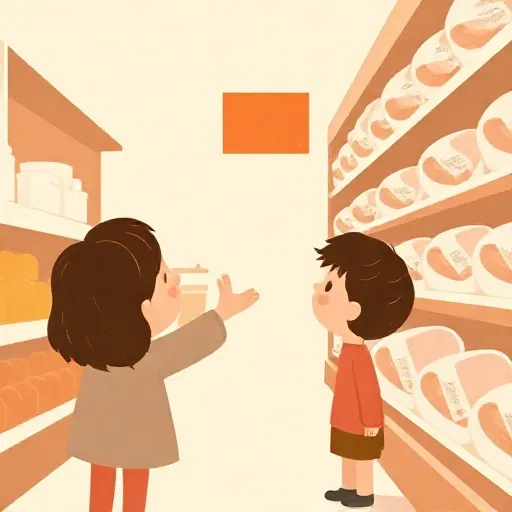
You’re at the grocery store, staring at a tidy package of chicken. The label shows a smiling farmer. But you’ve heard kids at school say that eating animals is wrong. Maybe you wonder: Is it okay to eat meat? That question is what philosophers call moral vegetarianism — the idea that consuming meat is morally wrong. People who disagree are called moral omnivores; they believe eating meat is permissible. And moral vegans go further, saying all animal products (like eggs and milk) are wrong to eat.
This isn’t just about health or taste. It’s about whether the way we treat animals can be justified. To answer, we first need to look at where meat really comes from.
The hidden world of cheap meat
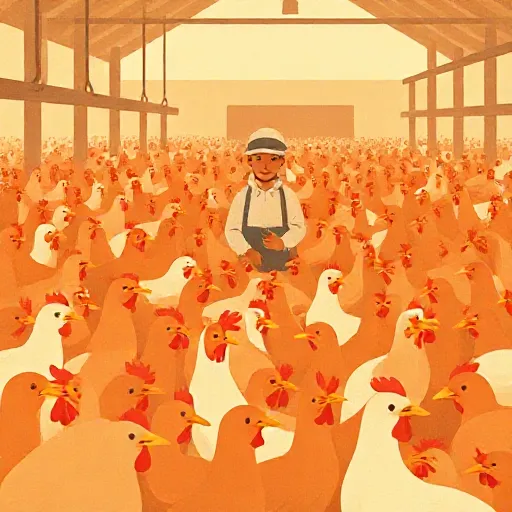
Most meat in supermarkets starts on industrial animal farms — giant operations that hold thousands of animals packed tightly indoors. Chickens, pigs, and cattle live in spaces so cramped they can barely turn around. Their beaks or tails may be cut off without pain medicine to stop them from hurting each other out of stress. Chickens are bred to grow so fast their legs can’t support their weight, causing constant pain. Male chicks at egg farms, useless for laying, are killed right after hatching.
Why is this done? It keeps prices low. But it also raises a deep worry: these animals are sentient — they can feel pain, fear, and pleasure just like you. Scientists have learned that chickens can track who’s boss in the pecking order, solve simple puzzles, and even show different personalities. Pigs enjoy exploring and rooting in the dirt. Cattle form friendships. When we crowd, hurt, and kill them for food we don’t need to survive, we’re causing a tremendous amount of suffering.
The suffering argument: Why pain matters
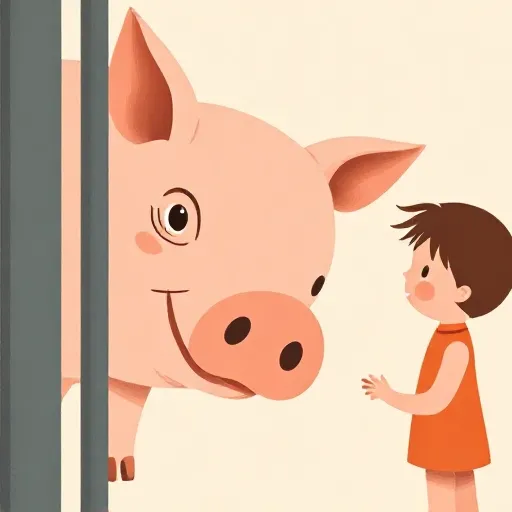
The philosopher Peter Singer (born 1946) offers one of the strongest reasons to give up meat. He says that making animals suffer when we have easy alternatives — like eating beans and rice — is wrong. The key is that animals have interests, especially an interest in not feeling pain. If you wouldn’t cause that pain to a human with similar feelings, Singer asks, why is it okay to do it to a pig or a chicken?
Most people agree that beating a pet dog is wrong because the dog suffers. Factory farms cause far more intense suffering on a massive scale. For Singer, ignoring that suffering just because the victim isn’t human is a kind of prejudice, like ignoring someone’s pain because of their skin color.
Not everyone agrees with this. Some thinkers, like the philosopher Immanuel Kant (1724–1804), argued that animals are not members of the moral community and we only owe them kindness because being cruel might make us cruel to humans. But this view faces a tough question: if there’s nothing wrong with hurting an animal in itself, then is it really okay to beat a stray dog if no human ever finds out? Many find that hard to swallow.
The killing argument: Does death steal something?
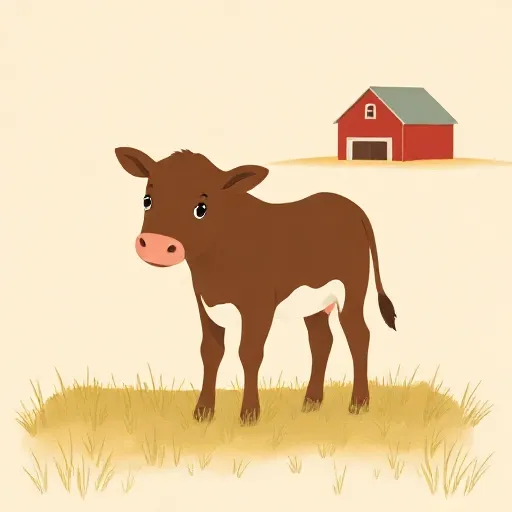
Even if we could raise animals without any pain, there is another problem: killing them. The philosopher Tom Regan (1938–2017) argued that animals, as subjects-of-a-life — beings who have feelings, beliefs, and a sense of their own well‑being — have a right not to be killed for our dinner. Taking their lives for food we don’t need, Regan said, treats them like mere tools.
Other philosophers push back. Some say that for killing to be seriously wrong, the victim needs long‑term goals or a story‑like sense of their own life. A chicken, they claim, doesn’t plan for next summer or dream about raising chicks. Without those mental capacities, death might not harm an animal in the same deep way it harms a person. But others reply: even if a chicken can’t imagine the future, killing it still takes away all the sunny afternoons, dust‑baths, and bugs it would have enjoyed.
There’s even a view that farming animals is good for them — a kind of deal. The idea is that we give cows and chickens a protected life, and in return we eventually take their lives. They wouldn’t exist at all without the farm. Yet if we applied that logic to humans, we’d quickly see a problem: would it be okay to create happy children on an organ farm and later harvest their hearts because they owed us? Almost everyone says no, which makes it suspect for animals.
From farm to fork: Are you part of the story?
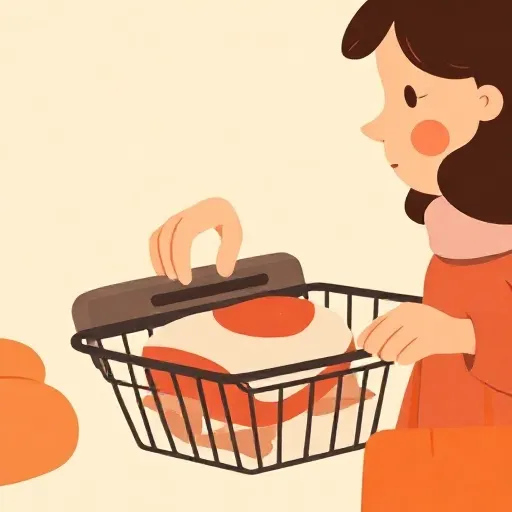
So far we’ve talked about producing meat. But let’s say you’re convinced that factory farming is wrong. Does that mean you yourself must stop eating meat?
This is trickier than it sounds. Some philosophers point out that one burger at a fast‑food chain probably doesn’t cause even a single extra chicken to be raised or killed. The supply chain is so huge that your purchase makes no detectable difference. If eating meat doesn’t cause more suffering, maybe it isn’t wrong.
Yet many philosophers think there are other connections beyond simple cause‑and‑effect. Imagine a restaurant run by Alma, who keeps her chef enslaved. She’ll cook the same meals no matter how many customers come. Even if your visit doesn’t cause more slavery, dining there still seems wrong. Why? Because you’re benefiting from a terrible crime and, in a way, participating in it. Similarly, eating meat might signal that you’re okay with the suffering behind it, or it might make you part of a practice that mistreats animals.
These ideas — participation, benefit, and expressing attitudes — help bridge the gap from “producing meat is wrong” to “eating it is wrong.” But they are debated. Could you eat a burger thrown out by a restaurant, so no extra harm is done? That’s even less clear. What is clear is that philosophers don’t just worry about what happens on farms; they also worry about what your choices say and what you are making yourself into.
What’s for dinner — and why this matters to you
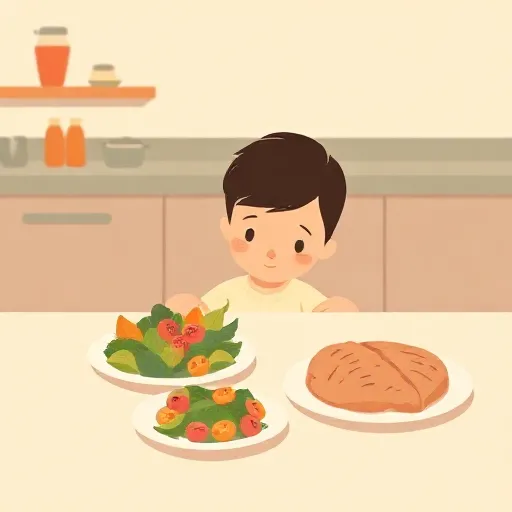
You might never visit a factory farm, but every time you open the fridge you face a version of this debate. The arguments don’t force you to become a vegetarian tomorrow; they do ask you to think about where your food comes from and whether you’re comfortable with what’s involved.
Maybe you’ll decide that modern farming causes too much pain and you’ll eat differently. Maybe you’ll decide that humans are just one animal among many, and that eating others is part of nature. Maybe you’ll land somewhere in the middle, eating less meat or choosing products from animals raised outdoors. The philosophers we’ve met — Singer, Regan, and many others — disagree fiercely among themselves. That’s a hint that this isn’t an easy yes‑or‑no question.
What matters is that you treat the question seriously. Because the chicken on your plate had a heartbeat and a personality, and the choice you make connects you to a whole world you can’t see.
Think about it
- If a friend told you that they saw no moral problem with eating a pet dog raised kindly on a farm, would your reaction be different than if they said the same about a pig? Why?
- Imagine you became a vegetarian for a week. What would be the hardest food to give up, and what would that difficulty tell you about the role of culture and habit in moral decisions?
- Suppose it turned out that buying meat truly makes no difference to how many animals suffer. Would that make eating meat completely okay, or might there still be something wrong with it?