Are You Free If No One Is Stopping You?
The Driver Who Felt Driven
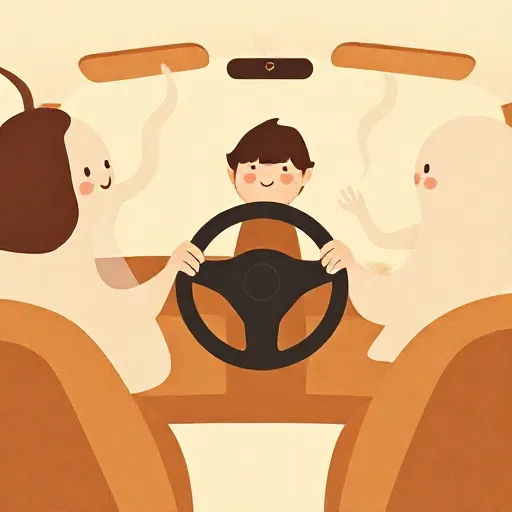
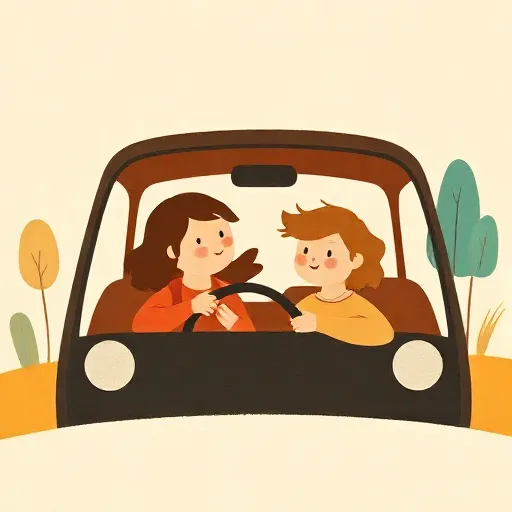
Imagine you are driving through town. At a fork, you turn left. No one forced you — no roadblocks, no police. Then at a crossroads, you turn right. Again, nothing in your way. You look completely free.
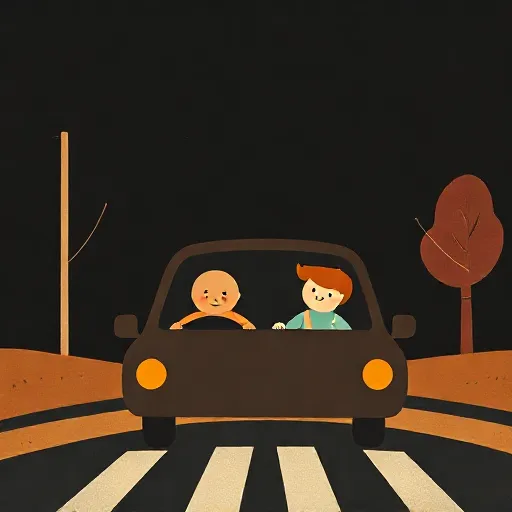
But what if the real reason you turned left and then right is that you are desperate to reach the tobacco shop before it closes? A fierce cigarette craving has its hands on the wheel. You are not driving the car; you are being driven. Worse, you know turning right means missing a train to an appointment that matters deeply to you. You wish you could stop, but your own body drags you there. Are you free?
The philosopher Isaiah Berlin (1909–1997) put a story like this at the center of a famous essay in 1958. Looked at one way, no one stopped you — the doors were wide open. That is one meaning of freedom. Looked at another way, you are a prisoner to a craving you never chose. That is a very different meaning. Berlin called them negative liberty and positive liberty.
Two Ideas, Two Worlds

Negative liberty answers the question: “What is the area where I am left alone to do whatever I can do, without interference from other people?” It is freedom from outside obstacles. If you can speak your mind, walk where you like, and practice your own religion without someone blocking you, you enjoy a great deal of negative liberty. Thinkers in the classical liberal tradition, such as John Stuart Mill (1806–1873), treasured this idea. They wanted a protected space around each person, safe from busybody governments and neighbors.
Positive liberty asks a different question: “Who, or what, controls the choices I make?” It is freedom as being the master of your own life. You are free, in this sense, only when your higher, thinking self is in charge — not your blind impulses, fears, or outside brainwashing. Jean-Jacques Rousseau (1712–1778) believed you could become truly free by taking part in making the laws of your own community. If everyone co-creates the rules, then citizens are, together, ruling themselves.
At first, positive liberty seems noble. Don’t we all want to run our own lives? But Berlin spotted a dangerous twist. If freedom means letting your “true self” win, who decides what that true self really wants? Could someone claim to know your real interests better than you do — and force you to be “free”?
When “Freedom” Becomes a Trap
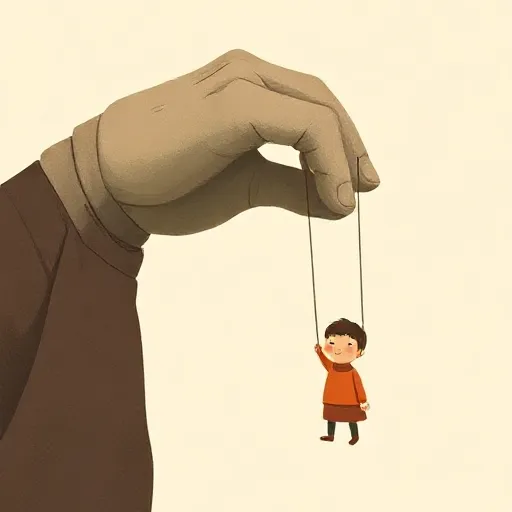
Berlin, writing during the Cold War, saw how totalitarian dictators twisted the dream of self-mastery. They called themselves the true liberators. How did a noble idea go so wrong?
He traced a slippery slope. Start with the smoker. She has two selves at war: a rational, higher self that wants to keep the appointment, and a lower self that just craves a cigarette. You might say true freedom means the higher self wins. So far, this is a personal struggle. But take it further. What if someone else tells you that they know what your higher self really wants, and that if they force you to do it, you will thank them later? Now freedom means obeying someone who claims to know you better than you know yourself.
You can slide even further. Suppose your “true self” is not you as an isolated person but a larger whole — a nation, a race, a party. Then the state can call it liberation when it molds you to serve the group. Berlin warned that once you accept freedom means fulfilling some one true goal, rulers can trample your actual wishes and still shout “we are freeing you.” He feared that the positive ideal, handled carelessly, could dress up bullying as benevolence.
Defenders of negative liberty push back. They say freedom should not depend on your desires. If being free meant simply getting what you want, a contented slave who wants nothing else would be perfectly free — yet we still know slavery is the opposite of freedom. So negative liberty means being unblocked from doing whatever you might ever want to do, not only what you happen to desire right now. This avoids the “happy slave” problem. Some believe you can become free by killing your desires completely, like an ascetic who cuts off a painful leg instead of healing it. But that can quietly teach you to accept oppression by pretending you never wanted anything else. Negative liberty, by focusing only on outside interference, seems less tempting to hijack.
Still, many felt we needed something richer than a world of unlocked doors.
Two New Routes Away from the Trap
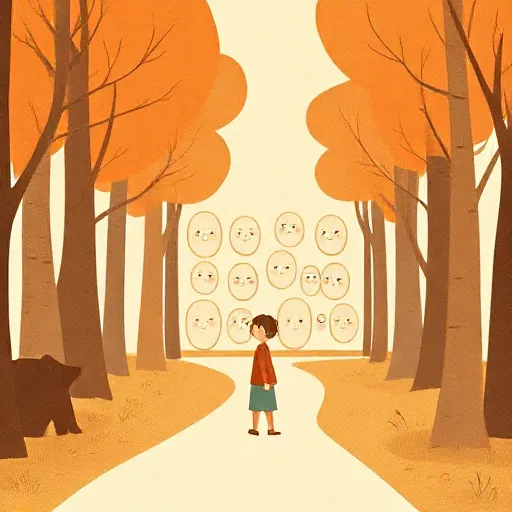
Philosophers after Berlin tried to keep the spark of positive freedom without letting it become a tool for control. Two attempts stand out.
1. Freedom as how you form your desires. The contemporary philosopher John Christman argued that what matters is the way your wants are made, not what you actually end up wanting. Imagine a girl who follows her family’s traditional customs after learning about other ways of life and thinking carefully. She is free, even if someone else thinks she chose a narrow path. But if her desire was stamped into her by fear, manipulation, or ignorance, she is not free — no matter what the desire is. This content-neutral positive liberty never points to a single “true self” or a correct way to live. It never lets anyone force you to be “truly free.” Some critics ask: could a government still nudge people toward “rational reflection” through public campaigns? That might slide back into quietly imposing an ideal.
2. Freedom as not being under anyone’s thumb. Another group, led by Philip Pettit (born 1945), revived an older idea: republican liberty, or freedom as non-domination. Picture a slave with a generous master who never actually interferes. On the negative view, that slave has plenty of freedom. But the slave is still at the mercy of the master’s whims — the master could interfere any moment. Pettit says that being free is not about actual non-interference; it is about being protected from anyone having that kind of arbitrary power over you. You are free only when laws and institutions block anyone from bossing you around without your say. That is why you need democratic rules, a separation of powers, and rights that tie even kindly rulers’ hands.
Republican freedom differs from negative liberty because you can be dominated without interference, and you can be interfered with (by fair laws, for example) without being dominated. It also differs from positive liberty: you do not need to run the government yourself; you just need real shields against domination.
Critics push back again. If a slave’s master almost never punishes, but always could, then the probability of interference is high — so the slave has less negative freedom after all. Maybe republican liberty just points to the best way of securing negative freedom in the long run. Republicans reply that what stings is the impossibility (or at least “ignorability”) of others pushing you around, not merely low odds. The debate remains open.
It’s All About the Blanks You Fill In
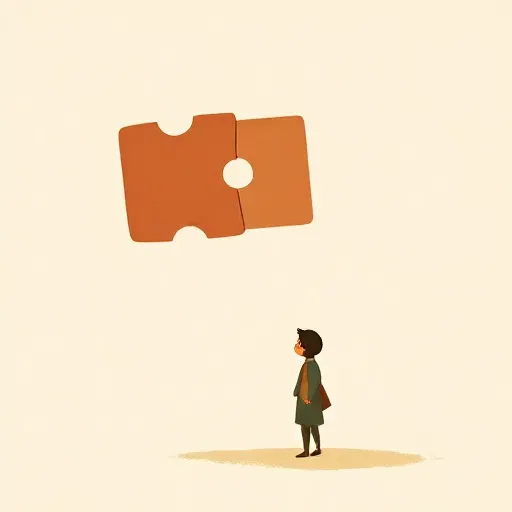
In 1967, the philosopher Gerald MacCallum suggested that all these fights are actually quarrels over a single, three-part recipe. Whenever we say “someone is free,” we are really talking about a triadic relation: an agent (the person or group), a constraint (something standing in the way), and a purpose (something the agent is free to do or become).
Take the smoker again. If you call her free, you probably fill in the blanks like this: the agent is her ordinary, everyday self; the constraints are only external things (no locked doors, no police); and the purposes can be anything she might want, even a cigarette run. If you call her unfree, you fill them differently: the agent is her higher, thinking self; constraints include internal cravings and irrational fears; and the purposes shrink down to rational or virtuous goals, like keeping her appointment.
That is the secret. The negative camp and the positive camp are not using two completely different ideas of freedom. They just widen or narrow those same three blanks in opposite ways. Thomas Hobbes (1588–1679) thought a person was free if no physical chains or walls held them — that is a very narrow constraint blank. Others, like John Locke (1632–1704), said we need freedom from force, yet added that true freedom is not “license” to do whatever is immoral — meaning some purposes don’t count. MacCallum showed that instead of two warring camps, we have a whole rainbow of views.
This insight helps untangle modern arguments. When someone says poverty takes away freedom, and another says it is just bad luck, they are really disagreeing over whether the constraint blank should include things like a lack of money or a boss’s power over a worker.
Why a 1958 Argument Still Haunts Your Choices
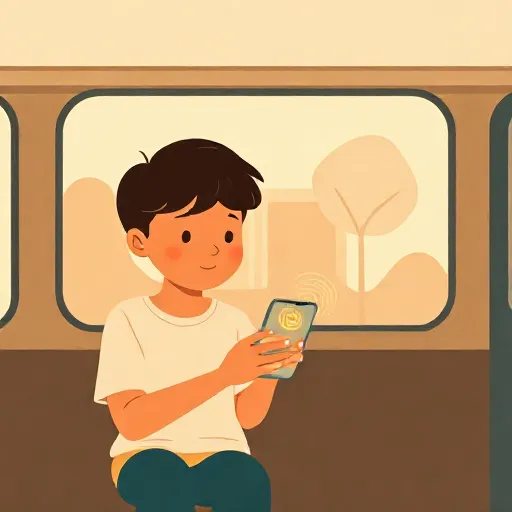
These old squabbles are not dusty museum pieces. Every time you scroll through a feed, an algorithm has nudged your attention. Did you freely choose that video, or did the app steer your impulses? When your school bans phones, did you lose negative liberty, or is the rule helping the “higher” you stay focused? The tension between open doors and genuine self-control pulses beneath laws, protests, and even conversations at the dinner table.
Berlin’s warning still rings loud: if anyone claims to know the “real you” better than you do, be very careful. Yet we also know our desires are shaped by ads, friends, and invisible biases. Maybe we aren’t entirely free even when nobody blocks our path. The challenge is to build a world where we can truly become the authors of our own lives, without authoritarians hijacking that dream.
The next time you feel a pull — toward a game, a snack, a habit — ask yourself: am I the driver, or am I being driven? And who gets to draw the map? The conversation Berlin started is far from finished.
Think about it
- If someone you trust tells you they know what is really best for you, would letting them decide a part of your life make you more free or less free?
- Imagine a world without any laws — you could do absolutely anything. Would you be completely free, or would new kinds of unfreedom appear?
- Your phone recommends videos based on what you clicked before. Are you choosing what you watch, or is the app steering your choices? Does it matter if the video turns out to be good for you?