
Does 'Redistribution' Mean Stealing or Sharing Fairly?
Is Sharing Something We Can Force?
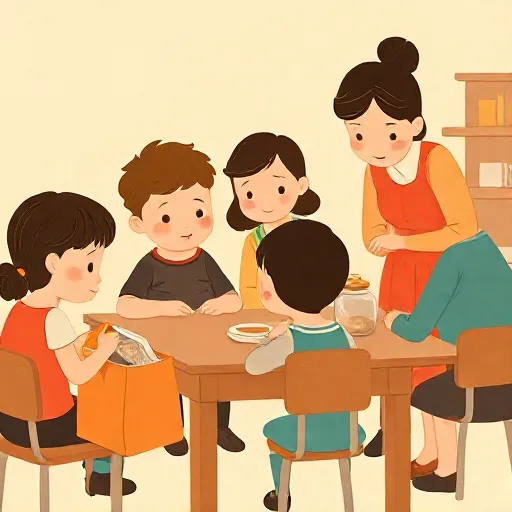
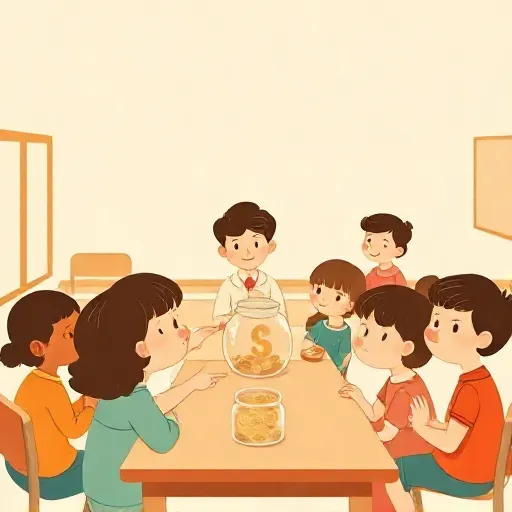
Wednesday morning isn’t going well for Sam. Somebody took the five dollars his mom gave him for lunch. When the teacher hears about it, she puts a jar on her desk and asks everyone to give whatever they can. Marcus raises his hand. “That’s nice and all,” he says, “but why do I have to give my own money? I didn’t take his.”
The classroom splits. Some think helping is kind, but making people help is wrong. Others say Sam didn’t choose to lose his money; it’s only fair that the group steps up. The argument refuses to die down, because it’s not just about five dollars. It’s a miniature version of a huge, real‑world fight about redistribution: moving stuff — money, land, opportunities — from some people to others, usually through government policies.
Politicians, economists, and philosophers clash over whether taking from some and giving to others is stealing or justice. Calling something “redistribution” makes it sound like you’re moving cookies that already have name tags. But who wrote the name tags? That question matters more than the shouting suggests. To see why, we have to unpack what “redistribution” even means.
When a Change in Who Has What Isn’t Fair — Or Is It?

Sometimes people talk about redistribution simply to mean a shift in a pattern of who owns what. An economist might study two years and notice that the richest 20% now have more, while the poorest 20% have less, and call that “redistribution.” This is a purely descriptive sense — no judgment attached. We can call it diachronic redistribution: a change in holdings over time.
Over a decade, Taiwan’s poor families gained more income while the gap between rich and poor shrank. That was diachronic redistribution — a pattern changed. Was that change good or bad? The label doesn’t answer; it just notes the shift. If a policy happens to cause a different pattern, that alone doesn’t make the policy unjust. Every new law, every change in the rules, will shift holdings somehow. Moving from one set of outcomes to another is just what rules do. So calling something “redistribution” in this thin sense adds no moral weight. It’s like saying the weather changed — it might be better or worse, but the fact of change doesn’t settle anything.
The same goes for purposive diachronic redistribution, when officials change rules on purpose to alter a pattern. Imagine a town raises the minimum wage so the lowest‑paid workers earn more. Even if the goal was to shift income, that intention isn’t automatically wrong. After all, changing rules to stop an unfair situation is a purpose, too. Judging the policy still depends on whether people had a rightful claim to the old pattern — not on whether someone wanted to change it.
The Tough Question: Did They Take What Was Yours?
A more charged meaning of redistribution is redistribution as taking: actually grabbing physical goods from some people and giving them to others. Expropriation — when a government seizes a condo and hands it to a different family — is the clearest case. This feels like theft, and often it is. But not always.
Suppose you trace the condo back and learn that the first family had stolen it thirty years earlier, or had broken a clear time‑share agreement and refused to leave. When the authorities take it away and return it to the rightful residents, that’s not really “taking” in the moral sense; it’s restoring a situation that should have existed all along. The important question isn’t that a transfer happened, but whether the initial possession was rightful. The same piece of property can move, and the label “redistribution” will hide whether justice was done or undone.
Now apply that to a national debate. A libertarian philosopher, Robert Nozick (1938–2002), famously said that compulsory taxation is “morally on par with forced labor.” By that he meant that taking your earnings to pay for someone else’s welfare is just as bad as making you work against your will. Many egalitarians reply that, no, there’s a huge difference between seizing someone’s savings and setting tax rates in advance — especially when those taxes stop people from starving.
But notice: both sides are fighting about a baseline. The baseline is the imaginary distribution that counts as “original” or “natural.” If your pretax salary is what you rightfully own, then tax feels like a taking. If the real baseline is your net income — what you’re legally entitled to after the tax system does its work — then no “taking” happened at all. The baseline is not a fact you can read off a pay stub; it’s a moral choice.
Why the Fight About Taxes Hides a Bigger Secret
Now we’re in the middle of the messiest debate: rights‑infringing transfers. According to this idea, redistribution happens whenever the government moves resources in a way that violates true property rights — even if you never held the goods physically. Critics of welfare programs often say that taxing the rich to help the poor is “enforced charity” that infringes people’s right to what they earned.
Philosophers Thomas Nagel (born 1937) and Liam Murphy (born 1958) turn this picture upside down. They argue that pretax income has no special moral status. In a modern economy, your gross salary is just a number; what you actually own is whatever is left after the tax system, which is part of the rules from the beginning. No one “takes” your gross income because you never had a valid claim to it. Designing a tax code isn’t like sneaking into your wallet later; it’s like deciding, before the game starts, that landing on Income Tax square costs you $200. In Monopoly, you don’t wail that the bank “redistributed” your money — you accepted the rule.
When activists call for predistribution — setting up fair economic ground rules in the first place — they’re pointing at exactly this. Instead of arguing about whether to tax the rich after they get rich, they ask: were the rules that let them get so far ahead in the first place just? Maybe so‑called redistribution isn’t a clumsy fix; it’s a way of correcting a baseline that was never neutral.
So when Nozick’s libertarian says taxation is theft, and the egalitarian says it’s a necessary sacrifice, they both agree on one thing: that the free‑market outcome is the natural starting point. But what if the starting point itself is skewed? What if the distribution of land, education, or legal rights has been shaped by centuries of conquest, exclusion, and unfair rules? Then the word “redistribution” smuggles in the assumption that the current pile of stuff belongs fairly to the people who hold it. The real argument should be about what a just initial distribution looks like.
Why This Matters When You Hear About Taxes and Welfare

The next time a family dinner turns to tax cuts or food stamps, you’ll hear the word “redistribution” tossed around. One side will say, “They’re taking your money.” The other side will say, “We need to help people who have less.” Both are acting as if the present arrangement is the obvious, natural starting line.
But now you know to pause. Was Sam’s missing five dollars something the class had to restore — or an unfair burden on kids who kept their money safe? Your answer might depend on whether you think Sam had a fair shot in the first place. If someone stole his cash earlier, pooling money isn’t a handout; it’s undoing a theft.
Philosophers who study distributive justice remind us that “redistribution” is often a trap. It makes us argue about whether the moving van is allowed, instead of asking who should have been in the house to begin with. The label can hide more than it reveals. And the debate that really matters — about what a fair economy looks like — gets buried under a word that sounds simple but isn’t.
Think about it
- If your parents give your sibling a bigger allowance for no reason, and you later ask them to even things out, is that “redistribution” or just correcting an unfair start?
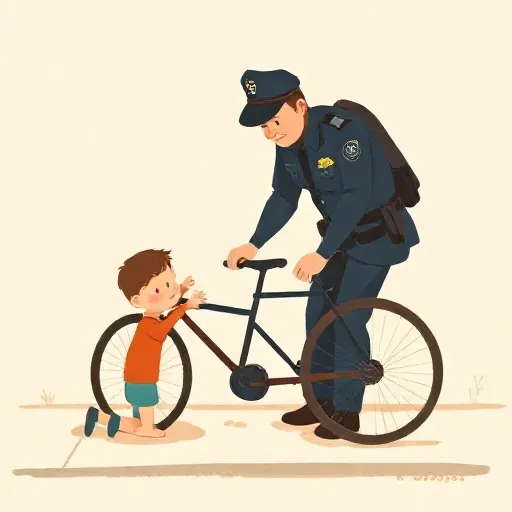
- Someone steals your bike, then the police take it back and return it. Would you call the police action “redistribution”? Why or why not?
- If a country changes its tax rules so everyone pays the same percentage, but some people started with giant inherited advantages, is that arrangement fair? What baseline would you pick to decide fairness?