Should a Ruler Be Good, or Just Powerful? Machiavelli’s Tough Question
A Hard Fall and a Secret Book
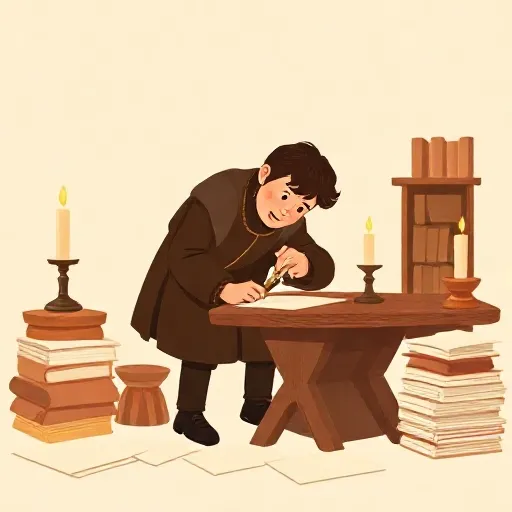
In 1498 Niccolò Machiavelli (1469–1527) became a top diplomat for the Republic of Florence. He spent fourteen years racing around Europe, watching kings, popes, and generals scheme, fight, and betray. Then in 1512 the powerful Medici family stormed back into Florence, crushed the republic, and threw Machiavelli out of office. Worse, he was wrongly suspected of plotting against them, thrown into prison, and tortured for weeks. When he was finally released, he was broken, humiliated, and banished to his family farm.
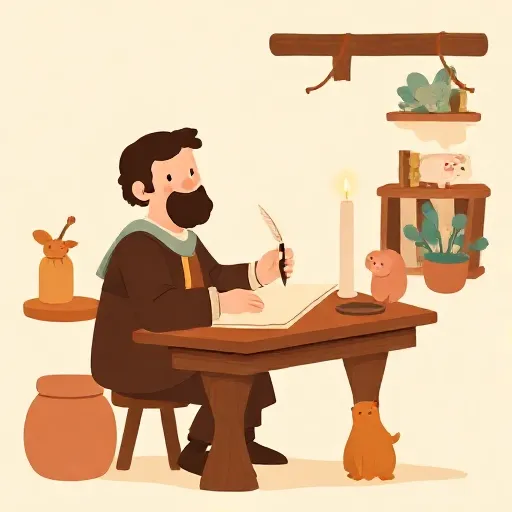
Most people would have given up. Machiavelli began to write. In a few furious months at the end of 1513 he dashed off a short book called The Prince. He hoped it would impress the new Medici rulers and win him a job. Instead, the book became one of the most unsettling works in the history of politics — and it still makes readers squirm today.
The Prince’s Shocking Rule: Power First, Morals Second
Before Machiavelli, most political thinkers had a comforting idea: a good ruler is a good person. If a king was honest, merciful, and faithful, then his power would be safe and his people would obey. The Prince smashed that idea to pieces.
Machiavelli argued that in the real world, moral goodness and power don’t go together. “Whoever has power has the right to command,” he wrote in effect, but being virtuous doesn’t help you get or keep power. The only question that matters in politics is how to maintain your state — your grip on power. Love, loyalty, and fairness are nice, but they won’t stop enemies or rebellious subjects. What really keeps people in line, he said, is fear, backed up by force.
He put it bluntly: people are “ungrateful, disloyal, insincere and deceitful, timid of danger and avid of profit.” Love is a flimsy chain that people break whenever it suits them; fear is a chain held tight by the dread of punishment. That’s why a clever prince relies on fear more than affection. And if you need to use violence or deception to stay in power, so be it. The law itself, Machiavelli thought, doesn’t mean anything unless someone has the weapons to enforce it. In politics, the strong make the rules.
Fortune’s Wild River and the Skill of the Lion

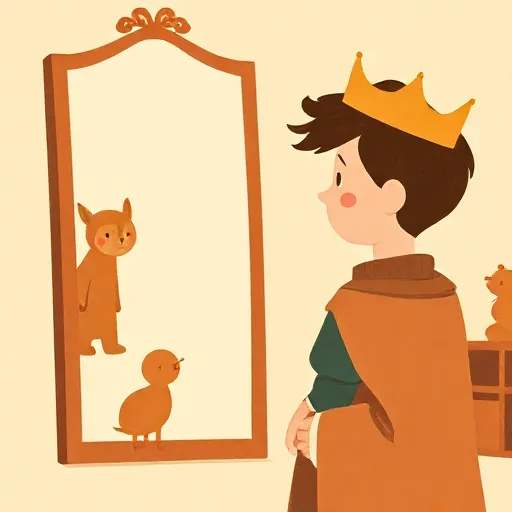
If you’re a prince who can’t count on being loved or being good, what can you count on? Machiavelli’s answer: a special kind of skill he called virtù (veer-TOO). Don’t be fooled by the word — it sounds like “virtue,” but it has nothing to do with being nice. For Machiavelli, virtù is the ability to adapt to whatever happens and do whatever the moment demands, whether that’s being gentle or ferocious, honest or sneaky. The prince with virtù has a “flexible disposition.” He can change from good to evil and back again as fortune and circumstances dictate.
That’s because the prince’s great enemy is Fortuna — fortune, chance, the unpredictable force that can sweep away kingdoms like a raging river. Machiavelli pictured fortune not as a kind goddess but as a destructive flood that flattens trees, drowns plains, and carries off everything in its path. A wise ruler, he said, builds dikes and embankments ahead of time; that is, he prepares so that when fortune strikes he can fight back. And when fortune does come, you can’t be timid. Machiavelli compared fortune to a woman who “lets herself be overcome by men using such methods” — you have to meet her with aggression and nerve, not caution. The prince with virtù knows how to ride the flood and even turn it to his advantage.
Is He a Teacher of Evil, or Just a Realist?
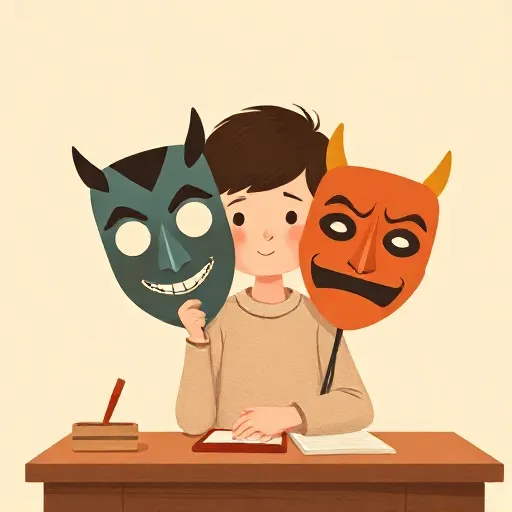
Ever since The Prince began to circulate, people have argued about what Machiavelli really meant. Some called him a “teacher of evil” — a man who deliberately taught princes to be cruel, greedy, and treacherous. To them, his book is a handbook for tyrants. Others took a cooler view: Machiavelli was simply a realist. He wasn’t telling anyone to be wicked; he was just describing how politics actually works, without pretty lies. Morality, they said, has no place in the tough choices leaders face. A third group went even further and suggested that The Prince is a brilliant satire — that Machiavelli was secretly exposing how awful princes can be, not praising them.
The same confusion swirls around his attitude toward religion and Christianity. In his writings, he sometimes sounds deeply skeptical of the Church, which he thought made people soft and unready for civic life. Yet some scholars find that he took Christian ideas like free will and divine providence seriously. It’s hard to pin him down. Machiavelli seems to stand in the doorway between an old world ruled by moral ideals and a new one ruled by hard facts — and he never quite steps all the way through.
The Discourses: A Republic Keeps You Free
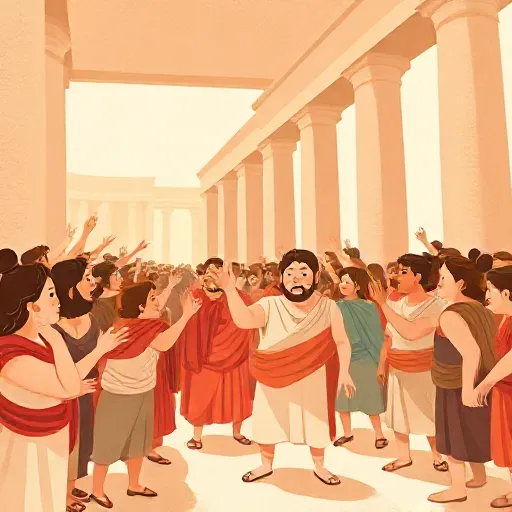
If The Prince is Machiavelli’s most famous book, his Discourses on the First Ten Books of Livy is where his heart may truly lie. Written slowly over several years and also published after his death, it celebrates the ancient Roman Republic — a government with no single ruler, where power was shared and law ruled everyone. Here Machiavelli sounds like a different man.
He introduces a crucial distinction. Some governments aim only at vivere sicuro — the people living securely under a strong hand. A well-run kingdom like France, he says, can give you that: the king is bound by laws, the nobles are checked, and ordinary folk aren’t abused. But such a state deliberately disarms its people, because an armed population might rise up. Security, in this view, makes you passive and powerless.
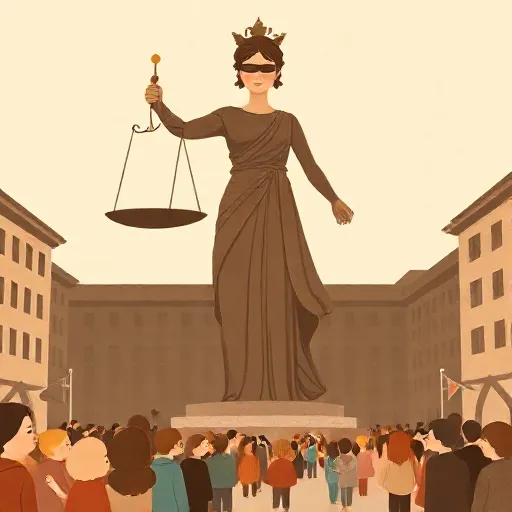
A truly free community, by contrast, aims at vivere libero — living in liberty. In a republic, the people aren’t just safe; they are active. They have weapons, they speak out, and they clash openly. And here’s Machiavelli’s most startling claim: all that noisy conflict between the common people and the rich is actually good. It’s what created Rome’s great laws and fierce love of freedom. “those very tumults that so many inconsiderately condemn” were the engine of Roman greatness. The people, he believed, are wiser and steadier than any prince. When you let them debate and decide, they almost always pick the better course — and if they go astray, a good speaker can persuade them back. A wicked prince can only be stopped with a sword.
Why Machiavelli Still Stares Back at Us
Machiavelli never had to choose between his two books. He kept both and even referred to The Prince inside the Discourses as if they belonged together. Maybe that’s the point: the world needs one-man rule to seize order out of chaos, but it also needs rowdy citizens to keep freedom alive. He leaves us with a tension, not a tidy answer.
That tension is still with us. Every time a leader says “I had to bend the rules to protect the country,” or a student wonders whether being nice will lose an election, Machiavelli’s ghost whispers over our shoulder. Should we admire someone who wins by any means? Can a free society survive without loud arguments and citizen power? The questions feel as urgent on a playground or in a parliament as they did in a Florentine farmhouse in 1513.
Think about it
- If you were leading a team and knew that telling one small lie would keep everyone united, would you do it? Why or why not?
- Can a government that never gives its people weapons or real say in decisions ever be considered free — even if everyone feels safe?
- Imagine a school where students argue openly about every rule. Would that make the school stronger and fairer, or would it just create chaos?