Why Do You Feel Like a Stranger in Your Own Life?
When Your Own Life Feels Distant
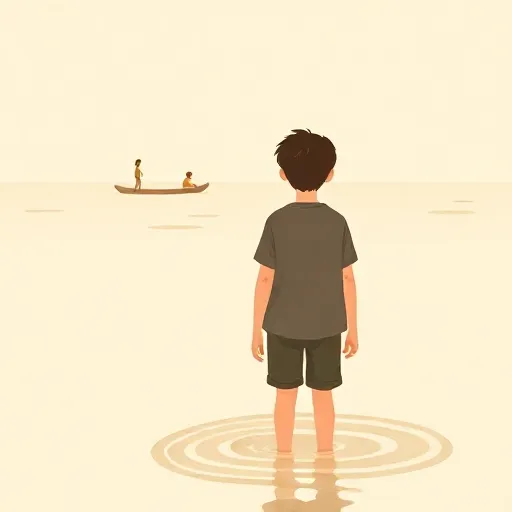
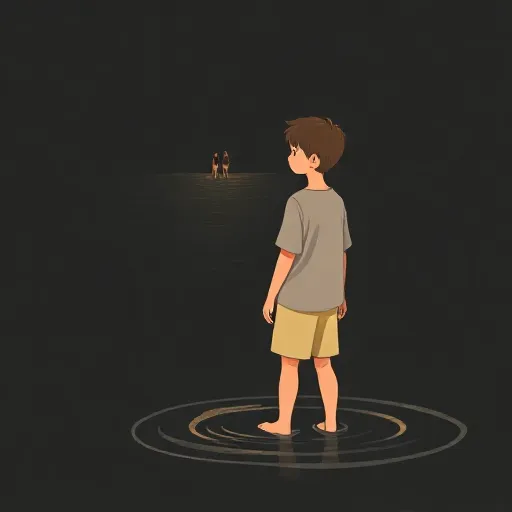
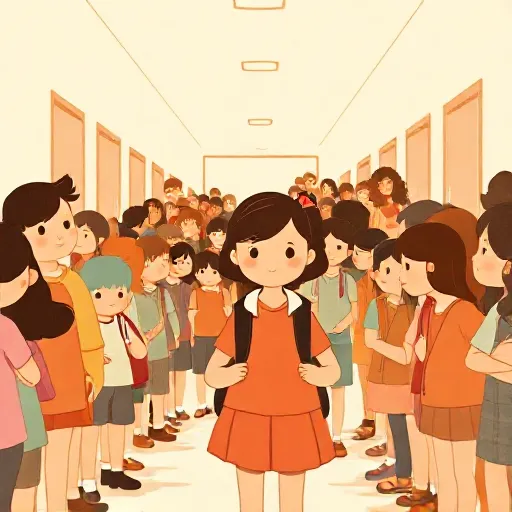
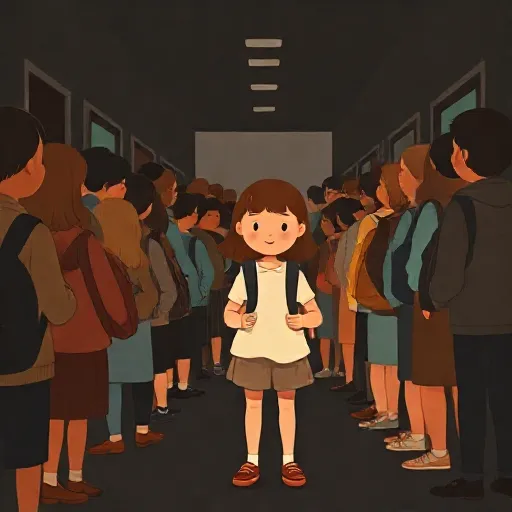
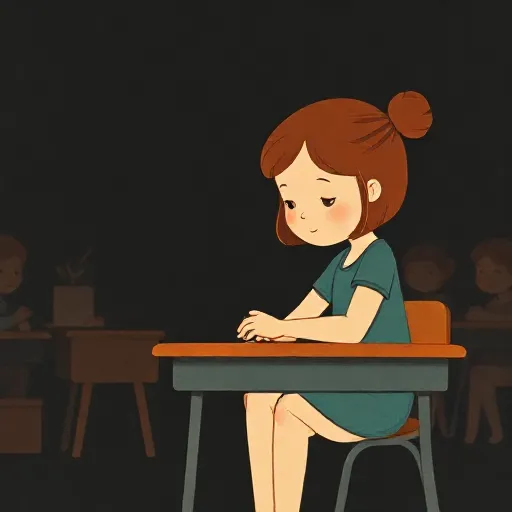
Mia is twelve. She sits at her desk, homework in front of her, but nothing feels right. She moves her pencil and writes the answers, but it doesn’t feel like she is the one doing it. It’s as if she’s watching a movie of someone else solving math problems. The laughter of friends outside the window belongs to a world she can’t reach. She thinks: Am I really living my own life, or am I just following a script?
Philosophers have a word for this kind of experience: alienation. It means a divided, broken relationship between you and something that should be connected to you. The “something” can be other people, the work you do, the natural world, or even yourself. In all cases, alienation involves a problematic separation — a gap that shouldn’t exist because the two sides properly belong together.
The subject in this separation is you: a person (or a group) who is the one feeling or being disconnected. The object is whatever you’re cut off from. Mia feels separated from her own actions, so the object is her own self. You might feel alienated from a friend you’ve grown apart from, from a job that uses you like a machine, or from nature when you spend all day indoors.
Not every separation is a problem. Suppose you discover that you don’t care about the constitutional rules of a faraway island nation. That indifference isn’t alienation; you and that political system don’t belong together in any meaningful way. Even hostility isn’t always alienation. Two Olympic boxers might feel temporary antagonism before a match, but that’s part of the competition, not a broken connection. The separations that count as alienation are the ones that violate a natural or proper harmony — like a puzzle piece that is forced away from the spot where it truly fits.
What Makes a Separation a Problem?
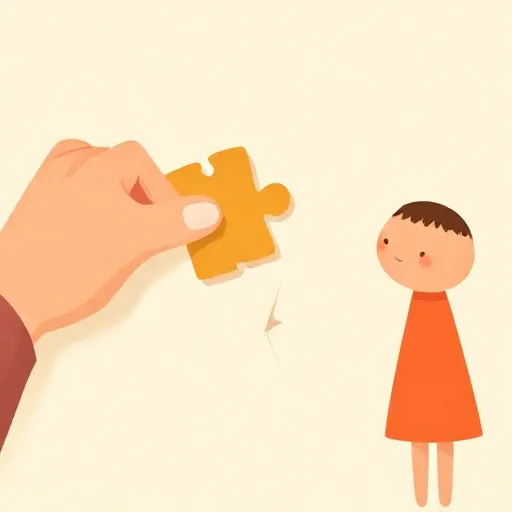
So how do we know when a separation is “problematic”? The key is that the two sides belong together in some important way, and the gap prevents them from being in harmony. Think of a fish and water. They belong together; separating them is life-threatening. Alienation works on a similar principle, though it’s often about human flourishing, not physical survival.
For many thinkers, what makes a separation problematic is that it stops you from developing and using your essential human abilities — what philosophers call self-realization. If work could let you be creative, solve problems, and connect with others, but your actual job is mindless button-pushing with no room for growth, then you’re separated from something you need to become fully yourself. The gap frustrates your nature, and that’s the heart of alienation.
But not everyone agrees on what humans “essentially” need. Some philosophers avoid making strong claims about human nature. They argue that alienation happens when you can’t truly own your actions — when you feel powerless, can’t identify with your roles, or become detached from what once mattered deeply. The disagreement is real, but the intuition is the same: sometimes there’s a crack in your life that shouldn’t be there.
Two Ways to Be a Stranger: Subjective and Objective

Alienation can take two very different forms. Subjective alienation is all about how you feel. You experience a sense of being lost, meaningless, or not at home in the world. If Mia feels like a ghost drifting through her own days, she’s subjectively alienated. The emotion itself is real and important.
But there’s also objective alienation. This kind doesn’t depend on your feelings at all. You can be objectively alienated even if you’re cheerful and content. Objective alienation means that your life situation actually blocks you from self-realization, whether you notice it or not.
Karl Marx (1818–1883) thought that both kinds often existed together in capitalist societies — workers feel miserable, which matches their real situation. But he also recognized a more unsettling possibility: a person might be objectively alienated without feeling a thing. He once described a capitalist (a factory owner) who is cut off from creative, meaningful work, yet feels “at ease” and even “strengthened” by his estranged condition. He has plenty of money and comfort, but his deepest human powers are still lying dormant, unused. Imagine someone who spends all day making viral videos they don’t care about, smiling for the camera, feeling successful — yet never developing their real talent for music. That’s objective alienation, too, hidden under a layer of likes.
Karl Marx and the Factory of Disconnection
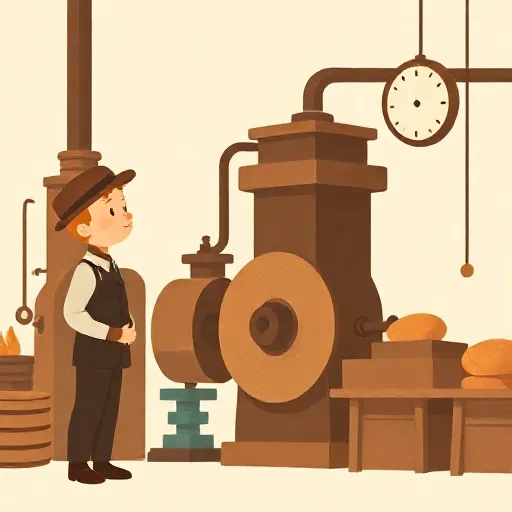
Marx is the philosopher most famous for criticizing alienation, especially in work. He argued that under capitalism, work takes an alienated form that hurts our very humanity. He described alienated labor as having four painful features.
First, the work is forced — you do it because you must earn money to survive, not because you freely choose it. Second, it does not involve self-realization; instead of developing your talents, it often narrows them, turning you into a repetitive cog. Third, your work is not intended to satisfy the needs of others — you’re making products for a market, not for people you care about. Fourth, the work you do is not appropriately appreciated; the person who buys your product has no idea who made it, and your effort goes unnoticed.
Think of assembling the same small part of a sneaker hundreds of times a day, never seeing the finished shoe, never meeting the person who will wear it, and knowing that if you stopped, you’d be hungry. For Marx, this wasn’t just unpleasant; it was a separation from what makes us human — our ability to shape the world freely and creatively together with others.
Marx believed that this kind of alienation was built into the structure of capitalism, not just a result of mean bosses. The whole system, driven by profit and competition, pushes people apart from their work, from each other, and from their own potential.
The Hidden Gift of Feeling Apart
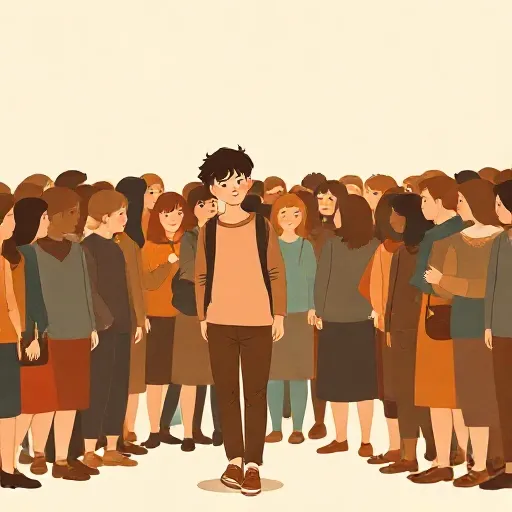
So far, alienation sounds like a disaster. But Marx saw something surprising inside it. He described a three-stage pattern of history, borrowed partly from German philosopher G.W.F. Hegel (1770–1831). In the first stage — pre-capitalist societies — individuals were engulfed by their community. People barely thought of themselves as separate beings; they were defined entirely by their family, clan, or village. There was no loneliness, but also no real individual identity.
The second stage — capitalist society — shattered that engulfment. Now people stood apart from their social roles. They became aware of themselves as individuals with private interests. This produced isolation, competition, and indifference to others: the classic picture of alienation. But it also produced something precious: individuality. For the first time, people could conceive of their own desires and goals, separate from the crowd. Alienation hurt, but it freed them from being swallowed up by the group. Hegel called this process of preserving something and lifting it higher “sublation” — keeping the best while moving forward.
The third stage — which Marx imagined as a future communist society — would combine the best of both. People would remain unique individuals with their own projects, but they would also feel genuinely connected to their community, seeing others’ flourishing as part of their own. In this third stage, the separation is no longer problematic; it’s a healthy independence that coexists with real belonging.
So alienation, in Marx’s eyes, is not purely evil. It breaks a primitive unity, causing pain, but it also births the kind of self-awareness we now take for granted. The challenge is to keep the individuality while healing the disconnection.
Why It Still Matters: Are You the Author of Your Life?

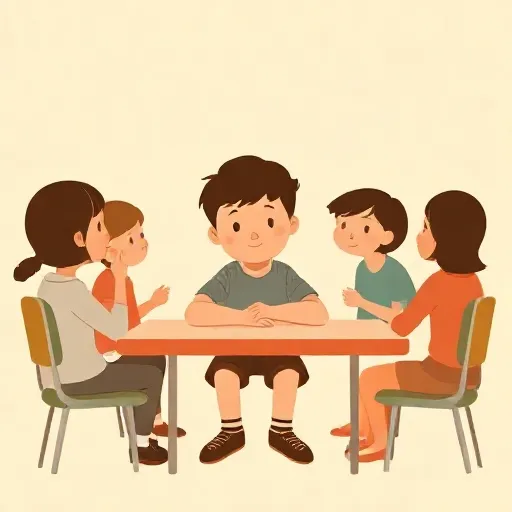
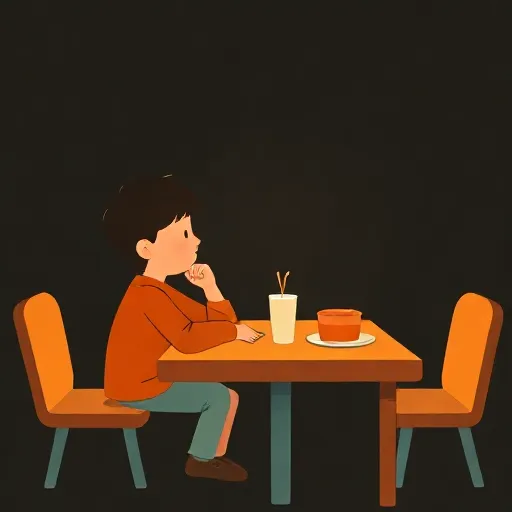
You don’t have to work in a factory to feel alienated today. School can feel like a long series of tasks that someone else decided for you. Social media can make you feel connected to hundreds of people but deeply lonely, scrolling through performances instead of sharing real moments. Maybe you’ve felt like Mia — going through the motions, unsure if your choices are really yours.
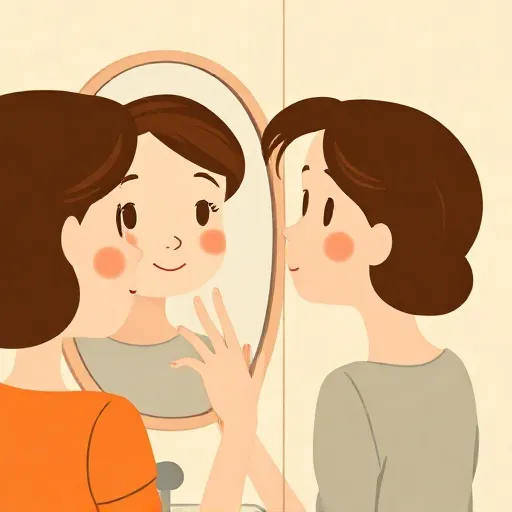
Marx reminds us that this feeling isn’t just “in your head.” It can point to something wrong in the way the world is arranged. But he also reminds us that the sense of being a separate self, even when it aches, is a huge achievement. Figuring out who you are often requires stepping back from the group, even if that feels isolating at first. Maybe alienation isn’t simply an enemy to defeat; sometimes it signals that you are growing into your own person.
The question isn’t just “how do I stop feeling alienated?” It’s “how can I be a true individual without becoming cut off from the people and world I care about?” That’s a puzzle Marx left behind, and it’s one you get to work on every time you decide what matters most to you.
Think about it
- Mia feels like a robot doing homework. Is it possible to feel that way about something you love, like playing a video game, playing music, or playing a sport? Why or why not?
- If a worker is cheerful and loves their repetitive job, are they still alienated? Does it matter how they feel?
- Can you ever fully be an individual without feeling cut off from others? How would you design a world where both are possible?