What Does It Really Mean to Respect Someone?
A Hallway, a Bully, and a Big Question

Maya watched a kid get shoved in the hallway last week. Books hit the linoleum. The bully laughed and walked off, and Maya wanted nothing to do with him. Later, her teacher said everyone deserves respect. Even the bully? That felt impossible. So Maya was stuck with a real philosophical puzzle: What is respect, and who exactly is owed it?
Philosophers have been picking at that same knot for centuries. Some treat respect as a kind of behavior — standing up when a judge enters, or staying quiet during a moment of silence. Others say respect is first an attitude, a way of seeing a person, and the behavior is just the outward signal. Most discussions today take the attitude view as central. And when you start pulling on the thread of that attitude, you find it’s woven from attention, judgment, and a sense that the person has a claim on you that you didn’t choose.
Two Flavors of Respect: The Head-Nod and the High-Five

Philosopher Stephen Darwall (born 1946) drew a line that many others now use. He noticed that when we say “I respect her,” we sometimes mean something very different.
The first kind is recognition respect. This is the basic head-nod you give to a person simply because they are a person. You acknowledge that they have a certain worth, that their feelings and rights set limits on how you can treat them. You don’t have to like them or admire their choices. You just can’t treat them like a doormat.
The second kind is appraisal respect. This is more like a high-five — the respect you earn by doing something well or being admirable. You might have a lot of appraisal respect for a teammate who practices hard, and very little for someone who cheats. Appraisal respect has degrees; you can have more of it for one person than another, and you can lose it.
Most people think we owe recognition respect to every person equally, just for being human. But appraisal respect is something people have to earn. That distinction helps with Maya’s problem: you can give the bully recognition respect (you wouldn’t lock him in a closet) without giving him appraisal respect (you don’t have to think he’s a great guy).
Kant’s Big Idea: You Are Priceless
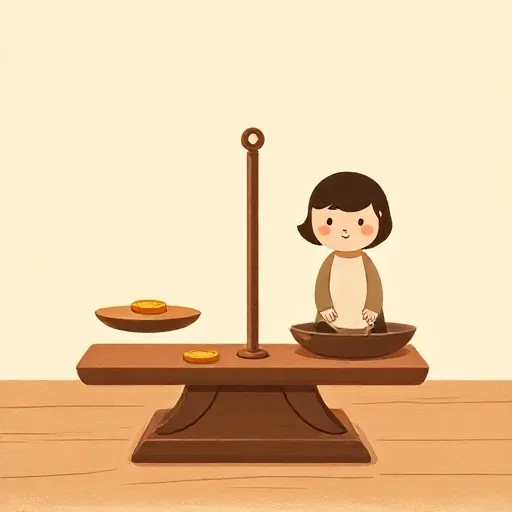
The philosopher who argued hardest for a deep, equal respect owed to all people was Immanuel Kant (1724–1804). In his account, every person has a special kind of worth called dignity. Things can be bought, sold, or replaced — they have a price. But a person can’t be swapped for another person or for any amount of money. That’s dignity.
Where does dignity come from? Kant said: from being a rational being who can set your own goals and choose to follow moral rules. You have a will that isn’t just pushed around by your cravings or fears. Because you can guide yourself by reason, you are an end in yourself, not a tool to be used up for someone else’s benefit.
Kant then gives us a rule — one version of his famous Categorical Imperative — that captures this idea:
Act in such a way that you treat humanity, whether in your own person or the person of any other, never simply as a means but always at the same time as an end.
That sounds formal, but the idea is simple. Using someone is fine — we use the bus driver’s skills, a friend’s help with math — as long as we never treat them merely as tools. You still have to respect that they have their own goals, their own worth, and their own right to say no.
Many philosophers after Kant have added to this picture. Some argue that respect isn’t just about not interfering — it also asks you to protect people’s freedom and help them follow their own reasonable aims.
The Tough Cases: Do Babies, Robots, and Dolphins Count?
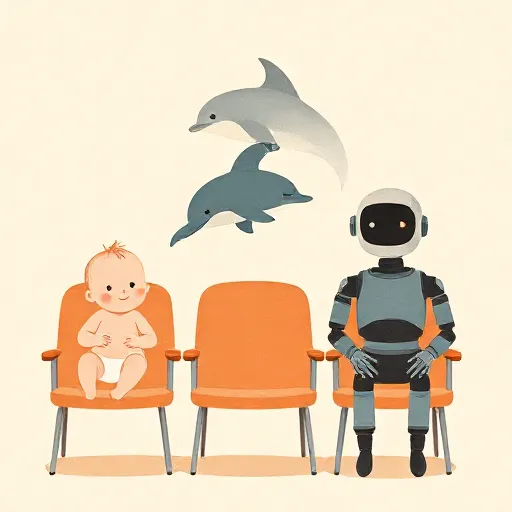
Here’s where it gets messy. Kant tied respect to being a rational person. So what about a newborn baby, or a person in a deep coma? They aren’t reasoning and setting goals yet — or anymore. Does that mean they have no dignity?
Some philosophers say: no, they are still the kind of being that normally has these capacities, or they are part of the human family, and that’s enough. Others bite the bullet and say that if you can’t reason at all, you don’t count as a person in the technical sense, and so you aren’t owed the same kind of recognition respect. That makes people very uncomfortable — and the disagreements haven’t gone away.
Then there’s the flip side. What about beings that can reason but aren’t human? Imagine a highly intelligent android or an extraterrestrial. Many Kantians would say they deserve respect, because it’s not being biologically human that matters. And what about dolphins, apes, or elephants? Some philosophers argue we owe a different, but still real, form of respect to things that aren’t rational agents but can suffer or flourish.
So the scope of who deserves respect isn’t settled. It’s a live debate with real stakes — it affects how we treat people with disabilities, animals, and maybe future AI.
The Mirror Test: Respecting Yourself
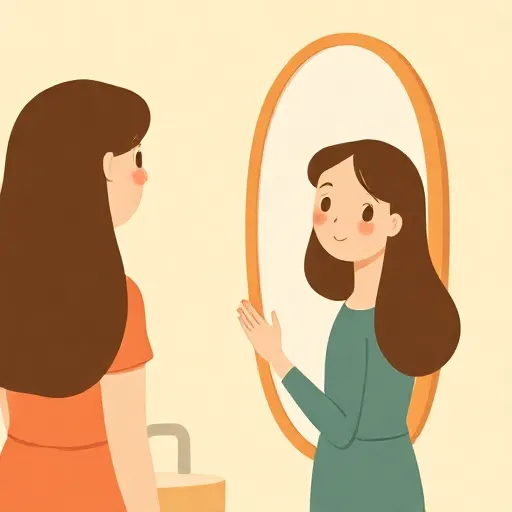
Philosophers also talk a lot about self-respect. If you have it, you see yourself as having dignity, and you expect to be treated accordingly. That doesn’t mean swaggering around like you’re better than everyone — that’s arrogance, and it’s actually a form of disrespect. Self-respect is quieter.
We can borrow the same pair of flavors here. Recognition self-respect is knowing you are a person among equals and refusing to let anyone erase your worth. If someone constantly insults you and you start to believe you deserve it, that recognition self-respect is in danger.
Evaluative self-respect is about whether you measure up to your own standards. You might feel proud because you stood by a friend in trouble, or ashamed because you cheated on a test. This kind of self-respect can rise and fall, and that falling hurts — some philosophers say it’s even worse for a life than losing the respect of others.
The thinker John Rawls (1921–2002) argued that a just society must protect everyone’s self-respect. That means schools, laws, and public statements shouldn’t make any group feel like they matter less. It’s why a constant stream of slurs and stereotypes isn’t just rude — it can eat away at the foundation of a person’s ability to live well.
Kant himself thought we have a direct moral duty to respect ourselves. Lying, degrading ourselves, or selling ourselves short wasn’t just sad — it was wrong, because it disrespected the humanity inside us.
So Why Does Your Answer Matter?

Back to Maya. She decides she can’t give the bully a high-five of appraisal respect — he hasn’t earned it. But she can still give him the head-nod of recognition respect: she won’t humiliate him, spread rumors, or treat him like he’s not human. That’s not being weak. It’s holding a line that, if everyone drew it, would make a school — and the world — a little less cruel.
The big idea of respect runs under nearly everything: how we argue with friends, how schools decide what to punish, how countries write their laws. When you hear “treat everyone with dignity,” you’re hearing Kant’s echo. And when you debate whether a coach should yell at a player or whether a social media pile-on goes too far, you’re doing philosophy without even noticing — you’re drawing the boundary between recognition and appraisal respect in real time.
The debates aren’t over. What kinds of beings deserve respect, and why? Can you lose the right to basic respect forever? Is it okay to favor your own group so long as you don’t actively harm others? These questions keep philosophers busy, and they belong to you now too.
Think about it
-
If someone always puts you down but never physically harms you, are they showing a lack of recognition respect? And if you start to believe them, are you failing to respect yourself?
-
Imagine a future robot that can reason and make moral choices. Should it be protected from being switched off and dismantled, the way a person is protected from harm? Why or why not?
-
Can a society that claims to treat everyone equally still make some groups feel like they matter less? If so, is that injustice, or just hurt feelings?