Is It Really Good Just Because You Like It?
The Ice Cream Test: A Real‑Life Experiment
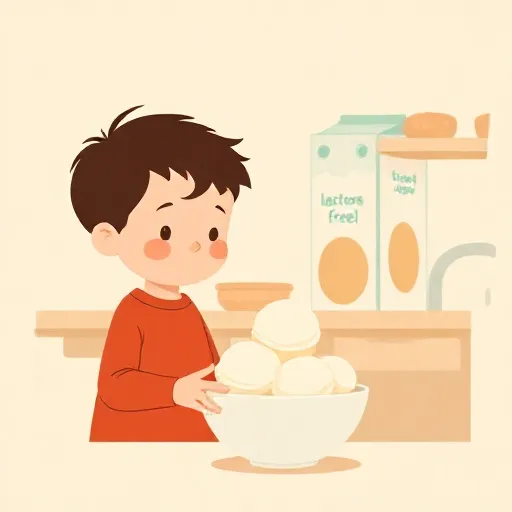
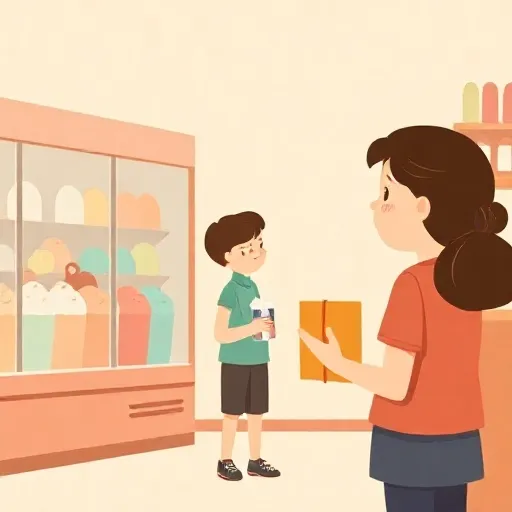
Imagine you’re lactose intolerant. You love ice cream, but after you eat it, your stomach hurts. The craving hits. You open the freezer, and there it is. Do you grab the regular ice cream and hope for the best, or do you hunt for a lactose‑free substitute that tastes almost as good but won’t make you sick?
You’re not just choosing a snack. You’re asking a much bigger question: is the thing I immediately like actually good for me? This exact dilemma — updated a little — was the kind of puzzle that drove the philosophy of John Dewey (1859–1952). Dewey thought most of us live by gut feelings and old habits without ever stopping to figure out what we really value. And he believed there’s a better way: treat your own desires like guesses, and test them.
Impulse, Habit, and Why You Don’t Think About Every Move

Dewey began with a simple idea. Human beings don’t start out with desires or goals. We start with impulses — raw, physical urges to move, grab, cry, look, or push away. A newborn doesn’t suck its thumb because it wants comfort. It just sucks. The movement comes first. The baby later notices that sucking brings food or calm, and only then does it start to do it on purpose. For Dewey, activity is the default. We’re born moving, not resting.
Impulses get shaped into habits. A habit isn’t just something you do often; it’s a pattern of acting that lets you handle the world without thinking. You don’t decide every single finger movement when you tie your shoes — your body knows the routine and just runs it. Habits, Dewey said, are like invisible helpers. They save mental energy. But they have a dark side: they can keep operating long after the reason for them is gone.
Plenty of habits are actually customs — shared group habits that adults pass to children. A culture might decide certain foods are forbidden, and people keep avoiding them for centuries without remembering why. Because habits run beneath your awareness, you can’t just “decide” to change them by willpower alone. You have to understand the causes that keep them in place. That’s where thinking comes in.
Valuing vs. Appraising: What’s Really Worth Wanting?

Dewey split our relationship to the things we care about into two layers. Valuing (he also called it “prizing”) is the first layer. It’s a direct, mostly physical attitude — reaching for, moving toward, or turning away from something. An infant who turns toward a human voice is valuing that sound without any idea of what it’s doing. Even adults value things all the time without thinking: you use a fork at dinner without forming a plan about it. Valuing is immediate liking or disliking.
The second layer is evaluation or appraisal. That’s when you stop and ask: should I value this? This question shows up when the simple road is blocked. The ice cream is gone, or it makes your stomach ache. Now you aren’t just liking or disliking — you’re forming a value judgment. You sketch out possible actions (“buy lactose‑free ice cream,” “take a pill so I can eat regular ice cream,” “just skip it”) and predict how you’ll feel about the results.
A value judgment, Dewey insisted, isn’t a neutral description. It’s a practical tool. Saying “lactose‑free ice cream is better than suffering through regular ice cream” has a point: it guides your next move. And that move can be tested.
Your Values Are Hypotheses — Test Them!
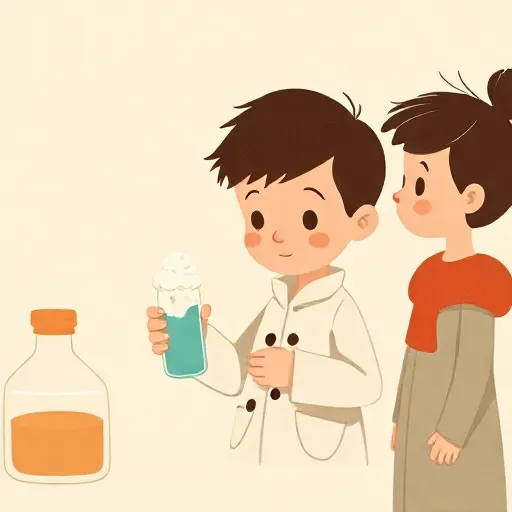
Here’s the radical part. Dewey argued that value judgments work exactly like scientific hypotheses. A scientist doesn’t just claim “this chemical reaction will happen.” She sets up the conditions, runs the experiment, and checks whether the predicted outcome occurs. Likewise, a value judgment is essentially a prediction: “If I do this, the consequences will be valuable to me.” So you test it by doing it and seeing if you really do value the outcome.
This means no value is off‑limits to testing. Even a deep conviction like “kindness is good” isn’t an absolute rule; it’s a hypothesis that has been confirmed so many times across so many situations that we trust it provisionally. But if new circumstances appeared — say, an alien culture where kindness always backfired in a provable, terrible way — we’d have to re‑evaluate. Dewey called this contextualism: a judgment “works” only if it genuinely solves the problem that made you stop and think in the first place. And because situations keep changing, no judgment is ever final.
This drives traditional moralists crazy. Why? Because it means you can’t just hand someone a list of commandments and say “obey.” You have to let them experiment, within reason and with guidance, and learn from the consequences. Dewey believed the greatest danger was not moral uncertainty but moral stagnation — locking yourself into habits that no longer fit the world you actually live in.
Means and Ends: Why Getting There Changes What You Want
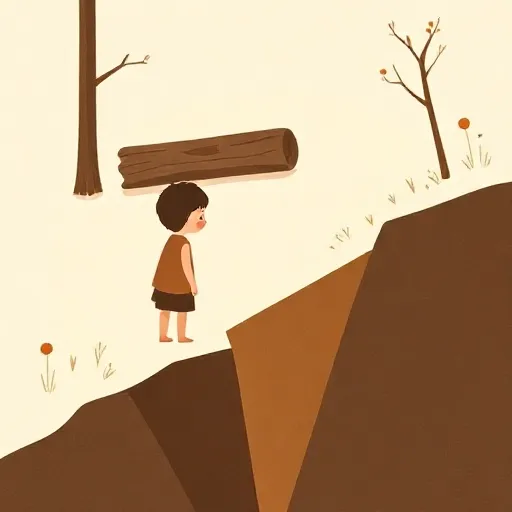
Many people picture decision‑making like this: first, you choose a goal (an end); second, you find the means to reach it. Dewey said that picture is dangerously wrong. Suppose you want to cross a ditch to get to a lake. That end seems fixed. But then you investigate the means. The only log across is narrow and wobbly, and you have terrible balance. You might fall and get badly hurt. Suddenly, getting to the lake doesn’t look so attractive. Moreover, reaching the other side might have its own consequences — a hungry bear waiting in the reeds. Your valuation of the end changes as you learn what the means really cost and what the end will set in motion.
Dewey called this the reciprocal determination of means and ends. Until you work out the path, you don’t fully know what your goal is even worth. Practical reasoning doesn’t just hand you a way to get somewhere; it reshapes what you want. That’s why a real decision is creative. It generates new desires.
Think back to the suit example Dewey gave. A man needs a suit for job interviews. At first, he thinks his values are clear: durability and cheapness matter most. But as he imagines different suits in the interview room, he realizes that style might matter more than he used to think, because the suit is a means to a better salary and a whole different life. The weights he gives to cheapness, style, and durability aren’t fixed; they get re‑invented in the act of choosing. Your tastes themselves — what you find likable in the moment — get transformed by the process of intelligent appraisal.
Why This Still Matters: Democracy as a Shared Experiment
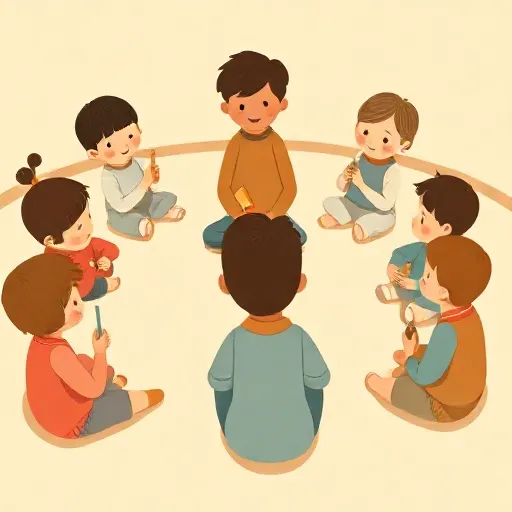
So what? Why should a twelve‑year‑old care about a hundred‑year‑old pragmatist’s ideas? Because Dewey pulled the whole thing into real life. He argued that if value judgments are hypotheses that must be tested, then society needs to be organized to let that testing happen — and the testing has to include everybody.
Traditional rules handed down from authorities fail when the world changes. And the people in charge can’t be trusted to know what’s good for everyone; they’re often isolated from the real needs of others. The solution is democracy understood not just as voting, but as a way of living together in which every person’s complaints, needs, and experiences get taken seriously as evidence. A free press, open classrooms, conversations across economic and cultural lines — these aren’t just nice ideas; they’re the machinery for running the moral experiment.
Dewey put huge stock in education. A good school, he thought, doesn’t fill kids with pre‑packaged answers. It teaches habits of critical inquiry, imagination, and sympathy, so that the next generation can keep revising society’s values without ripping everything apart. The same skill that helps you decide whether lactose‑free ice cream is worth it — pausing, imagining outcomes, listening to your body’s feedback — is the skill that, scaled up, lets communities solve big problems without violence or blind obedience.
Dewey would say your own life is already a laboratory. Every time you act on a desire and notice the ripple of consequences, you’re adding data. The honest, unsentimental habit of checking whether what you liked yesterday is still worth liking today — that’s the engine of moral growth. And it’s a project you share with everyone else, because none of us gets a finished answer.
Think about it
-
Imagine a rule you follow at home or school that everyone accepts without question. If you could secretly test a different rule for a week, what would you try, and how would you judge whether the experiment worked?
-
Can you think of something you used to absolutely love but now feel differently about? Did your change of heart come from new information, or from a change inside you, or both?
-
If every person in your town genuinely wanted to do the right thing but could never agree on what that is, would Dewey’s experimental method be enough to keep the community together?