Do Trees Have Value Even If No One Uses Them?
The Last Person on Earth
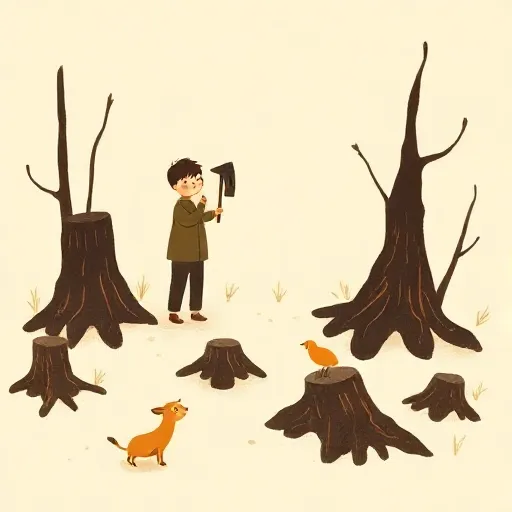
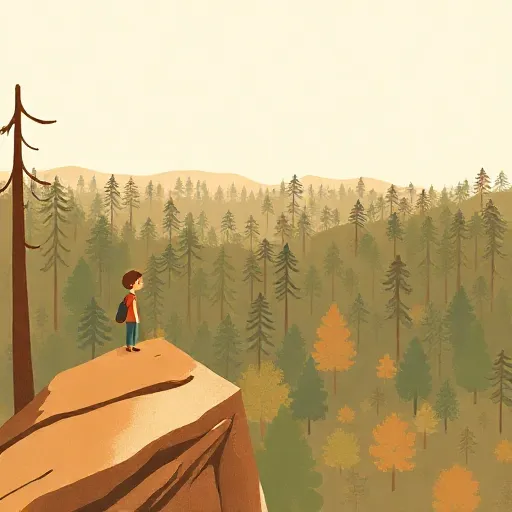
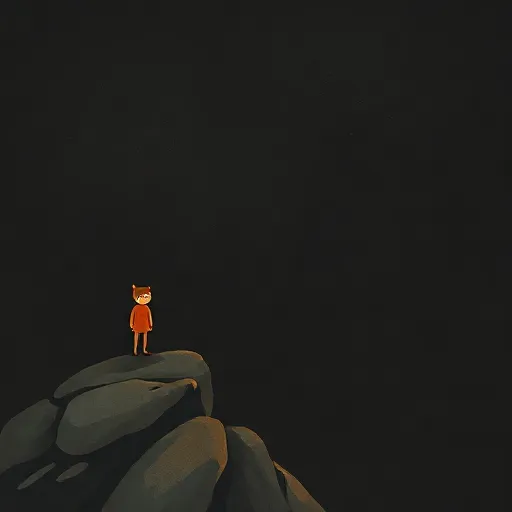
Imagine you are the very last person alive. A disaster has wiped out everyone else. You know you will die soon. Out of curiosity, you decide to spend your final hours destroying every remaining tree, every animal, every river you can reach. Since no other human will ever miss them, have you done anything wrong?
The Australian philosopher Richard Routley (later Sylvan, 1935–1996) used this “last man” thought experiment in the 1970s to challenge a powerful idea: anthropocentrism. Anthropocentrism is the view that only human beings have intrinsic value — value in themselves, independently of being useful to someone else. Things like trees, deer, and rivers have only instrumental value: they are good for something,like providing wood, meat, or drinking water. If humans are gone, the anthropocentrist says, those things have no value left. So the last person does nothing wrong.
But most people, Routley argued, feel a strong moral intuition that the last person would be doing something terrible. That intuition suggests that the trees and animals have some kind of value that does not depend on us. Environmental ethics is the branch of philosophy that asks: do non‑human things matter for their own sake? And if they do, what does that mean for how we should treat them?
The Land Ethic: Thinking Like a Mountain
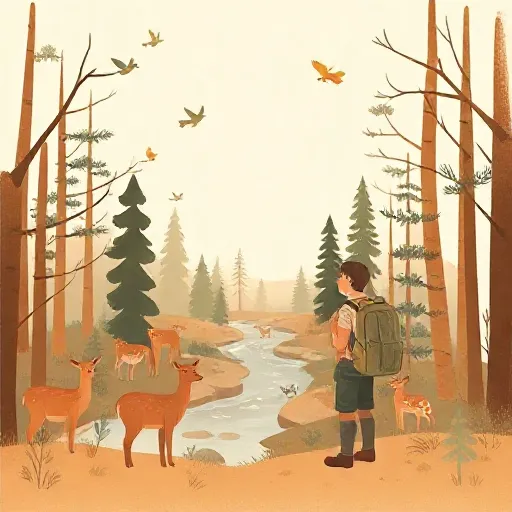
Long before Routley, the American forester and ecologist Aldo Leopold (1887–1948) proposed a radical moral idea. In his book A Sand County Almanac (1949), Leopold argued that ethics must grow beyond human communities. The soil, waters, plants, and animals that make up the land are not just resources — they are members of a biotic community. Leopold wrote: “A thing is right when it tends to preserve the integrity, stability, and beauty of the biotic community. It is wrong when it tends otherwise.”
Leopold’s land ethic shifted moral concern from individuals to the whole living system. Protecting a forest isn’t just about saving each squirrel; it’s about respecting the complex web of connections that makes life possible. Many environmental philosophers found this idea inspiring, but it also raised a worry: if the community is what really matters, could individuals — including human individuals — be sacrificed to protect the whole? That debate became heated in later years, especially when some thinkers argued that humans should sometimes take a back seat to the land.
Deep Ecology: Finding Your Bigger Self
In the early 1970s, Norwegian philosopher Arne Næss (1912–2009) introduced deep ecology. He distinguished it from “shallow” ecology, which fights pollution and resource loss mainly to keep humans healthy and wealthy. Deep ecology goes deeper: it says that all living things have an equal right to live and blossom. Næss called this biospheric egalitarianism.
Næss’s key insight was about the self. He rejected the idea that each person is a separate, atom‑sized ego. Instead, he proposed a “relational total‑field image” in which every organism is a knot in the biospherical net. By identifying with rivers, mountains, and forests, you can expand your sense of self — your ecological Self (with a capital S). To care for a forest then becomes as natural as caring for your own body. Næss himself was a mountaineer who learned from Sherpa guides in the Himalayas, who regarded certain mountains as sacred and refused to climb them.
Deep ecology inspired many, but critics worried. Some feminists argued that “expanding the self” to include nature could still be a form of human arrogance — treating nature as part of me rather than respecting it as an independent other. Others said deep ecology seemed too ready to put the needs of wild nature over the needs of poor human communities. Still, the deep ecology platform became a pluralist movement, drawing on Buddhist, Indigenous, and Christian traditions without insisting on a single philosophy.
Counting All the Costs: Ethics by Numbers or by Rights?
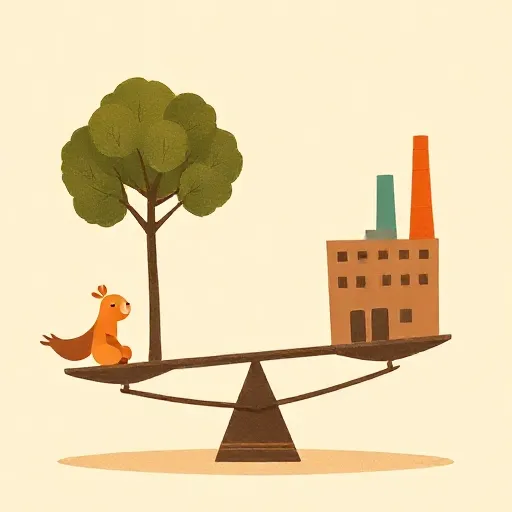
Can traditional ethical theories help us think about the natural world? Two major approaches give different answers.
Consequentialism holds that the right action is the one that produces the best overall consequences — the greatest balance of pleasure over pain, or the satisfaction of interests. The utilitarian Peter Singer (born 1946) argues that we must consider the interests of all sentient beings equally. Sentient beings are those that can feel pleasure and pain. Singer calls it speciesism to give human suffering more weight than the suffering of a dog or a pig, just as racism and sexism unjustly favor one group. However, for utilitarians, things that cannot feel pleasure — like trees, rivers, or whole species — have only instrumental value. If destroying a forest brings huge human benefit, a utilitarian might say that’s the right call.
Deontological ethics starts from duties and rights. The American philosopher Tom Regan (1938–2017) argued that animals who are “subjects‑of‑a‑life” — beings with beliefs, desires, memory, and a sense of the future — have inherent value and a moral right to respectful treatment. Harming them for sport or experiments is simply wrong, regardless of whether anyone benefits. Other thinkers, like Paul Taylor (1923–2015), go further. In his biocentrism, every living thing — plant, insect, bacterium — is a “teleological‑center‑of‑life” with a good of its own. All such beings have equal intrinsic worth, he argued, so we have a duty to protect or promote their good.
But here’s a trouble: saving individual animals sometimes clashes with protecting ecosystems. Culling deer may be needed to stop a fragile habitat from being destroyed. The philosopher J. Baird Callicott (1941–) once defended a holistic land ethic so strong that some called it “environmental fascism” because it could sacrifice individuals for the good of the whole. Later, Callicott revised his view to give some priority to human communities. The tension between caring for individual sentient creatures and caring for the larger whole remains one of the liveliest debates in environmental ethics.
A Future Worth Having: Why It’s About You
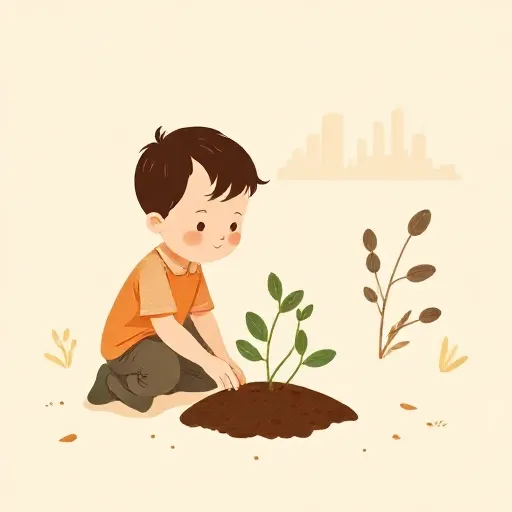
You are not the last person on Earth — but you face a similar question every day. The choices we make about what to buy, how to travel, and what to protect ripple outward to forests, rivers, and the climate. In 1987, a United Nations report defined sustainable development as meeting “the needs of the present without compromising the ability of future generations to meet their own needs.” That idea asks us to think about the value of nature not just now, but for people who aren’t yet born — and for the countless non‑human beings who share the planet.
Philosophers disagree fiercely about whether sustainability should be “weak” (we can replace natural capital with human‑made substitutes, like artificial trees that do the same job) or “strong” (some wild things must be kept untouched because they are irreplaceable). But underneath the economics is that same old question: do rivers, wolves, and redwood forests have worth beyond what they can do for us?
The “last person” thought experiment forces each of us to admit that we might already sense such worth. If you feel a pang at the thought of that final tree being chopped down for no reason, then you’ve already taken a step into environmental ethics. The hard work is figuring out what that feeling demands of us — as citizens, as consumers, and as neighbors to all the other forms of life with whom we share a small and beautiful planet.
Think about it
- If you could save either an entire species of beetle or a single puppy from a fire, which would you choose and why?
- Imagine a mountain could speak. Would what it says deserve the same kind of moral attention as a person’s voice? Why or why not?
- Is it ever okay for humans to drive a species to extinction if doing so lifts millions of people out of poverty? How would you weigh those options?