Can Former Enemies Ever Truly Make Peace?
It Happened in a Church Hall
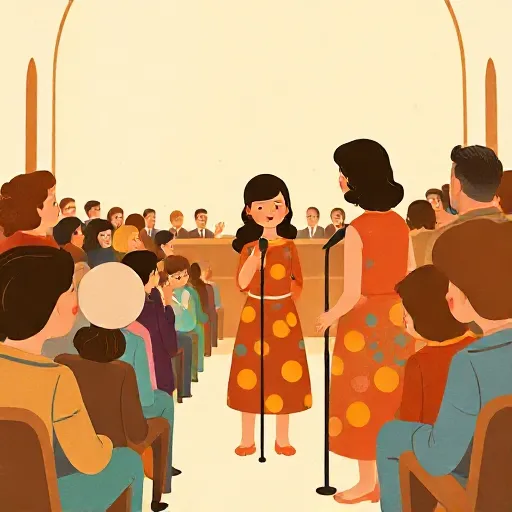
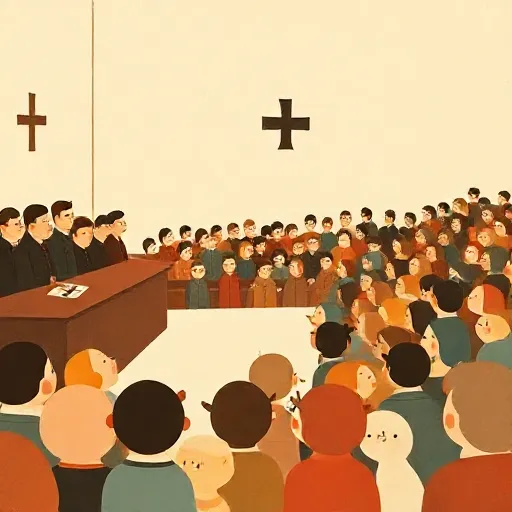
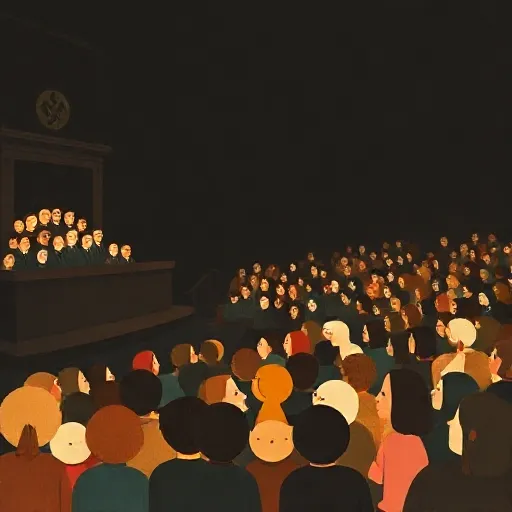
South Africa, 1996. In a packed church hall in a small township, a woman walks slowly to the microphone. She tells a panel of commissioners about the night armed men took her son. The man who gave the order, a former police officer, sits a few rows back, listening. The country is trying to heal after decades of apartheid, a brutal system of racial segregation. But how do you move forward when the past is full of pain?
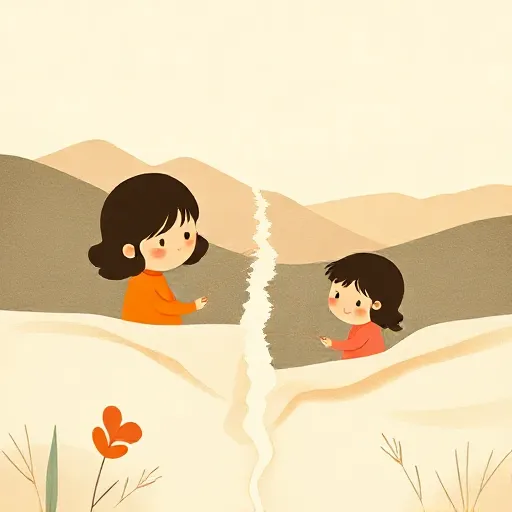
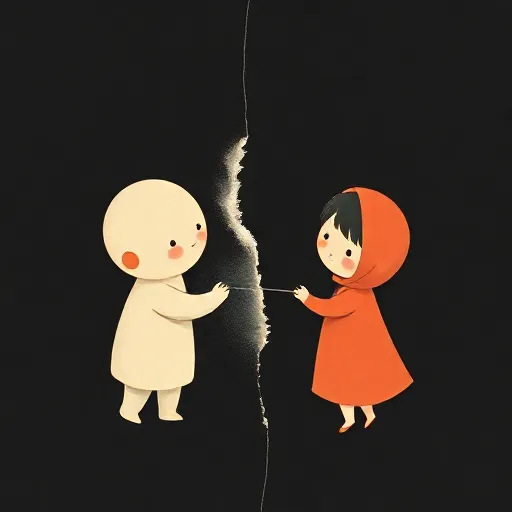
This is the central question behind a philosophical idea called reconciliation. Simply put, reconciliation means improving a relationship that has been damaged by wrongdoing. It can happen between two friends after a fight, between communities after years of hatred, or across an entire nation after a war. But what counts as “improved”? Is it enough that people stop attacking each other? Or do they need to trust, forgive, even love again? Philosophers argue that reconciliation is not a single thing — it’s more like a ladder with many rungs.
At the lowest rung, peaceful coexistence means people simply stop the violence and insults. They can live side by side without fear, but they might still feel anger or stay away from each other. Higher rungs include cooperating again (like working together to run a school or a town), or even rebuilding trust and respect. At the very top are ideas like civic friendship — where former enemies come to see each other as fellow citizens who belong together — or full forgiveness, where victims let go of resentment and may feel goodwill toward those who harmed them.
Because reconciliation can mean so many different things, philosophers call it a scalar idea: it comes in degrees. A country might achieve some form of reconciliation without reaching the very top of the ladder. But this also means every society has to decide: how high do we need to climb?
How Good Do Things Have to Get?
Not everyone agrees on the right goal. Some thinkers, like the political theorist Rajeev Bhargava, warn that aiming too high can backfire. In the aftermath of mass violence — genocide, torture, forced disappearances — simply living without bloodshed is itself a huge achievement. Bhargava argues that insisting on friendship or love asks victims to forget what happened, swallowing their anger while the costs of the past remain unpaid. A “weak” or minimal version of reconciliation might be the best a wounded society can realistically manage, and that’s still valuable.
Others push back. Philosopher Colleen Murphy argues that a minimal picture is too thin. If we call a society “reconciled” merely because the shooting has stopped, we might ignore the deep damage conflict leaves behind. She insists that true political reconciliation demands more: rebuilding laws and institutions, confronting wide-scale injustice, and changing the attitudes that let people treat their neighbors as less than human. That kind of transformation takes generations, not just a signed peace treaty.
The South African debate brought a different standard into the spotlight: the southern African concept of ubuntu. Often summarized by the phrase “a person is a person through other people,” ubuntu says that our humanity is tied up in relationships. Archbishop Desmond Tutu (1931–2021), who chaired South Africa’s Truth and Reconciliation Commission, argued that ubuntu meant the country needed not just peaceful co-existence but genuine reconnection — even forgiveness — between victims and perpetrators. For Tutu, if we are all connected, then hurting another person hurts myself, and healing requires repair of that bond.
Critics ask whether such high standards are fair. Can you demand forgiveness from someone who has been brutally mistreated? And does the push for unity silence groups who feel the only true repair would be a different kind of political arrangement — maybe independence, not integration? These questions remain alive wherever reconciliation is attempted.
The Toolkit of Reconciliation
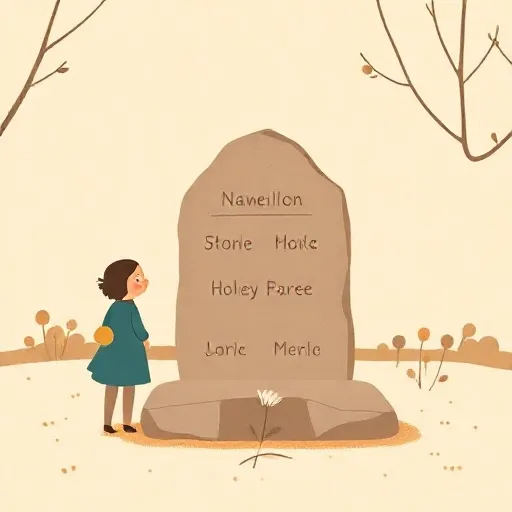
Reconciliation is not just a destination — it’s also a journey made up of many different steps. Philosophers and policymakers often talk about a “toolkit”: apologies, truth telling, memorials, trials, amnesties, reparations, and forgiveness. Each tool is meant to mend some part of a broken relationship, but each also comes with sharp edges.
Apologies. A genuine apology does more than say “mistakes were made.” It admits that a wrong was done, accepts responsibility, and expresses regret. When a leader apologizes for a government’s past crimes, it can signal that things have really changed. But if the apology is vague (“I’m sorry if anyone was offended”) or used as a cheap substitute for giving back stolen land or paying for harm, it can damage trust even further. Critics call this a “politics of distraction” — making people feel better while delivering no real repair.
Truth telling. Many victims and survivors don’t just want revenge; they want to know what happened. Who gave the order? Where is the body buried? Truth commissions are temporary official bodies that investigate patterns of abuse. By giving victims a public voice, they aim to restore a sense of dignity and create an official record that stands against denial. The South African commission, which televised testimony, became a global model. Yet some worry these processes put hidden pressure on victims to forgive when they don’t feel ready. Others question whether public storytelling really heals psychological wounds or just reopens them.
Amnesties — legal protections from prosecution — are especially controversial. They were used in South Africa to persuade perpetrators to confess, but amnesties seem to let terrible acts go unpunished. Defenders argue they can be the only way to stop a war or get information that families desperately need. Opponents say they send the message that the powerful can escape justice, and that anger left to simmer may explode later.
Forgiveness is perhaps the most debated tool of all. Some thinkers see forgiveness mainly as a change in a victim’s feelings: letting go of resentment and perhaps wishing the wrongdoer well. Others define it as an action — giving up the right to demand punishment or even to remind the person of what they did. If forgiveness means the second, a reconciled society might come at the cost of justice: victims are asked to release their claims in exchange for peace. If forgiveness is the first, it’s possible to forgive someone while still demanding they face consequences. Philosophers also ask: can a group even forgive in the first place? If a victim has died, does anyone have the standing to forgive on their behalf? These puzzles show why the link between forgiveness and reconciliation is so tangled.
Does Peace Mean Letting Bad People Off the Hook?
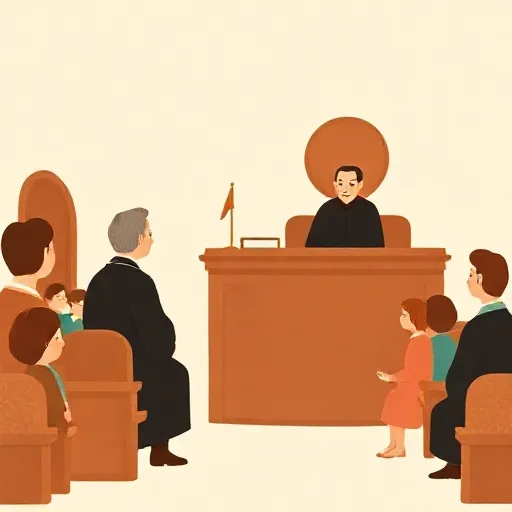
One of the fiercest debates swirls around a single question: does reconciliation require us to sacrifice justice? To many people, justice means retributive justice — the idea that those who cause terrible harm deserve to suffer in proportion to what they’ve done. On this view, if you grant amnesty to a killer or a torturer to promote peace, you’ve traded away justice unfairly. The wrong remains unpaid, the victim’s dignity unaffirmed, and the rule of law is weakened. From this angle, reconciliation can look like a shameful bargain.
But another school of thought turns this picture upside down. Its proponents argue that justice is about repairing relationships, not just balancing pain with pain. This is called restorative justice. Desmond Tutu repeatedly made this case: the question is not “how do we inflict enough suffering on wrongdoers?” but “how do we restore broken bonds — between victims and wrongdoers, between both of them and the community?” Restorative justice puts victims’ needs for recognition, safety, and reparation first. It often includes truth telling, apology, and compensation rather than prison. For these thinkers, reconciliation is justice, not an alternative to it.
Some philosophers take a middle path. They see justice and reconciliation as distinct values that sometimes pull in different directions and sometimes support each other. A criminal trial, for instance, can both punish a wrongdoer and help victims regain a sense of their equal standing — so it serves justice and reconciliation at once. But a society might have to choose: a truth commission might advance reconciliation more, while trials advance retributive justice more. The key, many argue, is that no one value should automatically drown out the other. Hard choices are inevitable.
Even when reconciliation is pursued, the shadow of justice remains. If reparations are offered not because victims deserve them but only to make future cooperation easier, some victims feel insulted. It’s as if someone says, “Here’s some money, now let’s all get along” — without acknowledging the real debt. This tension ensures the connection between reconciliation and justice will never be simple.
From Nations to Next-Door Friends
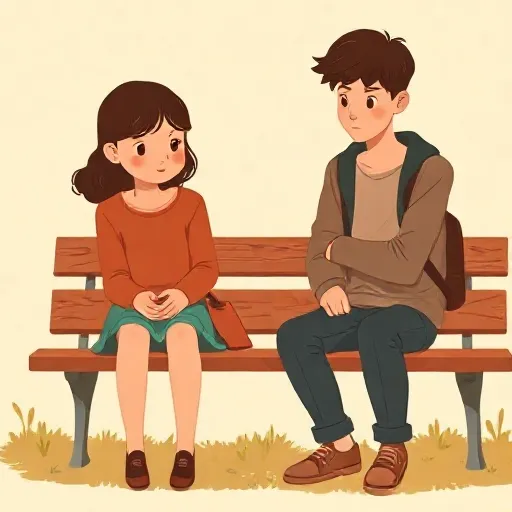
No matter where you live, you’ve probably faced your own version of this puzzle. Maybe a friend betrayed a secret, a sibling broke something precious, or someone in your class spread a rumor. How do you fix a relationship after trust is damaged? Do you demand an apology first, or try to forgive without one? If the person says sorry, can you still be angry without ruining the chance for peace?
These everyday struggles mirror the big questions about reconciliation between nations and communities. The same philosophical tools apply: Is a mumbled “sorry” enough, or do you need to really talk about what happened? Can you forgive while still expecting the person to make things right? And if the wrongdoing has changed how you feel about someone forever, does that mean you must stop fighting for better treatment? The South African commission showed that even after the worst crimes, people can face each other and try to build something new — but it also showed that this work is messy, slow, and often incomplete.
The debates are not just academic. They shape whether families heal, whether classrooms stay fractured, and whether countries can rise from the ashes without just burying their pain. Reconciliation isn’t a magic spell — it’s a set of difficult choices about truth, justice, and what we owe each other when things have gone terribly wrong.
Think about it
- If someone bullies you and later apologizes sincerely, can you forgive them while still wanting the school to give them a detention? Or does full forgiveness mean you must give up all demands for punishment?
- Some say that “letting go of anger is good for you” — so forgiveness helps the forgiver more than the wrongdoer. Do you think forgiveness is mainly a gift you give yourself, or a gift you give the other person?
- A war-torn country decides to grant amnesty to soldiers who committed terrible acts, in exchange for an end to the fighting. Is that fair to the victims? Could there be a situation where such a deal is the right thing to do, or does it always betray justice?