
Is the Only Job of a Company to Make Money?
The Pill That Made No Money

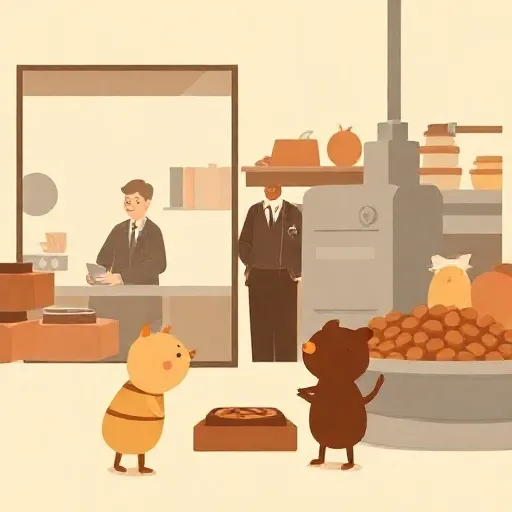
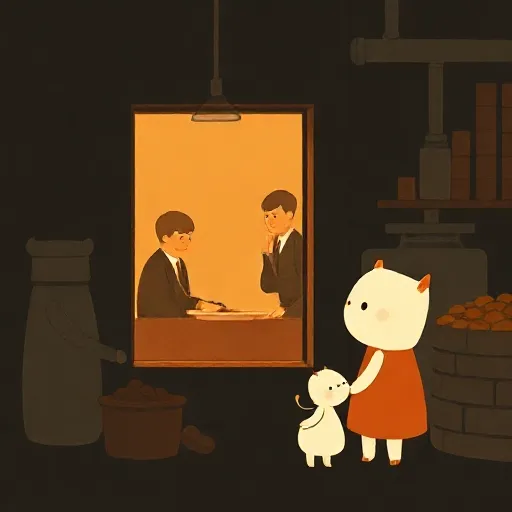
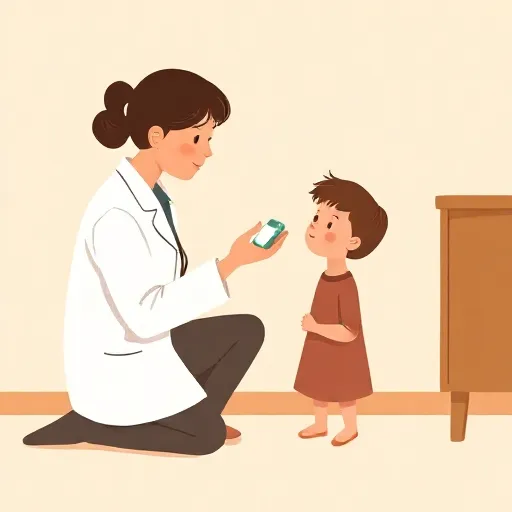
In the late 1970s, researchers at the drug company Merck discovered something extraordinary. A medicine they were developing for farm animals might also cure river blindness, a terrible disease that caused itching, severe pain, and eventually blindness in millions of people in Africa and South America. But there was a problem: the people who needed the drug were too poor to pay for it. Developing the medicine would cost hundreds of millions of dollars, and Merck would almost certainly never earn any profit from it.
Most businesses exist to make money. Why would one spend a fortune on something that wouldn’t bring a single cent back? Yet Merck decided to develop the drug anyway — and give it away for free. To this day, the company continues to manufacture and distribute the medicine, working with aid groups to reach those in need.
Merck’s choice is not just a story about generosity. It drives right into the heart of a huge philosophical debate: What do businesses really owe the world? Are they just money-makers for their owners, or do they have bigger duties to workers, customers, and communities? This question shapes everything from the ads you see to the products on store shelves. Let’s explore the two big answers.
Two Big Ideas About What Businesses Should Do
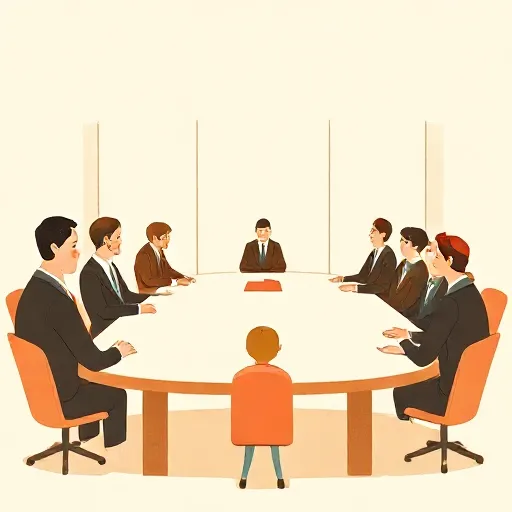
When you buy a stock, you become a part-owner, or a shareholder, of that company. One powerful idea says that a company’s only real job is to serve its shareholders — by making as much money for them as possible. This view is called shareholder primacy. The economist Milton Friedman (1912–2006) gave it a famous defense in 1970. He argued that shareholders own the company, and they hire managers to run it. Those managers make a promise to work in the shareholders’ interests. So using company money for other purposes, like charity, breaks that promise. It’s like borrowing your friend’s bike to deliver newspapers, then stopping to hand out free snacks instead. That might be kind, but you’re spending their time and energy on something they didn’t agree to.
Supporters also say that focusing on one clear goal — profit — makes companies efficient. If a manager has to juggle ten different goals, she might do a poor job on all of them, or even use the confusion to help herself. A single target, they claim, keeps everyone honest.
But many philosophers push back. In the 1980s, R. Edward Freeman (b. 1951) proposed a rival idea called stakeholder theory. A stakeholder is anyone who has a “stake,” or an important interest, in what the company does: shareholders, yes, but also employees, customers, suppliers, and the local community. Freeman said managers should try to balance the interests of all these groups, not just favor the shareholders. If a factory closing would devastate a town, that matters. If workers need fair pay and safe conditions, that matters too.
Critics complain that stakeholder theory is too vague. Who exactly counts as a stakeholder — do competitors or the government also get a say? And what does it mean to “balance” everyone’s interests? Without a clear answer, managers might just do whatever they want. Some now say stakeholder thinking is less a strict theory and more a mindset, a way of seeing a company as woven into a web of relationships, not a profit machine alone. The debate remains wide open.
Can a Company Be a Person?
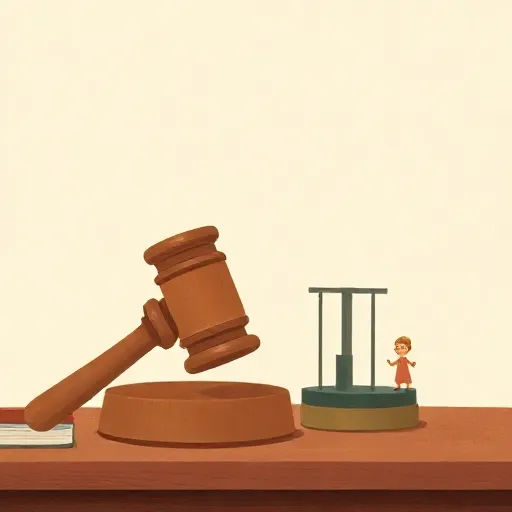
If a company has duties, does that mean the company itself is something like a person — a being that can be held responsible for its actions? You’ve probably heard people say things like “OilCo polluted the ocean” or “That store treats its employees well.” But are those just shortcuts for talking about the human beings inside the business?
The philosopher Peter French stirred up this debate in the 1970s and 80s. He argued that large companies really are moral agents — they can act intentionally, make decisions, and cause things to happen, even though they aren’t walking, talking humans. A corporation has an internal decision-making structure, like a brain made of committees, policies, and voting procedures. Through that structure, the company itself can choose a course of action and be praised or blamed for it.
Other thinkers push back. A company doesn’t have a mind that can form genuine beliefs and desires, and it can’t feel guilt, shame, or remorse the way a person can. If we punish a company with fines, that punishment lands on everyone inside — including workers who did nothing wrong and lower-level employees who lost their jobs. Maybe it’s more accurate to blame specific individuals, not the whole firm.
Why does this question matter? If a company like BP causes an environmental disaster, we want to know who to hold responsible. If the corporation itself is an agent, we can blame it directly and push it to change. If it’s just a name for a collection of people, maybe we should only go after the executives. This puzzle about corporate moral agency reminds us that asking what companies owe also requires figuring out who or what actually bears those duties.
When Ads Target Kids: A Line You Shouldn’t Cross
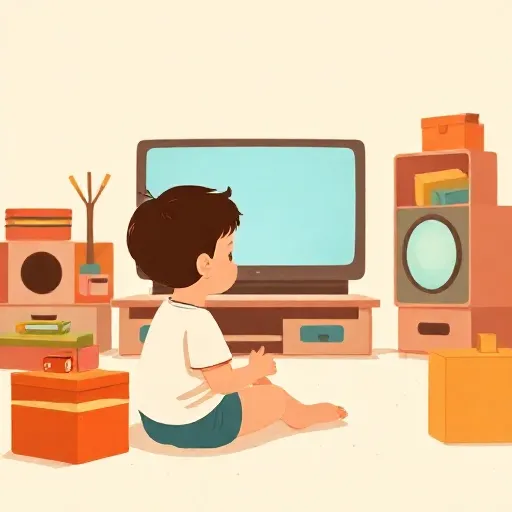
Even if you believe a company’s main job is to make a profit, you probably agree there are moral lines it shouldn’t cross. One clear example is advertising aimed at children.
Many businesses argue that ads help the economy by informing people about products. If you know what’s available, you can make better choices. But children are different. The philosopher Lynn Sharp Paine and her co-authors point out that kids lack the full capacity to make wise consumer decisions. They don’t yet have the experience to understand that an advertisement is designed to persuade, often by appealing to emotions rather than facts. When a cereal commercial uses a cartoon character to make a sugary breakfast seem magically fun, a young child might not realize it’s just a sales pitch.
Because children can’t protect themselves from this kind of persuasion, many ethicists say targeting them is a form of exploitation — taking advantage of someone’s vulnerability for your own gain. You don’t have to be against capitalism to think that’s wrong. This example reveals that business ethics isn’t just a fight between shareholder and stakeholder camps. It’s also about discovering the moral constraints that apply to any business, no matter what its main goal is. Deception, manipulation, and harming those who can’t consent are limits that even a profit-focused company ought to respect.
Why This All Matters to You
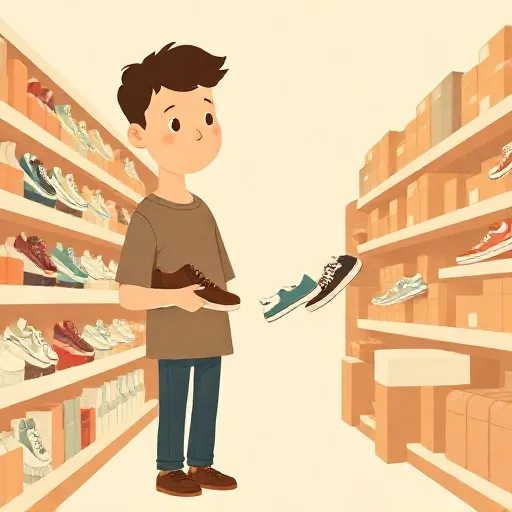
You might think these huge questions about companies and their duties are just for CEOs and philosophers. But they touch your life every day. When you save up to buy a pair of sneakers, you might check whether the brand treats its factory workers well. When you see an ad on your phone, you might ask whether it’s trying to inform you or manipulate you. And someday, you might work at a company — or even start one. Then you’ll face the same decision Merck did: Is it ever right to spend resources on people who will never pay you back?
The disagreement between shareholder primacy and stakeholder theory isn’t solved. Some people believe that if every company focuses only on profit, the world actually becomes more efficient and everyone benefits indirectly. Others think that’s not enough — a company has a duty to actively help the communities it touches. Both sides offer serious arguments, and reasonable people can disagree. The arguments you’ve read here — about promises, efficiency, vulnerability, and what makes a company a real “agent” — are the very tools philosophers use to chip away at these questions.
So next time you hear about a business doing something great, or something awful, you’ll be able to look beyond the headlines. You’ll see a philosophical struggle playing out in real time. And you’ll know that the answer to “What do companies owe us?” is still being written.
Think about it
- If you were the boss of a big company, would you ever choose to spend money helping strangers even if it meant earning less for your shareholders? Why or why not?
- Should a company be allowed to advertise sugary snacks to young kids if the ads are legal, even though parents would rather their children not see them? Where would you draw the line?
- Imagine your favorite clothing brand pays its overseas workers very little, but that keeps prices low for you. Would you keep buying from them, or try to find a different brand? What would help you decide?