Is It Gratitude or Just Feeling Glad? The Hidden Difference
Two Kinds of “Thank You”—Is It Just Gladness?

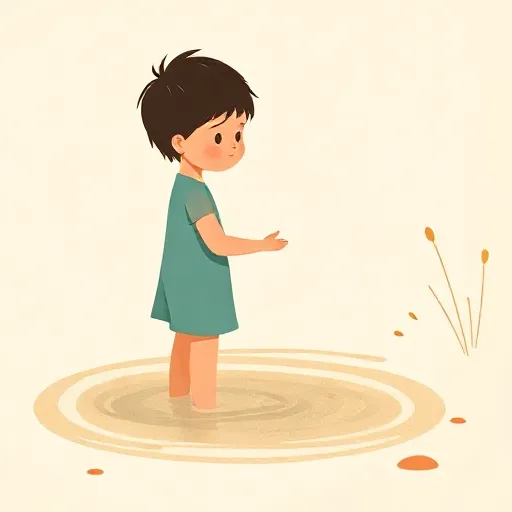
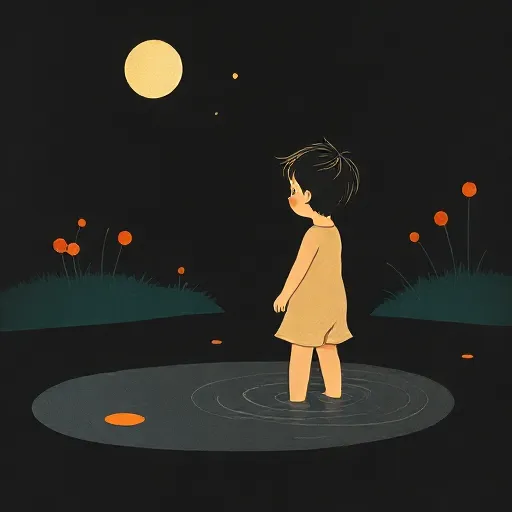
Imagine you’re at a birthday party. Just as the cake appears, a heavy storm rolls in—but it passes without a drop. You think, “I’m so grateful it didn’t rain!” A few days later, you trip and fall into a shallow pond. A stranger wades in, pulls you out, and hands you a towel. You say, “I’m so grateful to you!” Are those two feelings the same?
In the last few decades, philosophers have pointed out a crucial difference. When you say “I’m grateful that…,” you are just describing propositional gratitude—being glad that some good state of affairs happened. When you say “I’m grateful to someone for doing something,” you are expressing prepositional gratitude, a three-way relationship between you, a benefactor, and what they did. The first is about luck; the second is about people.
Tony Manela, a philosopher writing in the 21st century, gave the two types clear names. Most philosophers now agree that when we talk about real gratitude, we mean the interpersonal, prepositional kind. Saying “I’m grateful my cancer went into remission” is really just saying “I’m glad and appreciate my extra life.” But saying “I’m grateful to the doctor who saved me” goes further—it involves wanting her to do well and a feeling that you should help her someday if she needs it. True gratitude is a response to someone’s trying to benefit you.
When Do You Really Owe Gratitude?
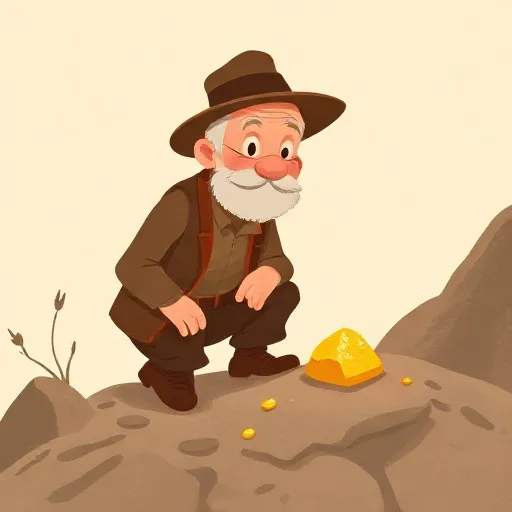
Philosophers debate exactly when gratitude is called for. At a minimum, most agree the benefactor must be an agent—someone who can act on purpose. You can’t ordinarily be grateful to a storm for changing direction; you’re just glad it did. Yet Sean McAleer (21st century) asked us to imagine a prospector who thanks a mountain for giving up its gold. Could that be genuine gratitude? Many reply that the prospector is really just anthropomorphizing—pretending the mountain has a mind. Manela argues the prospector would be more accurate saying he’s glad he found gold.
Karen Bardsley (21st century) pushed back. She proposed that gratitude can be appropriate toward natural things, like an ecosystem, when two conditions are met: the benefit was undeserved and it didn’t come from some regrettable feature of the thing. Manela disagreed, suggesting that appreciation and praise might fit those cases, but not gratitude unless the natural object showed genuine agency—like a dolphin rescuing a swimmer.
Another hot topic is intention. Most philosophers hold that you owe gratitude only when the benefactor intentionally tried to benefit you. If someone bumps you on the sidewalk and accidentally shoves you out of the path of a falling brick, you might be glad, but you don’t owe that person gratitude. The Chinese government’s persecution of the Dalai Lama made him stronger, but philosophers like Manela say he can appreciate the opportunity without being grateful to his persecutors—he shouldn’t thank them for “providing” it. The intention behind the act matters.
What Does a Grateful Person Do, Feel, and Think?
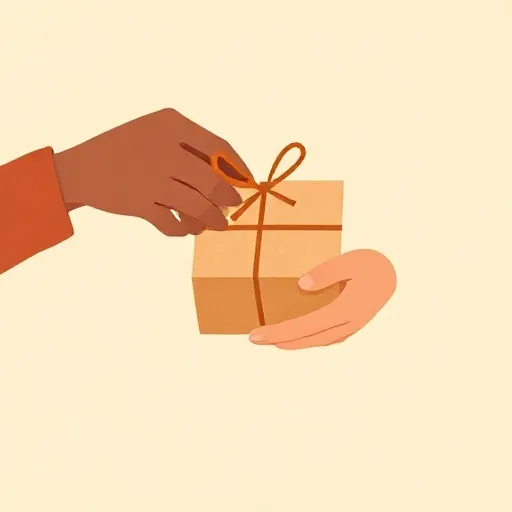
Gratitude is a whole package of responses. First come cognitive elements: you must believe someone helped you and remember it. The Roman philosopher Seneca (c. 4 BCE–65 CE) went so far as to say forgetting a benefit is the worst kind of ingratitude.
Then there are affective elements—your feelings. Grateful people feel goodwill: they wish a benefactor well, are pleased when things go well for her, and troubled when she suffers. Gratitude also calls for the absence of resentment; if you start envying your benefactor’s good deed, you slip into affective ingratitude.
The communicative element means saying thank you genuinely. Sincerity matters, though some philosophers think that even if you don’t yet feel grateful, making a sincere commitment to develop those feelings can count.
Finally, conative elements involve your actions and tendencies. A grateful person is inclined to reciprocate—to return the favor or help the benefactor later—and practices grateful nonmaleficence, a special disinclination to harm her. Seneca noted that even accepting a gift respectfully and using it as the giver hoped is part of gratitude. If you accept a rare book and immediately toss it in the trash, you show ingratitude, not just rudeness.
Philosophers also distinguish degrees: sub-gratitude means having the right responses too weakly, while anti-gratitude means having the exact opposite—resenting the benefactor or wanting to harm her. On the other end, overgratitude is servility, feeling excessive obligation or praise when none is deserved.
Can Gratitude Be a Duty?

Is there an obligation to be grateful? Most philosophers agree you can’t be forced to feel grateful any more than you can be forced to find a joke funny. You don’t have direct control over your feelings or beliefs. But what about actions? Thanking someone, returning a favor, or at least not harming a benefactor—those seem within your control. The metaphor of a debt of gratitude suggests you owe something back, like a loan you should repay.
Obligation skeptics reply that gratitude comes with too much latitude. You get to choose when and how to return a favor; that’s not like a strict promise you must keep by a specific date. Yet some situations seem different. If a benefactor asks for reasonable help in an emergency, refusing might feel clearly wrong. Terrance McConnell (20th–21st century) argued that certain grateful acts, like not intentionally driving a benefactor’s business into the ground, can be strict obligations.
Immanuel Kant (1724–1804) worried that accepting favors creates an eternal imbalance—the benefactor acted freely, and your thanks will always be a mere reaction, so you should be wary of gifts. But Claudia Card (1940–2015) offered a more hopeful picture: when someone does you a favor, she’s treating you like a trustee—someone worthy of confidence. The obligation isn’t a shameful debt; it’s an honor, a sign that the benefactor believes you’ll do right by them.
Do We Owe Our Country Gratitude?
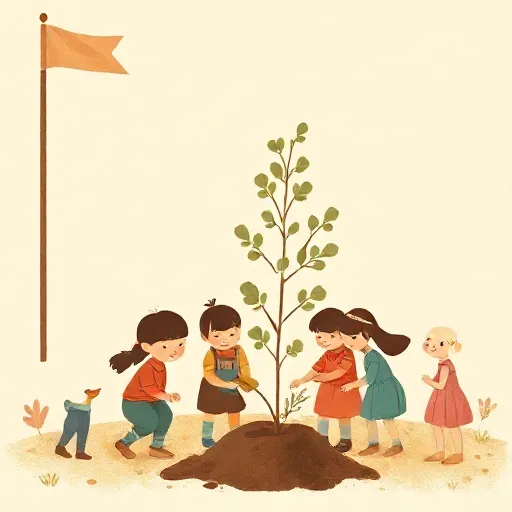
One place where this debate gets very practical is political obligation. The argument from gratitude runs like this: the state gives you benefits—safe streets, public schools, parks, clean water. So you owe it gratitude. Part of that gratitude is not harming the state, and disobeying its laws harms it. Therefore, you have an obligation to obey the law.
Each step has been challenged. Can you owe gratitude to a government that forces you to pay taxes for those benefits? Does the state act with the right kind of intention, or is it more like a machine? And does disobeying an unjust law really harm the state—or might it improve it by hastening the law’s removal?
Because of these worries, many philosophers now hold a weaker view: some subjects who have been treated fairly might owe the state certain civic duties—like voting, volunteering, or not committing treason—but not necessarily a duty to follow every decree. The link between gratitude and political obedience remains a live question.
Why This Matters Every Time You Say Thanks
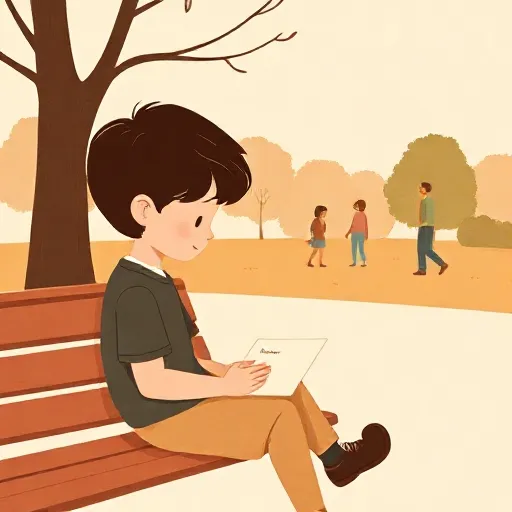
The next time you write a thank-you note or mutter “thanks” after someone holds a door, you’re at the center of a philosophical puzzle. Gratitude isn’t just automatic manners. It’s a way of recognizing that other people act on purpose, sometimes for your sake. It shapes friendships, repairs hurt feelings, and even colors how you think about big communities like your country. Philosophers still argue about whether you must, or merely should, return a kindness. But understanding what gratitude actually is—and why it’s more than just feeling glad—helps you see the invisible threads that tie you to the people who have helped you along the way.
Think about it
- If a friend gives you a birthday gift you secretly dislike, do you still owe them gratitude? Does your feeling about the gift change what you ought to do?
- Can you be genuinely grateful to a pet that brings you a toy or comforts you when you’re sad? What if the pet has no idea what “helping” means?
- If a community helps pay for your school or protects your right to speak freely, do you have a duty to give something back—even if you never asked for that help?