Did You Really Choose That, or Was It Always Going to Happen?
A Book for Two Emperors
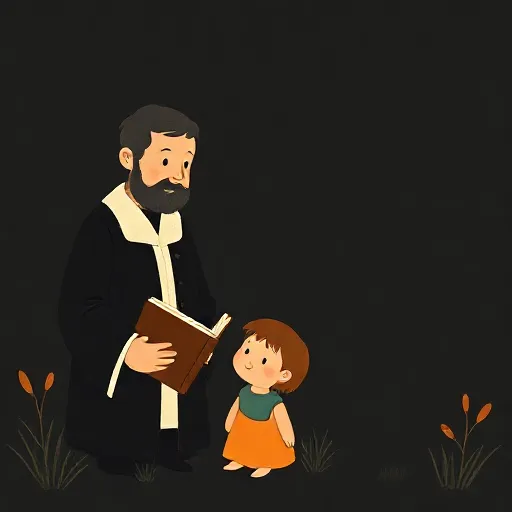
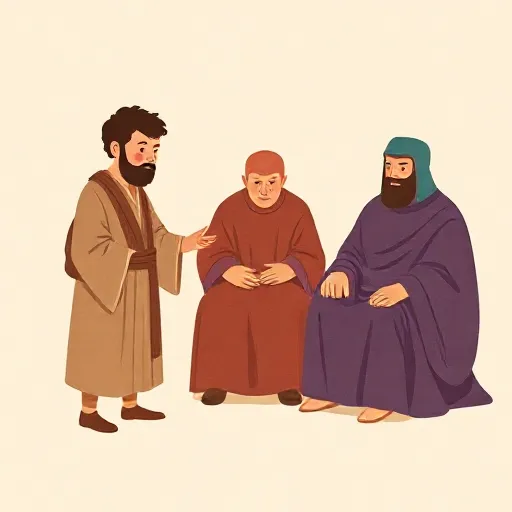
Sometime around the year 200 CE, a philosopher named Alexander of Aphrodisias finished a short but explosive book. He called it On Fate. He sent it to the Roman emperors Septimius Severus and Caracalla, along with a thank‑you note for giving him a chair to teach philosophy. The emperors probably did not realize they were about to be pulled into one of the oldest arguments in human history: Do you really choose what you do, or is everything already fixed?
Alexander had spent years explaining Aristotle’s ideas to his students. He noticed that a rival school, the Stoics, kept saying that everything that happens—including every human decision—flows from a divine plan that stretches from the beginning of time. They called this fate. But they also insisted that people are still responsible for their actions. Alexander thought that made no sense. If every choice is settled before you make it, he argued, then you never had a real choice at all. That disagreement still matters today.
The Stoics’ Cosmic Domino Chain
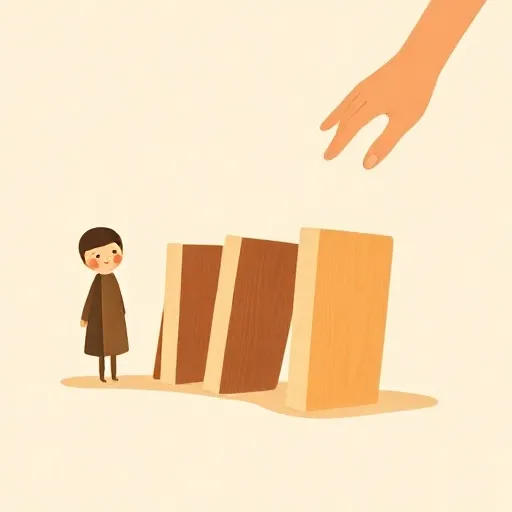
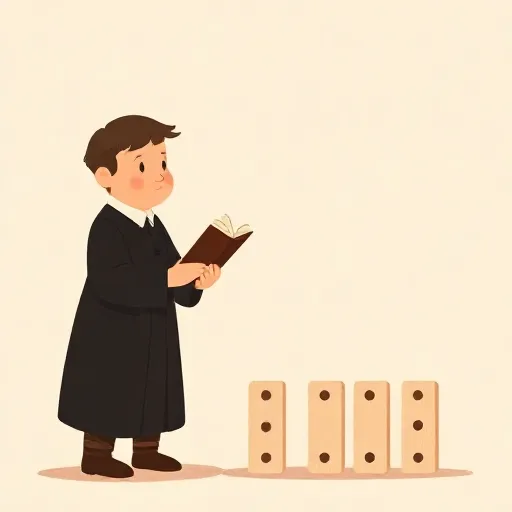
To understand Alexander’s attack, you need to see the world the way the Stoics did. They believed the universe works like an enormous set of dominoes. The first domino was pushed by a perfect divine mind that runs through everything. Every event—rain falling, a cat stretching, someone deciding to tell a lie—is a domino that falls because a previous one tipped it over. Nothing happens without a cause. There are no gaps.
This view is called determinism. For the Stoics, fate was the unbreakable chain of causes that makes everything happen exactly the way it does. Yet they still claimed that human beings are free in the ways that matter. You might feel yourself thinking, weighing options, and choosing. That mental process is part of the chain, they said; it really is your decision, even if it was always going to happen. Philosophers call this idea compatibilism—the claim that determinism and free will can get along.
Why a Fated Choice Isn’t a Choice
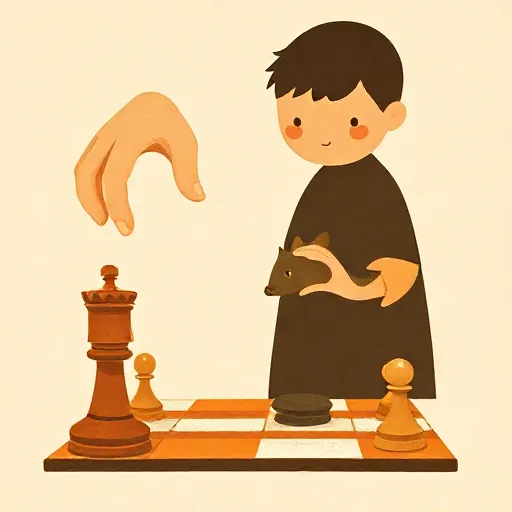
Alexander read the Stoics’ arguments and shook his head. They were using words like “choice” and “responsibility” in an empty way, he said. Imagine you are standing in front of two doors: one labeled “Vanilla” and one labeled “Chocolate.” If a cosmic script has already written that you will walk through the vanilla door, then the chocolate door was never truly open. You might feel as though you could pick either, but that feeling is an illusion. At the very moment you act, there is only one thing you can do.
That insight became the heart of a new position. Alexander insisted that a truly free action requires something simple but demanding: at the time you act, it must be genuinely possible for you to do one thing and to not do it. Both options must be open. This is the core of what later thinkers named libertarianism about free will. Unlike compatibilism, libertarianism says that freedom and determinism cannot both be true. If every event is already settled, freedom is impossible.
Alexander did not stop at a single thought experiment. He showed that the Stoics had to drain meaning out of everyday ideas like deliberation, luck, and chance. If you deliberate about whether to study for a test, you assume your effort could change the outcome. But in a perfectly determined world, the outcome was already certain before you thought about it. Deliberation becomes a puppet show. Alexander also argued that the Stoic idea of divine foreknowledge was incoherent: a god who knows everything you will do cannot leave the future open, so you never have a real moment where more than one path is possible.
Alexander’s Answer: Nature Is Not a Script
So what was Alexander’s own picture? He saw fate not as a tight script but as the regular way that nature and human character normally work. A healthy apple seed, planted in good soil, usually grows into an apple tree. That is its nature. But a freak frost, a passing goat, or a gardener’s change of heart can interrupt the pattern. For Alexander, the world contains real chance and genuine fresh starts. Some events are not pushed by a previous domino; they emerge from the porousness of nature.
Human beings, he thought, are part of that picture. Our characters and habits shape most of what we do, but at the moment of decision something remains unsettled. You can deliberate and tilt the balance one way or the other. Because there is no universal chain forcing you, the outcome is not fixed until you act. This middle path gave Alexander a way to keep nature orderly, explain why science works, and protect the spark of free choice. He didn’t pretend to have solved every puzzle, but he believed no stronger account of freedom could fit with Aristotle’s philosophy.
Alexander also took aim at divine providence—the way the gods care for the world. The Stoics said the divine mind watches over every individual detail. Alexander replied that providence works only through the broad patterns that keep species alive and the seasons turning. It does not script your lunch order. That view allowed him to hold onto a kind of cosmic order without crushing human freedom.
Does an 1,800‑Year‑Old Fight Still Matter?
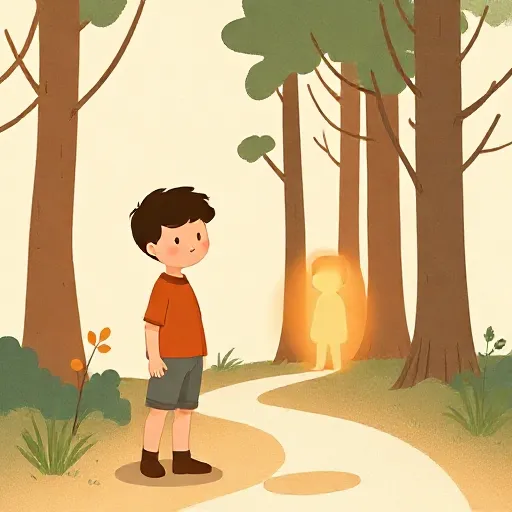
You wake up, yawn, and decide what to say to a friend. In that tiny moment, Alexander’s question is alive again. If a supercomputer could scan every atom of your brain and tell you exactly what you will do next, would the choice still be yours? Or would you be watching a movie of your own life, feeling the illusion of freedom while the ending is already written?
Modern scientists and philosophers still argue over these ideas. Some defend compatibilism: they say that as long as your decision comes from your own personality and reasoning, you are free, even if the decision was inevitable. Others, following Alexander’s trail, think that freedom requires indeterminism—real openness in the universe, perhaps at the level of tiny particles or in the way consciousness works. They worry that without that openness, blaming or praising people makes no sense. After all, if someone was always going to steal the bike, could they have done otherwise? And if they couldn’t have, is it fair to punish them?
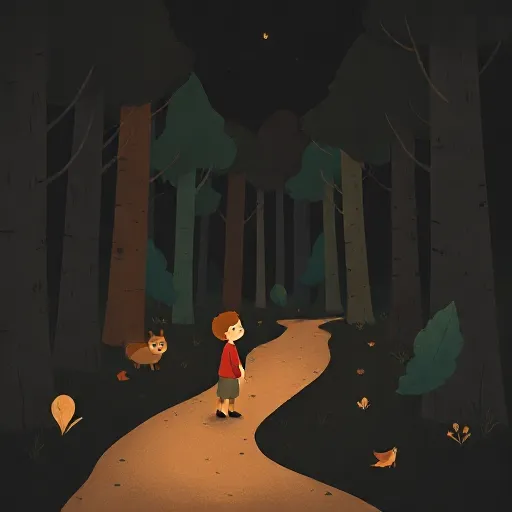
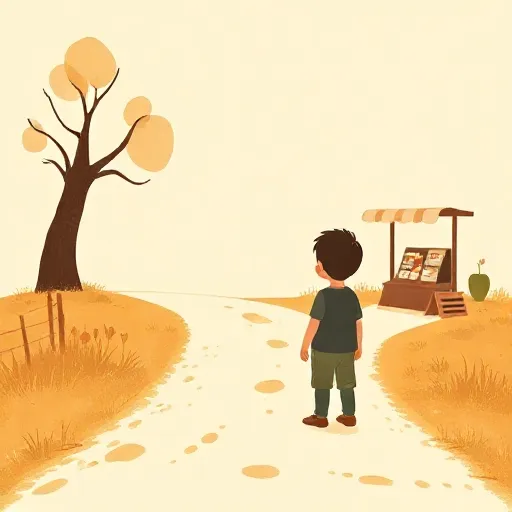
Alexander never resolved the argument. Nobody has. But he gave us one of the clearest statements of why the feeling of free choice matters and why a world where everything is already fixed feels too small to live in. Next time you face a fork in the road—vanilla or chocolate, honesty or a fib—you are standing right where he stood when he addressed the emperors, still asking whether that fork is real.
Think about it
- If a genius scientist built a machine that could predict every choice you will ever make with perfect accuracy, would it still be fair to punish people who do bad things?
- Picture a video game where every scene is already programmed. Can the character inside the game ever make a choice that isn’t determined by the code, or does it only feel that way to the player?
- Think of a moment when you felt you could easily have chosen differently—like reaching for one snack but grabbing another at the last second. Could that feeling be just an illusion, the way you feel suspense watching a movie you’ve seen before?