Is Your Mind a Blank Slate? John Locke’s Surprising Answer
One Evening in 1671: A Question That Changed Everything
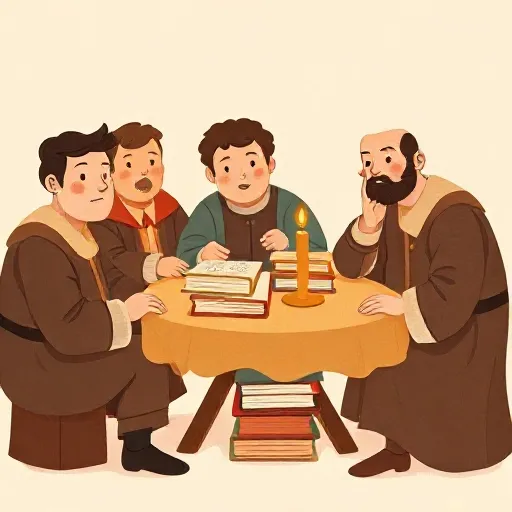
A few friends gathered in a London room to talk about morality and religion. They soon ran into trouble. Every answer raised new puzzles, and the argument went in circles. John Locke (1632–1704), a doctor and philosopher, stopped them. Maybe, he suggested, we should first ask what our minds are actually capable of understanding. Before jumping into big questions, we need to find the limits of human knowledge.
That evening planted the seed for Locke’s masterpiece, An Essay Concerning Human Understanding, and it launched one of philosophy’s most important projects: figuring out where our ideas come from and what we can truly know.
Are We Born Knowing Anything?
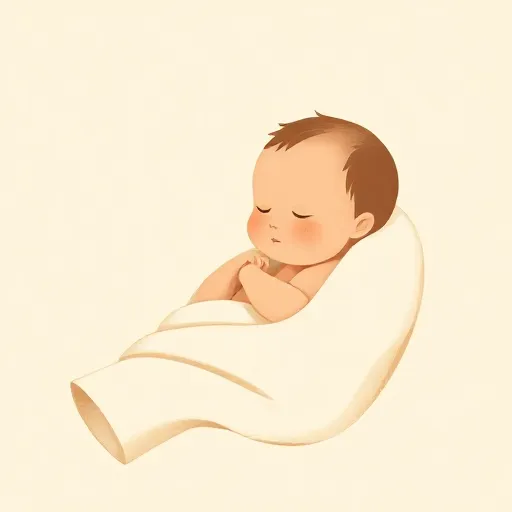
For centuries, many thinkers believed that certain ideas are innate — stamped onto the mind from birth, like apps already installed on a new phone. They thought truths like “what is, is” or basic moral rules were built into every human being. René Descartes (1596–1650) even claimed the idea of God was innate.
Locke strongly disagreed. He started his big book by dismantling that idea. If a truth is really in our minds from the start, he argued, then everyone — including very young children and people with severe intellectual disabilities — should be aware of it. But ask a newborn about “it is impossible for a thing to be and not to be,” and you’ll get no sign of understanding. Toddlers don’t recite moral laws. So those ideas aren’t there yet.
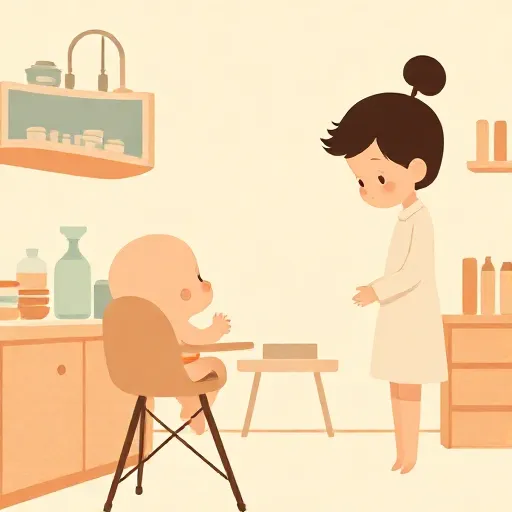
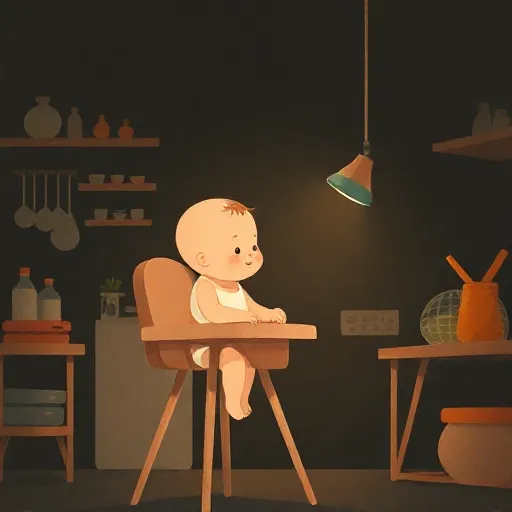
What if innate truths are hidden, only surfacing when we get older? Locke poked a hole in that too. If that counts as “innate,” he said, then every idea we ever learn could be called innate. The word would become meaningless — it wouldn’t help us separate what’s built-in from what’s learned. He also suspected that the doctrine of innate ideas had a dangerous side: it encouraged people to stop asking questions, because they could claim they already had the answers inside them. For Locke, that was an excuse for lazy thinking. His radical conclusion: at birth, the human mind is a tabula rasa — a blank slate.
How Experience Fills the Blank Slate
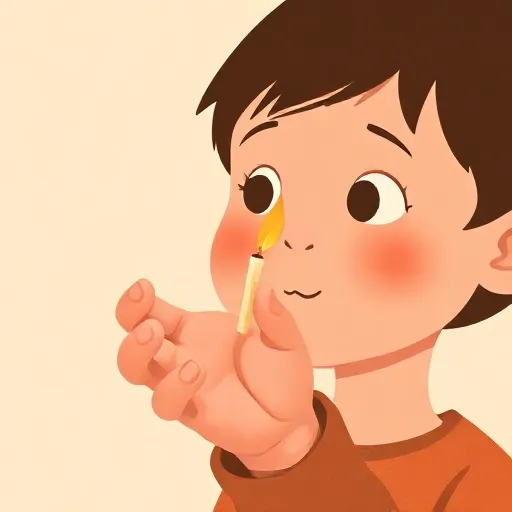
If the mind starts empty, where do our ideas come from? Locke offered two answers. The first is sensation: everything our five senses pick up from the outside world — the blue of the sky, the smell of bread, the warmth of sunlight. The second is reflection: an inner sense that notices what our own mind is doing. When you catch yourself doubting, remembering, or deciding, you gain ideas about thinking itself.
These experiences give us simple ideas, the basic building blocks of thought. You can’t invent a new simple idea from nothing. If you’ve never tasted a mango, you can’t imagine its flavor no matter how hard you try. At this stage, the mind is mostly passive; it just receives.
But once we have a storehouse of simple ideas, the mind gets busy. It can combine them into complex ideas. A unicorn, for example, is just the simple ideas of a horse and a horn stuck together. The idea of a friend blends looks, voice, personality, and memories. Through comparing, combining, and pulling out common features (abstracting), we build up our whole world of thought — yet every piece originally came from experience.
This way of thinking is called empiricism: the belief that all knowledge ultimately rests on sensation and reflection. No inborn truths, no secret downloads.
The Real World vs. What We See
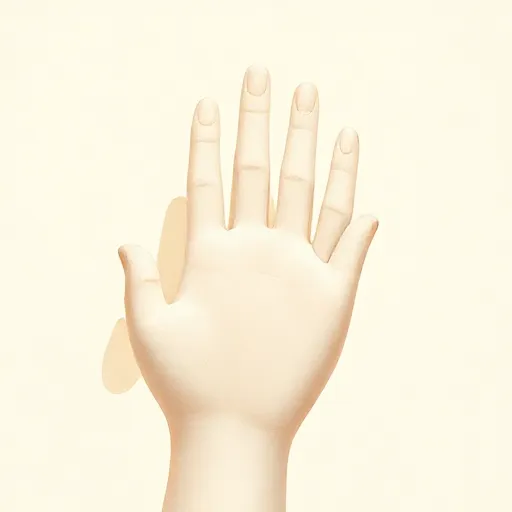
Locke knew we don’t experience the world as a messy pile of simple ideas. We see whole objects: tables, trees, horses. He wanted to sort out which qualities really belong to those objects and which ones exist only in our perception.
He split qualities into two kinds. Primary qualities are features objects have regardless of anyone looking: solidity, extension (taking up space), shape, motion (or being at rest), and number. A rock is still solid and has a shape in total darkness. Secondary qualities are powers that objects have to produce sensations in us — colors, tastes, sounds, smells, and warmth. A strawberry isn’t “red” the way it’s round. Its surface reflects light in a particular way; that light hits our eyes and triggers the experience of red. The redness is a collaboration between the world and our senses.
Locke borrowed from the science of his day, which held that everything is made of tiny, invisible particles — atoms — that move and collide. Primary qualities belong to those atoms themselves. Secondary qualities are the effects atoms have on creatures with sense organs. He offered a simple test: take a grain of wheat and split it again and again. Eventually the pieces are too small to see. They still have shape and solidity (primary), but the color and smell must vanish because those depended on the whole grain interacting with our senses.
This doesn’t mean the world is a fake. It means our minds actively help shape how reality appears. We can trust there’s a real world out there, but we should be humble about how much we directly grasp.
Why It Still Matters: Thinking for Yourself
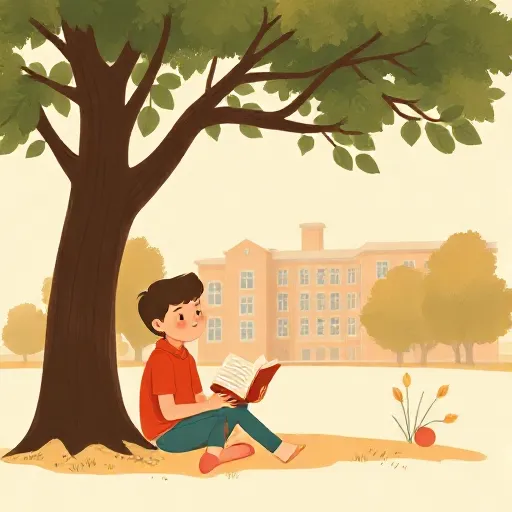
If the mind is a blank slate, no one is born with a fixed set of beliefs or a destiny to be a certain kind of person. What you become depends on what you experience, what you’re taught, and — most importantly — what you decide to think about.
Locke argued that we must not blindly accept what authority figures say. We should use our own reason to examine claims. That means questioning traditions, testing ideas against evidence, and always asking, “How do I know this is true?” In his writings on education, he urged parents to help children learn through play, conversation, and hands‑on discovery, not endless memorizing. In his work on toleration, he argued that force can never change what a person truly believes, so governments have no business controlling people’s minds.
Because your mind isn’t pre‑loaded with “right” answers, you have both the freedom and the responsibility to think for yourself. Every time you check a fact, change your mind after a good argument, or wonder “where did I get that idea?”, you’re walking Locke’s path. His blank slate isn’t an emptiness to be feared — it’s an invitation to write your own story, carefully and with curiosity.
Think about it
- If you had never seen, heard, or felt anything at all, would you know anything? Why or why not?
- Locke says colors don’t exist in objects the way they appear to us. Does that mean a red apple stops being red when nobody is looking? What would Locke say, and where might he be wrong?
- Think of a belief you hold strongly. Can you trace it back to a specific experience? If it came from someone just telling you, how could you test whether it’s true?