Is Your Mind the Boss of You? Ancient China’s Heart-Mind Debate
The Cook Who Left His Mind Behind
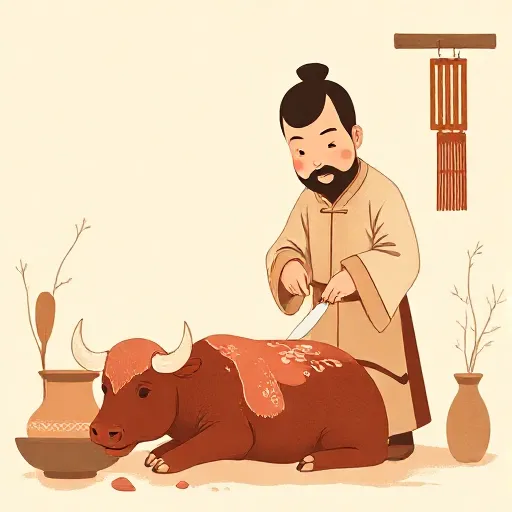
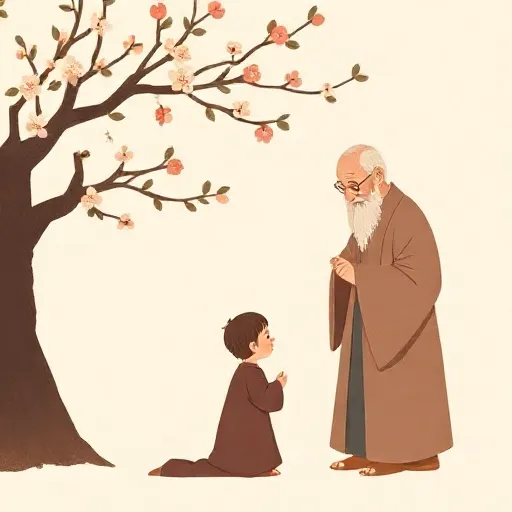
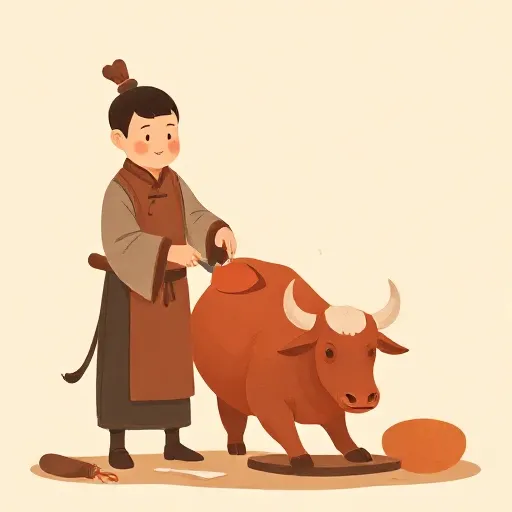
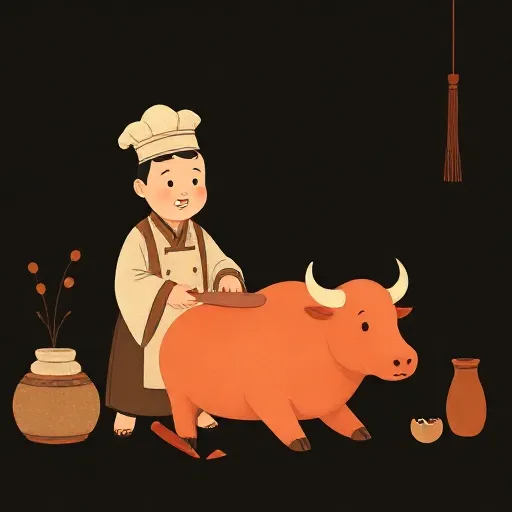
A cook named Ding is at work in a ruler’s kitchen. As he carves an ox, his hands, shoulders, knees, and feet move like a dancer’s. The knife sings through the meat, never hitting a bone. The ruler is amazed. “How did you get so good?” he asks. Ding answers that he no longer sees a whole ox — he follows the natural lines of its body. “My spirit guides me, not my eyes,” he says. He isn’t thinking his way through the job; his body does it while his thinking mind stays out of the way.
This story comes from the Zhuangzi, an ancient Chinese book, and it throws a big question onto the table. Is your mind supposed to be a boss giving orders? Or is it better off quieting down and letting the rest of you — your senses, your gut, your energy — work together? In ancient China, philosophers argued about this for centuries. Their answer shaped how they thought about living a good life, and it still matters when you’re learning a sport, playing music, or trying to get “in the zone.”
A Different Kind of Mind: Qi and the Heart-Mind
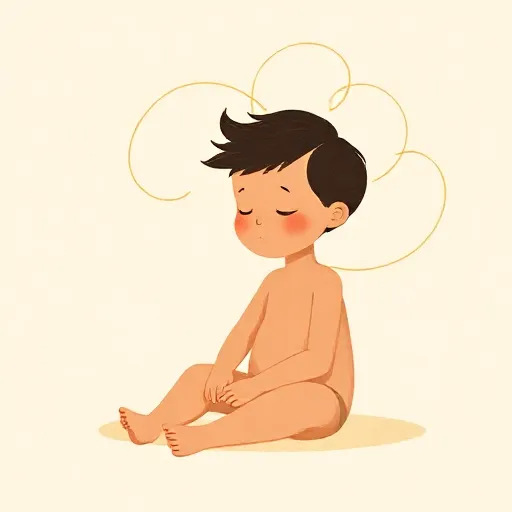
Western thinkers like René Descartes later imagined the mind as a separate, invisible soul controlling a physical body like a ghost in a machine. Ancient Chinese philosophers had a very different picture. They believed that everything — rocks, trees, your feelings, your thoughts — is made of qi (pronounced chee), a kind of vital energy that flows and changes. Your heart-mind (xin), the part of you that thinks, feels, and decides, is itself made of qi. It isn’t a separate soul. It’s the guidance center of your body, but it’s the same kind of stuff as your bones and breath — just more refined, like light compared to wood.
So from the start, the question wasn’t, “Does a soul exist apart from the body?” It was, “How should this heart-mind relate to the rest of the qi that makes up a person?” Most scholars today think ancient Chinese philosophy did not split the mind off from the body as a separate substance. Instead, it treated a human being as a single, flowing whole where the heart-mind could lead, listen, or even get in the way.
Mengzi: The Heart-Mind as Leader
Mengzi (4th century BCE), also called Mencius, believed the heart-mind should take charge. He called it the “great part” of a person, while the senses and basic appetites are the “small part.” If you let your cravings for food or comfort run your life, you become a small person. But if the heart-mind guides you, you can grow into something larger.
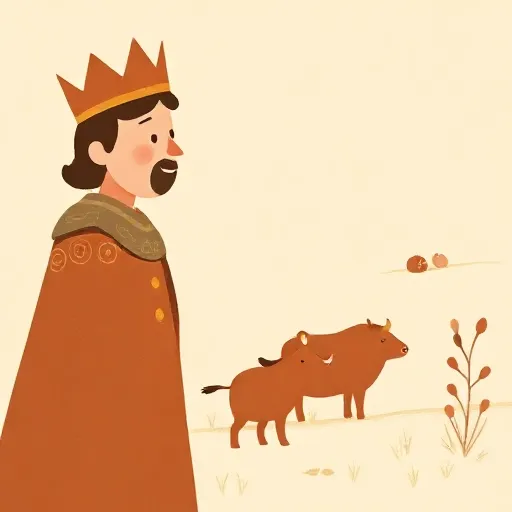
Why? Because for Mengzi, every heart-mind comes with four tiny starters, like seeds. One of them is a feeling of compassion (ceyin zhi xin) — that squeeze in your chest when you see someone in trouble. He tells the story of a king who spares an ox being led to sacrifice because he can’t stand the terror in the animal’s eyes. Mengzi doesn’t blame the king. Instead, he points out that the king has the seed of compassion. The problem is that the king cares about the ox but hasn’t extended that same feeling to his starving people. Mengzi coaxes the king to let his compassion grow outward, like a sprout stretching toward the sun.
For Mengzi, the heart-mind thinks and feels together. It notices what is this (shi, right) and what is not this (fei, wrong), comparing situations and drawing analogies. A soldier who runs 50 paces from battle is still running away — just like one who runs 100 paces. So a ruler who gives a little help to his people while letting them starve is still failing to be truly good. The heart-mind leads the way by noticing these patterns, but it never works alone. It has to nurture the emotional seeds, not just coldly calculate. And the body’s qi can either support the heart-mind’s aims or, if unruly, sway it off course.
Zhuangzi: Let the Whole Body Play

Zhuangzi (4th century BCE) wasn’t convinced that the heart-mind deserved to be in charge. He saw that people’s hearts get stuffed with fixed ideas — what is “right,” what is “wrong” — and then they spend their lives arguing and clashing, like archers shooting “this!” and “not this!” at each other. Their heart-minds become rigid, and they lose touch with the larger, flowing world.
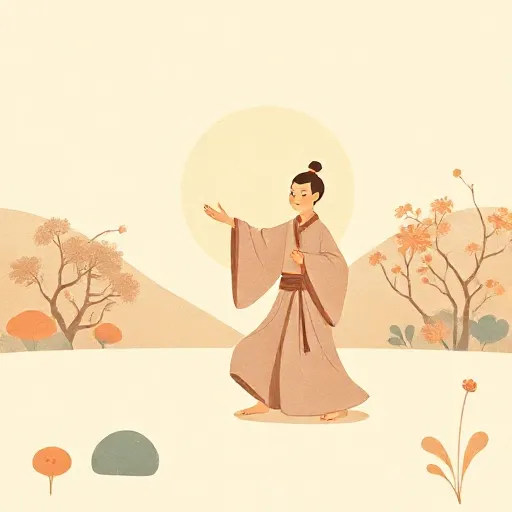
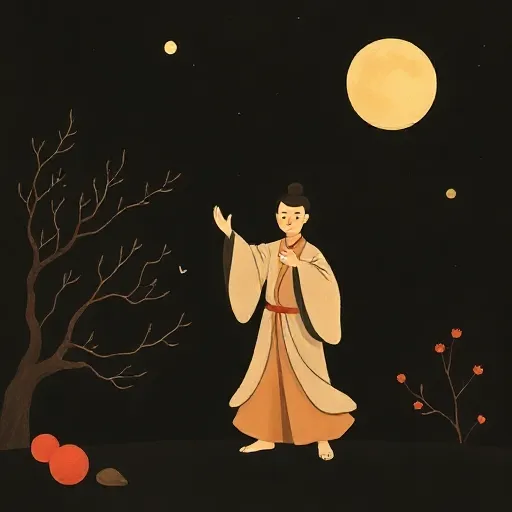
To live well, Zhuangzi said, you need to fast the heart-mind. Don’t starve it of food — empty it of the stiff concepts and prejudices it has soaked up. Then listen with your whole qi. Your ears can only take in so much; your judging heart-mind can only match things to its old patterns. But qi is open and responsive, ready to meet each situation as it comes. When you let your whole organism — not just the brain — dance with the world, you can do extraordinary things.
Think of Cook Ding. He practiced for three years, and one day he stopped seeing a bulky ox and simply sensed paths opening through it. His spirit, not his deliberate thinking, led the blade. That same idea shows up when a wheelwright tells a duke he can’t pass on the secret of his craft. His hands know a feel that words can’t capture. The heart-mind, Zhuangzi suggests, is at its best when it steps back so the rest of you can play.
This doesn’t mean you never think. When Cook Ding hits a really tricky knot, he pauses, focuses, and thinks carefully — but only for a moment, then returns to flowing. The thinking mind is a tool, not a tyrant.
Xunzi and the Effort to Reshape Nature
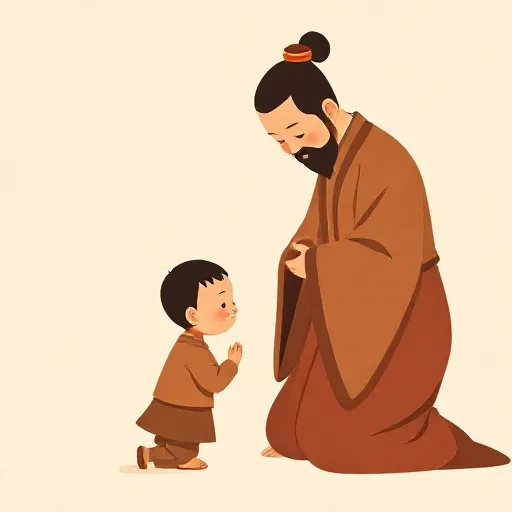
A later Confucian, Xunzi (c. 310–c. 220 BCE), agreed that the heart-mind should lead, but he worried that human nature is a mess of greedy and envious impulses. Without strong training, he thought, people will fight and ruin things. The heart-mind is the “lord” of the body, the only part that can say, “Seek this, not that.” But even the heart-mind can’t just snap its fingers and fix our desires. It needs deliberate effort — constant practice, teachers, and rituals — to shape us the way a carpenter steams and bends crooked wood.
Xunzi admitted that people also have a natural love for their own kind, like birds who ache when separated from their flock. But that seed alone isn’t enough. The heart-mind has to weigh competing desires and decide which ones to nurture. If it works patiently, it can help a person come to love doing the right thing more than any selfish pleasure. It’s a careful dance between bossing and nurturing — not Zhuangzi’s full-body freedom, but not a dictator either.
Why This Ancient Tug-of-War Still Matters

You know the feeling. Maybe it happens when you’re skateboarding and everything clicks, or when you’re playing a video game and your fingers seem to see the level before your eyes do. Athletes call it “the zone”; psychologists call it “flow.” In those moments, the part of your mind that second-guesses and analyzes goes quiet, and your whole body takes over. You’re living the ancient Chinese argument.
Today, scientists find that overthinking can cramp skilled performance. Too much conscious monitoring — “Is my foot in the right spot? Am I holding this right?” — can trip you up. Meanwhile, your body really does have a kind of non-verbal know-how, built through practice, that works faster when your judging heart-mind relaxes. That’s pure Zhuangzi.
But before you fire your brain entirely, remember Mengzi. Sometimes you need to pull back and think: “Is this really the right thing to do? Could I extend my care to someone I usually ignore?” Learning to ride a bike is one thing; deciding whether to share your lunch with a kid who’s been mean to you is another. The heart-mind’s ability to spot patterns and reflect on feelings can help you grow in fairness and kindness.
And perhaps, as Xunzi argued, you need some deliberate work — a coach, a routine, a patient effort — to tame impulses that would otherwise steer you into a mess. The Chinese thinkers didn’t settle who is the true boss. They gave us a set of tools and said: your mind is made of the same energy as your body. Sometimes it will lead, sometimes it will listen, and figuring out when to do which is the art of living.
Think about it
- Think of a skill you do without much thinking — dribbling a basketball, playing an instrument, navigating a difficult video game level. In that moment, does your mind feel like it’s in charge, or has something else taken over?
- If you felt a pang of compassion for someone who annoyed you yesterday, would you trust that feeling, or would you try to think your way out of it? What would Mengzi and Zhuangzi each tell you to do?
- Is it ever possible to completely quiet your inner voice, or does trying just make you aware that you’re trying? What happens when you try not to think about a pink elephant?