
Can You Trust a Friend Who Might Let You Down?
The Secret That Got Out: Trust vs. Relying
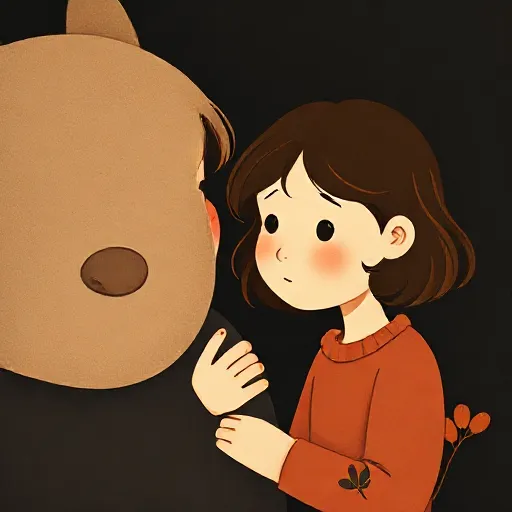
You tell your best friend a secret and ask them to keep it quiet. A few days later, you hear it from someone else. You feel not just let down that the secret slipped out—you feel betrayal, as if something important has been broken. What’s the difference between that sting and the ordinary annoyance you feel when your alarm clock fails? Philosophers have been trying to answer that question for decades, because it turns out that trust is much more than just counting on someone.
At the core, trust is an attitude you take toward another person. That person is trustworthy if they really are competent and willing to do what you trust them to do. Notice the two sides: trust is something you have; trustworthiness is something they are. For trust to make sense, you must be willing to be vulnerable—to risk that they might fail you. When you trust a friend to keep a secret, you hand them the power to harm you by telling. That risk is what makes betrayal possible.
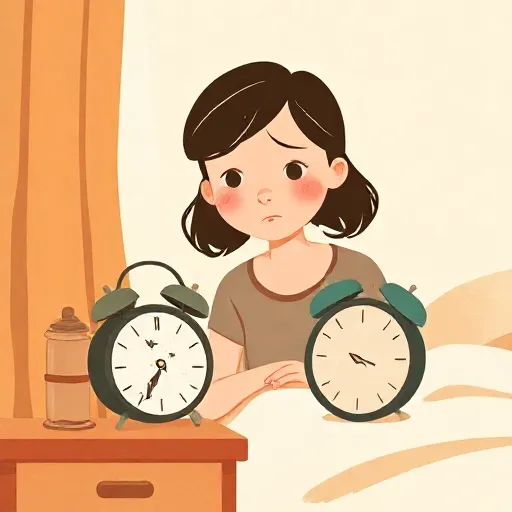
Philosophers agree that trusting involves reliance but adds something extra. You rely on an alarm clock to ring on time, but if it breaks, you’re merely disappointed. You don’t feel betrayed because an object can’t make a promise or care about your plans. Trust, by contrast, is the sort of reliance that opens the door to betrayal. Annette Baier (1929–2012), a major voice on trust, captured this idea: “trusting can be betrayed, or at least let down, and not just disappointed.” So trust requires not only that you count on someone, but that you see them as the kind of being who could let you down in a deeply personal way.
Three ingredients make trust possible. First, you have to accept being vulnerable—you know you could get hurt. Second, you rely on the person’s competence: you wouldn’t trust your toddler sibling to drive a car. Third, you rely on their willingness to do what you trust them for. A perfectly competent friend who just doesn’t care about your secret still isn’t trustworthy. So trust is a three‑part recipe: vulnerability, competence, and motivation to do the right thing.
Goodwill or Hidden Motives? The Fight Over What Makes People Trustworthy

If trustworthiness requires being willing to do what you’re trusted to do, what kind of willingness counts? This is where philosophers split into camps. Some say the existence of a motive is all that matters—any reason, even selfishness, can make someone trustworthy. Most philosophers, however, argue the quality of the motive is crucial. These motives‑based theories claim that to be trustworthy, you must act from a specific kind of reason.
Russell Hardin (1940–2017) built a theory around self‑interest. He said a trustworthy person is someone whose own interests are tied up with yours—they “encapsulate” your interests inside their own. Imagine a classmate who always shares her lunch with you because she wants to stay on your good side and get invited to your birthday party. According to Hardin, if she acts reliably this way, she’s trustworthy. But many people find that answer unsettling. What if the person helping you has a secret, ugly motive that you would hate if you knew? Hardin’s view says they could still be trustworthy; but most of us would say “no” if we discovered the real reason.
The most influential motives‑based view comes from Annette Baier. She argued that trustworthiness requires goodwill: the person must be motivated by care or concern for you, or at least for what you care about. When your friend keeps your secret, you want them to do it because they genuinely value you and your confidence—not just to avoid a fight. Baier’s theory nicely explains why betrayal stings in a way that ordinary disappointment doesn’t: we feel hurt because we expected goodwill, and the person showed indifference or worse.
But is goodwill always necessary? Consider trusting a stranger to tell you the correct time at a bus stop. You probably don’t assume warm feelings from a stranger; you just expect decent behaviour. That observation has led some philosophers to say goodwill is not required. Others point out that a clever confidence trickster—someone who scams others—might rely on your goodwill without trusting you in return; that shows goodwill alone isn’t enough for trustworthiness. Still, Baier’s core insight remains powerful: a trustworthy person normally has reasons that connect to you as a person, not just as a tool.
Commitments and Expectations: Trust Without Goodwill?

Not everyone agrees that motives are the secret ingredient of trust. Some non‑motives‑based theories say trustworthiness depends on the stance you take toward the other person or on what you have a right to expect from them. Richard Holton (born 20th century) developed the participant stance theory. When you take this stance, you treat someone as a responsible person—you’re ready to feel betrayed if they let you down. Taking this stance toward a colleague who promises to finish a group project doesn’t require you to guess their inner motives; it simply means you’re treating them as someone accountable for their actions. Critics, however, say that not every participant‑stance interaction counts as trust. A parent might rely on a child to do chores without truly trusting them, and the child could feel pressured rather than trusted.
A related idea is the normative‑expectation theory. Here, to trust someone is to have not just a prediction about what they will do, but an expectation about what they should do. If I trust you to return a borrowed book, I don’t just guess you’ll bring it back; I believe you ought to, because I’m counting on you. Betrayal then is the sense that a norm has been broken, not just a plan gone wrong.
Katherine Hawley (born 1970) offered a commitment account. She said that to trust someone, you need only believe they have a commitment to do the thing—whether a promise, a role duty, or an unspoken social rule—and that they’ll follow through, regardless of their deeper motives. Think about a neighbour who agrees to feed your cat while you’re away. You trust them because they’ve made a commitment, even if they don’t feel warm affection. Hawley’s view makes trust possible in many everyday situations where goodwill isn’t obvious. But critics counter with moments where we want someone to break a commitment—like a soldier who trusts a rescuer to ignore a foolish order—showing that trust doesn’t always track commitments cleanly.
Distrust: More Than Just Not Trusting

Philosophers have not ignored the other side of the coin: distrust. It’s natural to think distrust is simply the absence of trust, but that’s not right—you can neither trust nor distrust a person you’ve never heard of. Trust and distrust are exclusive (you can’t simultaneously trust and distrust someone about the same thing), but they leave a gap of indifference. Distrust is also not just nonreliance. You might stop relying on a friend to drive you places because you know they just got a busy job, not because you doubt their character. Real distrust has a normative bite: if someone discovers you distrust them for no good reason, they’d feel hurt or insulted. That’s because distrust signals that you don’t think they’ll meet some standard they ought to meet.
Hawley’s commitment theory gives a neat description of distrust: you believe a person is committed to doing something, yet you choose not to rely on them because you think they’ll break that commitment. That explains why distrust feels heavier than not relying—you’re judging them against a commitment they’re supposed to honour. Another view, from Meena Krishnamurthy (born 20th century), sees political distrust as a confident belief that others will not act justly—a vital tool for oppressed groups to resist tyranny. Whatever the correct theory, the agreed features of distrust remind us that trust and distrust are both richer, more personal attitudes than mere reliance or avoidance.
Why Trust Is Worth the Risk

So why go through all the worry and vulnerability? Trust brings enormous goods, but only when it’s justified. For you, trusting others allows cooperation with less effort: you don’t have to constantly check up on people. Some philosophers even argue that promising—a cornerstone of friendship and society—depends on inviting someone to trust you. Without trust, promising would make no sense.
Trust also makes knowledge possible. You can’t personally verify every fact you learn at school; you must trust teachers, scientists, and witnesses. If you had to check every statement yourself, you’d know very little about history, science, or the world beyond your street. Similarly, secure personal relationships—the kind that give you confidence and emotional safety—are built on trust. And therapeutic trust, where parents or mentors trust a young person even when they aren’t yet completely trustworthy, can help that person grow into someone who is trustworthy. That hopeful trust isn’t about evidence; it’s about believing someone can improve.
The social benefits are large too. Societies where most people trust each other tend to be more stable and prosperous. But here’s the catch: all these benefits vanish if trust is misplaced. Trusting someone who betrays you can leave you hurt, deceived, or worse. That’s why philosophers care so much about whether trust is rational—whether good reasons back it up. Sometimes those reasons are about the trustee’s character; sometimes they’re about the social role the trustee occupies. Knowing when to trust is a skill that protects you while letting you enjoy the rewards of genuine connection.
Can You Choose to Trust?

Trust is not like a light switch you can flip on command. If someone says “Trust me!” and you don’t yet have a reason to, wishing won’t make it happen. Many philosophers, following Baier, say trust is a kind of mental attitude that resists direct control. But what kind of attitude is it? Some say trust is a belief—a belief that the other person is trustworthy. If that’s right, then trust can’t be willed any more than you can decide to believe it’s raining when the sky is clear. Others argue trust is more like an emotion, or a special stance, that colours how you see evidence. Emotions narrow your attention: when you’re angry at a friend, you notice every tiny thing they do wrong. Similarly, when you trust someone, you focus on signs of their reliability and overlook evidence against them. This “blinkered vision” explains why trust can survive occasional let‑downs—but also why it can blind us.
Even though you can’t simply decide to trust, you can cultivate it. You can put yourself in situations where you slowly discover someone’s reliability. You can also practise corrective trust: making an effort to question your own distrust when it’s shaped by unfair stereotypes rather than real evidence. And you can use therapeutic trust—offering trust as a gift—to help someone become worthy of it. Whether trust is a belief, an emotion, or both, the good news is that it can be rebuilt after betrayal, though usually with time and careful small steps.
Why This Matters in Your Life

Every time you lend a favourite book, tell a worry to a friend, or team up for a school project, you’re making a call about trust. You’re asking, “Is this person competent and willing to do what I need? Do I believe they have goodwill, or at least a commitment they take seriously?” Philosophers don’t all agree on the recipe, but they’ve given you the tools to think through the question. They remind you that vulnerability is part of the deal—and that’s why trust that turns out well feels so rewarding, and why its betrayal cuts so deep. Understanding trust not only helps you guard against being hurt; it also helps you build the kinds of relationships, knowledge, and communities that make life richer. The question “Ought I to trust?” will follow you everywhere, and now you have a sharper sense of what’s at stake.
Think about it
- If someone keeps a promise reliably but only because they’re afraid of getting in trouble, are they genuinely trustworthy? Why or why not?
- Can you think of a time you distrusted someone because of how they looked or the group they belonged to, rather than something they actually did? How might you check whether that distrust was fair?
- Is it ever better to trust someone even when you don’t have strong evidence that they’ll come through? What might be gained, and what might be risked?