Can a Six-Year-Old Do Philosophy? Surprising Answers from Kids
What if you had to stay up all night to be sure?
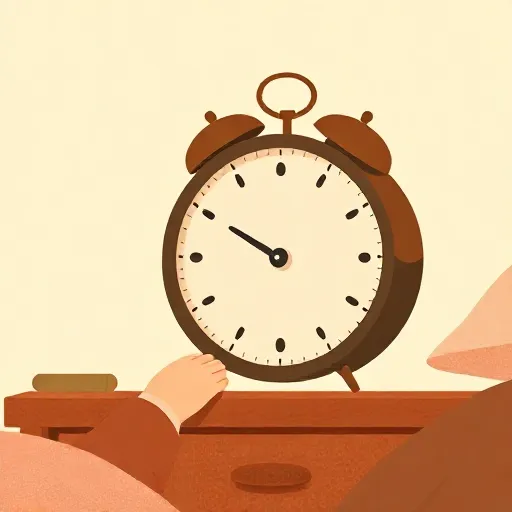
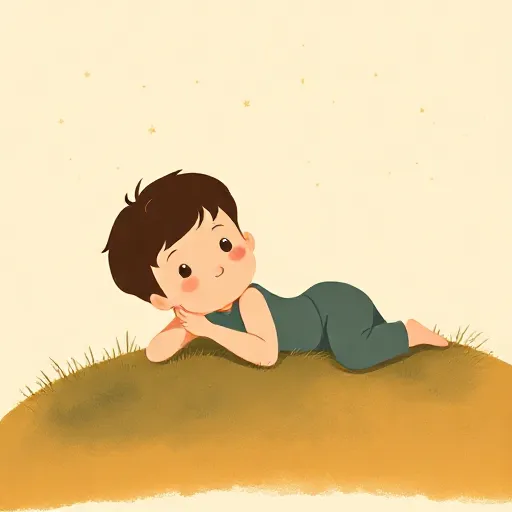
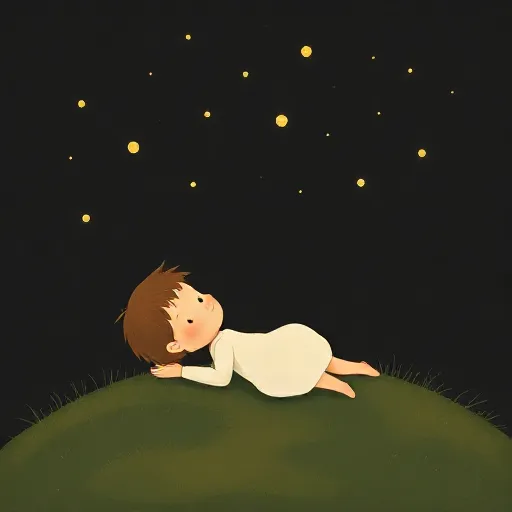
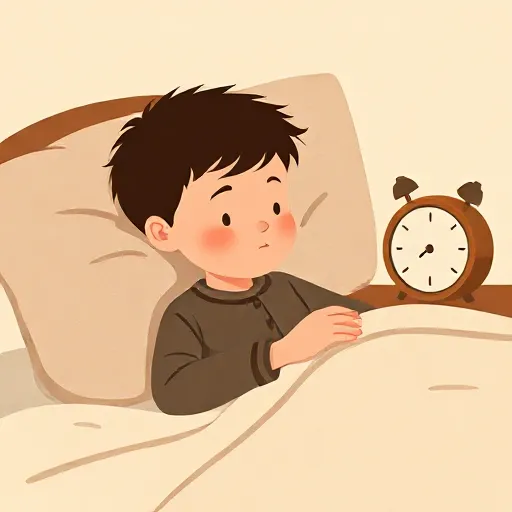
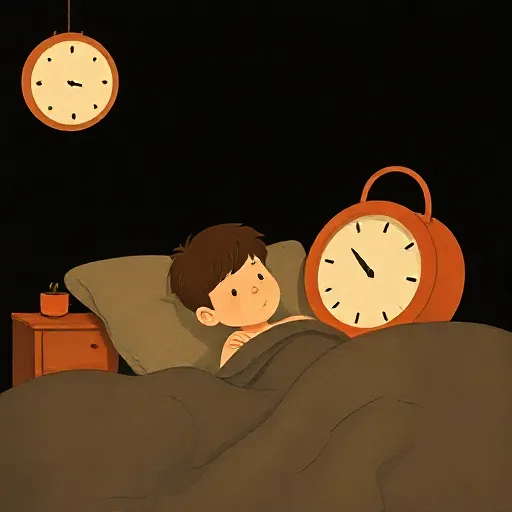
One night, five-year-old Jordan was heading to bed at eight. He had to get up at seven the next morning. Suddenly he stopped and asked his dad a question that sounded like a riddle. If I go to sleep, he wondered, how do I really know the little hand of the clock has gone around only once? Do I have to stay awake all night to watch it? If I look away even for a second, maybe the small hand sneaks around twice.
Jordan was doing something remarkable. He was thinking about thinking — what psychologists call metacognition. He wasn’t just wondering what time it was. He was asking how he could ever be certain of what he thought he knew, and whether his own eyes could fool him. That is philosophy.
For a long time, many experts believed children Jordan’s age couldn’t think this way. The famous psychologist Jean Piaget (1896–1980) argued that before about age 11 or 12, most kids simply aren’t capable of the kind of reflection philosophy requires. Their brains, he said, haven’t yet developed the ability to step back and examine their own thoughts. But Jordan’s question, and thousands like it, forced grown-ups to reconsider.
Children ask the deepest questions
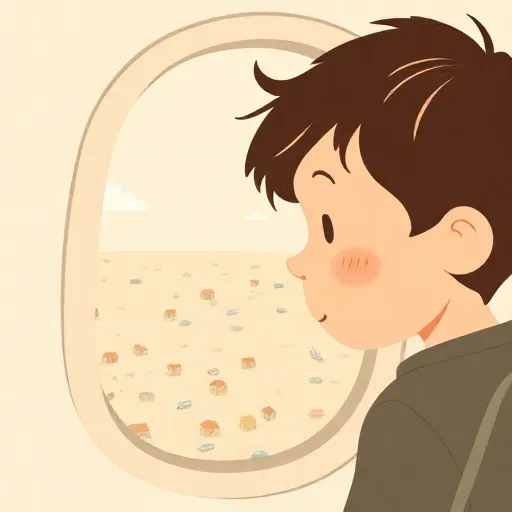
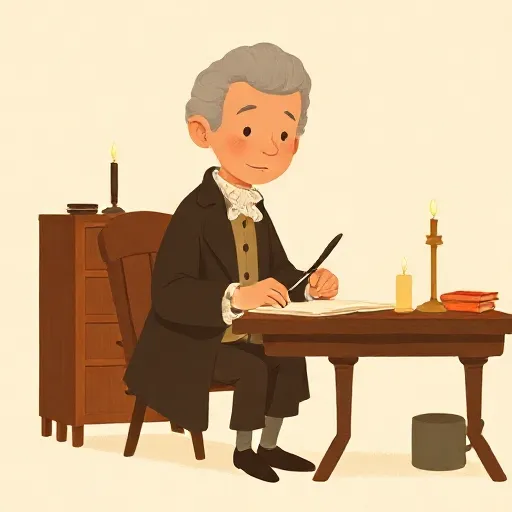
Philosopher Gareth Matthews (1929–2011) collected story after story of very young children stumbling into philosophical puzzlement all by themselves. A six-year-old named Tim once paused while licking a pot and asked his father, “Papa, how can we be sure that everything is not a dream?” A four-year-old named John Edgar had watched aeroplanes take off and seem to shrink into the distance. When he finally flew himself and the seatbelt sign went off, he turned to his dad, relieved but still puzzled, and said, “Things don’t really get smaller up here.”
These aren’t just cute sayings. They’re genuine philosophical problems — about knowledge, reality, and appearance. John Edgar had noticed that size can be an illusion. Tim had stumbled onto a sceptical worry that has kept philosophers busy for centuries. Matthews argued that Piaget missed how naturally philosophy bubbles up in children, because he wasn’t looking for it.
But one critic might object: a single clever remark doesn’t prove a child can do philosophy. To really count, you need evidence that children can sustain a philosophical discussion with others, exchanging reasons and building on each other’s ideas. Matthews believed they could do that, too.
Can a roomful of ten-year-olds talk philosophy?
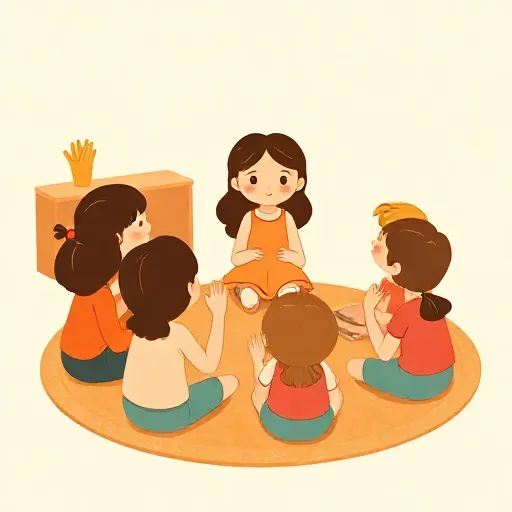
Matthews once told a group of eight-to-eleven-year-olds about Ian, a six-year-old whose three houseguests hogged the TV so he couldn’t watch his favourite programme. Ian asked his mother why it was better for three children to be selfish than one. The children immediately dove into the problem. They talked about fairness, rights, how you’d feel in Ian’s shoes, and whether the ages of the kids or the type of TV show made a difference. When Matthews suggested a view that three happy people might just be better than one, a student pushed back hard: it wouldn’t be fair for three to win at the expense of one.
Philosopher Matthew Lipman (1923–2010) built an entire classroom method around moments like this. He wrote short novels for children that raised knotty questions, then encouraged students to discuss them together. In one story, two boys argue about whether getting even is the same as returning a kindness. A girl named Lisa compares it to sentences: some true sentences stay true when reversed; others don’t. The class started asking whether “an eye for an eye” really makes things right, or just starts an endless chain of payback.
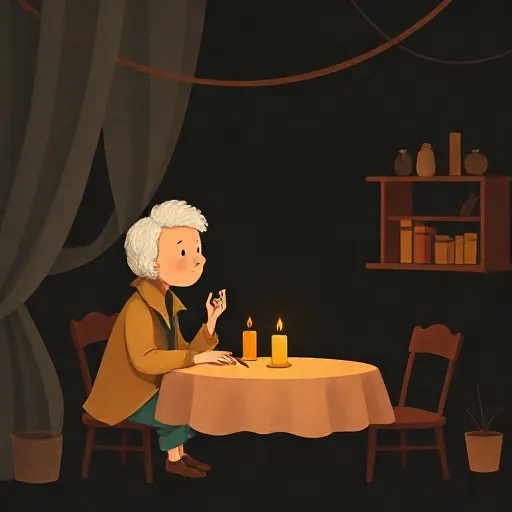
This kind of classroom turned into what Lipman and his colleague Ann Margaret Sharp (1942–2010) called a community of inquiry. In it, every voice is welcome. You don’t just shout your opinion. You listen, challenge, and allow your own mind to change. That’s different from many arguments you’ve probably had — and much closer to real philosophy.
From logic to the edge of the universe
Sometimes a simple logical game can swing open a door to the biggest questions. In one fourth-grade class, children were playing with sentences that begin with “All.” They noticed that “All oaks are trees” becomes false when you flip it to “All trees are oaks.” But is that always true? A student shot up a hand: “What about ‘All answers have questions’?” If something is an answer, it must have a question — so the flipped version, “All questions have answers,” should also be true, right?
The teacher paused. “Do you think all questions have answers?” The room erupted. Kids fired off questions like missiles. How many grains of sand are on Earth? Is there life inside the sun? Does space have limits — and if you reached the edge and tried to push your hand through, what would stop it? One boy with a mischievous grin asked, “Will time end?” He pointed out that if time did end, nobody would be around later to confirm it.
The class was no longer doing an exercise about word order. They were doing metaphysics — asking what reality is like, what can be known, and whether some mysteries are in principle unanswerable. Nobody taught them the word. They simply followed their curiosity.
Another group of fifth graders tumbled into philosophy while debating whether the sentence “All people are animals” is true. One boy, Jeff, refused to accept it. “I’m not an animal. I’m a person.” The others threw categories at him — mammals, living things, the library, an encyclopedia. But Jeff held his ground. Amy tried a middle path: “People are a type of animal, like a bird is — just different.” The class never fully agreed. The next week they returned, encyclopedia in hand, only to start questioning whether everything in an encyclopedia is actually true. One student noted that encyclopedias sometimes just call things “hypotheses” — guesses.
Why thinking about thinking makes you smarter
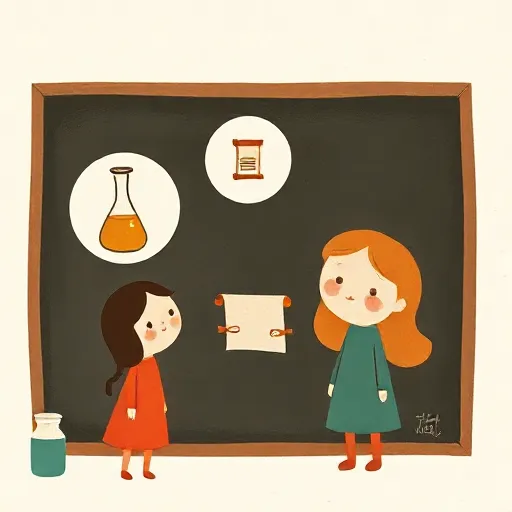
Lipman started writing his children’s novels in the 1960s because he was discouraged. He saw adults — even well-educated ones — arguing about war and justice without thinking carefully. He became convinced that critical thinking should begin long before university. Critical thinking means deciding what to believe or do based on good reasons, being willing to check your own biases, and staying open to reconsidering. Lipman thought philosophy was the perfect gym for that mental muscle.
But here’s a worry: school days are already stuffed with math, science, history, and tests. Where does philosophy fit? Lipman’s answer was surprising. He didn’t want philosophy to become just one more subject crammed into a crowded schedule. He wanted it to weave between subjects, helping you see connections. What does a historian mean by “objective”? Can a scientist ever be completely neutral? When your art teacher says a painting is beautiful, is that just an opinion? Philosophy asks those connective questions.
Some thinkers objected that critical thinking can’t be taught as a separate skill — it only makes sense inside a specific subject like biology or history. But philosophy has a special power: it can question the assumptions of every subject, including itself. That’s why a community of inquiry doesn’t feel like a regular lesson. You aren’t just memorising facts. You’re figuring out what counts as a fact in the first place.
Why this matters for you, right now
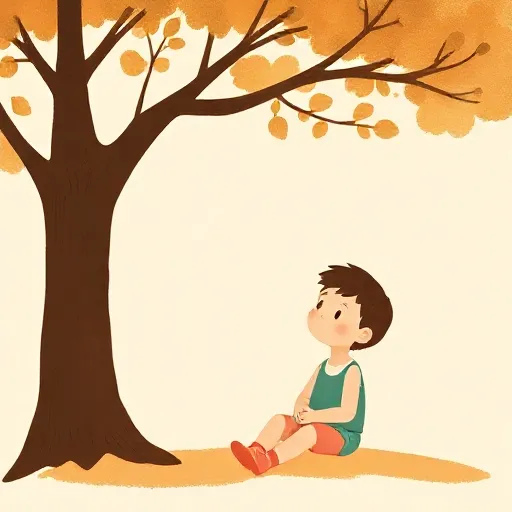
You might think philosophy belongs to old bearded professors with dusty books. The evidence says otherwise. Children as young as four can wonder whether the world is a dream. Ten-year-olds can debate fairness and revenge for an hour without running out of ideas. And you don’t need a special curriculum to start. If you’ve ever lain awake wondering how you know you’re not dreaming, or argued about whether getting even really makes things right, you’ve already done philosophy.
Teachers don’t need to have all the answers, either. The best philosophy sessions happen when the adult in the room is genuinely curious alongside the students, asking “What do you think?” and meaning it. That might sound scary to some grown-ups, but the very best classrooms are communities where nobody is afraid to say “I’m not sure.”
Jordan’s worry about the clock hand, Tim’s dream question, the sand-counting class — they all show that philosophy isn’t something you wait to be old enough for. It’s something you already do every time you stop and ask why. The world is filled with puzzles that have no easy answer. That’s not a problem. That’s the invitation.
Think about it
- If you could stay awake all night to watch the clock, would that really prove anything? What else in your life might you doubt in the same way?
- Is it ever fair for three people to get what they want while one person doesn’t? Does it change things if the one person is much younger or much older?
- Can you think of a question that no one could ever answer, even with all the knowledge in the world? What makes it unanswerable?