Philosophy of Science
376 articles
-
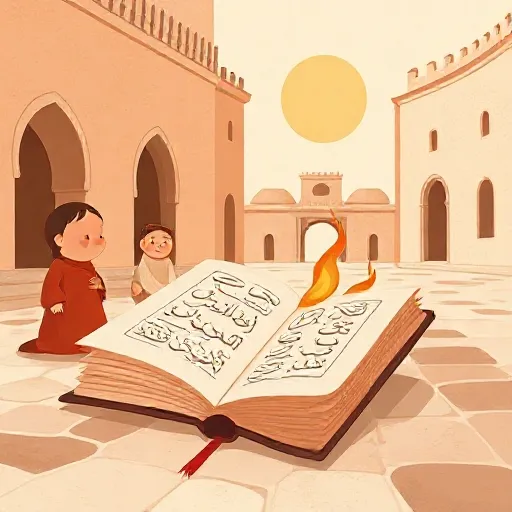
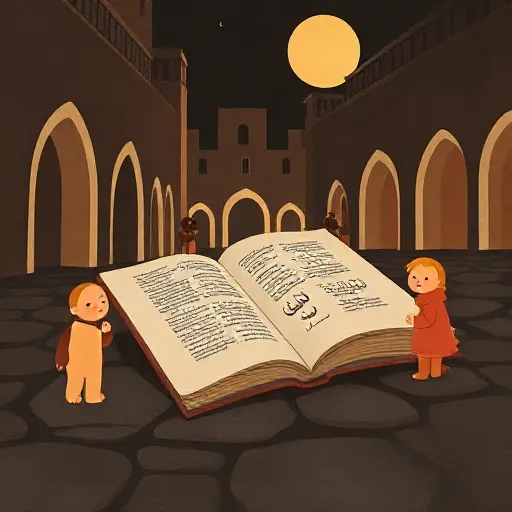
A Universe That Never Began? Averroes' Dangerous Idea
Did the universe have a beginning? Averroes thought it always existed. Others said God made it from nothing. This debate still puzzles thinkers.
-
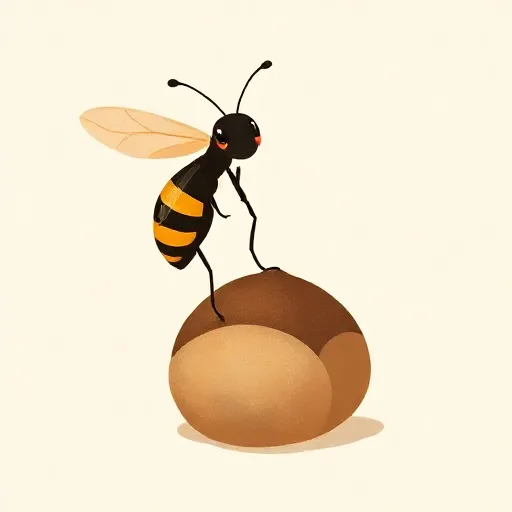
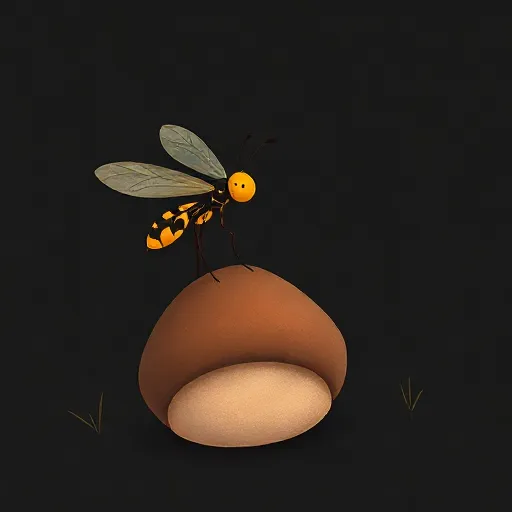
A Wasp's Puzzle: Why Mostly Daughters One Day, Sons the Next?
A wasp switches from daughters to sons. Why? Her puzzle makes scientists argue about whether evolution controls us like a program.
-
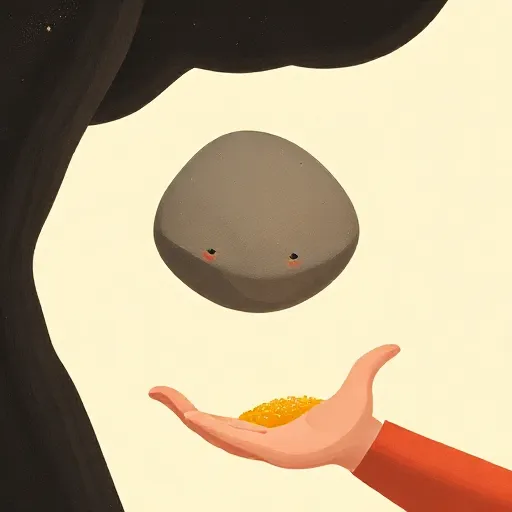
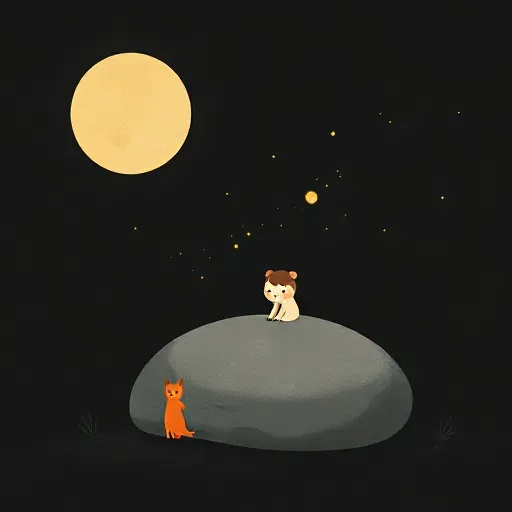
Alfred North Whitehead Said Everything Is a Process. Was He Right?
Was Whitehead right that everything is a process? Even a stone is a dance of events. This idea changes science and life.
-
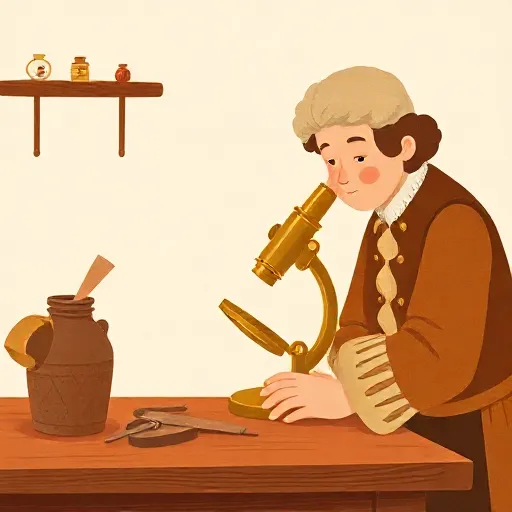
Are Cells Tiny Machines? The 400-Year Debate
Are cells tiny machines or something more? The 400-year debate affects how we understand life and fight disease.
-
Are Electrons Really Individuals? The Quantum Identity Puzzle
Can something be a real individual if it has no unique properties? Quantum particles like electrons challenge our idea of what makes things distinct.
-
Are Genes Really the Instruction Manual for Your Body?
Are genes really an instruction manual for your body? The surprising truth: DNA doesn't work like a simple program.
-
Are Invisible Potentials Real, or Just a Math Trick?
Is the electric potential a real thing, or just a math trick? The answer isn't settled, and it could change how we see the universe.
-
Are Living Things Just Physics and Chemistry?
In 1959, a philosopher said biology is just applied physics. Can a hawk's wing or a family tree be explained with atoms alone? A fight that’s still raging.
-
Are Particles Really Particles? The Strange Quantum Field Puzzle
Physicists smash particles, but are they really tiny balls or just ripples in invisible fields? The strange answer changes how we see ourselves.
-
Are the Things Science Can't See Really Real?
Is an electron real if you can't see it? Philosophers clash over whether science reveals hidden truths or just makes up useful stories.
-
Are There Invisible Worlds Just as Real as Ours?
David Lewis believed our world is just one of many real possible worlds, each as solid as our own. How does that make sense of talk about “what if”?
-
Are There Other Versions of You Living Right Now?
Quantum physics suggests every outcome you can imagine actually happens, somewhere. But if every road is taken, does any choice matter?
-
Are You a Fortress or a City? Your Immune System Decides
Scientists once saw your immune system as a walled fortress. Now they see it as a busy city, full of friendly microbes. Who are you, really?
-
Are You a Person or a Cloud of Particles? Sellars' Two-Image Puzzle
Can you be both a thinking person and a bunch of atoms? Wilfrid Sellars thought so, and it's a puzzle that makes us wonder what's real.
-
Are You Being Watched Even When Nobody’s Watching?
Why do we follow rules even when no one is watching? This idea from Foucault shows how invisible power shapes our behavior and what we call normal.
-
Are You Born Knowing How to Talk? The Fight Over What’s ‘Innate’
Do we come into the world with a mental starter kit, or is everything learned? The answer matters for understanding language, talent, and what makes us us.
-
Are You Just a Temporary Pattern? Spinoza’s Radical Physics
Are you just a temporary shape, like a wave? If everything is one thing, what makes you you? Spinoza's surprising answer.
-
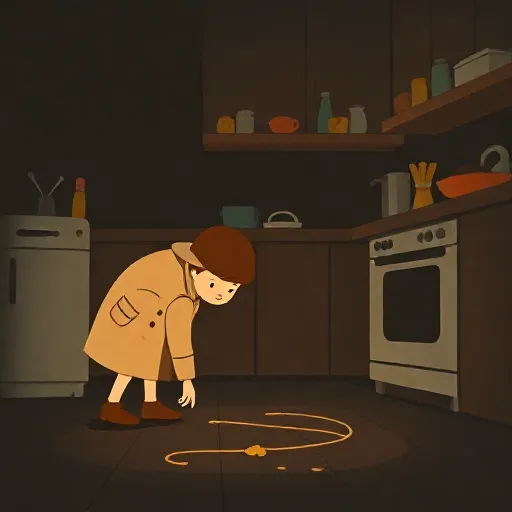
Are You Just Guessing? The Philosopher Who Said All Knowledge Is a Bet
Can we ever be 100% sure about anything? Hans Reichenbach said all knowledge is like a bet based on clues, and that's how science works.
-
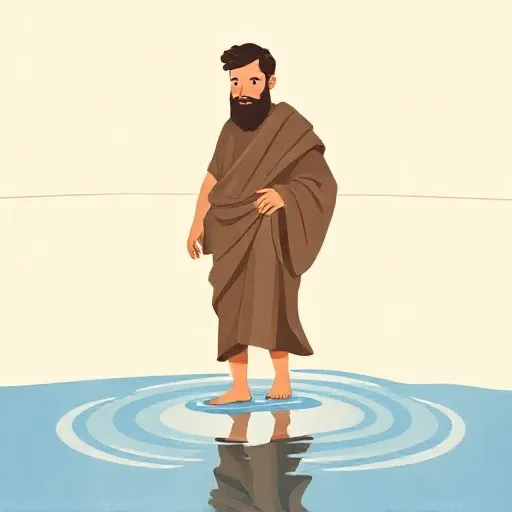
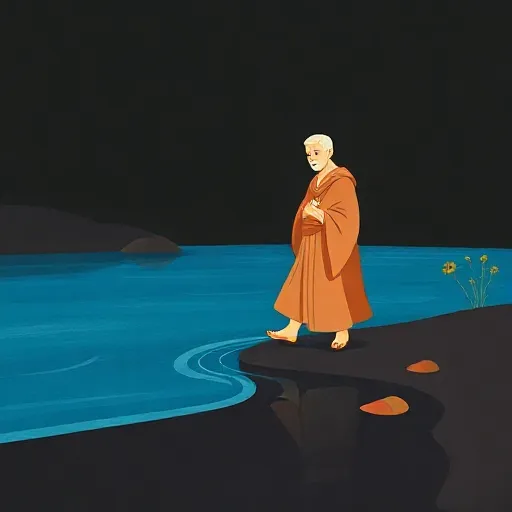
Are You More Like a River or a Rock? The Ancient Fight Over Reality
Are you more like a river, always changing, or a rock, solid and still? An ancient debate on this question might change how you see yourself.
-
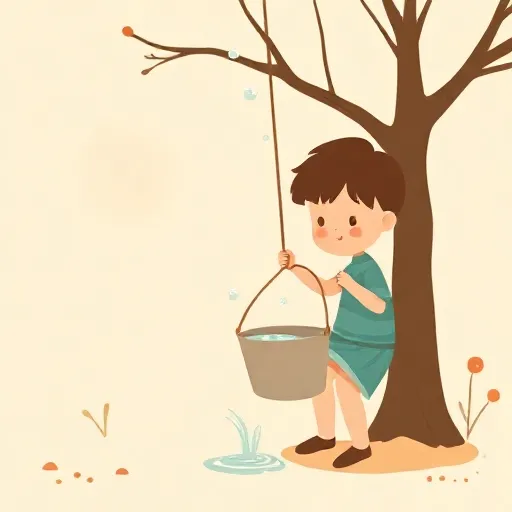
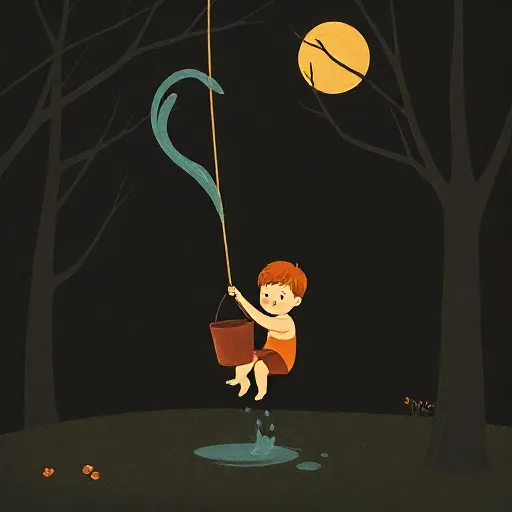
Are You Moving Right Now? The 300-Year Argument Over Absolute Space
Spin a bucket of water—the surface curves. Why? Does it spin relative to something invisible? This 300-year debate asks if space itself is real.
-
Are You Really Sitting Still? The 400-Year Fight Over Motion and Space
Why does smooth motion feel like standing still? The answer took 400 years, from Galileo to Einstein, and it’s why your phone’s GPS works.
-
Are You WEIRD? How Culture Builds Your Mind
Most psychology research used Western college students. But culture changes how we think, feel, and judge—and most people aren't WEIRD.
-
Atoms Don’t Just Jump — They Dance to a Hidden Tune
Why don't electrons crash into the nucleus? Bohr found they jump between allowed paths, making light like musical notes. A puzzle that still mystifies us.
-
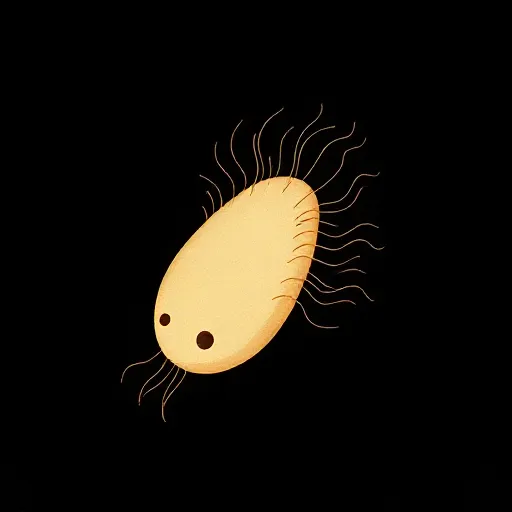
Beyond Genes: The Hidden Ways You Inherit Traits
How do traits pass to children without changing genes? Chemical switches, behaviors, and language can carry inheritance, changing how we see evolution.
-
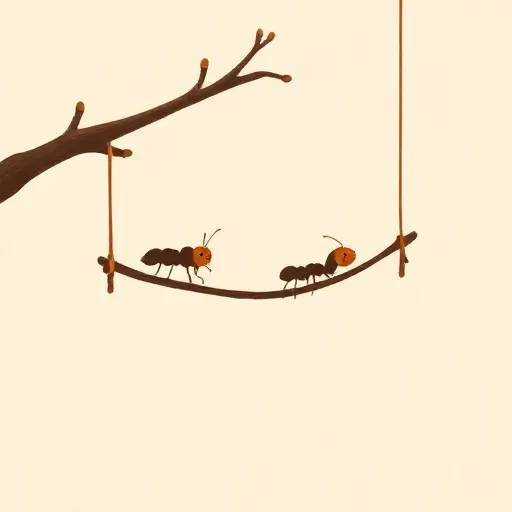
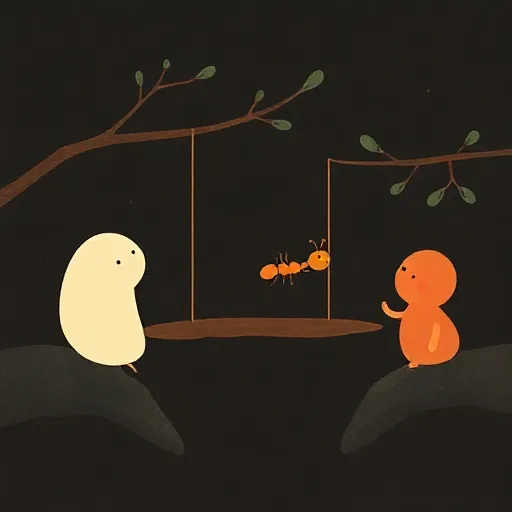
Can a Bunch of Ants Know Something the Individual Ants Don’t?
Ants follow simple rules, but colonies build bridges and farms. Does a whole have powers its parts don’t? An old debate that might explain your mind.
-
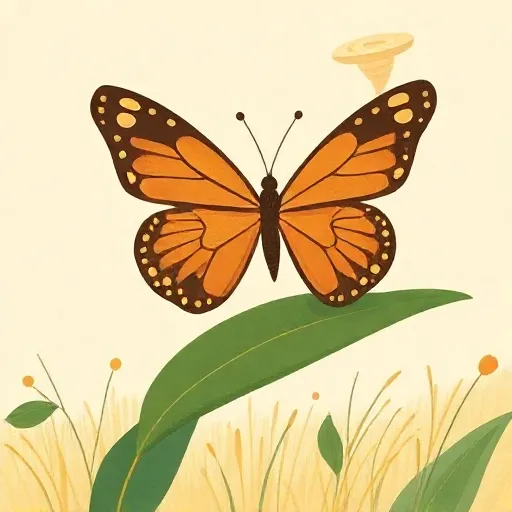
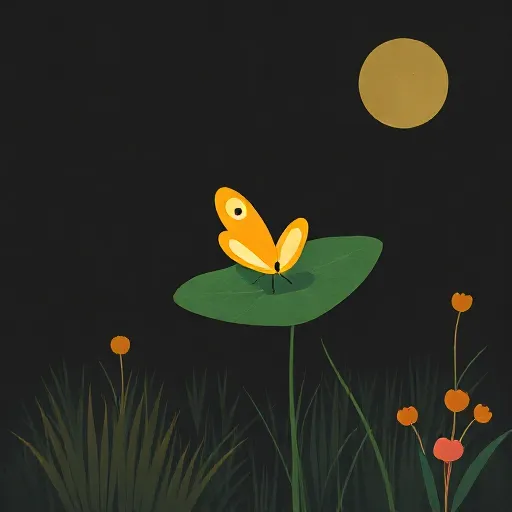
Can a Butterfly Flapping Its Wings Really Cause a Tornado?
Can a butterfly flapping its wings really cause a tornado? Tiny changes can make the future unpredictable, even when exact rules apply.
-
Can a Computer Simulate How We Think?
Philosophers use computer games to study how we think: why opinions spread, how we get stuck, or become unfair. A new way to explore old questions.
-
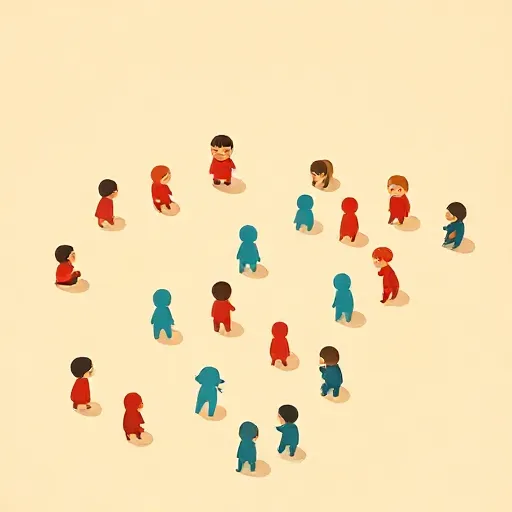
Can a Computer’s Make‑Believe World Teach Us About the Real One?
Simulations build simplified digital worlds to predict hurricanes and understand crowds. How can we tell when their guesses get the real world right?
-
Can a False Idea Be More Useful Than a True One?
Sometimes a false idea is more useful than a true one. Philosopher Hans Vaihinger called these 'fictions' and showed how they help us in science and life.
-
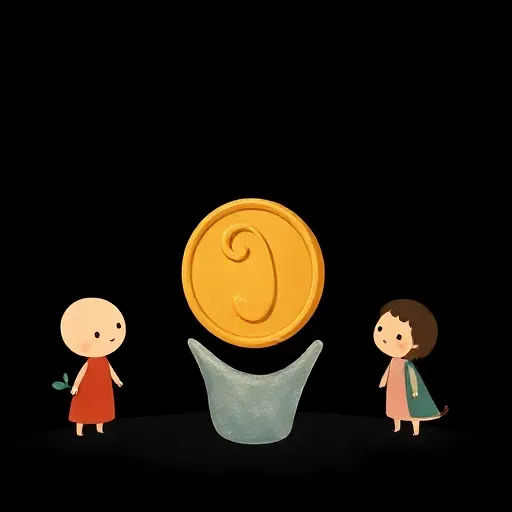
Can a Machine That Never Wavers Make Something Truly Random?
Can a steady machine make something truly random? Coin flips seem random, but patternless code isn't. Find out how chance and randomness differ.
-
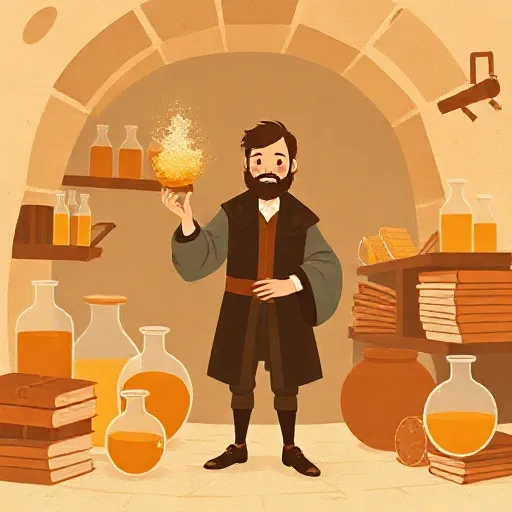
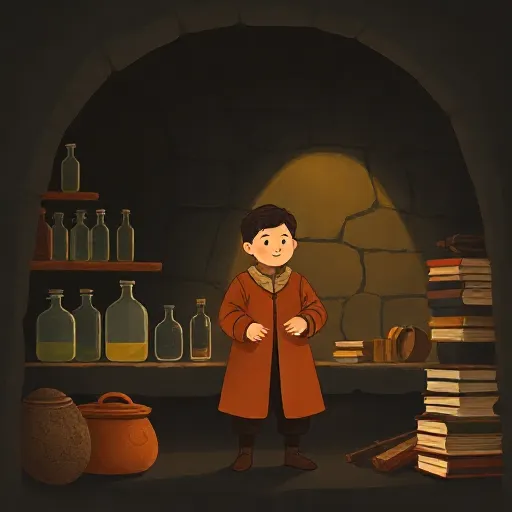
Can a Magician Be a Scientist? Giovan Battista della Porta Thought So
Can magic tricks be real science? Giovan Battista della Porta thought so. He tested spells and potions, risking his life to explain them naturally.
-
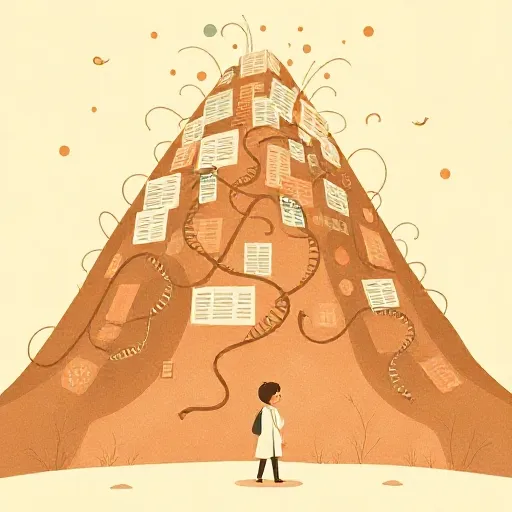
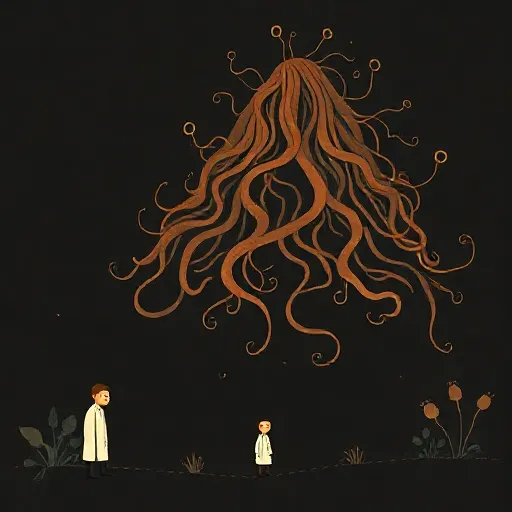
Can a Million Spreadsheets Replace a Scientist?
Can computers find truth without human ideas? This question affects every app that recommends songs or videos to you, because every dataset hides choices.
-
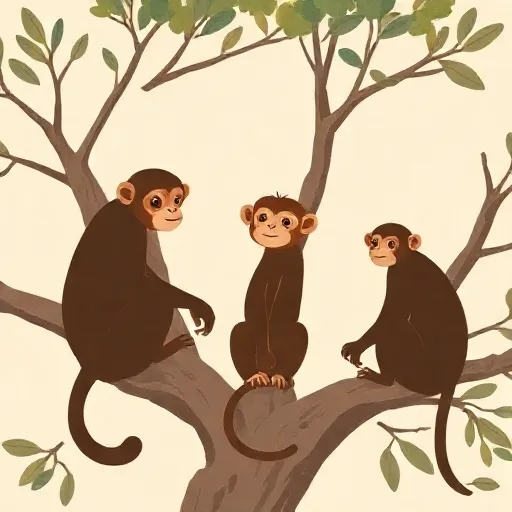
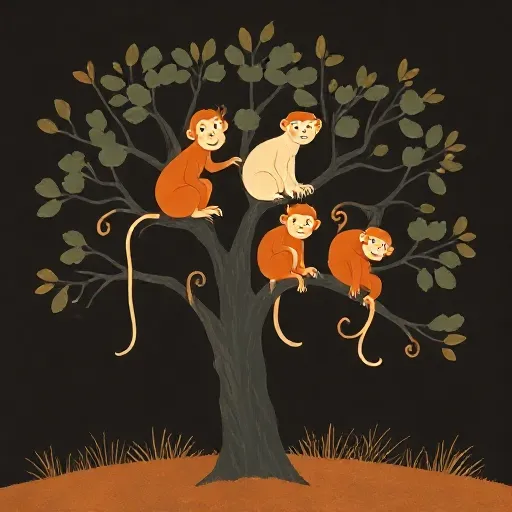
Can a Monkey Mean “Leopard!”?
Do monkey alarm calls mean something like words? And could animals have grammar too? This helps us understand what makes human language special.
-
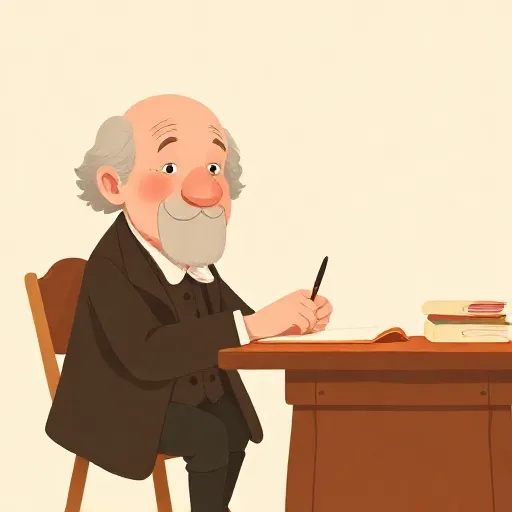
Can a Pen Fight a Kingdom? Voltaire’s War for Reason
How did Voltaire use satire, science, and wit to battle kings and churches? His story shows how thinking for yourself can change the world.
-
Can a Plant Feel? The Scientist Who Made the Universe Alive
Can a flower feel? Gustav Fechner thought so, and he believed planets and stars are aware too. Find out why he saw the universe as alive.
-
Can a Poem About Atoms Cure Your Fear of Death?
Can reading a poem about atoms really help you stop being scared of dying? The Roman poet Lucretius thought so, and his 2,000-year-old ideas make us think.
-
Can a Pot Appear Out of Nowhere? The Indian Fight Over Causes
Could a clay pot appear out of thin air? That question split ancient Indian philosophers. They were really arguing about what makes an explanation natural.
-
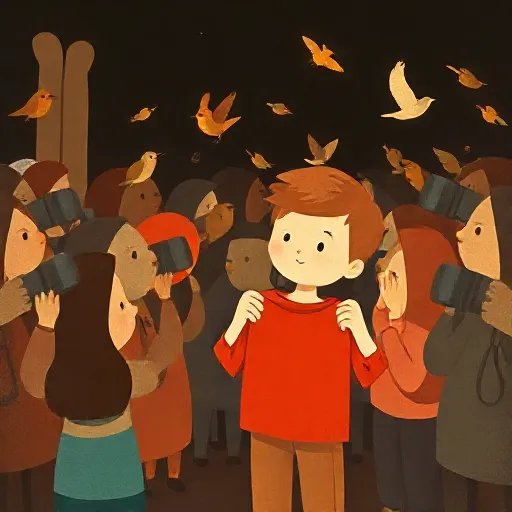
Can a Red Shirt Prove All Ravens Are Black?
A red shirt seems like useless evidence for a bird theory—but probability says it counts. How logic and math reveal the weirdness of confirming ideas.
-
Can a Scientist Believe in Miracles? A 13th‑Century Professor Said No
In the 1270s, a Paris teacher said science can't prove God or miracles. The bishop stopped him, but we still wonder: can you be a scientist and a believer?
-
Can a Sentence Be Too Strange to Mean Anything?
A group of 1920s thinkers said a statement only means something if you can check it against experience. Their test shook philosophy.
-
Can a Single Tiny Difference Ever Prove a Cause?
Can one tiny difference prove a cause? Discover how scientists hunt for causes, and why even clever experiments can be tricked.
-
Can a Tiny Bit of Matter Be in Two Places at Once?
Can a particle be in two places at once? Quantum physics says yes, but looking makes it choose. This puzzles scientists and changes how we see reality.
-
Can an Egg Unscramble Itself? The Puzzle That Haunted Boltzmann
If tiny particle rules work both ways in time, why do eggs break but never un-break? The answer is a mind-boggling game of chance.
-

Can an Idea Be True If You Never Finish Testing It?
Peirce said science is like an endless chess game where the rules keep changing. He thought all knowledge is a guess — and that’s a good thing.
-
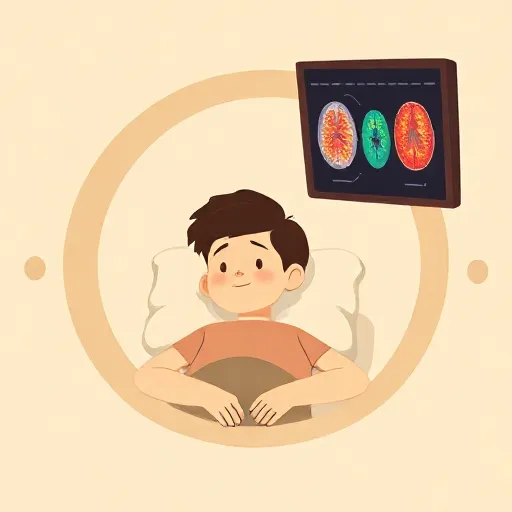
Can Brain Science Explain Your Mind? The Neurophilosophy Challenge
Neuroscientists can watch your brain in action. Does that mean your thoughts, feelings, and choices are just brain cells firing? A guide to the big debate.
-
Can Everything Be Explained by Bouncing Particles? Descartes’s Big Bet
He replaced mysterious forces with size, shape, and motion. His three laws of motion reshaped science — but some puzzles still refuse to be solved.
-
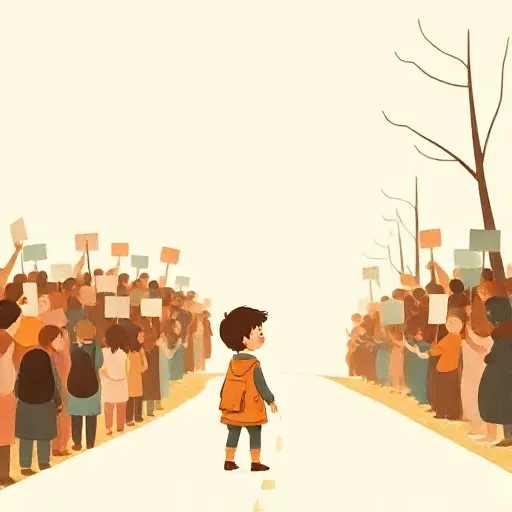
Can Groups Do Things, or Is It All Just People?
Can groups act on their own, or is it just people? Why this old debate about social rules and individual choices still matters.
-
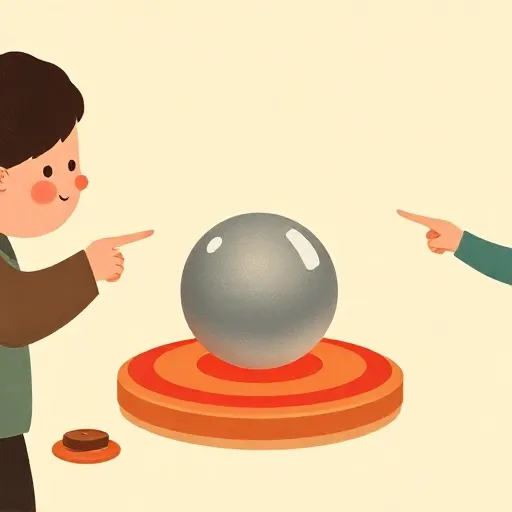
Can Nothing Make Something Happen?
A spinning ball, a broken promise, a missed missile. Philosophers argue about what a cause really is — an event, a fact, or something weirder.
-
Can Numbers Actually Explain Why Things Happen?
Scientists use math to predict, but can mathematics itself explain the world? A debate that connects cicadas, bridges, and the reality of numbers.
-
Can Numbers Touch the Real World? Hermann Weyl’s Impossible Question
Can we touch reality directly, or do numbers build our world? Hermann Weyl asked this and discovered a hidden symmetry that holds atoms together.
-
Can Quantum Weirdness Explain How You Choose?
Can quantum weirdness let you choose freely? Physics usually says everything is fixed, but randomness at the tiny scale might mean you truly decide.
-
Can Science Ever Be as Certain as Geometry? Locke’s Answer
Why can we be sure about triangles but not about gold? Locke said our senses are too weak to see tiny parts of things, so nature stays mysterious.
-
Can Science Ever Explain What Makes Art Beautiful?
Why do we care if a painting is a forgery? Even if it looks the same, knowing it's fake changes how we feel. Can brain scans explain this?
-
Can Science Resolve Any Disagreement?
Can science settle all arguments? Sidney Hook thought testing ideas by results could resolve any dispute, but critics said morals aren't lab experiments.
-
Can Science Tell Us What's Right and Wrong?
Can science discover right and wrong? If moral facts are natural, we could study them like gravity. But many think morality is too strange for science.
-
Can Space Really Bend? How Geometry Lost Its Certainty
For ages, geometry seemed unshakable, but new kinds of geometry made people wonder: is math discovered or invented? This changed how we see truth.
-
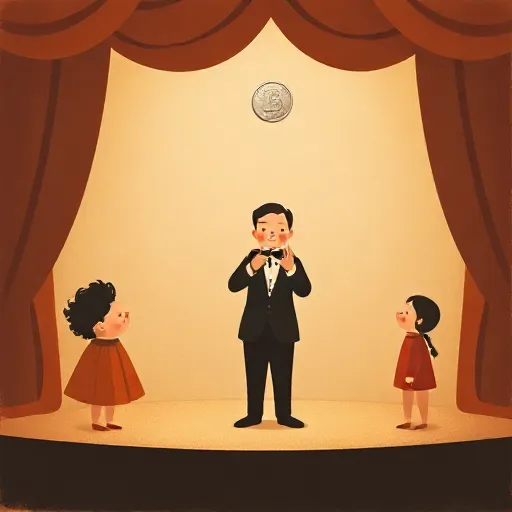
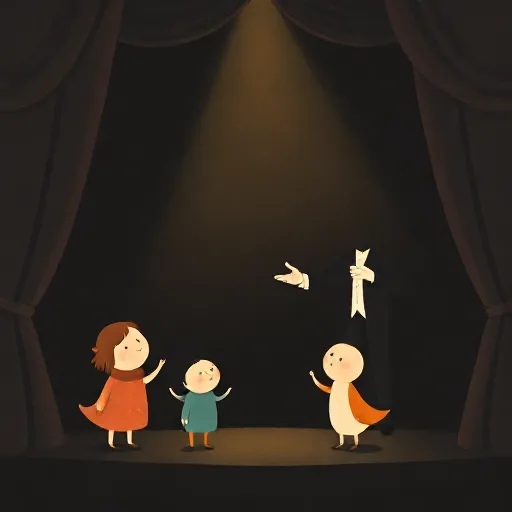
Can the Future Reach Back and Change the Past?
Could the future change the past? Explore backward causation, where a coin flip might affect a guess made earlier, and see why it questions free will.
-
Can Two Particles on Opposite Sides of the Universe Share a Secret?
Can particles far apart share an invisible link? Einstein called it spooky. The answer makes us rethink what is real when no one is looking.
-
Can Two Particles Share a Secret That Travels Faster Than Light?
What if two particles could share secrets faster than light? This is the mystery of quantum entanglement, which questions what we call real.
-
Can Two People See the Same Quantum Event Differently?
Relational quantum mechanics claims properties only exist when systems interact. An event can look different to different observers.
-
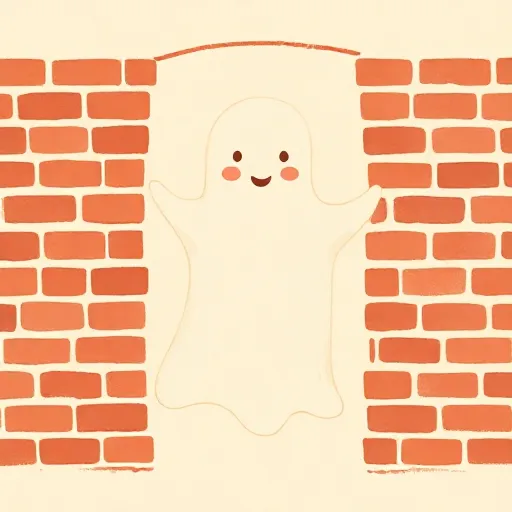
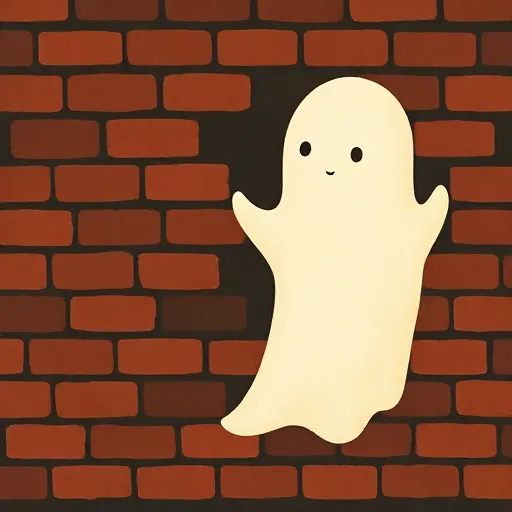
Can Two Things Be in the Exact Same Spot at Once?
Ghosts and walls, time travelers and tiny strings — they all challenge a rule about where things can be. The puzzle of location and parts.
-
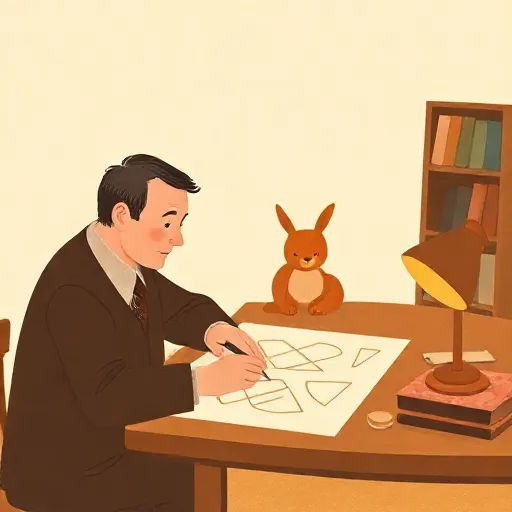
Can We Build a Better Language for Thinking?
Carnap said old words trick us. He designed new, precise language rules to clear up confusion — and said we could choose any rules as long as we're clear.
-
Can We Trust Our Own Minds? Francis Bacon’s Answer
Can we trust our own thinking? Francis Bacon said no — our minds have built-in errors he called idols. Why it matters: his method sparked modern science.
-
Can What You Do While You’re Alive Evolve Your Whole Species?
Can your life experiences change how your whole species evolves? This debate could change our view of health and who we are.
-
Can Who You Are Give You a Better View of the Truth?
Can your identity affect what you know? Your background might help you notice things others miss, and that’s why we need many different points of view.
-
Can Words and Ideas Really Fight for Survival?
Can words and ideas struggle for life like animals? Darwin believed they could. Find out how useful ideas spread and why others disappear.
-
Can You Be a Scientist and a Saint? Albert the Great’s Big Experiment
Can you be a scientist and a saint? Albert the Great studied stars, stones, and souls, showing that curiosity and faith can work together.
-
Can You Be Tricked Into Thinking You’re a Donkey?
In 14th-century Oxford, thinkers invented logic games that could prove you were a donkey — and in the process, discovered the mathematics of acceleration.
-
Can You Bet on a Belief?
Can you measure what you believe by what you'd bet? Frank Ramsey thought so, and his idea changed how we predict weather and build computers.
-
Can You Build a Machine That Makes Time Loops?
Physicists imagine a device that warps space so you could loop back and meet yourself. But can it really work, and how would we know it caused the loops?
-
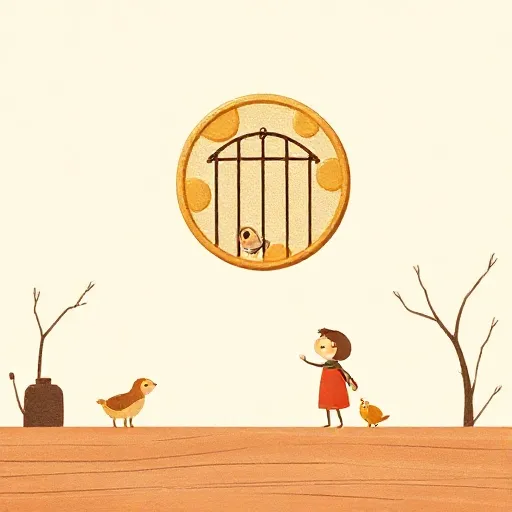
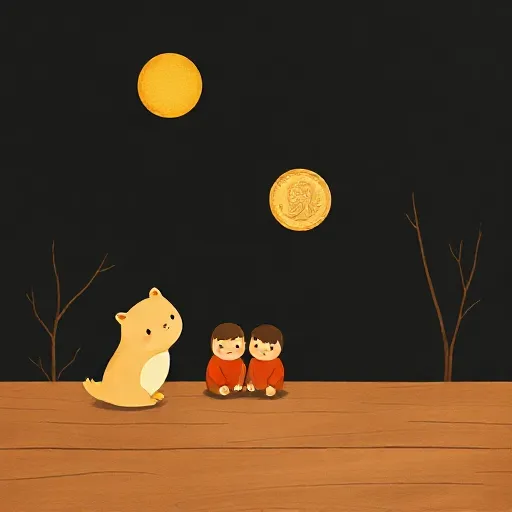
Can You Change the Future Before It Happened?
Can your future be predicted? Philosopher Jan Łukasiewicz said no—the future isn’t fixed, so your choices are free. He created a new logic to prove it.
-
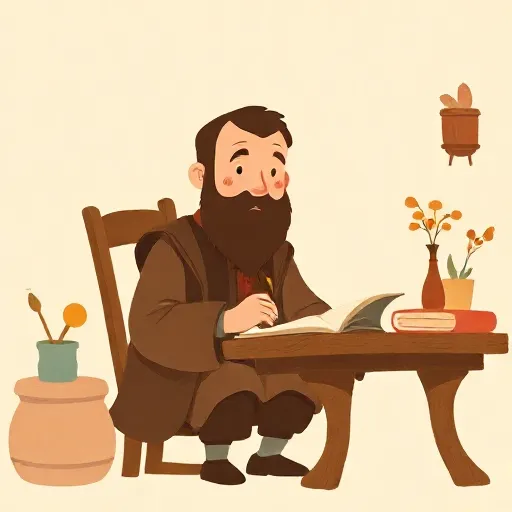
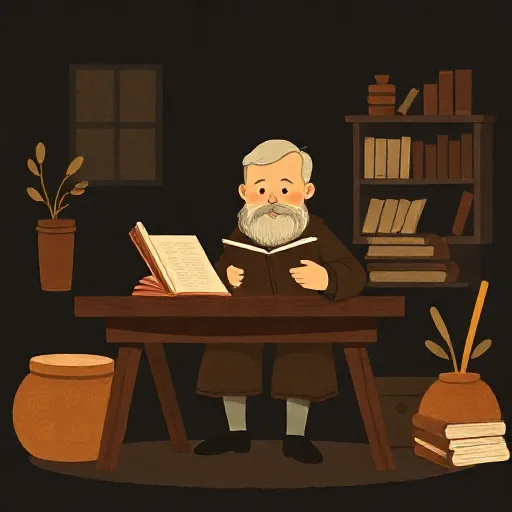
Can You Ever Really Know Something? The Doctor Who Said No
Can we ever really know something? Doctor Sanches doubted it, saying senses and words fool us. His curiosity shows why we still ask.
-
Can You Figure Out What’s True Just By Thinking?
Some philosophers say you can understand knowledge with pure reasoning. Others say you need a lab. A debate that never ended.
-
Can You Go Back in Time and Change Anything?
If you visited your own past, could you stop yourself from being born? Philosophers and physicists argue about whether time travel makes any sense.
-
Can You Invent a Recipe for Discovery?
Can you invent a recipe for discovery? Find out why philosophers now think even the best ideas aren't just luck.
-
Can You Know Exactly Where a Particle Is and How Fast It's Going?
You can't know both exactly where a tiny particle is and how fast it's moving. This isn't a flaw in our measurements—it's how the universe works.
-
Can You Measure Goodness with a Math Equation?
In 14th-century Oxford, Richard Kilvington used logic and math to solve puzzles about motion, infinity, and virtue. His ideas helped launch modern science.
-
Can You Prove a Sentence Has No Meaning?
How can a sentence have no meaning? Some thinkers said if you can't test a claim, it's just noise. Their question still helps us see through empty talk.
-
Can You Prove Fire Is Hot? The Priest Who Said No
Nicholas of Autrecourt claimed you can never be absolutely sure that one thing causes another. In 1346, the Church forced him to burn his own writings.
-
Can You Really Know What an Animal Is Thinking?
Are animals really thinking like us when they do clever things, or just repeating tricks? The answer changes how we treat animals and design robots.
-
Can You Really Trust Your Own Eyes? The 1700s Battle Over Knowing
Is seeing believing? 1700s thinkers found that our senses can fool us, and certainty is hard to reach. The doubts they found still affect you today.
-
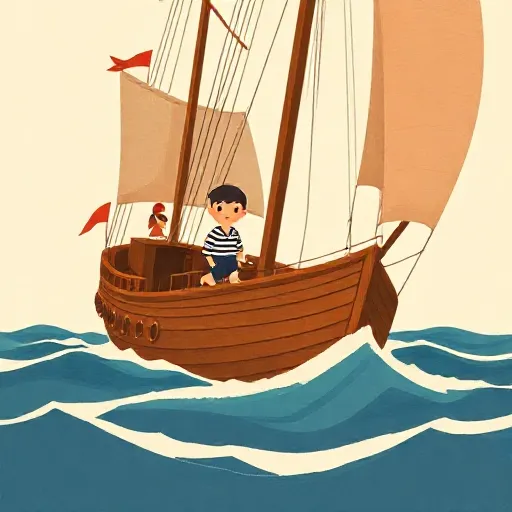
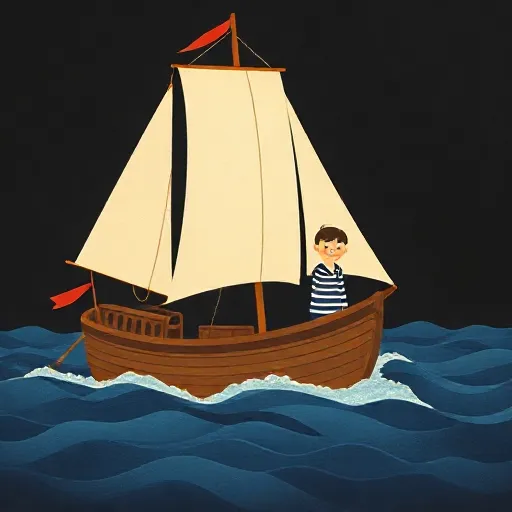
Can You Start Your Beliefs from Scratch? Neurath Says No
Why can't you start your beliefs from scratch? Neurath's boat: we fix our knowledge like a ship at sea, never jumping off.
-
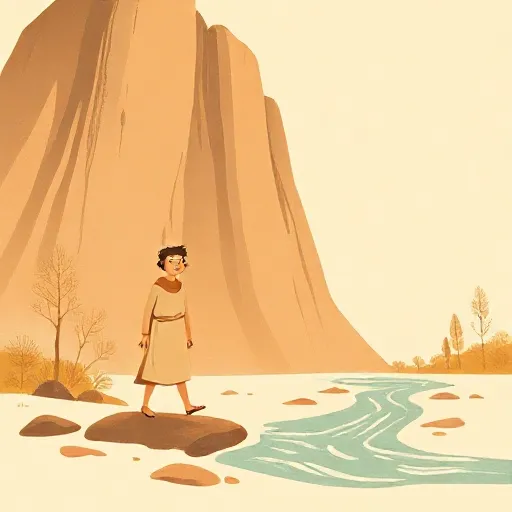
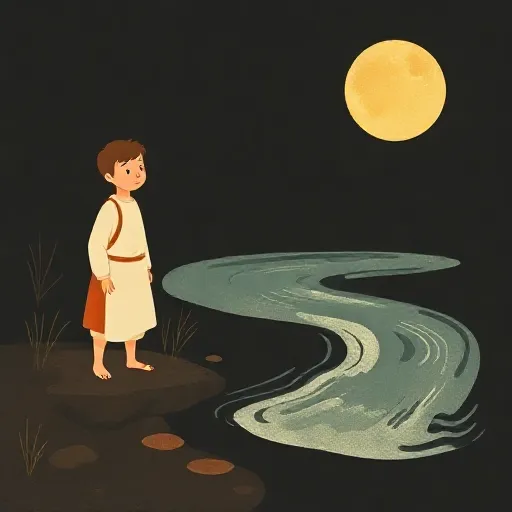
Can You Step into the Same River Twice? What Physics Says About Time
Is only the present real, or do past and future exist just as solidly? An ancient argument, re-ignited by relativity and spacetime.
-
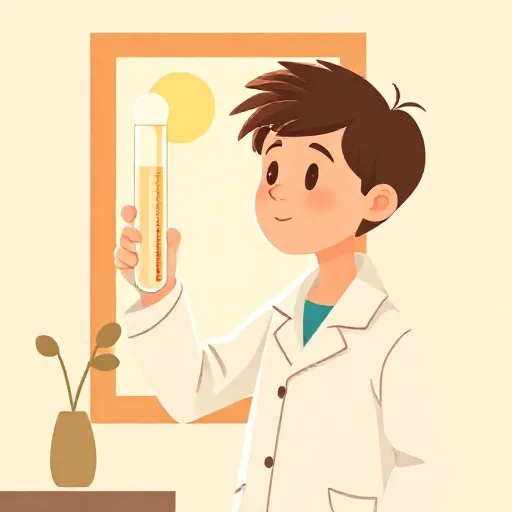
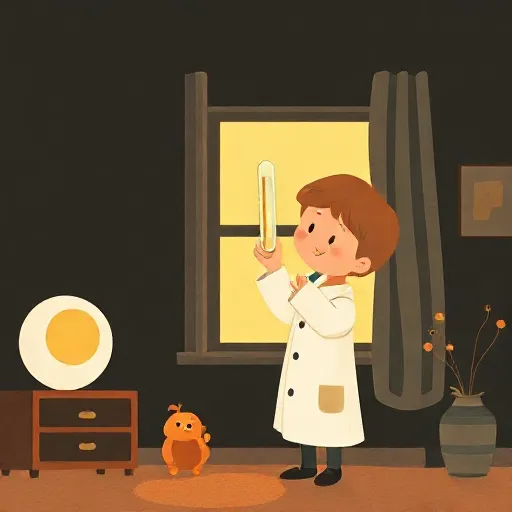
Can You Talk About Something You've Never Seen?
How do words for invisible things like heat get meaning? A philosopher's puzzle shows why testing scientific theories is trickier than it looks.
-
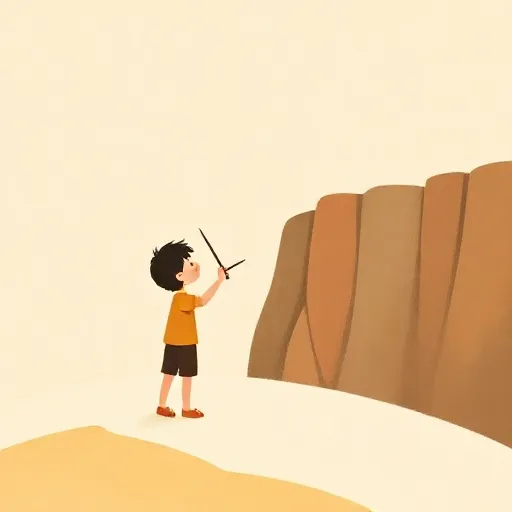
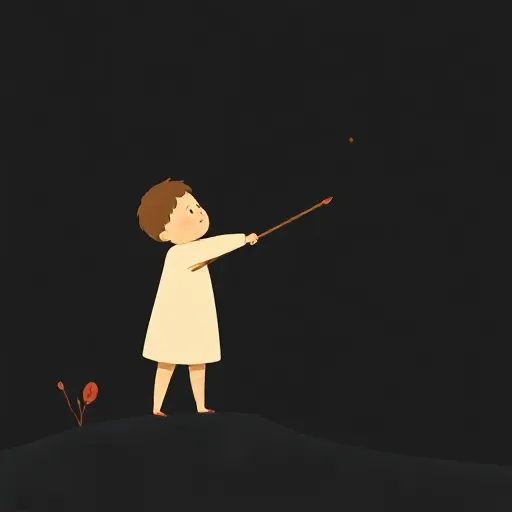
Can You Throw a Spear Past the Edge of the Universe?
What if you throw a spear at the edge of the universe? This thought experiment shows how imagining can unlock deep ideas about space, but also fool us.
-
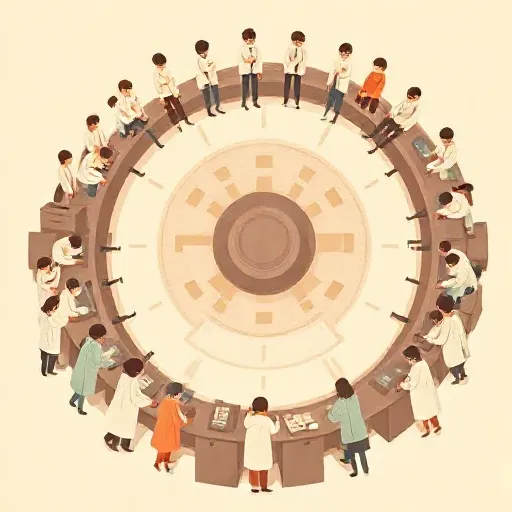
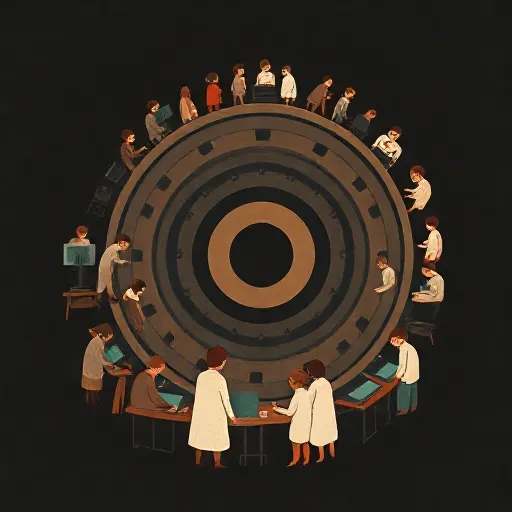
Can You Trust a Scientist Who Trusts Other Scientists?
Can we trust a scientist who trusts other scientists? This question reveals that all knowledge depends on teamwork and checking each other's work.
-
Can You Trust Your Mind? Descartes’ Rules for Finding Truth
Can a step-by-step method make knowledge completely certain? Descartes tried, and his ideas still spark debate among thinkers.
-
Can You Turn Your Own Mind Into a Science?
Can your mind be studied like science? Wundt tried in his lab, but Kant said observing a thought changes it. See what they discovered.
-
Can You Understand a Person Like You Understand a Rock?
Why can’t we study people like rocks? Because understanding feelings is different from explaining gravity. That changes how we see history and ourselves.
-
Climate Detectives: How We Solved the Mystery of a Warming Earth
How do we know Earth is warming and that people caused it? Scientists collected clues from weather stations, ice, and computer models to solve the mystery.
-
Could a Board of Sliding Pegs Reason Like a Human?
Could a board of sliding pegs reason? This story of a 19th-century inventor's dream of a thinking machine reveals surprising limits.
-
Could a Computer Ever Have a Mind of Its Own?
Could a computer ever have a mind of its own? The Turing Test checks if a machine can pass as human, raising questions about thinking.
-
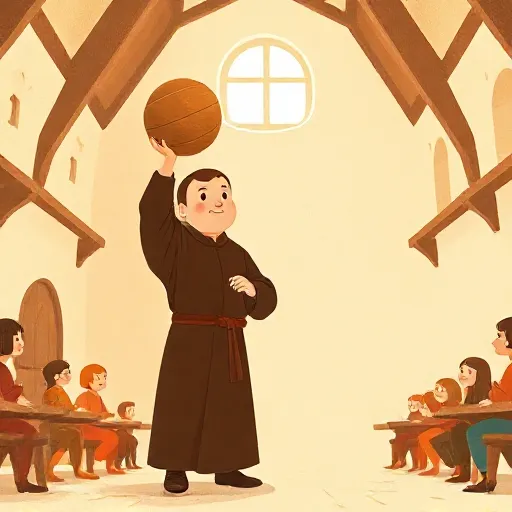
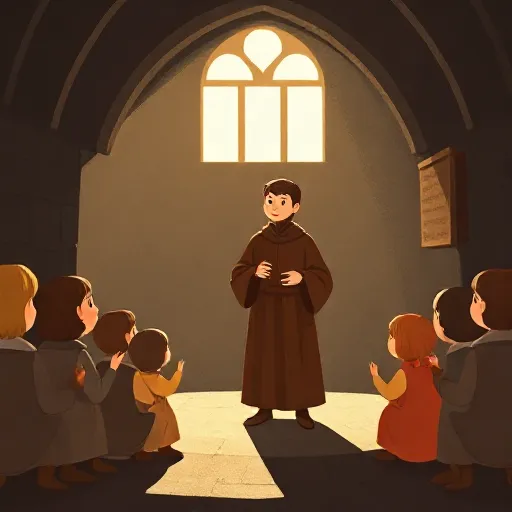
Could a Medieval Monk Predict Your Every Move?
Could a medieval monk know your every move? Nature is like dominoes you can predict. But human choices can tip either way, so you are free.
-

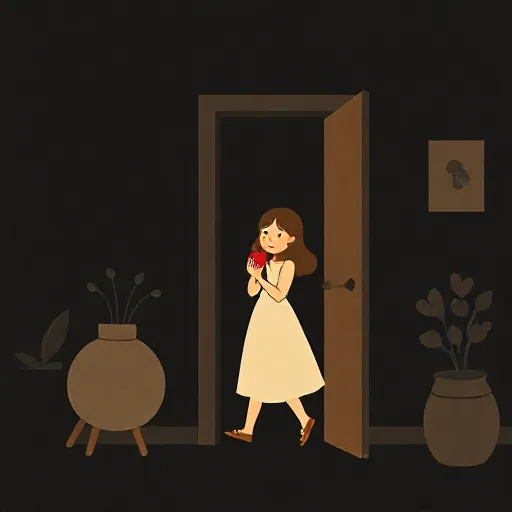
Could a Neuroscientist Know What Red Looks Like?
Could a scientist who knows every brain fact learn something new when seeing red? This puzzle makes us question whether everything is physical.
-
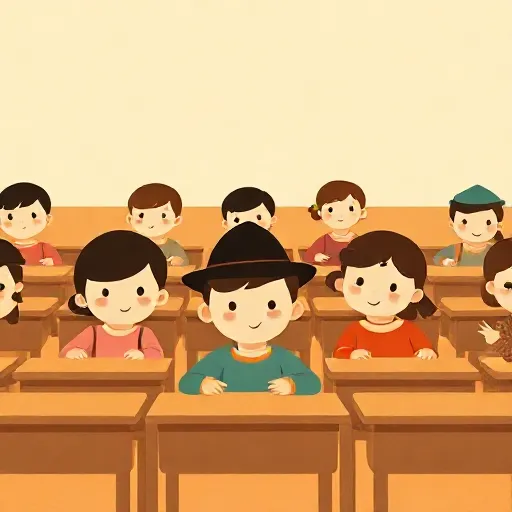
Could a Simple Rule Create a Strange New World?
An ordinary rule about wearing hats creates dazzling patterns. What if our entire universe ran on simple rules like that? Welcome to cellular automata.
-
Could a Species Really Turn Into Another? The Long Fight Before Darwin
For over 2,000 years, thinkers argued whether animals and plants could change into new kinds over time. The fight that shaped biology before Darwin.
-
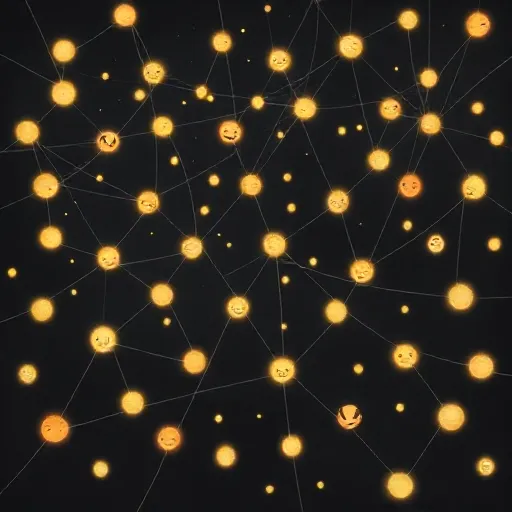
Could a Tangle of Wires Learn to Think Like You?
Can a network of simple switches learn to think like a human? The idea challenges the computer model of the mind, sparking a big debate.
-
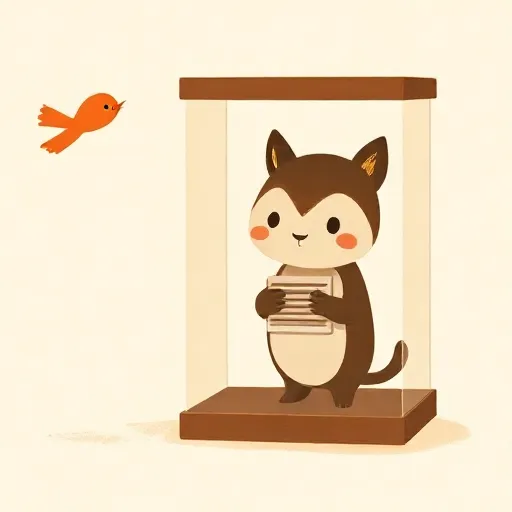
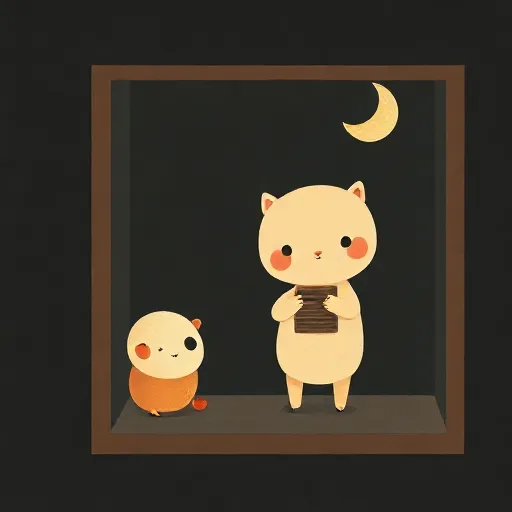
Could a Tiny Demon Outsmart the Universe’s Most Stubborn Rule?
Can a tiny demon break the rule that heat always spreads out? This puzzle showed the strange link between information and heat.
-
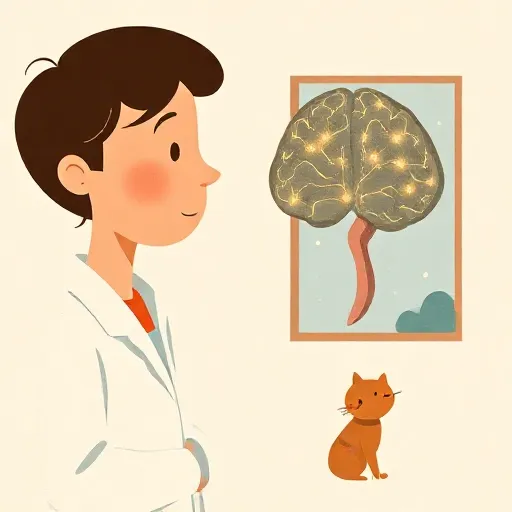
Could Consciousness Be What the Universe Is Made Of?
Could consciousness be what everything is made of? Physics only shows structure, not substance. Some philosophers think mind is the missing stuff.
-
Could Two Things Happen at the Same Time… or Is That Just a Label?
Einstein said you need a rule to call far-apart events simultaneous. Some philosophers say you can choose the rule. Others say physics forces your hand.
-
Could You Ever Travel Back and Kill Your Grandfather?
Time loops could let you kill your grandfather. But weird contradictions might stop you, showing time's true nature is strange.
-
Did a 13th-Century Monk Discover That Your Mind Builds Reality?
Did a 13th-century monk discover that your mind builds reality? His ideas still surprise scientists and philosophers today.
-
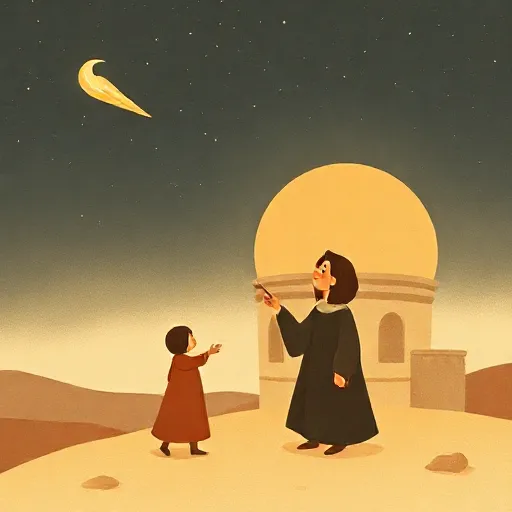
Did a Comet Smash Aristotle’s Universe to Pieces?
A comet in 1577 smashed the old idea of a perfect sky. This sparked a big debate: how do we know what’s really true?
-
Did a Cosmic Craftsman Build the Universe? Plato’s Timaeus
Did a wise mind create the universe? Plato’s Timaeus says yes, like a builder making all things good. Could your own mind be part of that plan?
-
Did a Tiny Person Already Live Inside You Before You Were Born?
Did you start as a tiny fully formed person, or did you grow step by step? This old debate still shapes how we think about DNA and stem cells.
-
Did Einstein Trap Himself with a Hole in Spacetime?
Einstein almost gave up on his theory due to the 'hole argument': if spacetime is real, his equations fail. Is spacetime just a useful story?
-
Did God Use Geometry to Build the Universe?
Did God use shapes to build the universe? Kepler thought so, and his search for hidden patterns changed how we understand the planets.
-
Did Natural Selection Design Every Part of You?
Are your body parts perfectly designed by evolution, or just accidents? A century-old debate among biologists affects how we see ourselves.
-
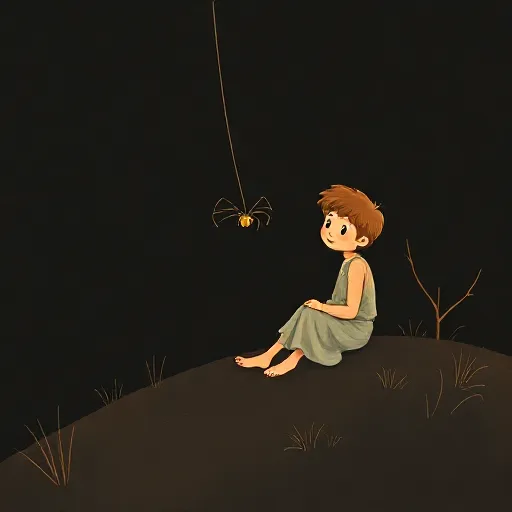
Did Nature Teach Us to Build Houses?
Ancient thinkers claimed humans copy swallows and spiders. But if we copy, who decides what gets built — and why? A story from bird nests to smartphones.
-
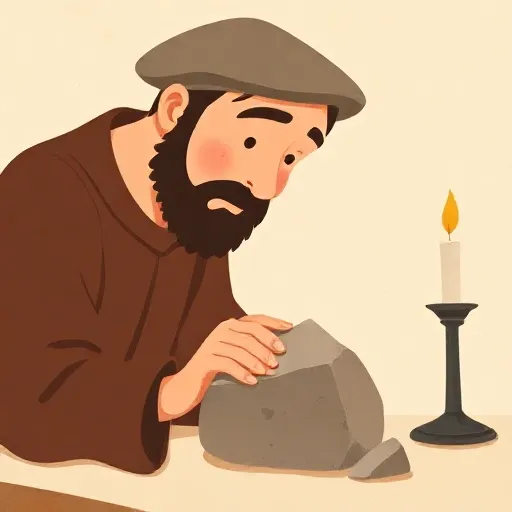
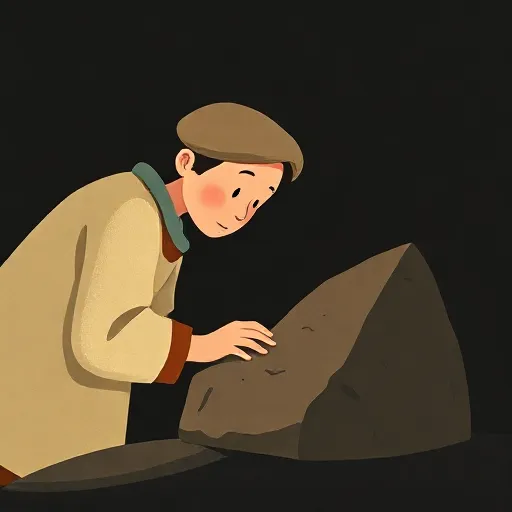
Did Rocks Feel Things? The Philosopher Who Said Everything Could Sense
Bernardino Telesio thought heat and cold battle to create everything, and even stones have sensation. His radical ideas helped launch modern science.
-
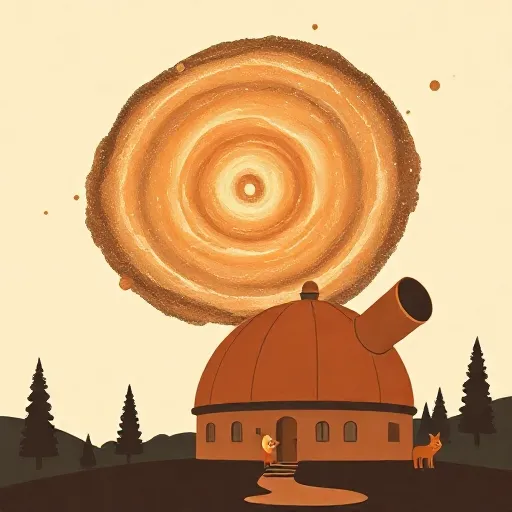
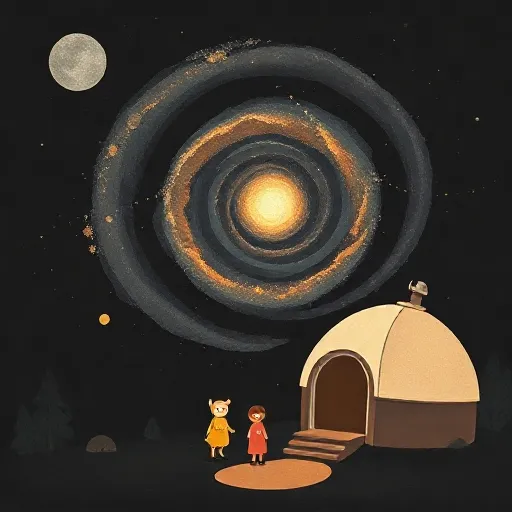
Did the Big Bang Prove God Created the Universe?
The Big Bang looked like a moment of creation. But philosophers, physicists, and theologians soon found the story is far more tangled.
-
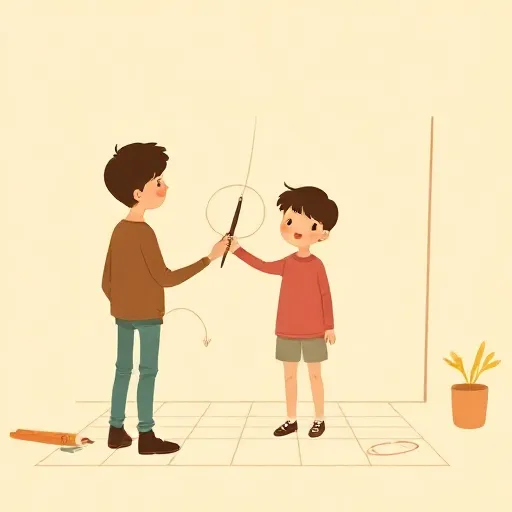
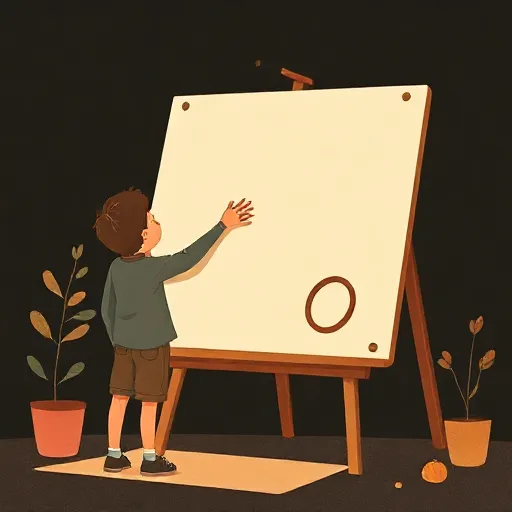
Did We Invent Geometry, or Did We Discover It?
Did we invent geometry, or did we discover it? The answer—that we choose the simplest geometry that works—changed science forever.
-
Did You Really See the Moon When You Weren't Looking?
The moon seems solid, but quantum physics hints that things might not be there unless you look. Could that be true? This mystery is still unsolved.
-
Did Your Mind Invent the Laws of Nature?
Hermann Cohen said the rules of science, ethics, and even God come from our own pure thinking. A bold philosophy that still shapes how we see knowledge.
-
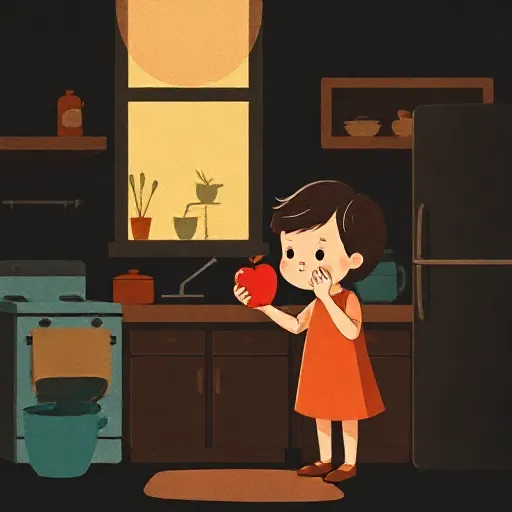
Do All Red Things Share a Single Thing Called “Red”?
Why are two apples both red? Do they share one real redness or just look alike? This puzzle about sameness has made philosophers wonder for ages.
-
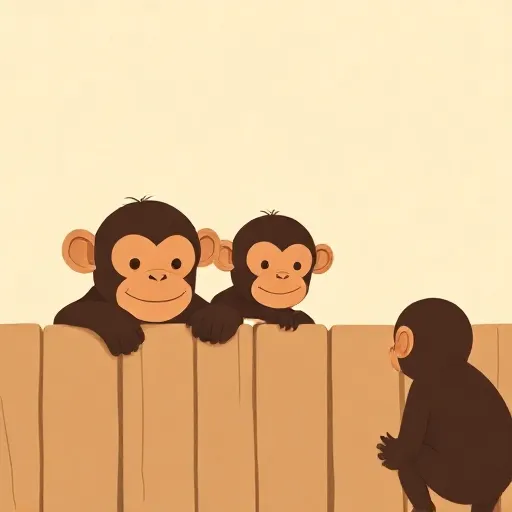
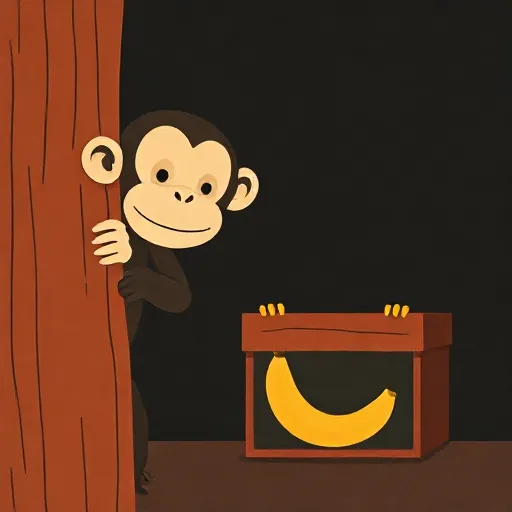
Do Chimps Know What You're Thinking? The Big Debate
Can chimpanzees understand what others believe? A long scientific debate asks if they just read body language instead.
-
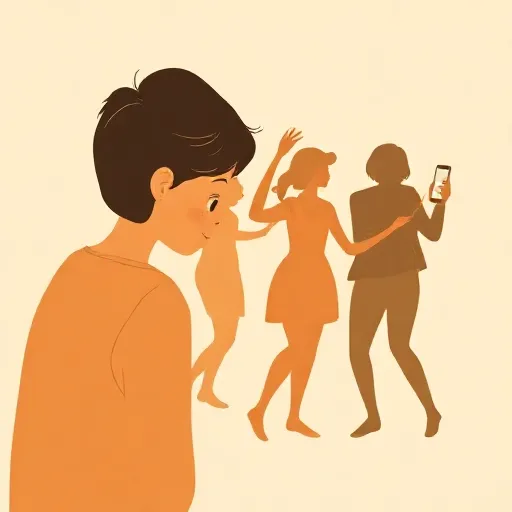
Do Ideas Really Spread Like Genes?
Dawkins said genes are selfish replicators—but ideas, habits, and even immune cells might copy themselves too. A fight over what really drives evolution.
-
Do Landscapes Have Faces? Alexander von Humboldt’s Wild Idea
Why did a Prussian explorer think you need art and feeling, not just measurements, to truly know nature? His answer changed science forever.
-
Do Mountains on Earth Prove There Are Mountains on the Moon?
Can we guess hidden traits from similarities? Galileo guessed moon mountains this way. Such reasoning can discover truths but also lead to errors.
-
Do Other Worlds Hold Copies of You? The Quantum Puzzle
Could copies of you exist in other worlds? Quantum physics says all outcomes happen, splitting reality. It challenges what we think is real.
-
Do Quantum Computers Really Use Parallel Universes?
Does a quantum computer's power come from splitting into parallel universes? Scientists disagree, and the truth could reshape our view of reality.
-
Do Scientists Discover Facts, or Do They Build Them Together?
Do scientists find facts or create them as a group? A strange story about syphilis testing shows how shared ideas shape what we call true.
-
Do Scientists Discover Invisible Worlds or Just Save the Phenomena?
Does science give us true invisible worlds, or just get the visible stuff right? A philosopher argues that modesty about the unseen is smarter.
-
Do the Ingredients Still Exist After You Mix Them?
When you bake a cake, where did the flour and eggs go? For 2,400 years, philosophers have argued about whether the original stuff remains.
-
Do Tiny Particles Send Secret Faster-Than-Light Messages?
Can tiny particles send messages faster than light? When entangled, one instantly affects the other. This challenges reality.
-
Do We Ever See the World as It Really Is?
Hertz said we only see mental pictures. Newton’s force-and-mass puzzle showed why. A century-long quest to understand what physics actually describes.
-
Do We Live in One World, or in Many?
We use stories, science, and art to make sense of the world. Do we live in one world or many? Cassirer says many—and warns when myth becomes a weapon.
-
Do We Really Need All Those Beetles? The Hidden Value of Variety
Should we bother saving all species? Some think the variety of life is priceless because it gives us choices for the future.
-
Do You Have to Be a Scientist to Truly See Nature’s Beauty?
Carlson said yes—you need ecology and geology. Berleant said no—immerse yourself and just feel. A fight about how to look at the world around you.
-
Do You Need to Know What's in Someone's Head to Explain a Crowd?
Can we explain social patterns like crime rates by counting people, or must we understand each person's thoughts? A debate between two big ideas.
-
Do You Really Have Beliefs, or Is That Just an Old Idea?
What if your beliefs aren't real? Some thinkers say 'belief' is an old idea like demons, and science may drop it. Can you still say you believe that?
-
Do You Really Know It, or Do You Just Remember the Answer?
What's the difference between just knowing a fact and truly understanding it? It turns out understanding is trickier but way more useful.
-
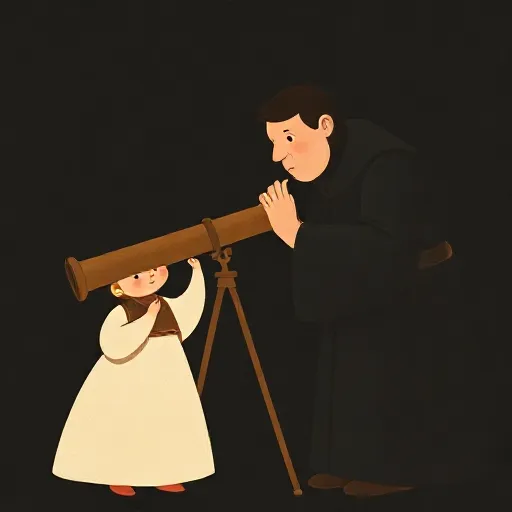
Do You Really Learn Through Your Senses? Gassendi's Stubborn Answer
Pierre Gassendi trusted his eyes and ears more than pure logic. His 1600s feud with Descartes still shapes how we think about science.
-
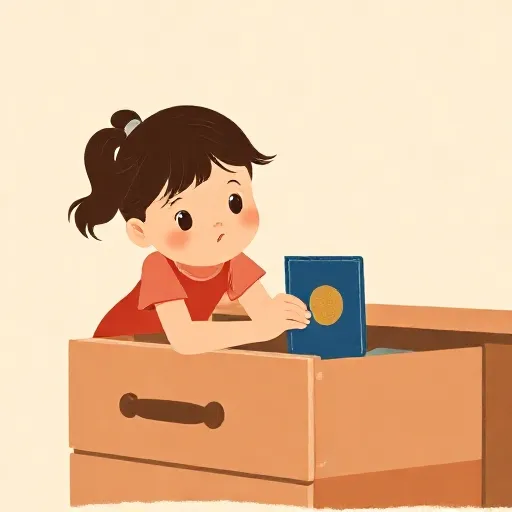
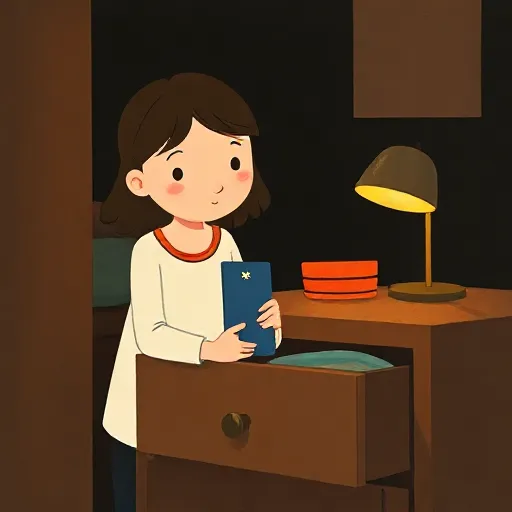
Do You See the Back of Your Desk, or Just Believe It’s There?
We see only one side of things, but our mind fills in the rest. How does that work? Husserl's phenomenology explores this hidden side of experience.
-
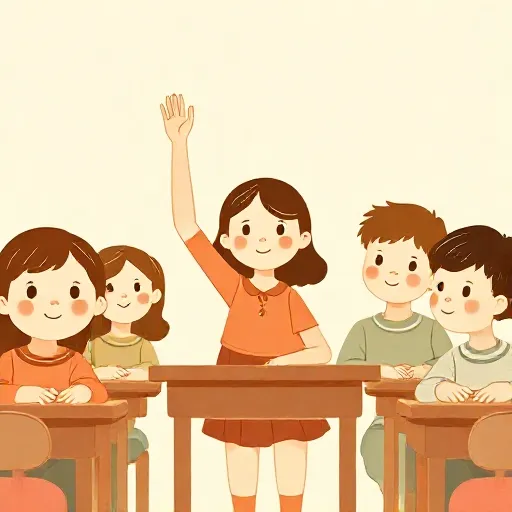
Do You See What I See? Why Your Identity Matters for Knowing
Feminist philosophers say your gender, race, and life shape what you know and whether you're believed. A surprising look at fairness in knowing.
-
Do Your Genes Carry a Secret Message?
Do genes and animal calls carry real information, like a message, or just cause and effect? This shapes what we can predict and what counts as talk.
-
Do Your Thoughts Boil Down to Brain Chemistry?
Are your feelings and thoughts nothing more than brain cells and chemicals? The answer could change how you see yourself and the world.
-
Does a Charged Battery Weigh More? The Real Meaning of E=mc²
Does a charged battery weigh more? Einstein's E=mc² shows that adding energy adds a tiny bit of mass. Are mass and energy actually the same thing?
-
Does an Electron Have a Definite Spin When Nobody’s Looking?
Do electrons have a set spin even when unmeasured? A clever puzzle shows hidden properties create contradictions.
-
Does Everything Need a Cause? Mary Shepherd vs. David Hume
Can anything start without a reason? Mary Shepherd argued with David Hume about whether causes are real, and their debate still helps us trust science.
-
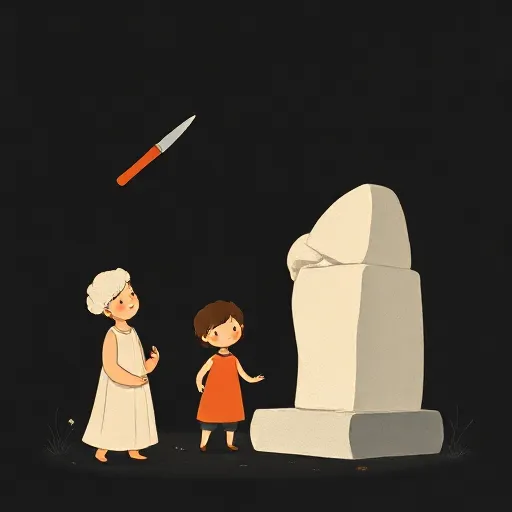
Does Evolution Prove There Is No Human Nature?
People once thought humans had a fixed nature. But evolution shows we came from apes. Does that mean there's no real human nature? Explore what this means.
-
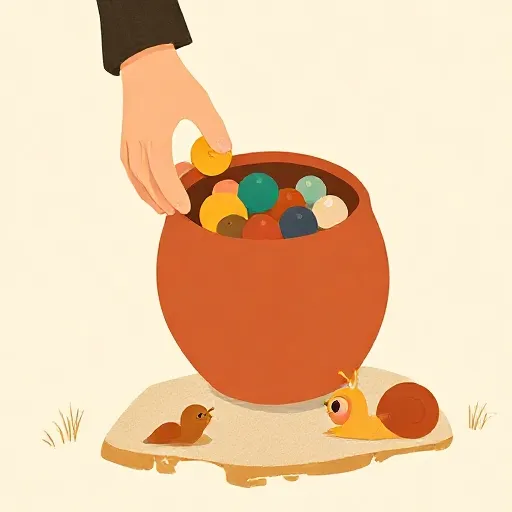
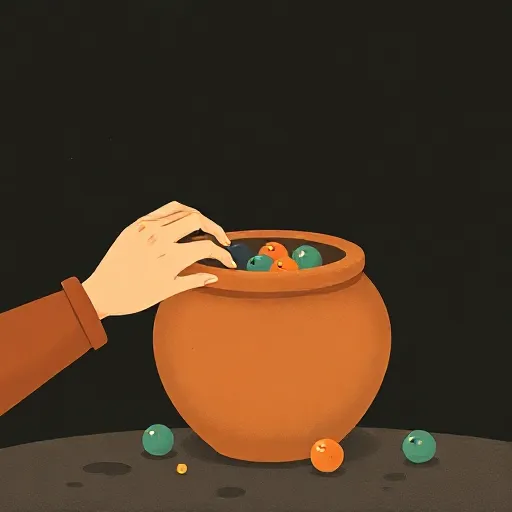
Does Evolution Roll Dice? The Puzzle of Genetic Drift
Why do some traits change for no reason? A 150‑year‑old mystery about chance, survival, and marbles in a bag.
-
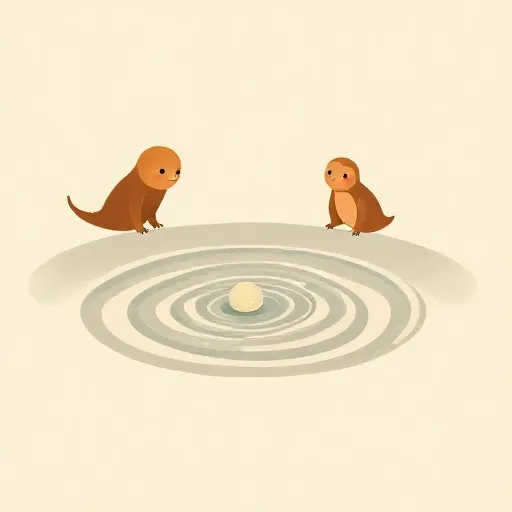
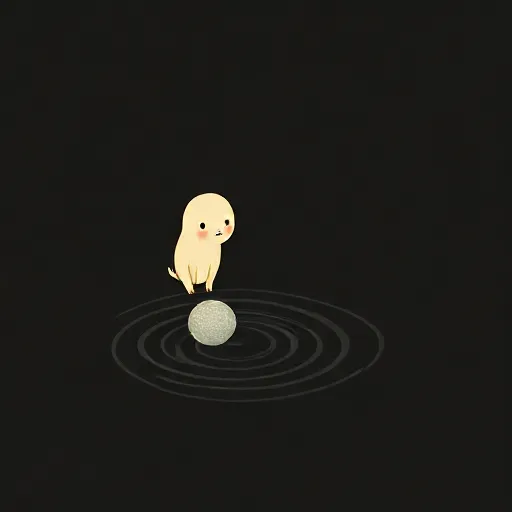
Does Physics Need Cause and Effect, or Just Equations?
You drop a pebble, ripples spread. You think it caused them. But physics equations are silent about causes. A hundred-year-old debate that still rages.
-
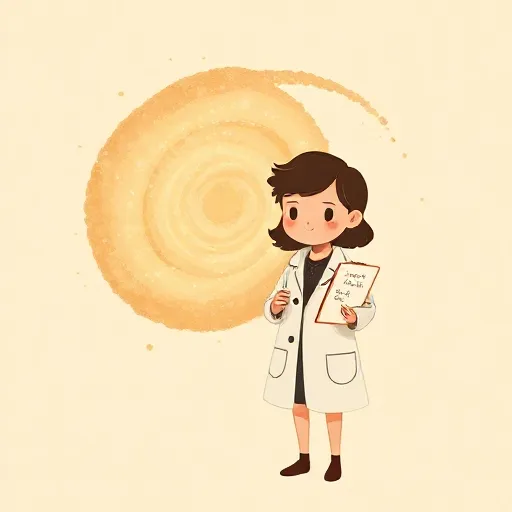
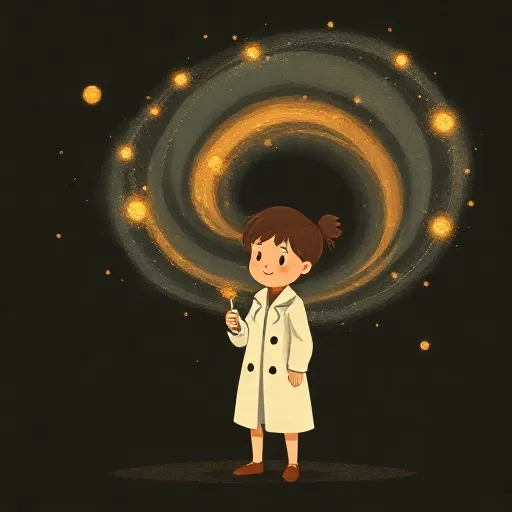
Does Quantum Physics Live in Atoms or in Your Head?
Are quantum chances facts about atoms or bets in your head? Some physicists say it's your beliefs—making you part of the science story.
-
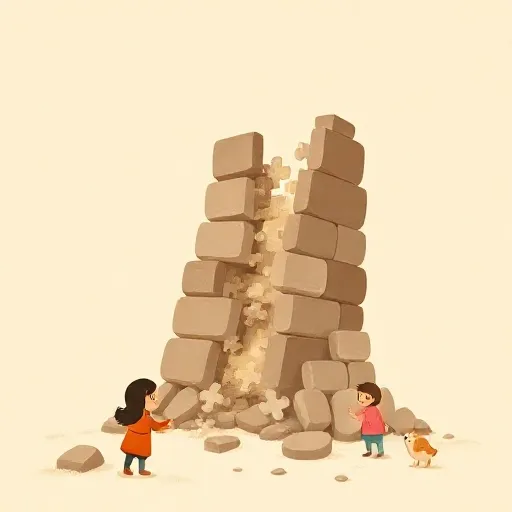
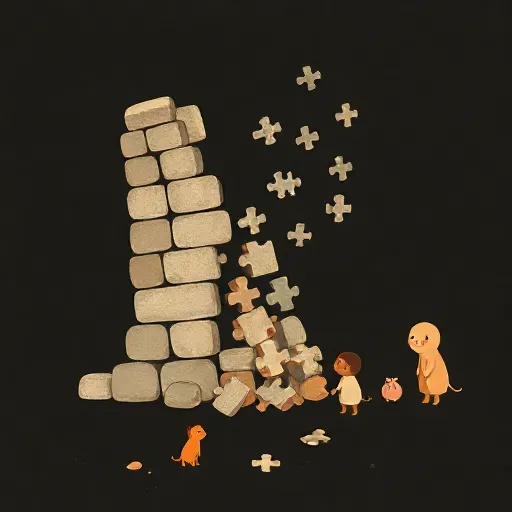
Does Science Get Closer to the Truth, or Just Solve More Puzzles?
Some say science piles up true facts like a tower. Others say breakthroughs shatter old ideas completely. A 60-year fight about getting closer to reality.
-
Does the Treatment Work? It Depends Who You Ask
A drug helps men, helps women, but seems useless overall. Simpson’s Paradox teaches us why numbers can flip and how to see the real story behind data.
-
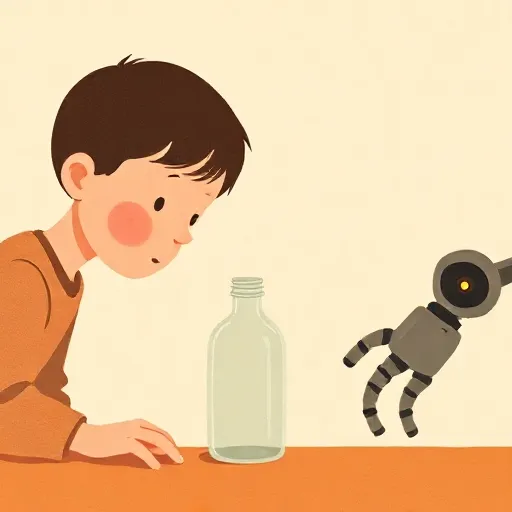
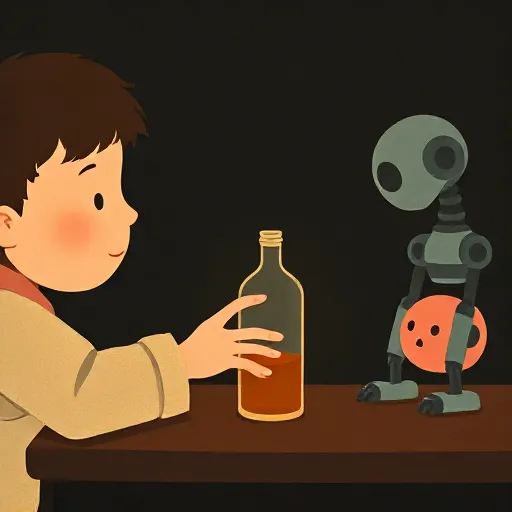
Does Your Body Shape How You Think?
For decades scientists pictured the mind as a computer. But what if your body — not just your brain — decides what you know, feel, and choose?
-
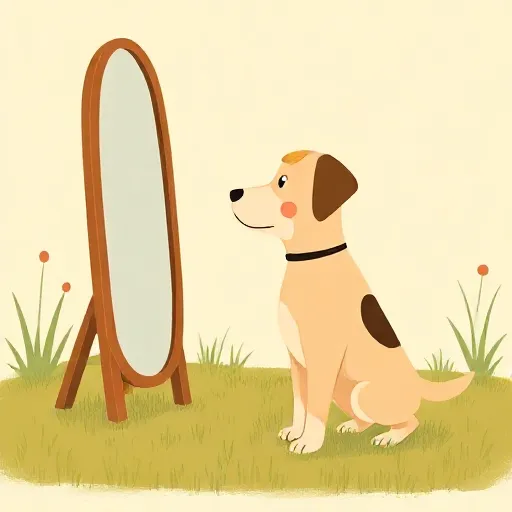
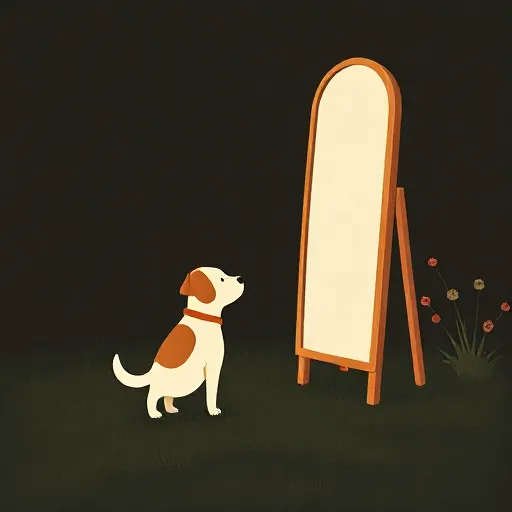
Does Your Dog Really Think, or Just Act on Instinct?
Does your dog truly think, or just follow instinct? Explore the philosophical debate on animal minds and why your answer matters.
-
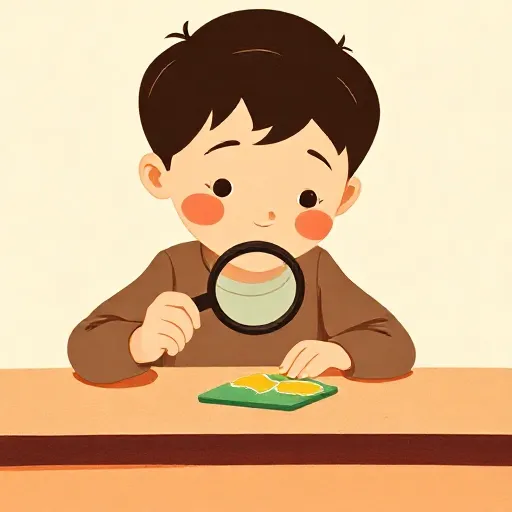
Emeralds Are Green—But Will They Stay That Way?
If every emerald has been green, how do you know the next one won’t be blue? Goodman’s “grue” puzzle challenges induction and says we build our own worlds.
-
Evolution's Biggest Puzzle: Who's Really Winning, Genes or Groups?
Does evolution pick winners among genes, individuals, or whole groups? This old puzzle still shapes how we understand animals, from bees to humans.
-
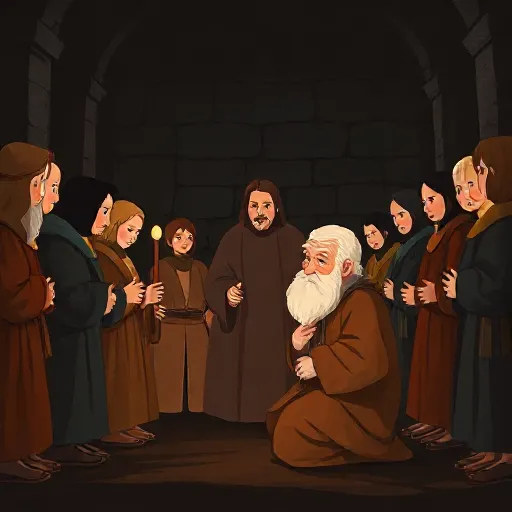
Galileo’s Trial: Did It Start a Science vs Religion War?
Are science and religion enemies or partners? Explore the real story of Galileo's trial and why their relationship still matters today.
-
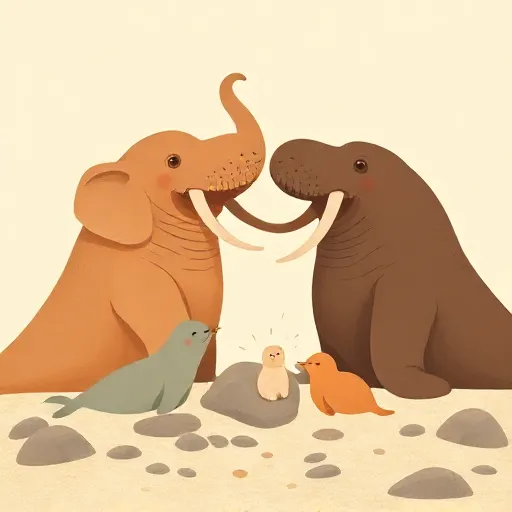
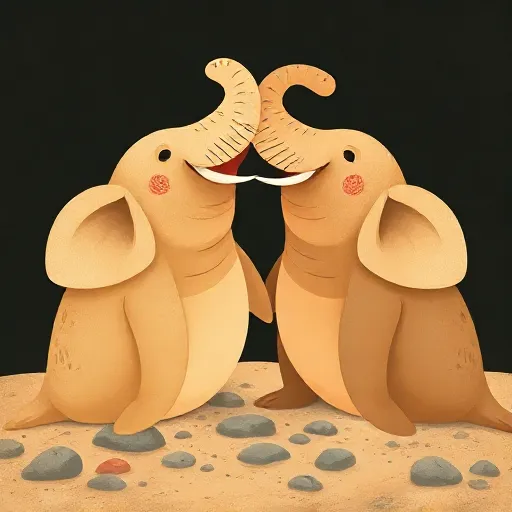
Hawks, Doves, and the Evolution of Cooperation
Why do some animals fight to the death while others just show off? Evolutionary game theory reveals the hidden logic behind conflict and cooperation.
-
How Can “Nothing” Be Something? Leucippus’s Strange Answer
Leucippus asked what stuff is made of. He said tiny unbreakable bits and empty space. But how can nothing be something? This puzzle still makes us think.
-
How Close Can a Wrong Answer Get to the Truth?
Some wrong answers are better than others, even if they aren't true. Philosophers call this truthlikeness — and it's harder to measure than you'd think.
-
How Did We Prove Atoms Exist? A 200-Year Argument
For centuries, atoms were just a clever guess. Then chemists, physicists—and some dancing pollen—turned the invisible into solid fact.
-
How Do We Know an Experiment Isn’t Fooling Us?
Scientists use many tricks to check if an experiment's result is real, not a fluke. But even then, can we ever fully trust what we see?
-
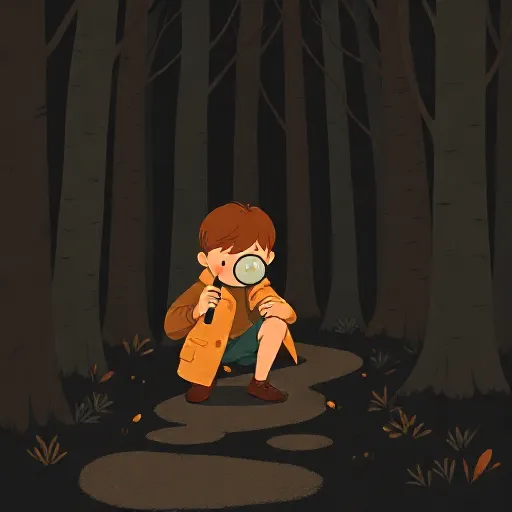
How Do You Know What to Believe?
You hear a rumor, see a clue, or feel sure about something. But what makes that count as real evidence — and should you trust it?
-
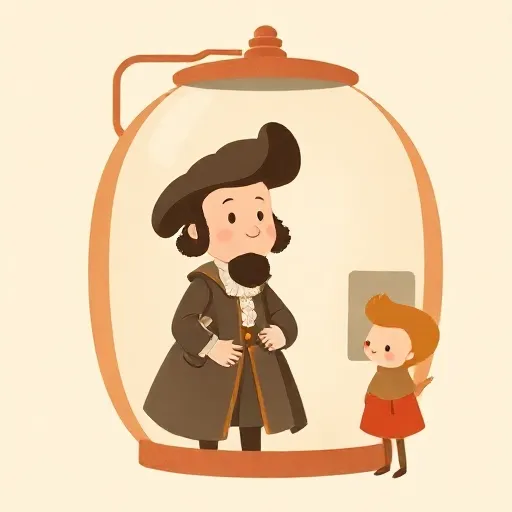
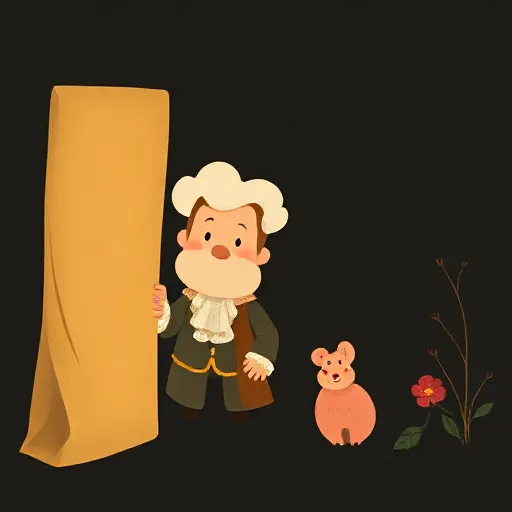
How Do You Know What’s Real? Robert Boyle’s Two Kinds of Truth
He made air pumps and proved the spring of air. Yet he argued that the biggest truths — about God, the soul, and miracles — need a different kind of proof.
-
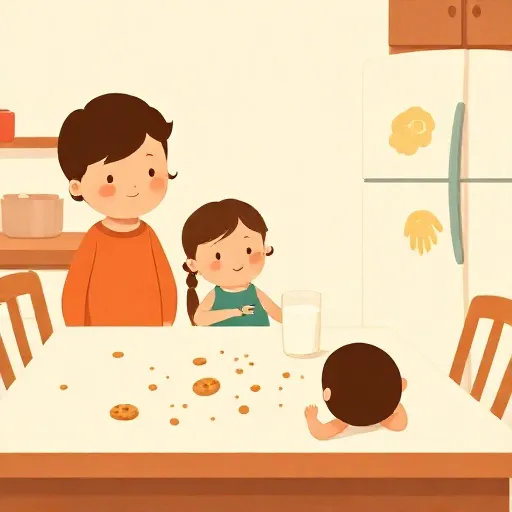
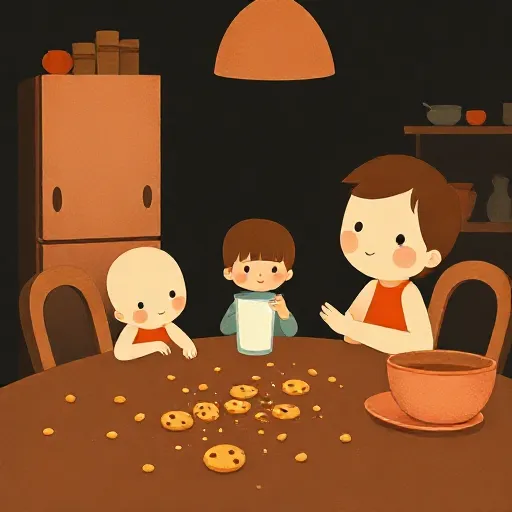
How Do You Know Who Ate the Cookies? The Detective Work of Your Mind
You figured out who left the crumbs without seeing them do it. That’s abduction — but can you trust it? Philosophers still argue.
-
How Do You Know Why Anything Happens?
How can we know why things happen? Aristotle said we need causes, not just facts. Medieval thinkers debated if we can truly prove causes.
-
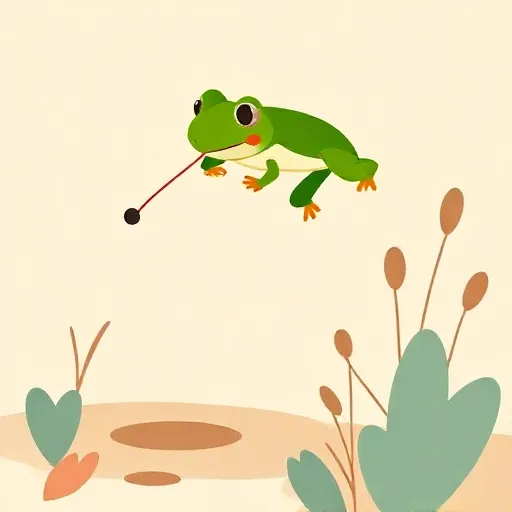
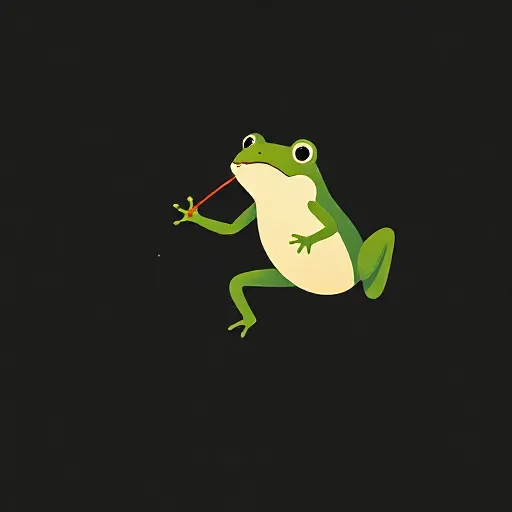
How Does a Frog's Thought Point to a Fly? The Story of Teleosemantics
How do brain cells point to things? Teleosemantics says evolution gives their meaning 'fly,' but a Swamp Man copy raises doubts.
-
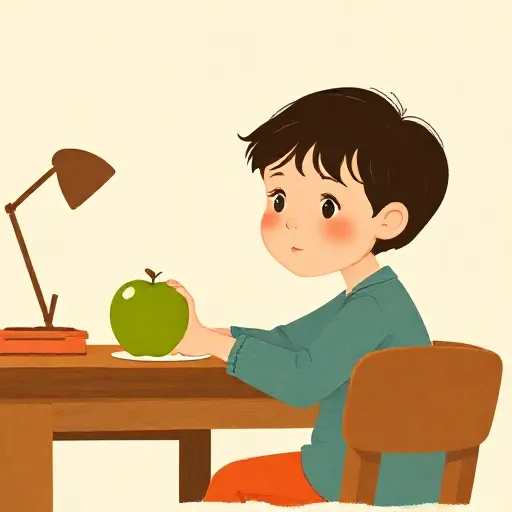
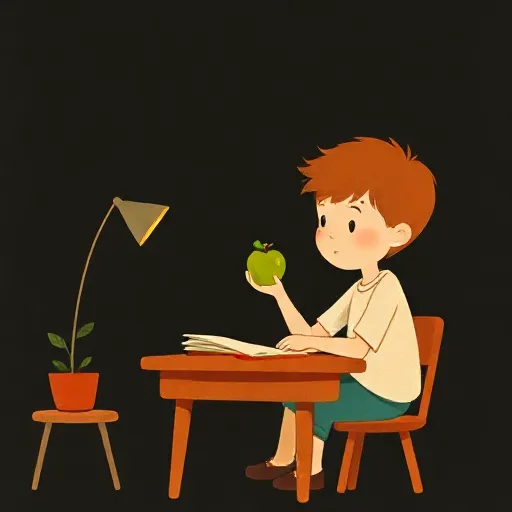
How Does a Green Apple Confirm That All Ravens Are Black?
Does seeing a green apple really make 'all ravens are black' more likely? This strange idea from logic made scientists rethink what counts as evidence.
-
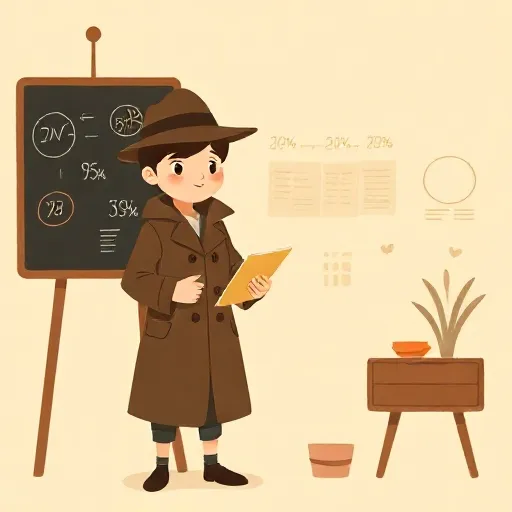
How Good Are Your Guesses? The Math That Judges Your Beliefs
How can we measure and improve our guesses? Math from philosophers shows rules for confidence and updating beliefs, helping us seek truth.
-
How Much Is Already Inside Your Head When You’re Born?
For centuries, thinkers argued whether we come into the world as blank slates or with built-in knowledge. Today’s baby scientists are settling the fight.
-
How Much of You Was Decided Before You Were Born?
How much of who you are comes from your genes? Scientists use heritability to guess, but this number is tricky and doesn't reveal what truly shapes us.
-
How Much Surprise Hides in a Text? The Quest to Measure Information
Shannon said information is surprise, measured in bits. Kolmogorov said it's the shortest program that can produce it. Two ideas that built your phone.
-
How Sure Can You Be? The Hidden Math Behind 'Evidence'
How do you weigh evidence to decide what's true? This secret math helps detectives solve cases and lets scientists test huge ideas like black holes.
-

If a Model is Just Fancy Equations, Why Do We Trust It?
Why do we trust models that are just fancy equations? Because they help us imagine and learn about the real world in surprising ways.
-
If Electrons Can Be in Two Places at Once, Why Can’t You?
Quantum particles do weird tricks like being in two places at the same time. But a basketball never does. The secret is called decoherence.
-
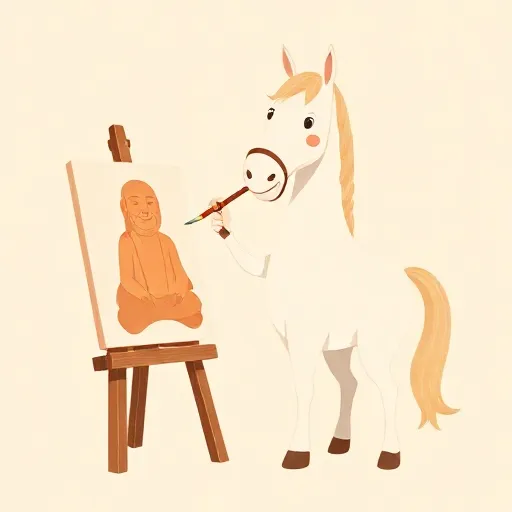
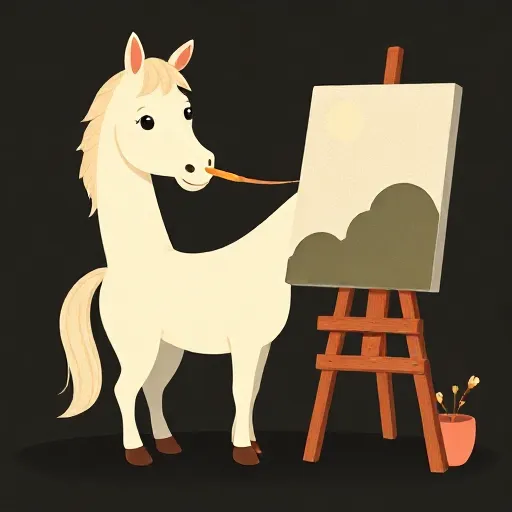
If Horses Could Draw Gods, What Would They Look Like?
Why did a traveling poet claim that if horses could draw gods, they'd look like horses? He challenged ancient Greek ideas about gods and knowledge.
-
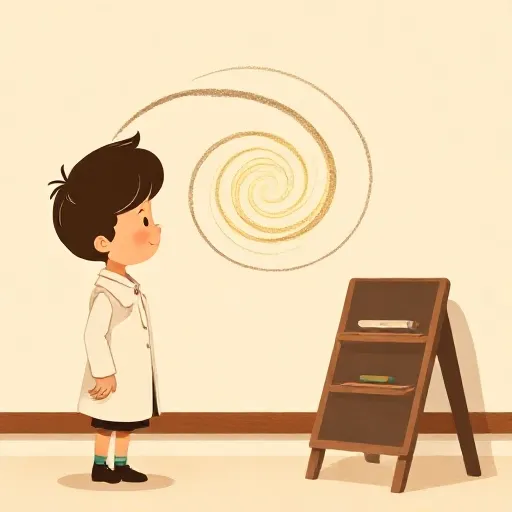
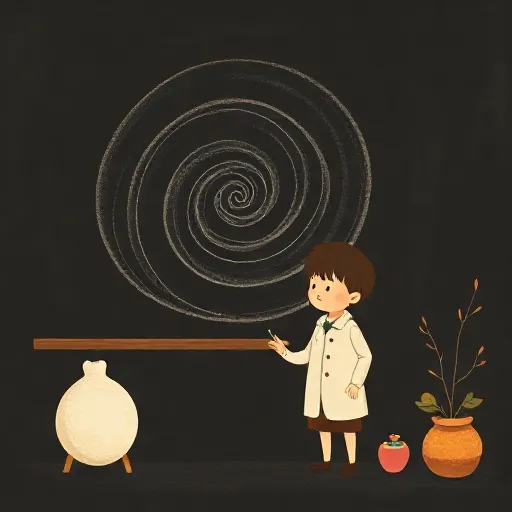
If Math Is Only in Our Heads, Why Can It Predict Eclipses?
Why can math predict eclipses if numbers are only in our heads? Exploring this puzzle might change how you think about equations.
-
If Pain Is All in Your Mind, Why Does Your Hand Hurt?
Why does pain feel like it's in your toe when it's really in your mind? Philosophers have surprising ideas about how your mind and body connect.
-
If Science Says Race Isn't Real, Why Do We Still Talk About It?
If science says race isn't biological, why does it still matter? Explore the powerful social idea of race and the debate over its use.
-
If Scientists See Through Ideas, Can Science Still Be Fair?
All evidence is shaped by theories and values. That sounds like bias—but philosophers now see that without those ideas, science couldn't work at all.
-
If Smoking Doesn't Guarantee Cancer, Why Do We Say It Causes It?
How can smoking cause cancer if not everyone who smokes gets sick? Philosophers say causes raise chances, but that leads to odd puzzles.
-
If You Could Zoom In Far Enough, Would You Find the Secret of Life?
Can we explain life by studying its smallest parts? Some say yes, others say we must also see the whole system. This idea changed biology.
-
If You Didn’t Build It, You Don’t Really Know It
Why did Vico think we can only know things we make, like laws and languages? His idea sparked a new science of history that still shapes our thinking.
-
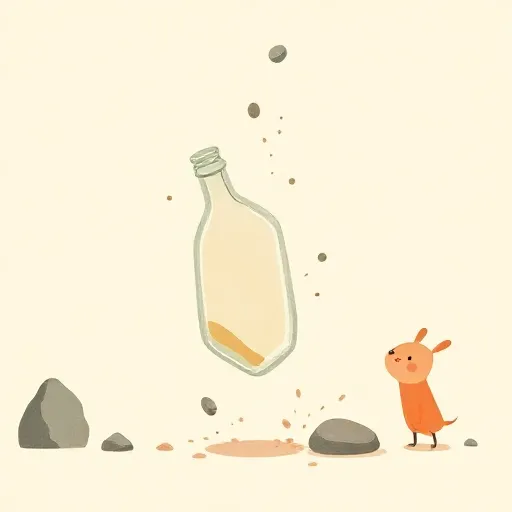
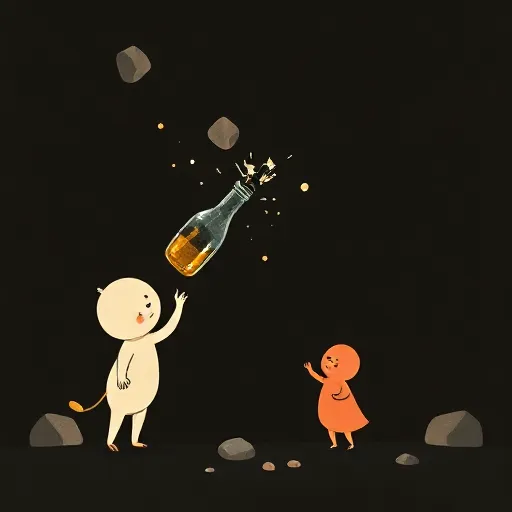
If You Hadn't Thrown That Rock, Would the Window Still Smash?
If you hadn't thrown that rock, would the window still smash? The answer isn't simple, and it helps us understand causes, blame, and science.
-
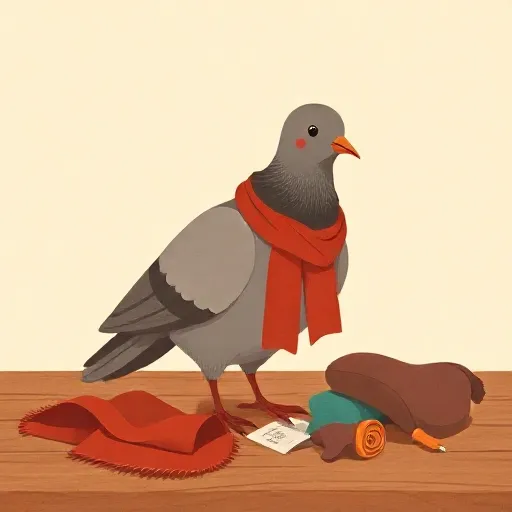
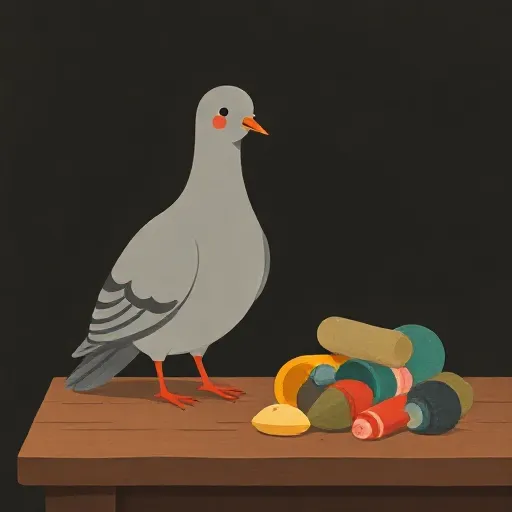
Is 'Red' a Real Thing, or Just a Bunch of Shades?
A pigeon pecking at red things makes us wonder: does 'red' exist beyond its many shades? The answer shapes our ideas about thought and reality.
-
Is “Survival of the Fittest” Just an Empty Saying?
Can we define 'fittest' without making natural selection an empty truism? The answer isn't as simple as it seems.
-
Is a Diamond More Important Than a Lump of Coal?
Why a lump of coal and the famous Koh-i-noor diamond are both just rocks, but only one belongs in a museum. A 1900s philosopher's surprising answer.
-
Is a Disease a Natural Fact or a Value Judgment?
Is a disease a natural fact or a value judgment? This debate affects who gets treatment and who is blamed for being different.
-
Is a Disease Just a Broken Body Part? The Fight Over “Sick”
Is a disease just a broken body part, or is it shaped by what people think is normal? This big question affects who is seen as sick and who gets help.
-
Is a Rock a Crowd of Tiny, Feeling Minds? James Ward’s Panpsychism
James Ward thought everything—even rocks—is made of living, feeling subjects. But can such a strange idea really explain the world?
-
Is a Rock Computing Right Now? The Puzzle of Concrete Computation
Could a rock be a computer? This question isn't just silly—it opens up a real puzzle about what computing truly is and what it tells us about minds.
-
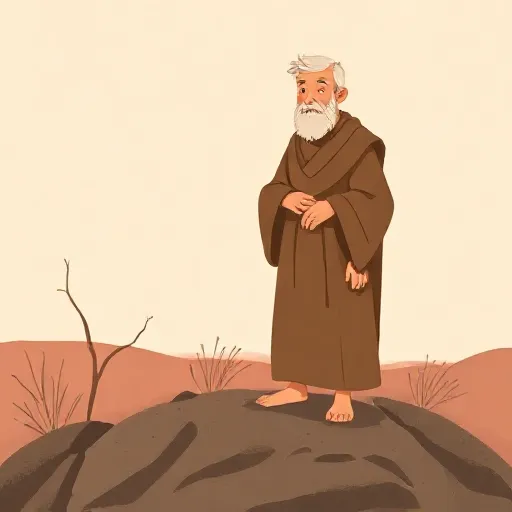
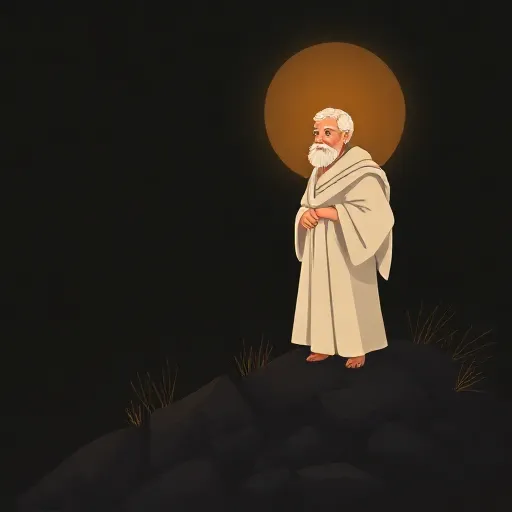
Is Anything Really New? Anaxagoras and the Secret of Change
Is anything really new? Anaxagoras said no: everything is just a mix of eternal ingredients. This ancient idea makes us ask what is truly real.
-
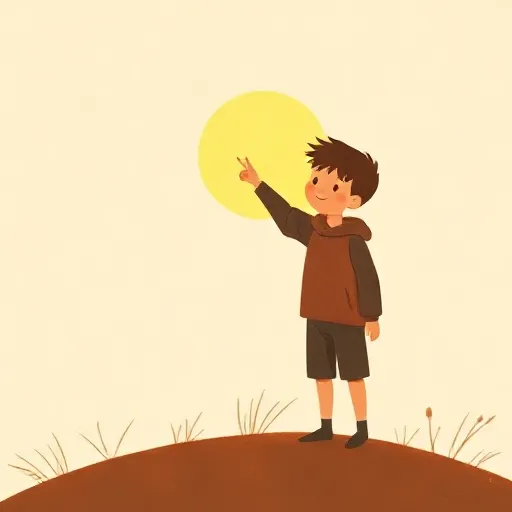
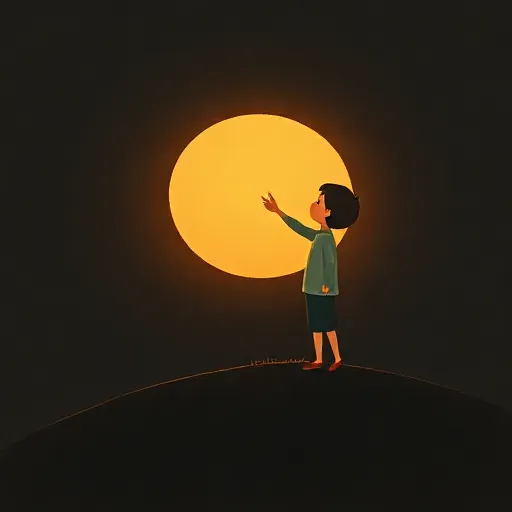
Is Beauty Just a Feeling, or Is It Something More?
Why do we expect everyone to agree on beauty? Kant said it's because our minds play freely. He also explored how living things are not just machines.
-
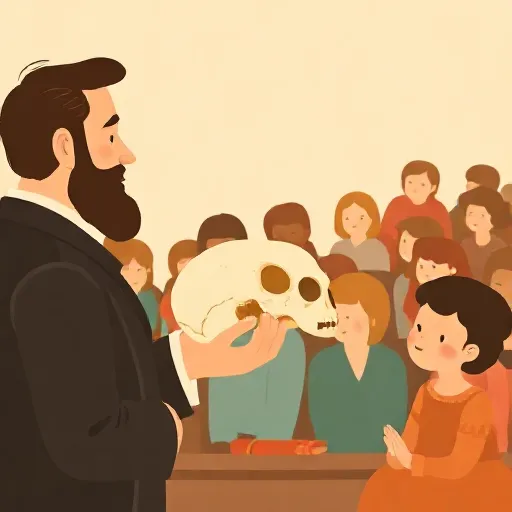
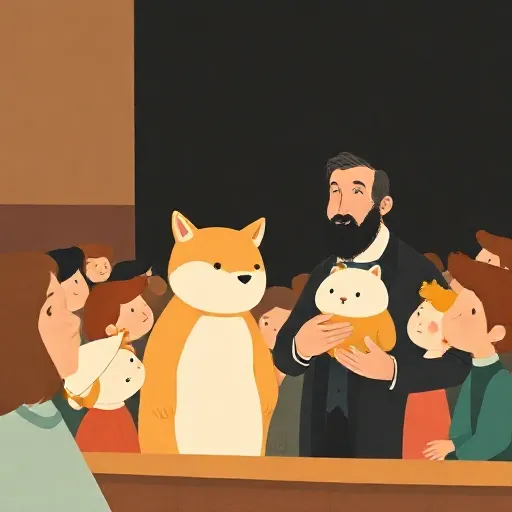
Is Biology Destiny? How Feminists Fought Bad Science About Women
Can biology tell us what women can or can't do? Feminist philosophers uncovered hidden bias in old science, showing how fixing it made knowledge fairer.
-
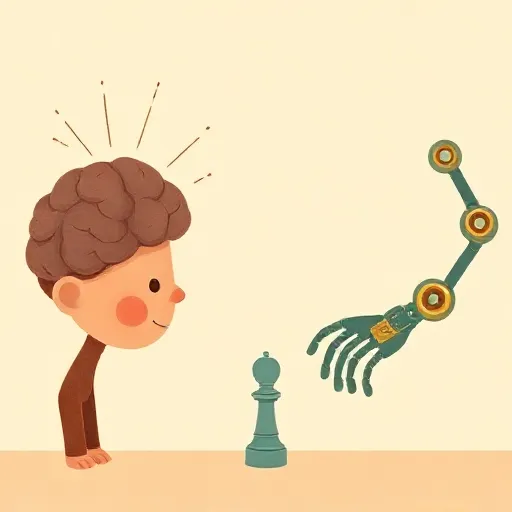
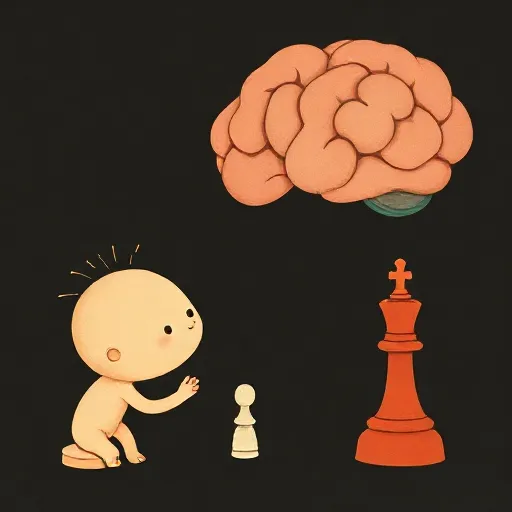
Is Everything Made of Matter? The 300-Year Battle Over the Mind
If your thoughts are not physical, how can they move your body? The argument that pushed many philosophers to say your mind must be your brain.
-
Is Everything Really One? The Fight Between Monism and Pluralism
Is everything one connected whole or just many separate parts? Philosophers have debated this for ages. It shapes how we see science and ourselves.
-
Is Freedom Really About Following the Rules?
Can freedom mean following the rules? Wilhelm Windelband said yes—values like right and wrong are real, and choosing to do good is true freedom.
-
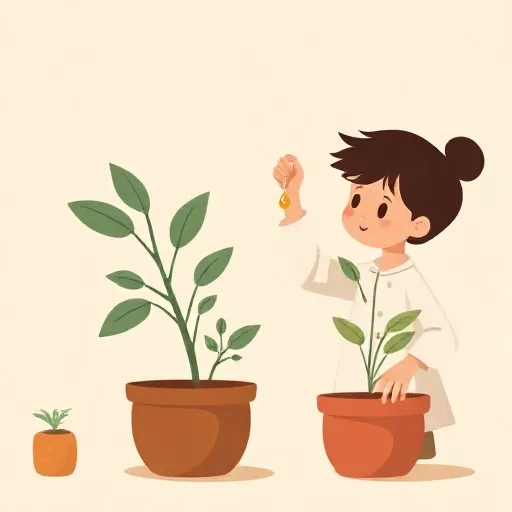
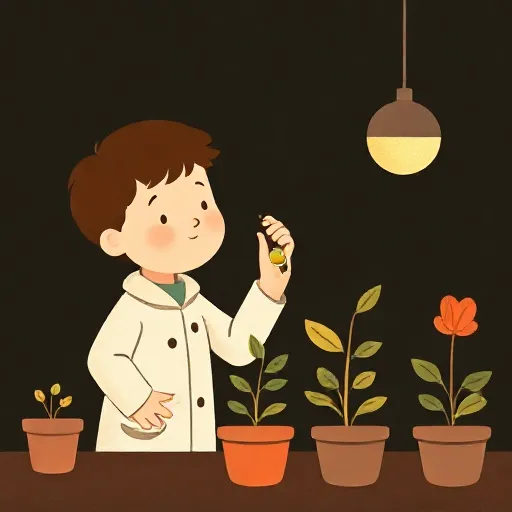
Is It a Cause If You Can Wiggle It to Change Something?
Can we call something a cause only if we can wiggle it and see an effect? This question helps us think about how we test ideas and understand the world.
-
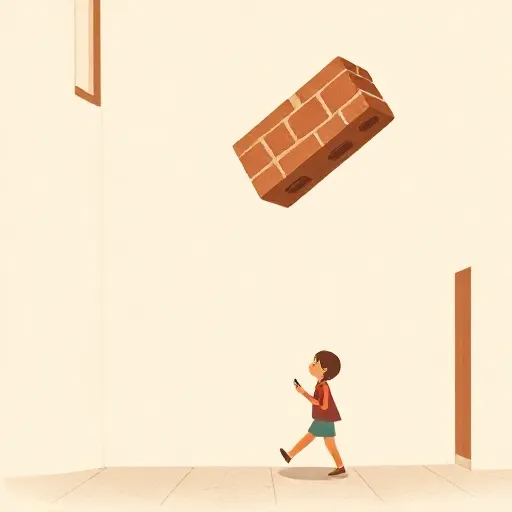
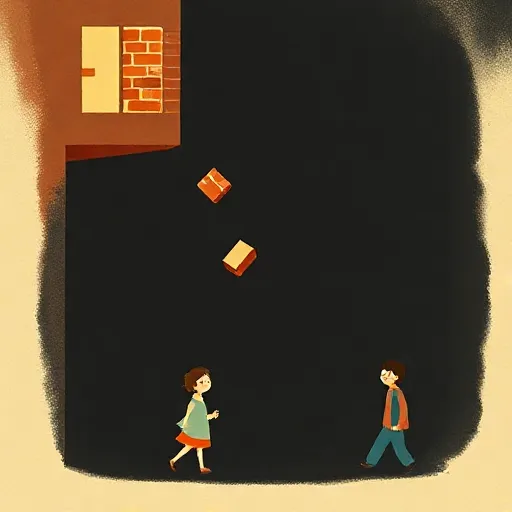
Is It Ever Okay to Put Someone at Risk — Even a Tiny One?
Can a tiny risk be unfair? Walking across the street or dropping a brick blindly—when does a chance of harm cross the line?
-
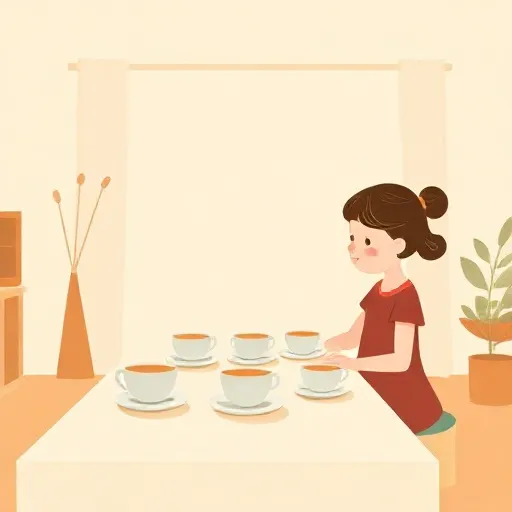
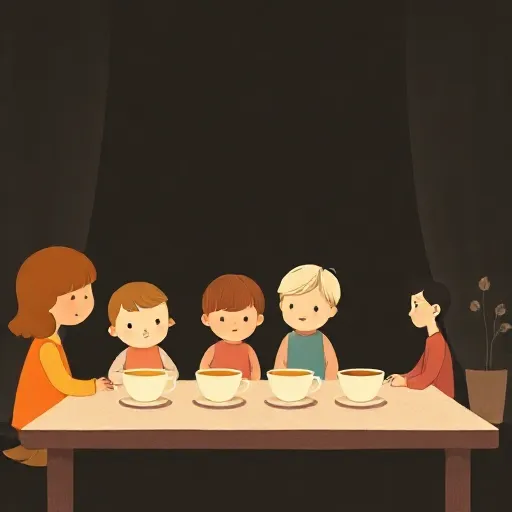
Is It Luck or Skill? The Fight Over How to Judge a Tea Taster
Does getting five tea cups right prove you can taste milk from tea first, or is it just luck? How statisticians and philosophers have argued for a century.
-
Is It Okay to Use Fake Math If It Works?
Physicists use “mathematical fictions” that break all the rules but give perfect answers. A century‑long fight about whether physics needs perfect math.
-
Is It Science, or Just Pretending?
How can we spot fake science? Pseudoscience can trick us and cause harm, like avoiding vaccines. Philosophers give us tools to tell the difference.
-

Is It Wrong Even If the Principal Says It’s OK?
Why do some rules feel wrong no matter who says it's okay? How kids tell morals from customs, and why it shapes right and wrong.
-
Is Language a Thing in Your Head, or Something You Do?
Some linguists dig through billions of spoken words. Others search for a hidden code in your mind. A three-sided debate about what language even is.
-
Is Life Just a Machine We Can Rewire?
Scientists use engineers’ tools to understand and redesign living cells. But does life work like a circuit board, or is it too messy to predict?
-
Is Life Really Stacked in Layers?
Are living things built in layers from cells to organs? Or is that just a trick of the mind? Philosophers ask if nature is a layer cake or a mess.
-

Is Marie Curie Still Real? The Fight Over What Exists
Does Marie Curie still exist? This question makes us wonder how we can speak truly about the past — and what Einstein might say.
-
Is Measurement Just a Game We Made Up?
Do numbers like length and temperature show real things, or are they just rules we made up? It changes how we see thermometers and IQ tests.
-
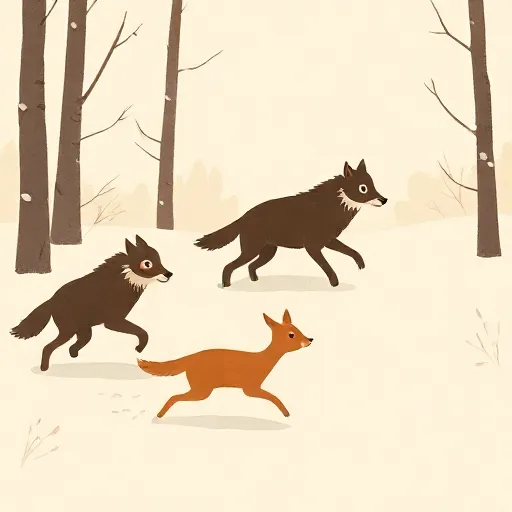
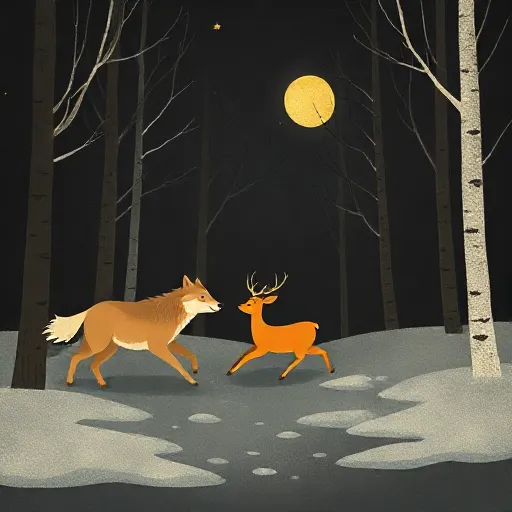
Is Natural Selection a Force, a Cycle, or Just a Trick of Math?
Philosophers can't agree whether natural selection is a single cause, a whole cycle of change, or just a statistical pattern. What's really at stake?
-
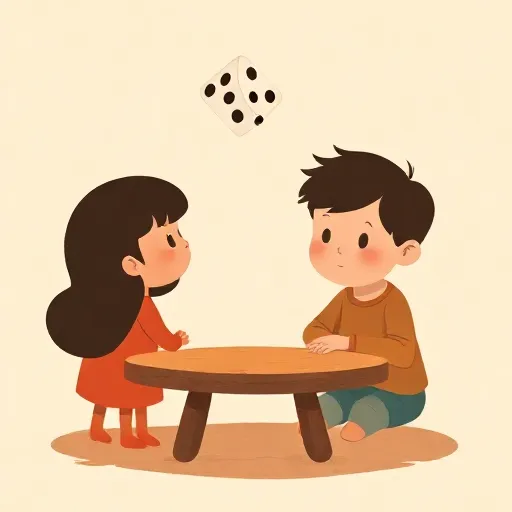
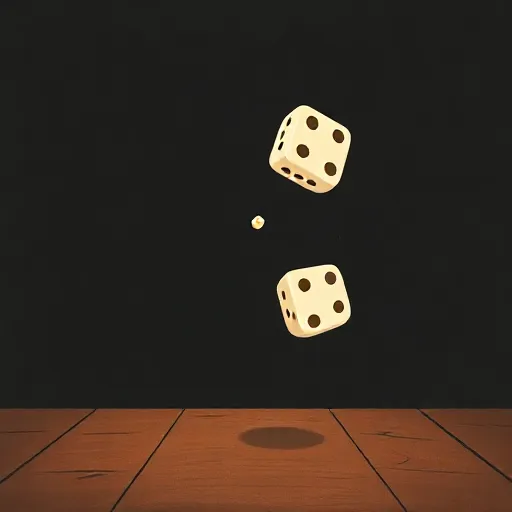
Is Probability Just in Your Head? The Big Debate Over Chance
What does probability really mean? Is it a fact about the world or just a feeling? This debate affects decisions from weather forecasts to courtrooms.
-
Is Science Discovering Reality or Inventing It?
In the 1890s, German philosophers said science doesn’t just find facts—it builds them, using reason’s own laws. Why that still matters.
-
Is Science Really a 'View from Nowhere'?
Can science see the world with no personal bias, like a 'view from nowhere'? We explore why this might be impossible and why we might not even want it.
-
Is Science Really as Rational as They Say?
Historians found that scientists break all the rules of logic when they change their minds. So what does it mean to be rational — and who gets to judge?
-
Is Simpler Really Better? The Fight over Occam’s Razor
Scientists love simple theories. But is simplicity a sign of truth or just human taste? A 700-year-old debate that still shapes how you think.
-
Is Space Made of Tiny Pixels?
If you zoomed in far enough, would the universe look smooth or blocky? The surprising fight over whether geometry can be built from bits.
-
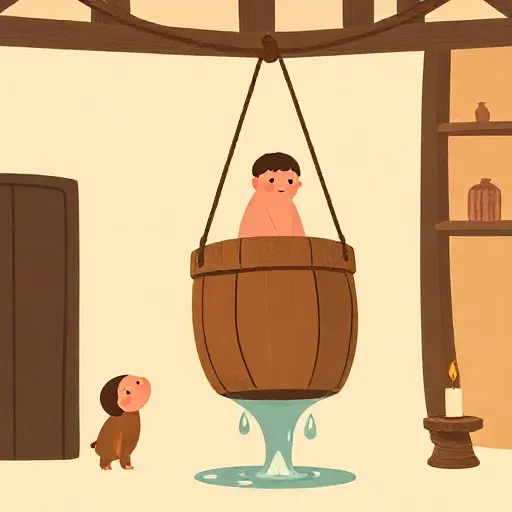
Is Space Real? The 300-Year Fight That Started with a Spinning Bucket
Does space exist even when empty? Newton used a spinning bucket to argue yes, but others said it's just an idea, starting a 300-year debate.
-
Is the Sky Really Blue? The Big Color Puzzle
Is a tomato really red? Scientists and philosophers say color might be only in your mind. This surprising idea changes how you see the world.
-
Is the Whole Really More Than Its Parts? Quantum Physics Says Yes.
Strange quantum effects like entanglement suggest that the whole really is more than its parts. This idea questions how we understand everything.
-

Is the World Made of Tiny Bits or Smooth Stuff?
A thousand years ago, thinkers argued whether you can cut things forever or must stop at tiny bits. Their debate about infinity still puzzles us today.
-
Is the World Made of Tiny Pixels or One Smooth Thing?
Is the world made of tiny bits or one smooth whole? This ancient clash still shapes how we see atoms, change, and whether we have free will.
-
Is There a Bottom Layer to Everything? Or Does It Go On Forever?
From atoms to quarks, we keep finding smaller pieces. But does the digging ever stop? Philosophers argue whether reality has a final foundation.
-
Is There a Hole in Spacetime? The Puzzle of Singularities
Are there real tears in spacetime where everything stops making sense? Singularities puzzle scientists and might show us the limits of physics.
-
Is Today’s Science Tomorrow’s Fairy Tale?
Scientists once swore by invisible fluids and crystal spheres. Now we call those ideas silly. Could our best theories be just as wrong?
-
Is Your Body a Machine? The Big Debate Over Modern Medicine
When you're sick, doctors run lab tests and give you a pill. But is that the whole story? A deep dive into the philosophy behind modern medicine.
-
Is Your Brain Editing Reality Right Now? Ernst Mach Said Yes
Ernst Mach thought our senses don’t just copy the world—they shape it, like evolution shaping species. Why that changes everything.
-

Is Your Brain Making It All Up? Hermann von Helmholtz's Big Idea
You see a straw bent in water, but it's straight. Helmholtz said your brain doesn't copy the world—it builds your experience from clues.
-
Is Your Inner Voice of Right and Wrong Just a Trick of Evolution?
Is our sense of right and wrong just a trick of evolution? If so, maybe nothing is truly moral. But maybe we can still discover real moral truths.
-
Is Your Mind a Computer, or Something More?
Is your mind a computer, or something more? The answer reveals more than logic—it shapes how we see feelings, choices, and being alive.
-
Is Your Mind a Swiss Army Knife? The Evolutionary Psychology Debate
Is your mind a toolbox of evolution-made programs or a flexible all-purpose thinker? Scientists debate.
-
Is Your Mind a Toolbox Full of Specialized Tools?
Optical illusions fool you because your mind has separate sealed-off modules—but can your whole mind be a toolbox of them? Philosophers debate this.
-
Is Your Mind the Secret Ingredient in Every Scientific Law?
How do we know scientific laws are true? Whewell said our minds add ideas, and the best theories predict surprising new facts—like Neptune.
-

Is Your Phone a Pile of Chips or a Stack of Ideas?
Is your phone just a pile of chips, or a stack of ideas? How you answer might change how you fix crashes and understand computers.
-
Isaac Newton and the Rule That Made Modern Science
How did Newton's rule to only use what we can see change science? And why did it make people wonder if we can ever know anything for sure?
-
Louis Althusser and the Hidden Code Inside Marx’s Books
How did Althusser find Marx's hidden ideas? He read in a new way, showing that even great thinkers miss their own best thoughts.
-
Poison or Progress? Du Châtelet’s Defense of Guessing in Science
She said scientists need guesses to discover truth, even when Newton disagreed. Why her controversial idea still shapes how we do science today.
-
Science Doesn’t Have One Magic Method—and Here’s Why
For centuries, thinkers hunted for a single scientific method. They argued about observation, logic, and testing. But does science need one secret recipe?
-
Should All Sciences Be United? The 300-Year Search for One Big Idea
Should all sciences be united into one theory? Or is knowledge too messy? This debate shapes medicine, climate policy, and how we see ourselves.
-
Should Science Be One Big Theory, or a Thousand Different Ones?
Should all science fit into one giant theory, or do we need many models? This debate shapes climate science and who gets to decide what's true.
-
Should You Believe in Invisible Things Like Electrons?
Why trust science about invisible things like electrons if past ideas were wrong? Explore a puzzle that questions what we should really believe.
-
Should You Bring an Umbrella? A Math for Decisions
Should you bring an umbrella? A math for deciding when you don't know the outcome. It weighs good and likely results. But is this math always right?
-
Spooky Action at a Distance: Is the Universe Secretly Connected?
In 1964, physicist John Bell found a way to settle an argument between Einstein and quantum mechanics. The answer shattered our understanding of reality.
-
The 1930s War Over How Science Should Work: Look First or Think First?
In the 1930s, scientists argued about how to do science: should you observe first or theorize first? Their debate changed how we understand the universe.
-
The Beautiful Equation That Can’t Explain Your Lunchtime Bet
We built a perfect math for decisions—then discovered that real people (maybe you) ignore it. A showdown between logic and gut feelings.
-
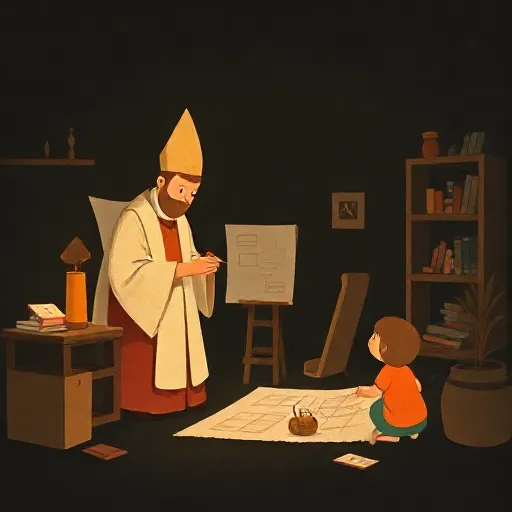
The Bishop Who Said Space Is Just ‘Here’ and ‘There’
A 14th-century French bishop argued that space isn’t a real thing, time doesn’t need motion, and infinity can be summed up. His ideas still matter.
-
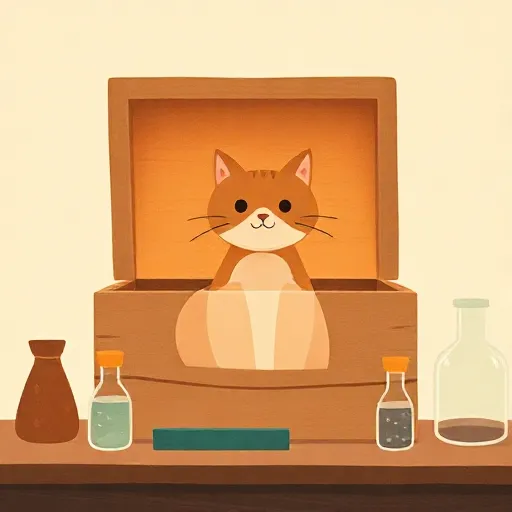
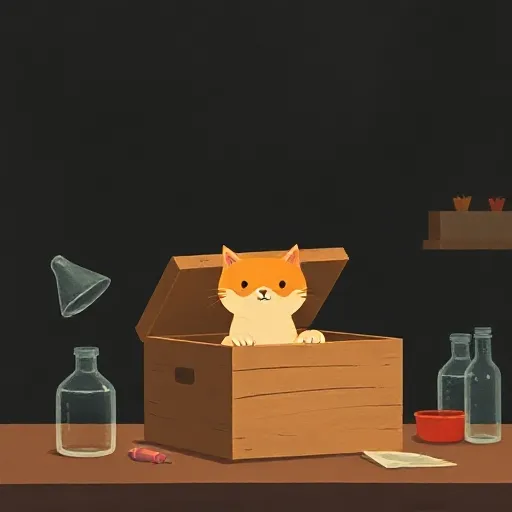
The Cat in the Box and the Secret of Quantum Possibilities
Why don't we see a cat both alive and dead? Modal interpretations suggest reality is made of possible outcomes with chances, not one fixed result.
-
The Donkey, the Liar, and the Flying Arrow
Can a sentence be a lie if it says it's a lie? Why does a flying arrow move? John Buridan's puzzles show how logic untangles word tricks.
-
The Great Vanishing Act: How Theories Disappear into Each Other
Physicists love discovering that a whole theory can be swallowed by a bigger one. But some swallowings go wrong, and new things pop out instead.
-

The Infinite Hotel and the Race That Never Ends
Can you finish something with no end? A hotel that always has room shows the puzzle of infinite tasks, changing how we see time and the universe.
-
The Man Who Doubted Everything — and Found One Solid Rock
How did Descartes search for certainty? He doubted everything, found thinking is the only sure thing, but his mind-body split still puzzles us.
-
The Man Who Said Atoms Are Real and Your Mind Is Your Brain
Is your mind just brain activity? Are atoms real? Feigl believed both, and his ideas still shape how we think about science and ourselves.
-
The Monk Who Connected Everyone (and Thought Math Was Enough)
He began as a fierce defender of faith, then became the secret hub of a scientific revolution. Marin Mersenne believed only math gives certainty.
-
The Philosopher Who Put 'Order and Progress' on a Flag
Why does Brazil's flag say 'Order and Progress'? It's from a man who thought science could run society better than kings. His idea sparked fierce debates.
-
The Philosopher Who Said Science Isn’t Enough
Can science tell us what life means? Hermann Lotze argued that science explains how things work, but philosophy is needed for why they matter.
-
The Quiet Number-Cruncher Who Defended Darwin with a New Philosophy
Chauncey Wright said theories must be tested by verifiable predictions. He defended Darwin’s natural selection this way, sparking American pragmatism.
-
The Secret Rule That Tells You When to Change Your Mind
How should your degree of belief shift with new evidence? Bayesian rules promise tidy thinking, but where do your starting guesses come from?
-
The Simple Rule That Fixes the Cat Paradox
Schrödinger's cat seems both dead and alive, but that paradox comes from asking a meaningless question. The Consistent Histories approach explains why.
-
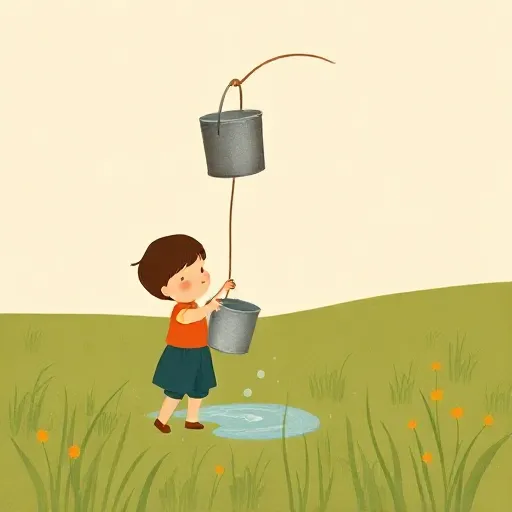
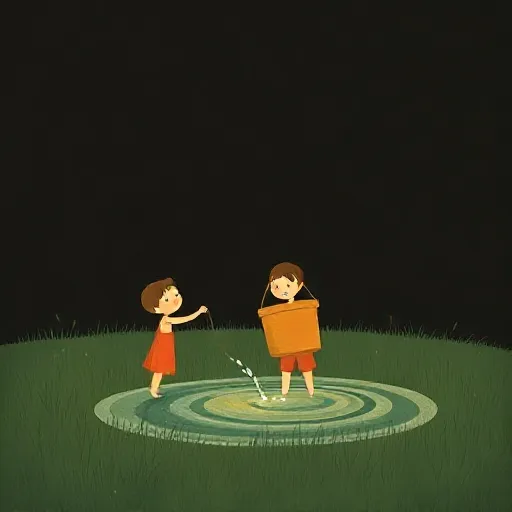
The Spinning Bucket That Shook the Universe
Newton argued space is a real thing, not just emptiness. Descartes said space is just stuff. Their fight about what “real” motion means still echoes today.
-
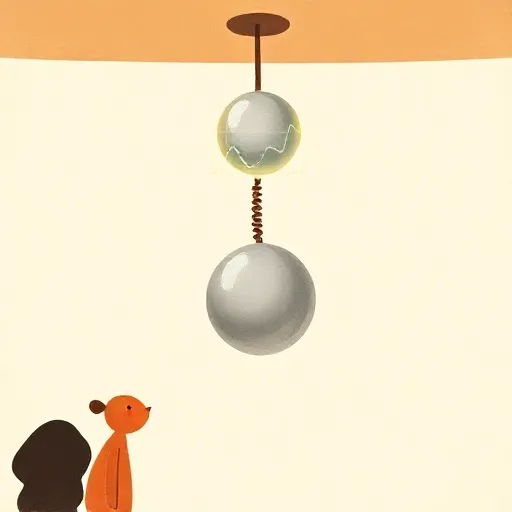
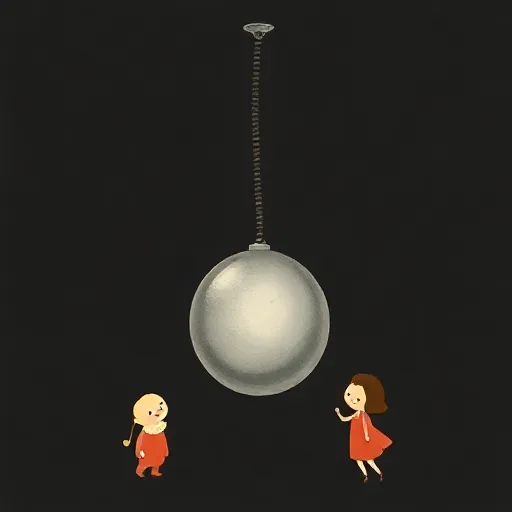
The Strange Science of Randomness in a Clockwork World
Can a predictable world be unpredictable? See how a bouncing spring hides deep randomness, changing how we think about order and chaos.
-
Was Isaac Newton a Scientist or a Philosopher?
Newton invented modern physics, but he also sparked fierce debates about space, time, and gravity that shaped philosophy for centuries.
-
Was Newton the Greatest Genius? Hume Didn’t Think So
Was Isaac Newton the greatest genius? Hume thought his science didn't help people and caused superstition. He wanted to study how we think and feel.
-
Was Roger Bacon a Wizard, a Scientist, or Something In-Between?
Why do some people say Roger Bacon was a wizard and others call him a scientist? The debate reveals what we think real science should look like.
-
Was Your Whole Life Decided Before You Were Born?
Could all your choices have been set before you were born? Explore the debate over free will and why it still matters today.
-
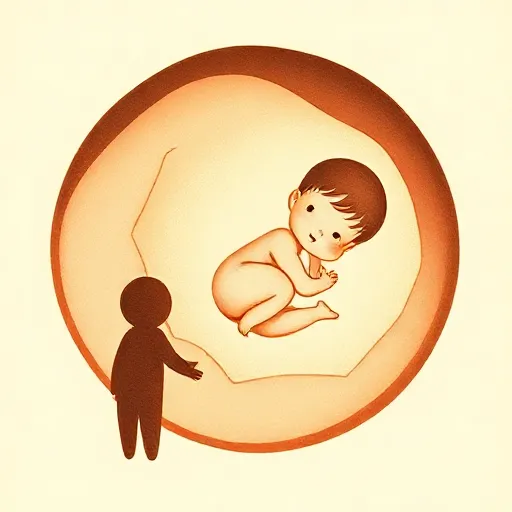
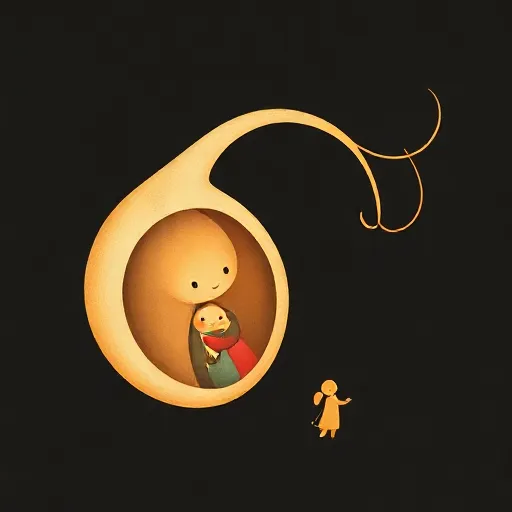
Were You Always a Tiny You? The Fight Over How Life Unfolds
Were you a tiny person in a sperm cell? The debate over how life unfolds from a simple start still drives science and philosophy today.
-
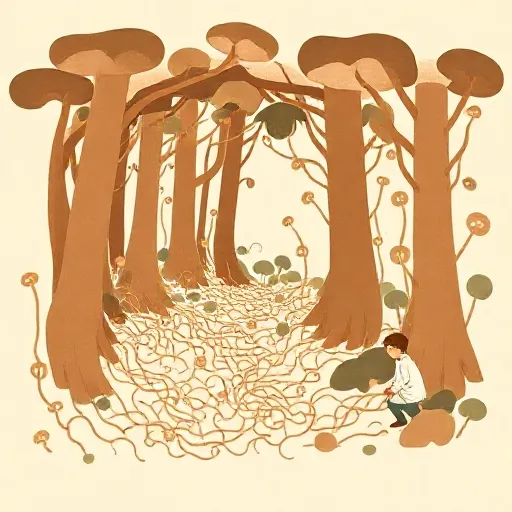
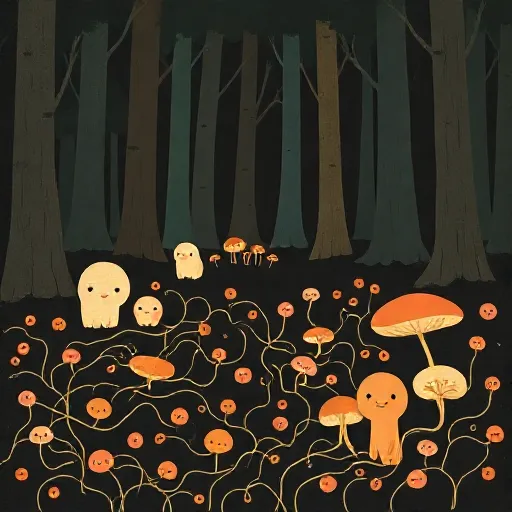
What Counts as a Biological Individual? The Fungus That Ate a Forest
Is a giant fungus one huge creature or many? The search for what counts as a biological individual reveals nature's surprising complexity.
-
What Does “Length” Really Mean? A Physicist’s Radical Answer
How do we know what words like 'length' really mean? A Nobel-winning physicist said meaning comes from how you measure it, sparking a big debate.
-
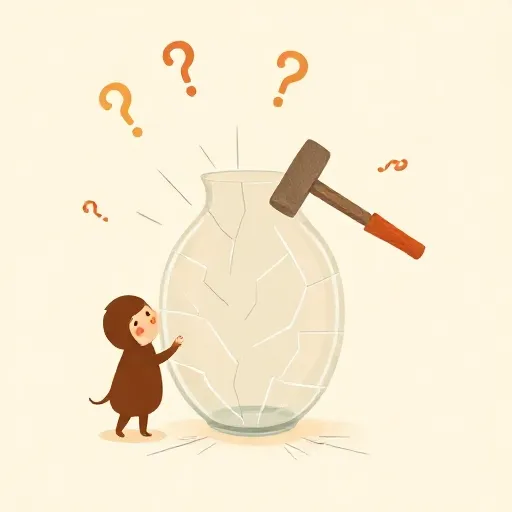
What Does It Mean to Say a Glass Is Fragile?
If you call a glass fragile, are you describing what it’s made of, or what it would do? Philosophers use clever counterexamples to test this simple idea.
-
What Does Quantum Mechanics Actually Describe?
For nearly a century, quantum mechanics has predicted experiments perfectly. But physicists still can't agree on what it actually says about reality.
-
What Does Your Code Really Mean? The Hidden Puzzle of Programs
Two programs can act the same but have different inner meanings. Can math capture exactly what they do? A puzzle about code and conversation.
-
What Exactly Is a Species? Biologists Can't Agree
Can two different species interbreed? Scientists argue over what defines a species, and the answer shapes how we protect wildlife and view ourselves.
-
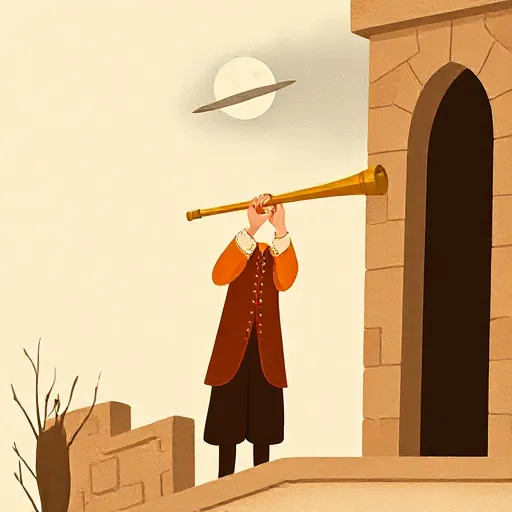
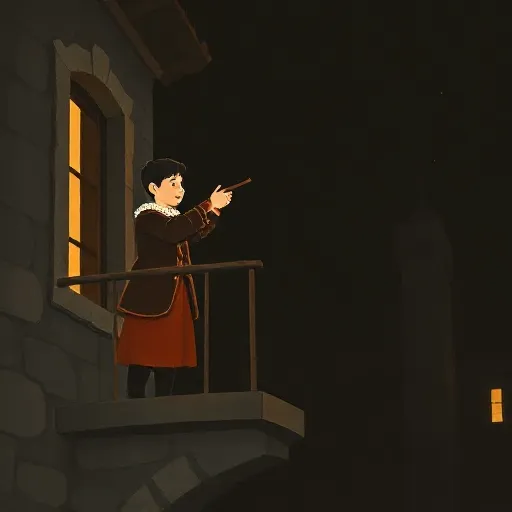
What Galileo Saw Through His Telescope and Why It Almost Destroyed Him
Galileo found mountains on the moon and stars moving around Jupiter. Then he tried to rebuild all of science — and the Church put him on trial.
-
What Happens When a Sentence Says, "I'm False"? Albert of Saxony Knew
Can a sentence that calls itself false make sense? Albert of Saxony used clever logic to untie this tricky puzzle, and his ideas still make us think.
-
What Happens When Gravity and Quantum Physics Collide?
Two of physics’ greatest theories don’t talk to each other. Can we build a new one that explains everything from black holes to dust motes?
-
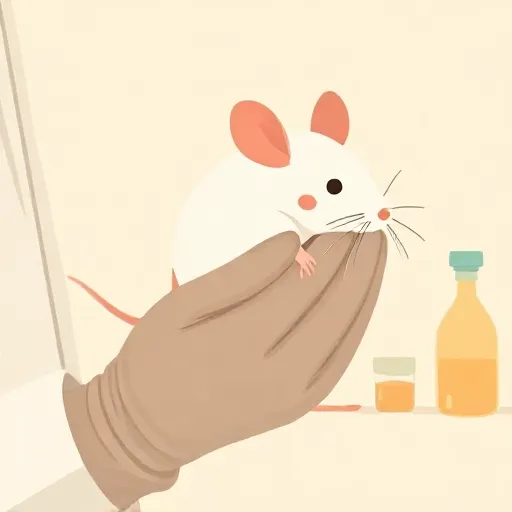
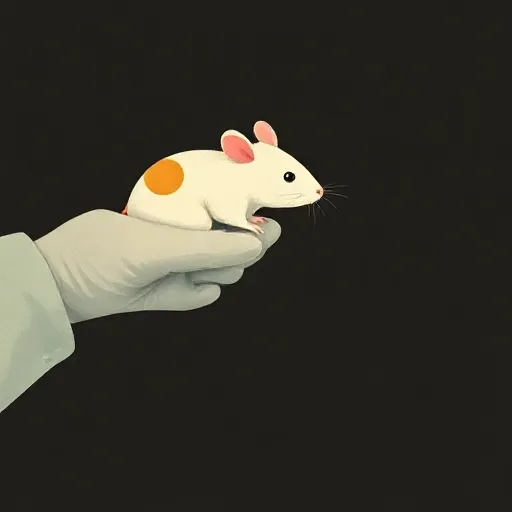
What If a Mouse Had Human Thoughts?
From myth to lab, researchers now mix human stem cells with animal embryos. But if a mouse gets human-like awareness, do we have to treat it like a person?
-
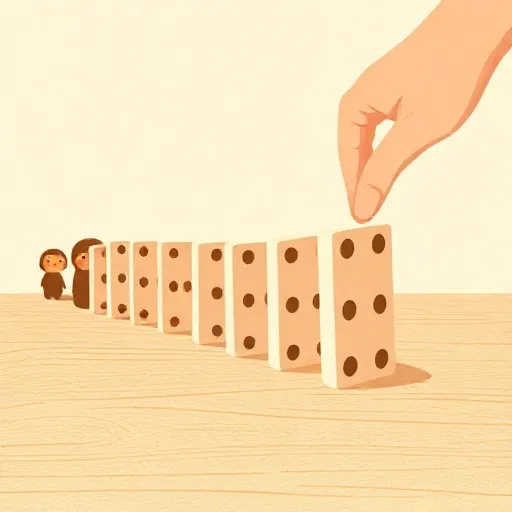
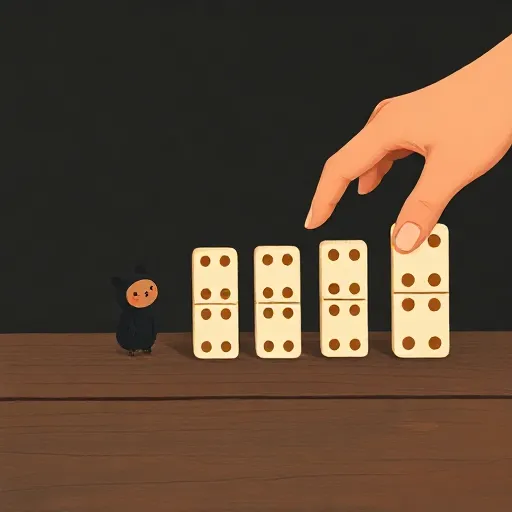
What If Causes Could Run Backwards in Time?
What if the future could send messages to the past? This idea might explain why tiny particles act linked across space—but it’s still a big mystery.
-
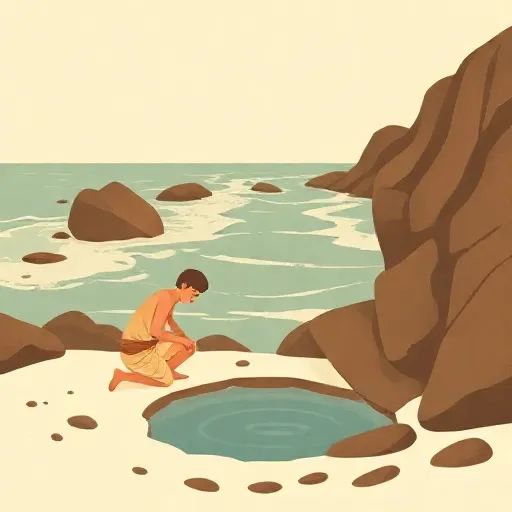
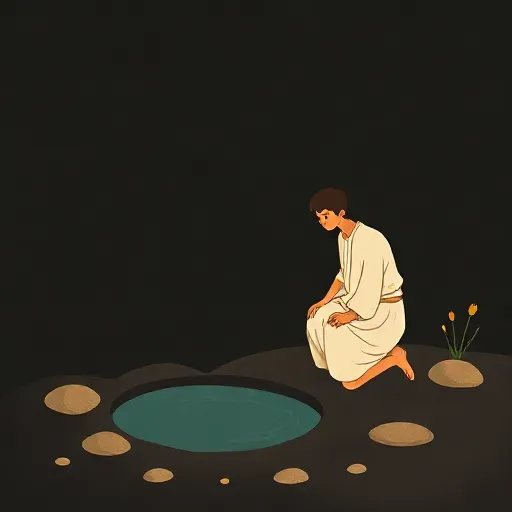
What If Everything Had a Purpose — Even Rocks?
What is the purpose of everything, even rocks? Aristotle’s answer might change how you see your own life and happiness.
-
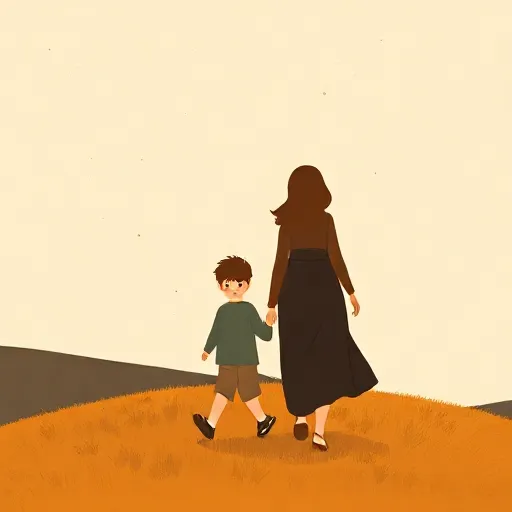
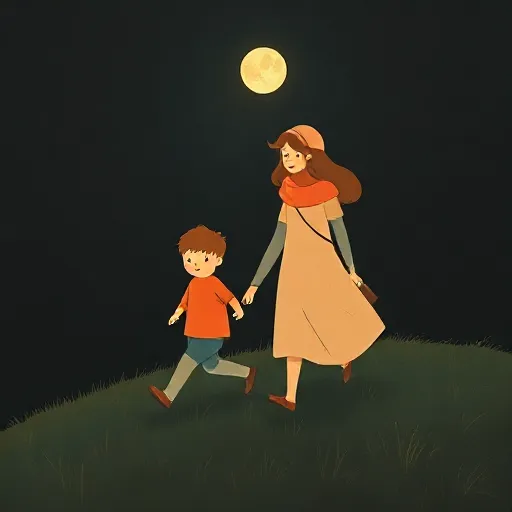
What If Everything Is Just Force? Kant’s Cosmic Idea
Can pushes and pulls alone create stars, planets, and even thoughts? Kant’s big idea of a self-building universe shows how forces shape everything.
-
What If Evolution Doesn’t Happen in Slow Motion?
Does evolution always creep? Eldredge and Gould saw sudden leaps in fossils. This turned old ideas upside down.
-
What If Ideas Evolve Like Animals? Inside Evolutionary Epistemology
Do ideas evolve like living things? This surprising approach uses Darwin’s theories to explain how knowledge and even our brains develop.
-
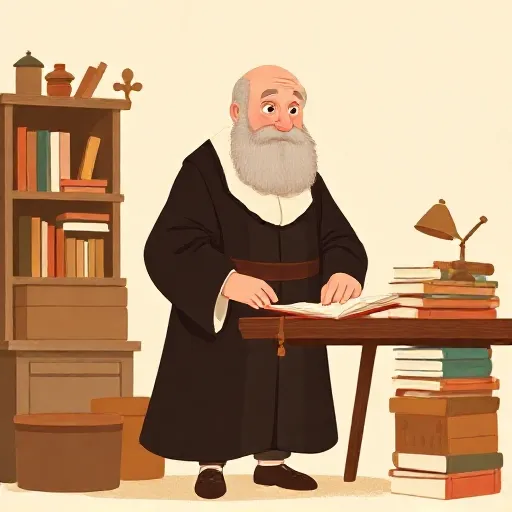
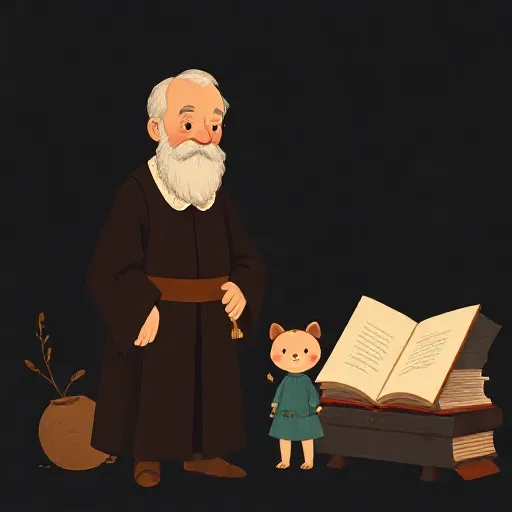
What If Light, Not Motion, Was the Real Foundation of Everything?
Could light and space be more important than matter and motion? Francesco Patrizi’s banned book asked that question, paving the way for modern science.
-
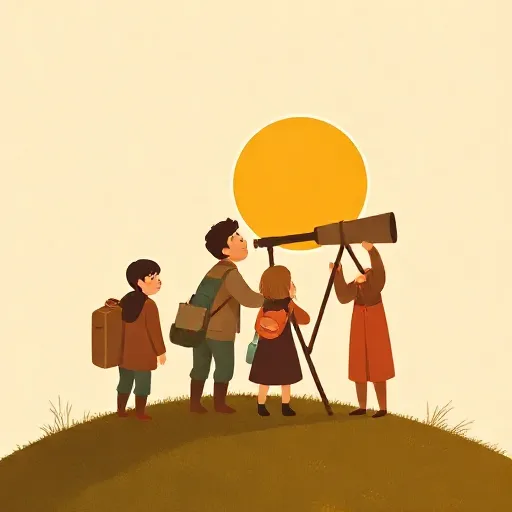
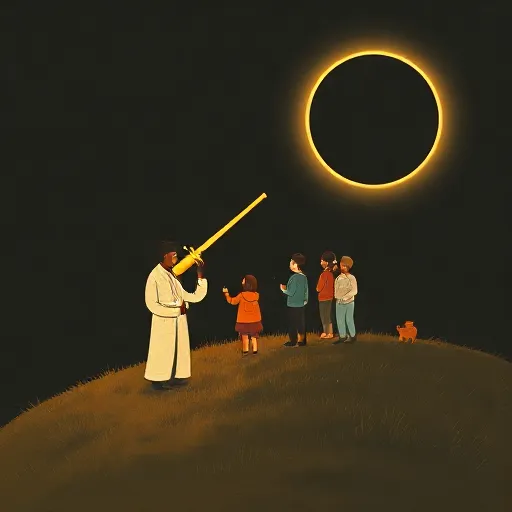
What If Space and Time Are Just Clever Stories We Tell Ourselves?
In 1919, a solar eclipse made Einstein world‑famous and shook philosophy. Did it prove that space and time are not real things, only useful ideas?
-
What if Space and Time Are Just Tools We Invented?
Moritz Schlick read Einstein and declared that space and time have no objective existence. A story about conventions, measurement, and what’s really real.
-
What if the Earth Circled a Hidden Fire? The World of Philolaus
Long before Copernicus, Philolaus imagined Earth moving around a hidden fire. His puzzle: How do numbers and harmony hold the universe together?
-
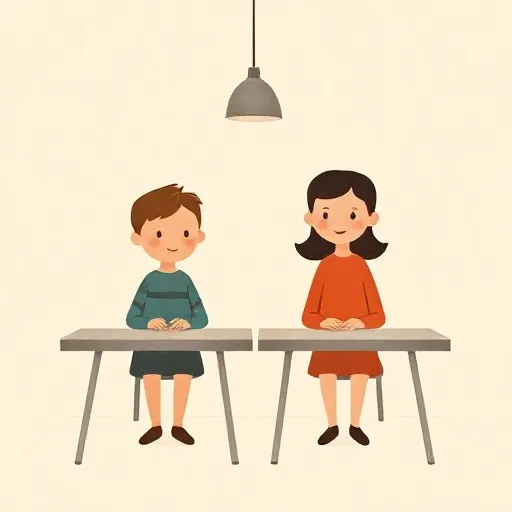
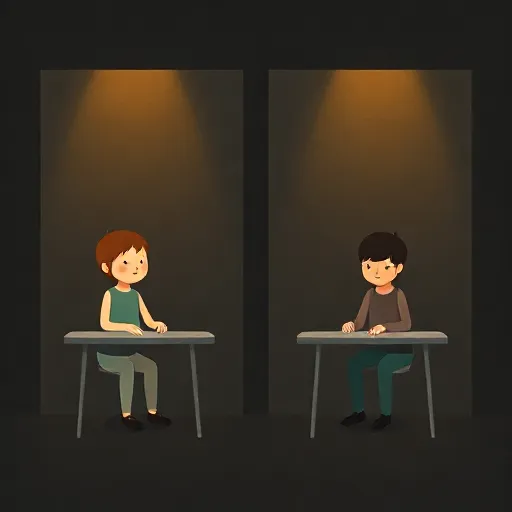
What If the Smartest Move Makes Everyone Lose?
Two prisoners face a choice. Logic pushes both toward the worst outcome. Game theory explains this trap—and shows how we escape it in real life.
-
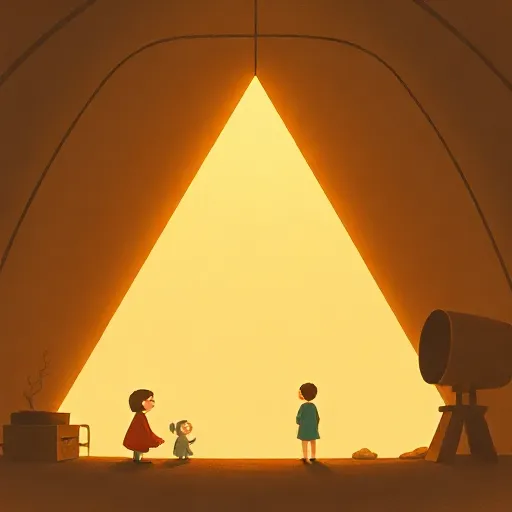
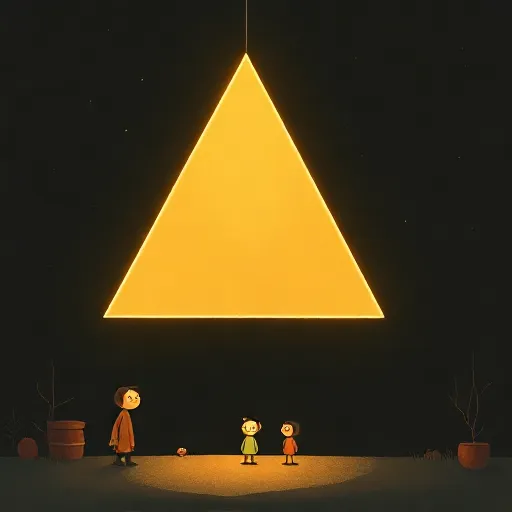
What If Triangles Didn't Add Up to 180°?
Can a triangle have less than 180 degrees? Changing one rule about parallel lines led to curved space, proving geometry isn't fixed.
-
What If Your Mind Is Just What You Do? The Behaviorist Gamble
Can scientists really ignore thoughts and feelings and just study actions? The surprising idea that started fierce debates about the mind.
-
What if Your Whole Life Was Written in Your Genes?
Scientists mapped all our DNA, promising cures and a look at human nature. But what they found raised deeper questions about fate, privacy, and race.
-
What Is a Gene, Really? The Mystery That Took Over Biology
From the double helix to split genes, the story of how scientists uncovered the code of life—and the philosophical fights that erupted along the way.
-
What Is a Scientific Theory Really Made Of?
Three big ideas about the stuff of science: logic, math, and the messy human side. A journey from axioms to analogies.
-
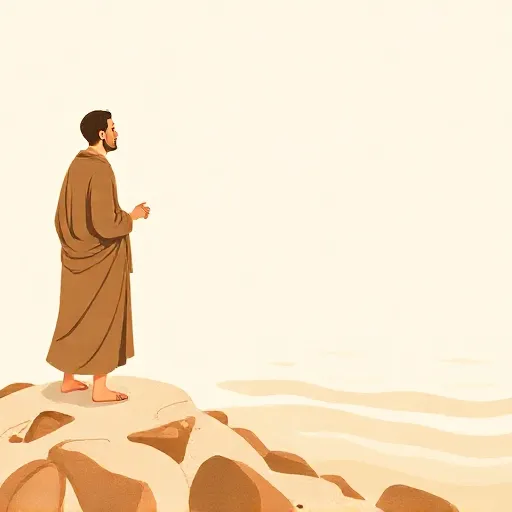
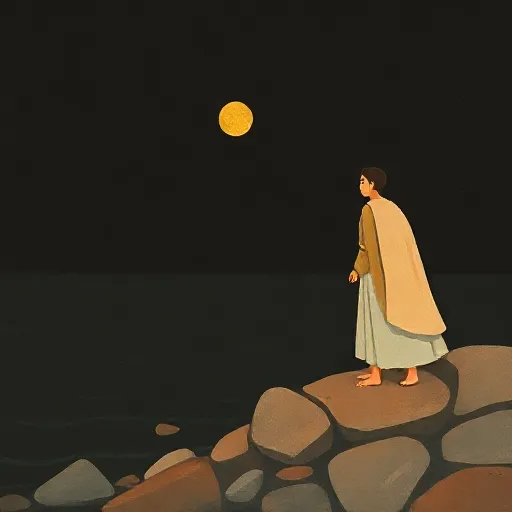
What Is Everything Made Of? The First Philosophers Asked
Long ago, Greek thinkers asked what the world is made of. Their guesses—water, endless stuff, tiny bits—started science and philosophy, no gods needed.
-
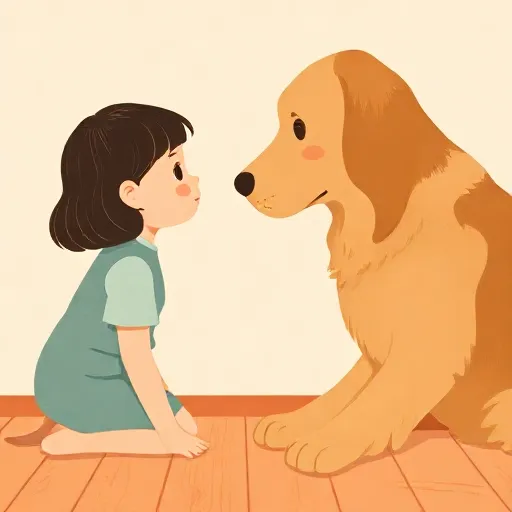
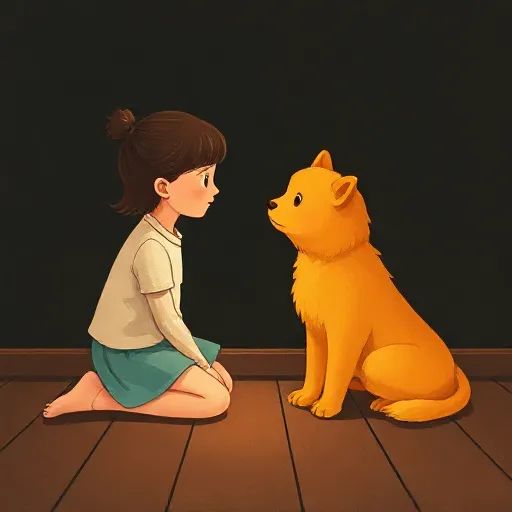
What Is It Like to Be a Dog? The Battle Over Animal Minds
Do animals feel joy or pain? Some think only humans have conscious minds; others say consciousness might be widespread. Our answer affects animal welfare.
-
What Is Life? The 2,500-Year-Old Puzzle That Still Stumps Scientists
What is life? No definition fits every living thing and excludes non-living ones. This puzzle affects how we search for aliens and define life's start.
-
What Makes a Clock Tick? The Philosophers Who Said: Look Inside
Why is looking inside a broken toy better than just saying it's broken? Because seeing how parts work together gives a deeper answer.
-
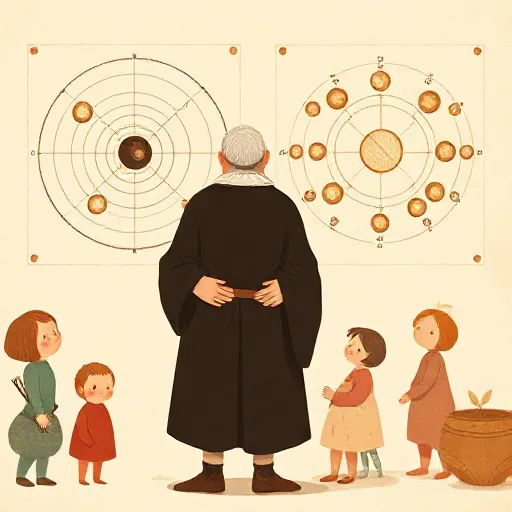
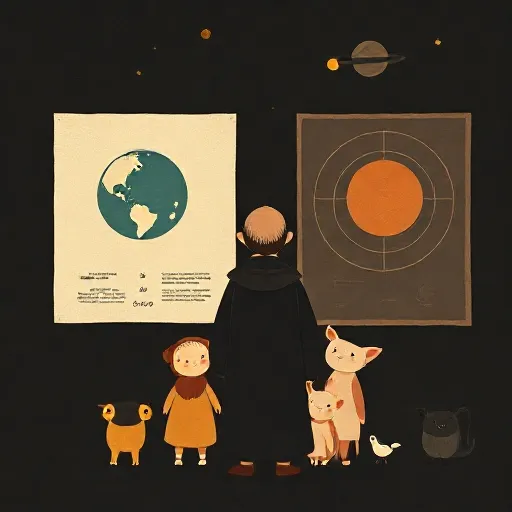
What Makes a Discovery Truly Revolutionary?
Kuhn said normal science is like puzzle-solving, then a crisis flips the paradigm. Is that how science works? A story about why we trust science.
-
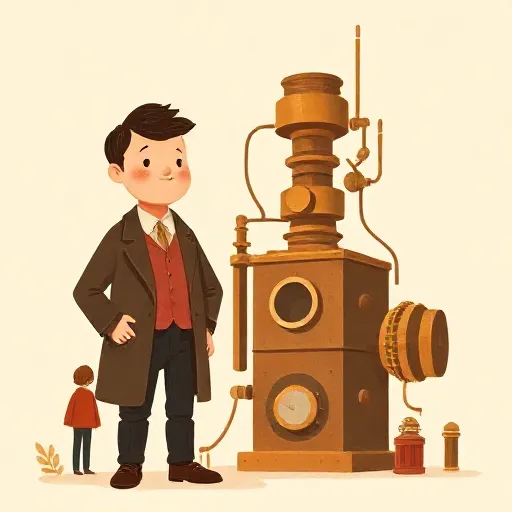
What Makes a Machine a Computer? From Babbage’s Cogs to Turing’s Brain
What makes a machine a computer? See how Babbage's dream and Turing's universal machine created the computers in our pockets.
-
What Makes a Science Real? Kant’s Surprising Answer
Kant said real science needs strict laws and math. So he thought chemistry wasn't a real science. His idea still makes us wonder: what is science?
-
What Makes a Theory Scientific? Karl Popper’s Falsification Game
Popper watched Einstein risk everything on a single test, while Freud and Marx never could be proved wrong. He argued that science is about trying to fail.
-
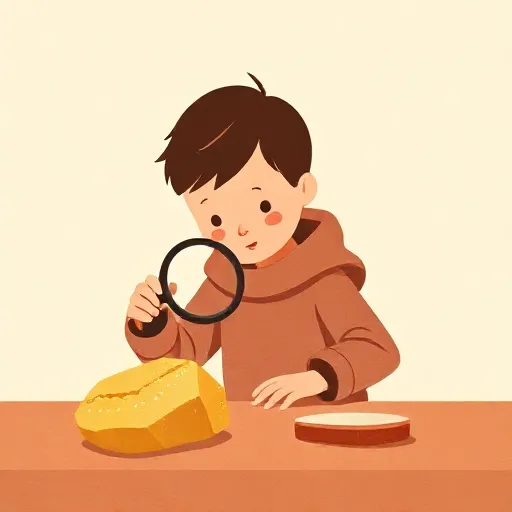
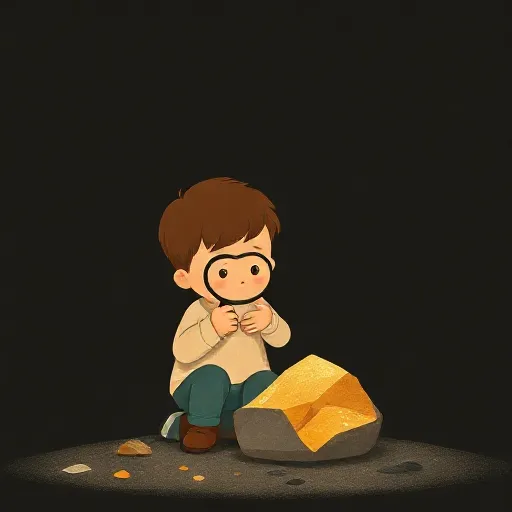
What Makes Gold Gold? The Invisible Code Inside Everything
What makes gold gold? John Locke said there's a hidden inner code. We can never see it, only the outer shine. So do we discover 'gold' or invent it?
-
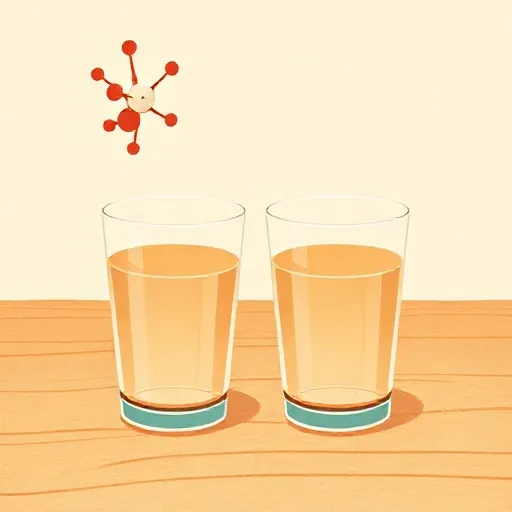
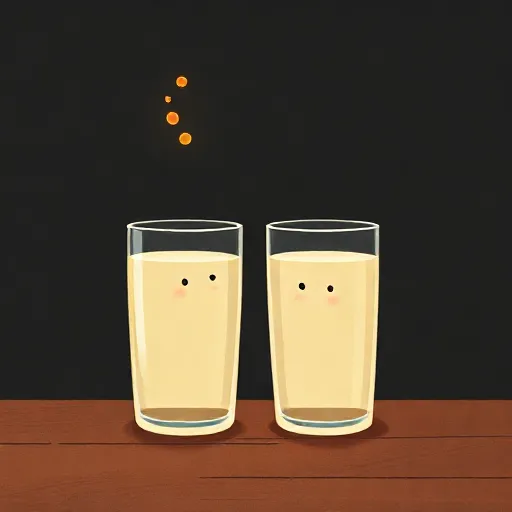
What Makes Water Water? The Battle Over Real Kinds
Are kinds like water, gold, and tigers real divisions in nature or just labels we invent? The answer shapes how we do science and see our world.
-
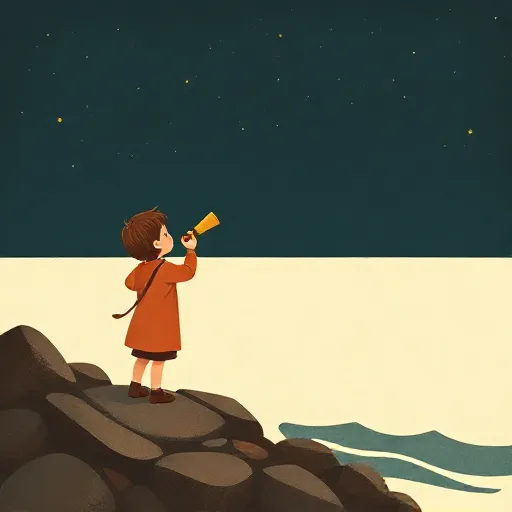
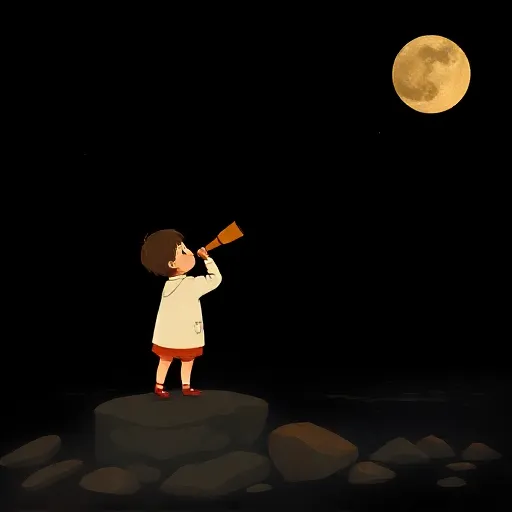
What’s Hiding Past the Edge of Everything?
What's beyond the cosmic horizon? The universe might be infinite or full of strange realms. This puzzle makes us rethink our place in everything.
-
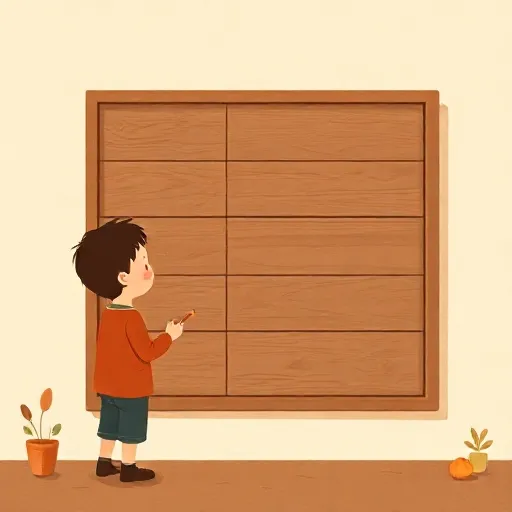
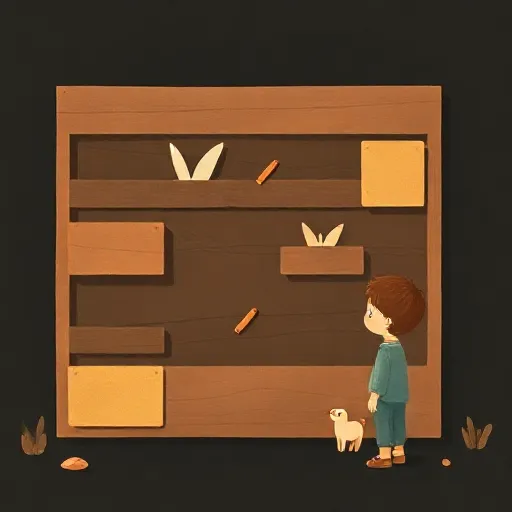
When 'And' and 'Or' Stop Making Sense: The Puzzle of Quantum Logic
Why don't 'and' and 'or' work normally with quantum particles? This puzzle shakes up everyday logic and hints reality might be stranger than we thought.
-
When "Because" Doesn't Mean Cause and Effect
You ask why. Sometimes the answer is a physical cause. Sometimes it isn't — it's about what a thing really is. Welcome to metaphysical explanation.
-
When "If... Then..." Goes Crazy
Why can 'if...then' sometimes prove nonsense, and how do relevance logicians fix it by demanding a real connection between ideas?
-
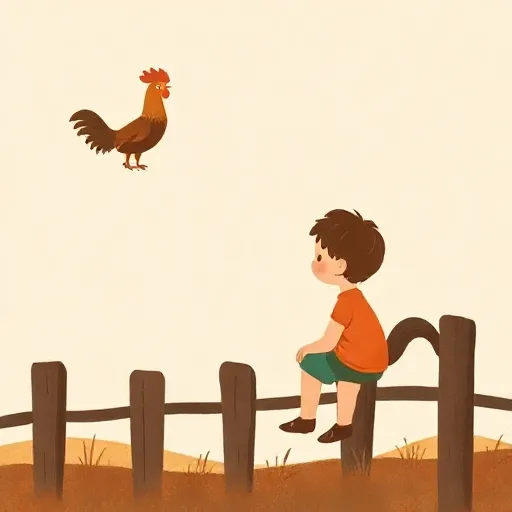
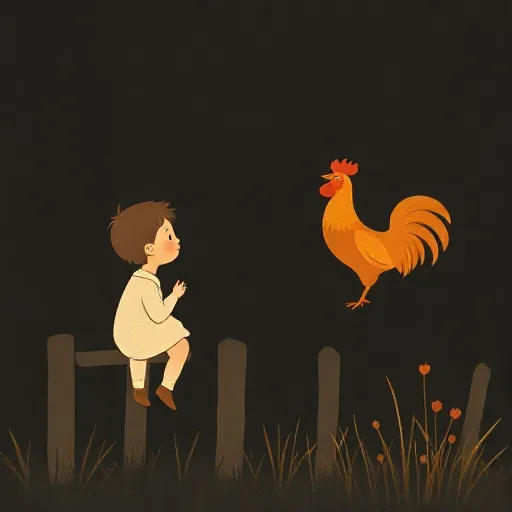
When a Rooster Crows, Does It Make the Sun Rise?
We see events follow each other all the time. But how do we know which ones are causes and which just happen together? A debate that started with Hume.
-

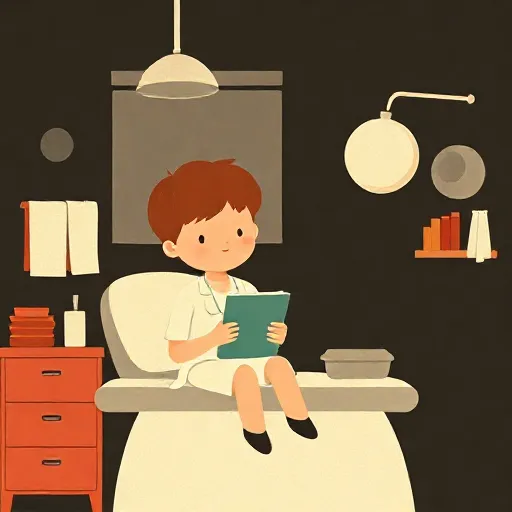
When a Test Says You're Sick, How Worried Should You Be?
If a test says you're sick, how worried should you be? A surprising math rule called Bayes' Theorem shows why the answer might not be what you think.
-
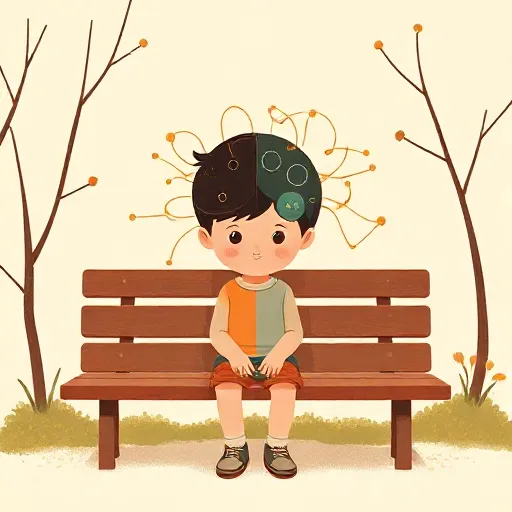
When Does Normal Sadness Become a Mental Illness?
When does normal sadness become a mental illness? Psychiatrists argue about confusing feelings with brain illness, shaping who gets help.
-
When Science Can't Repeat Itself: A Crisis in the Lab
A huge project tried to redo 100 psychology experiments. Fewer than half worked the second time. What does that mean for how we know things?
-
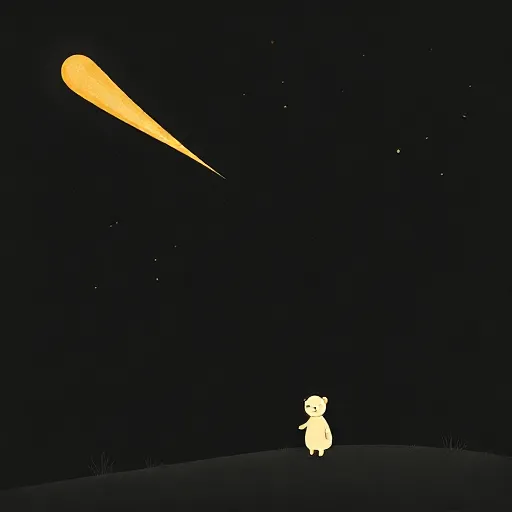
When Should You Give Up on a Theory?
When should you give up on a scientific theory? Lakatos argued stubbornness is rational if it keeps predicting surprising new things that are true.
-
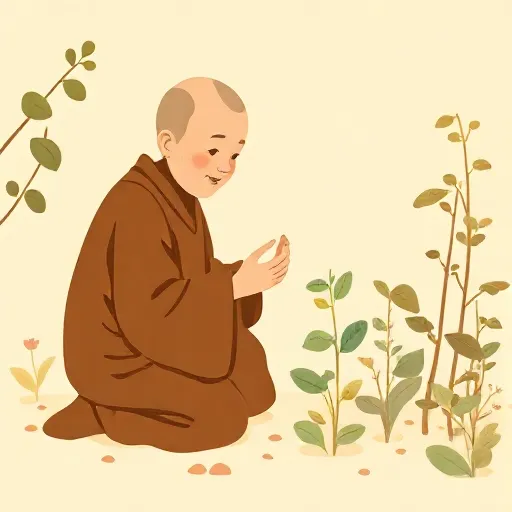
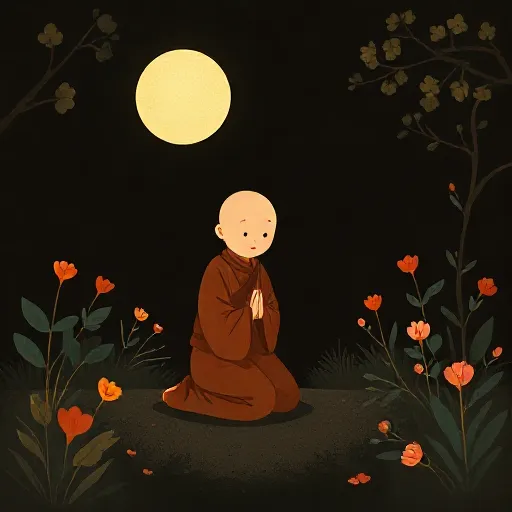
Where Did All the Variation Go? The Math That Keeps Life Surprising
Mendel’s pea experiments showed that traits pass like cards, not blended paint, solving Darwin’s puzzle of how variation survives.
-
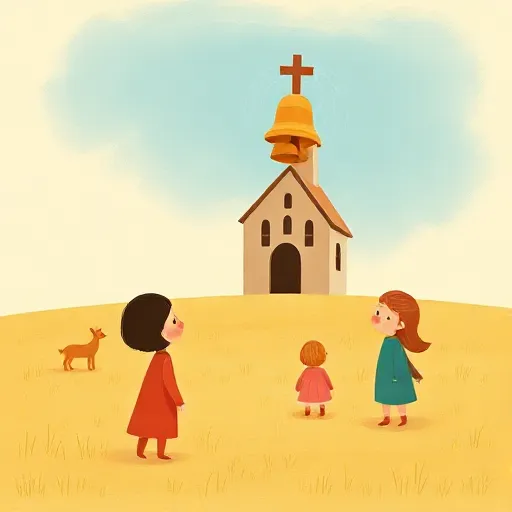
Where Does a Sound Live? The Bell, the Air, or Your Head?
When a faraway bell rings, the sound seems over there. But your ear feels it right here. So where is the sound, really? A puzzle that changes how you hear.
-
Where Is the "West of" When Glasgow Is West of Edinburgh?
Is 'west of' a real thing, or just a way of thinking? The Glasgow-Edinburgh puzzle shapes our ideas of space, time, and physics.
-
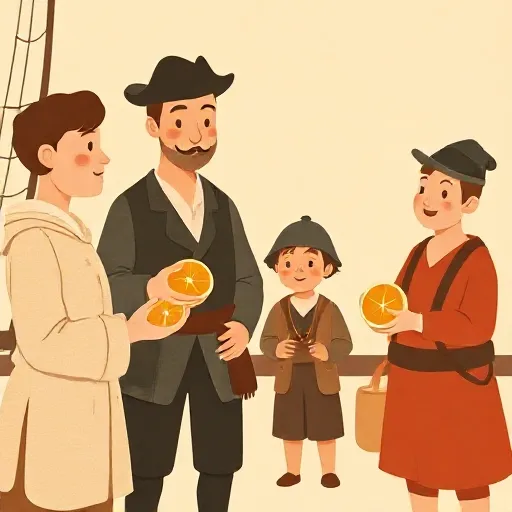
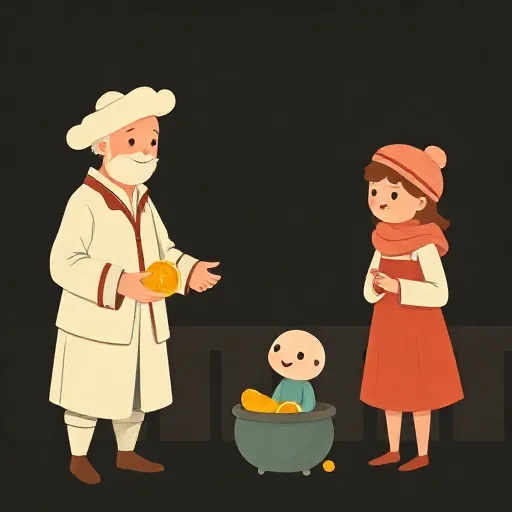
Who Bears the Risk for Tomorrow’s Cures?
Doctors once gave sailors seawater to prove oranges cured scurvy. Today we still weigh who gets the danger and who gets the benefit in medical experiments.
-
Who Belongs Where on the Family Tree of Life?
How do we know which creatures are close relatives? Fossils and DNA give different hints, and scientists still argue which clues to trust most.
-
Who Decides What Part of Nature to Save?
Who decides which parts of nature to save? It's a mix of science and tough moral choices that still shape our world.
-
Who Designed the Peacock's Tail? Darwin's Shocking Answer
Darwin showed that blind natural selection could create all life's wonders without a designer—and then he applied that idea to us.
-
Who Made Up Money? And What About Race?
Who made up money? And what about race? Explore how social construction challenges what we think is natural and changes how we see fairness.
-
Who Makes Stuff Happen? The Philosopher Who Blamed God for Everything
Johann Sturm said nature has no power — only God causes things. Leibniz called that nonsense. Their clash still shapes how we think about science.
-
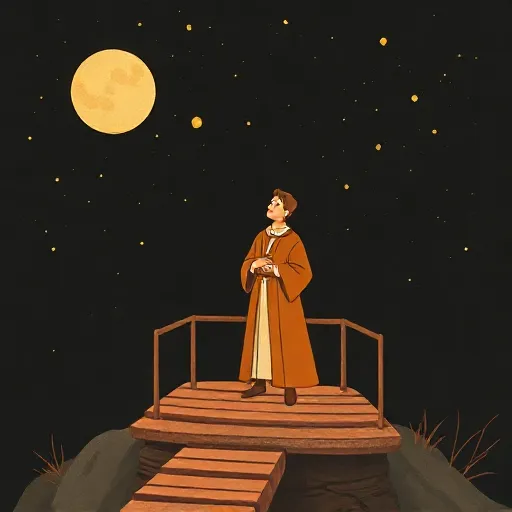
Who Moved the Earth? The Story of Nicolaus Copernicus
For centuries, people thought Earth was the center of everything. One astronomer dared to rethink that — and changed how we see the universe.
-
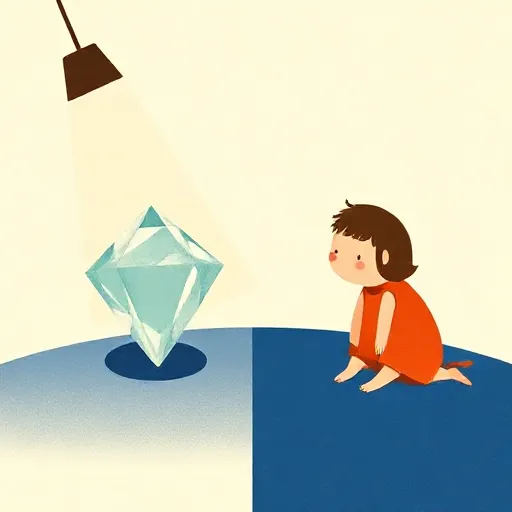
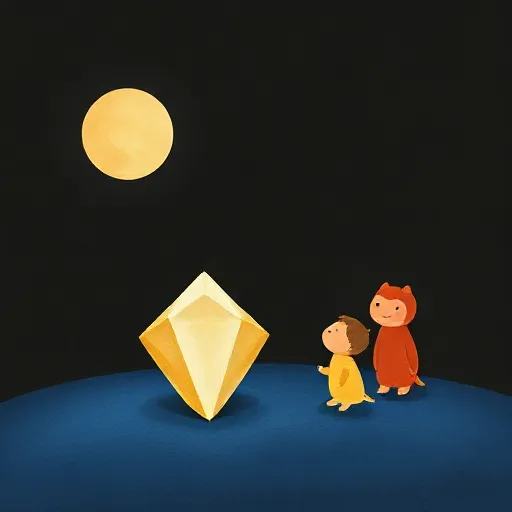
Why a Diamond Is History and a Lump of Coal Isn’t
Why is a diamond history but a lump of coal isn't? The answer shows how science and history both give us real knowledge, just in different ways.
-
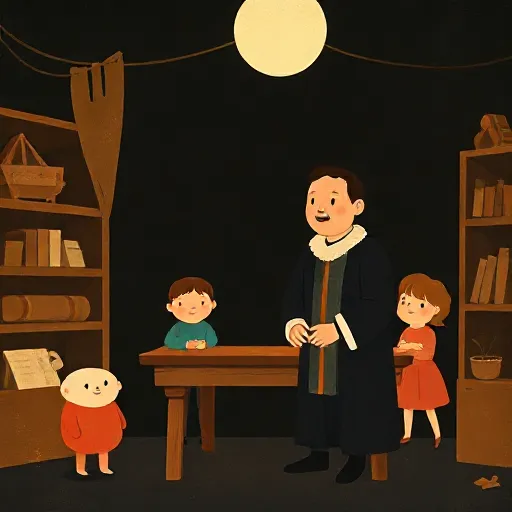
Why a Renaissance Philosopher Said Medicine Isn't Science
Why did a Renaissance professor say medicine isn't real science? His ideas about knowing versus doing still fuel debates on what counts as science.
-
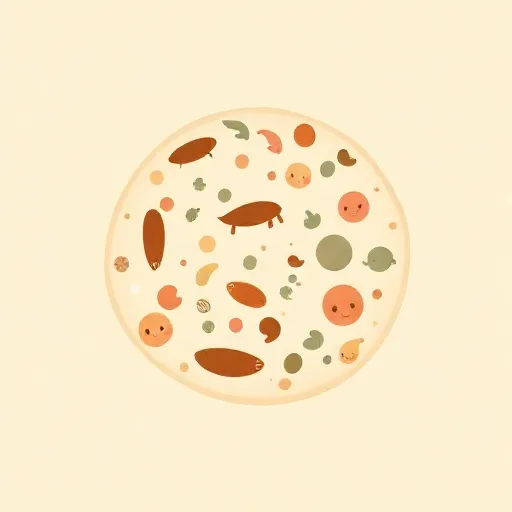
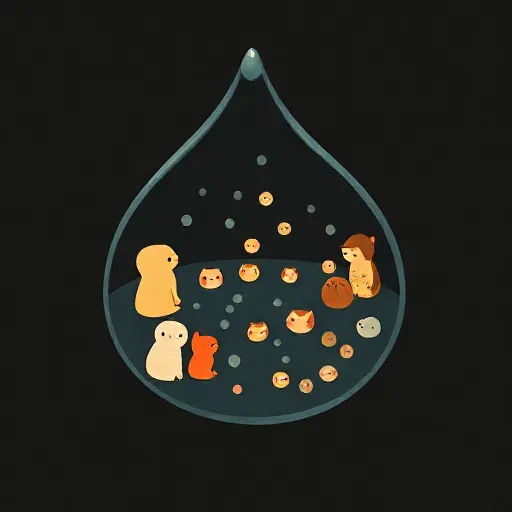
Why a Single Drop of Water Shakes Up All of Philosophy
Do tiny germs make philosophers rethink what a species is? Find out how bacteria blur the lines of the tree of life and change big ideas.
-
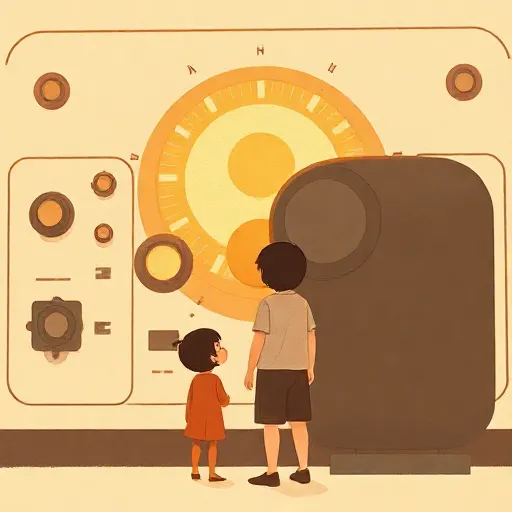
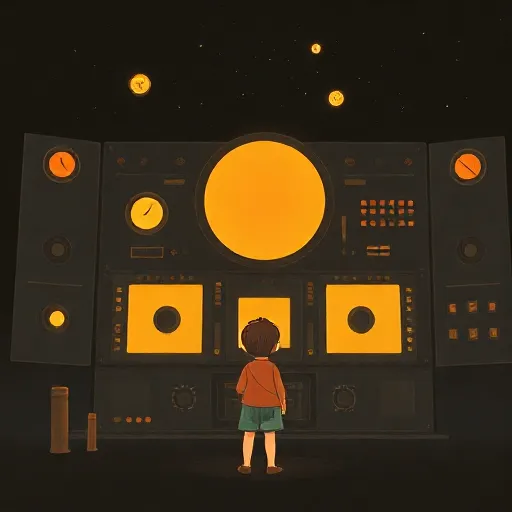
Why Are the Laws of Physics Just Right for Life?
Why do the laws of physics seem perfectly tuned for life? If they were slightly different, stars, planets, and people couldn't exist.
-

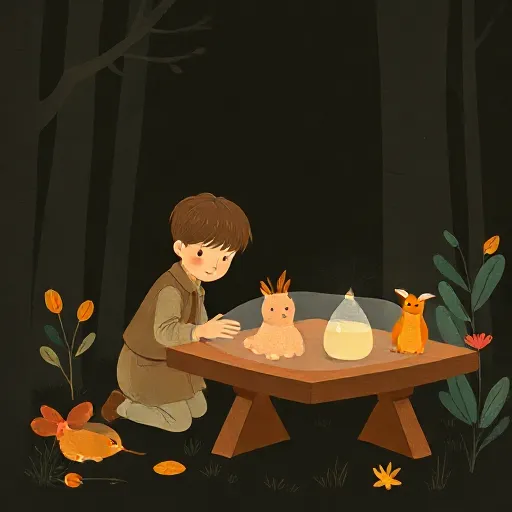
Why Are There Spotted Moths? The Secret War Over Evolution
Why are there spotted moths? It's a clue in a big fight over evolution: does nature perfect every detail, or is life just a roll of the dice?
-
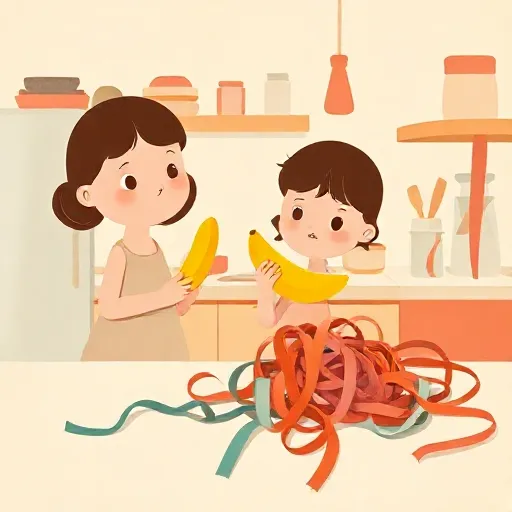
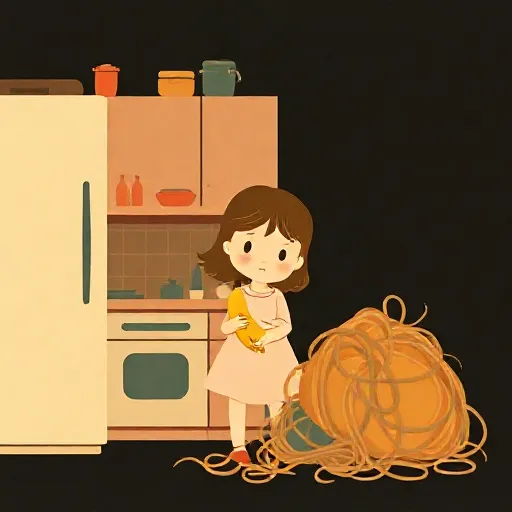
Why Bananas Don't Cause Migraines: The Hidden Math of Cause and Effect
How can we tell if one thing really causes another? See how math and diagrams reveal true causes, helping you make better decisions.
-
Why Can't a Shadow Explain the Height of a Pole?
Why does a shadow seem like a bad explanation for a pole's height, even though math works? This puzzle shows what a real scientific explanation needs.
-
Why Can’t Science Explain Why Brutus Stabbed Caesar?
R.G. Collingwood said historians don’t just study events — they re-live the thoughts of people long dead. But can you really think like a Roman?
-
Why Can’t Science Give Us Perfect, Unbreakable Rules?
Many scientific laws have a hidden 'unless something interferes' clause. Why is that? And if they're not perfect, should we still use them?
-
Why Can’t Scientists Agree on What Counts as Cancer?
Cancer isn’t one thing — it’s a tangled puzzle. Why do some growths stay harmless while others kill? And what does that mean for how we treat it?
-
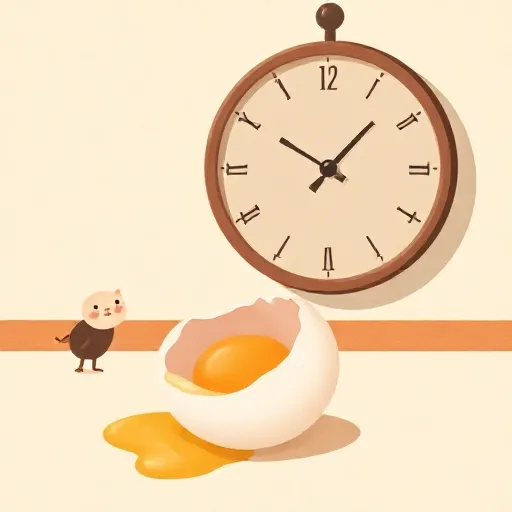
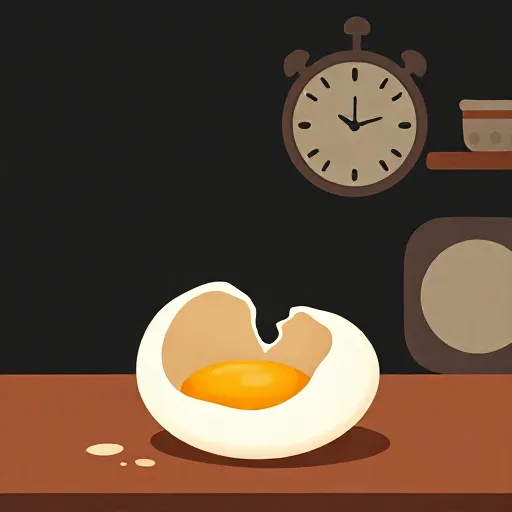
Why Can’t You Un-Break an Egg? The Puzzle of Time’s Arrow
Things fall apart but never put themselves back together. The laws of physics don't care which way time flows, so why does the real world have a direction?
-
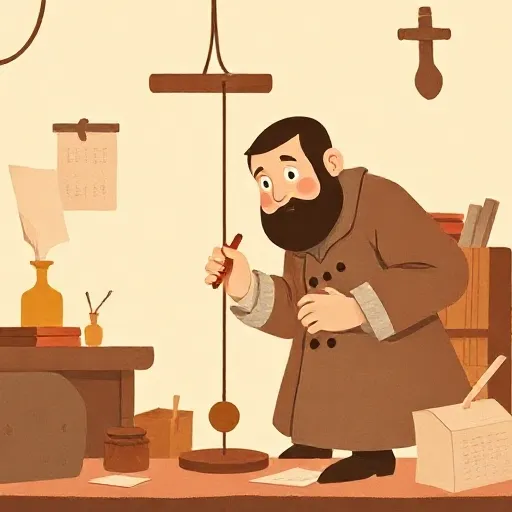
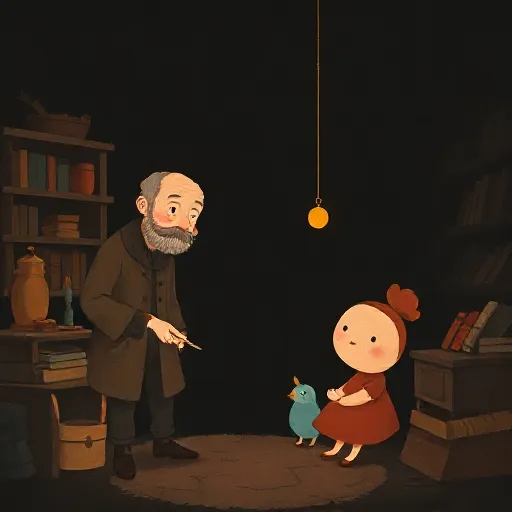
Why Couldn’t Newton Understand Aristotle?
Kuhn and Feyerabend argued that rival scientific theories can be so different that they talk past each other. A wild idea that changed how we see science.
-
Why Did Darwin’s Idea Terrify Everyone? The Fight Over Evolution
Why did Darwin's evolution idea terrify people? It questioned chance, species, and kindness, sparking debates that still rage.
-
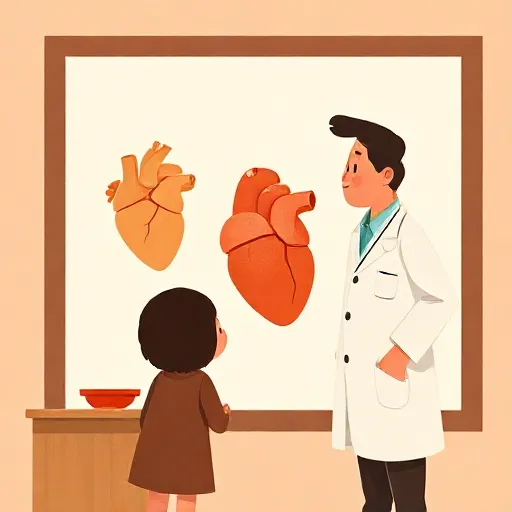
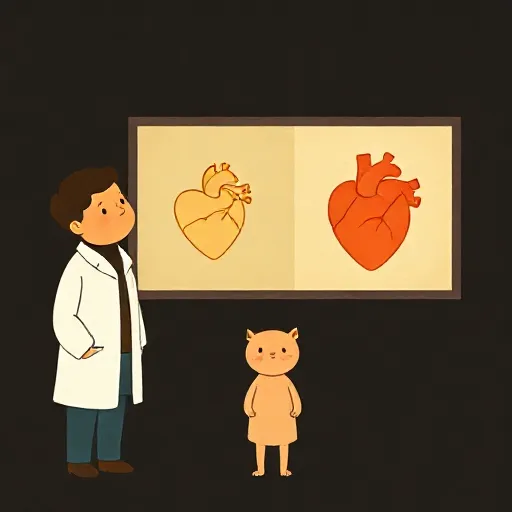
Why Did Doctors Miss Heart Disease in Women for Decades?
Why did doctors miss heart disease in women for so long? The surprising reason has to do with who was allowed in the lab, and how it made science weaker.
-
Why Did Einstein Spend So Much Time Arguing About What’s Real?
Einstein believed that physics needs philosophy to stay honest. He fought for a deeper reality behind the weirdness of quantum mechanics.
-
Why Did Leibniz Think Descartes Was Bad at Physics?
Leibniz argued Descartes' physics failed because force is mass times speed squared, not just mass times speed, and space-time is relational.
-
Why Did the Window Break? The Search for a Good Explanation
What makes a good explanation? Using a broken window, philosophers explore machine-like blueprints and other ideas to reveal how science works.
-
Why Did This Philosopher Say Scientists Should Break All the Rules?
Why did a philosopher say scientists should break rules? Because big discoveries happen when rules are ignored, making us rethink knowledge.
-
Why Did You Check That Box? The Strange Story of Race
Scientists say race isn't real in biology. But 500 years of laws, skulls, and power made it feel that way. So what are you really choosing on the form?
-
Why Didn’t Ancient China Invent Modern Science?
Why didn't ancient China, full of inventors, create modern science? A debate between two thinkers shows surprising ideas about what science really is.
-
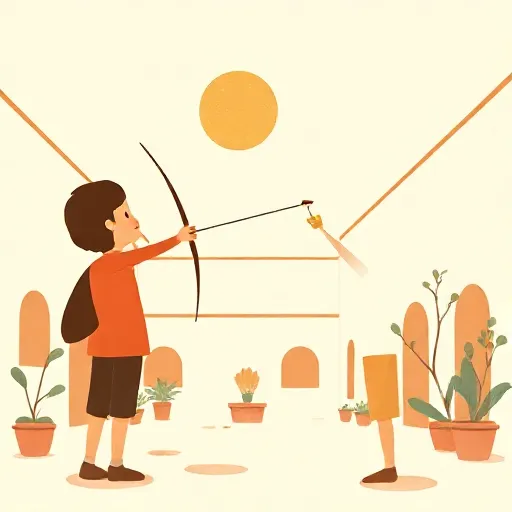
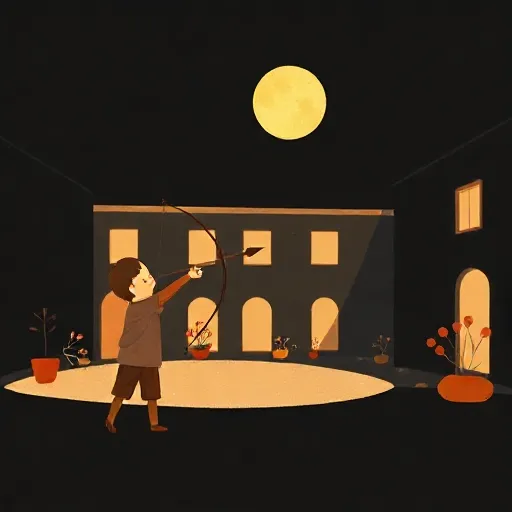
Why Didn't the Arrow Fall? John Philoponus's Answer
John Philoponus asked why an arrow keeps moving after it's shot. His challenge to Aristotle helped change physics forever.
-


Why Do Economists Pretend People Are Perfect?
Why do economists model people as perfectly rational? These models are clearly unreal, yet they help explain real-world patterns and guide policy.
-
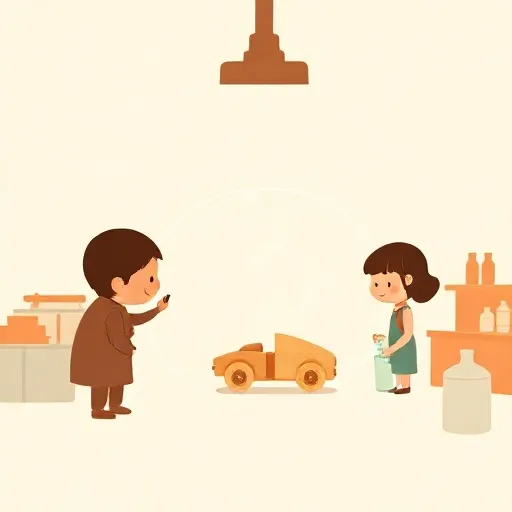
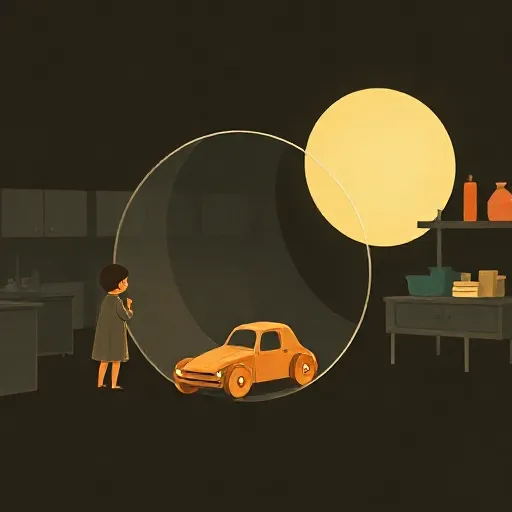
Why Do Scientists Play With Fake Atoms and Frictionless Planes?
From wind-tunnel cars to imaginary perfect pendulums, models help us understand the real world — even when they get things wrong.
-
Why Do Scientists Suddenly See the World Differently?
Why do scientists suddenly see the world differently? Thomas Kuhn's idea of scientific revolutions explains how science can leap sideways.
-
Why Do the Planets Move? Newton’s Answer Changed Everything
Newton showed the same gravity pulls an apple and the Moon. But can you explain something without saying why? The fight over the greatest science book.
-
Why Do Things Happen Together? The Hidden Cause Rule
Why do barometers drop before storms? A hidden cause may link them, but tiny particle experiments show this rule can break, reshaping cause and chance.
-
Why Do Things Happen? Aristotle’s Four Hidden Causes
Why do things happen? Aristotle said there are always four causes. The most important is purpose—nature works toward goals, like an artist.
-
Why Do We Ask ‘Why’? The Philosopher Who Put Cause Back into Because
Why does a good scientific explanation need to dig into real causes, not just logical patterns? Discover how Wesley Salmon’s ideas changed explanation.
-
Why Do We Believe One Thing Causes Another?
Hume said we can’t prove one billiard ball will move another just by thinking. That question woke Kant and changed philosophy forever.
-
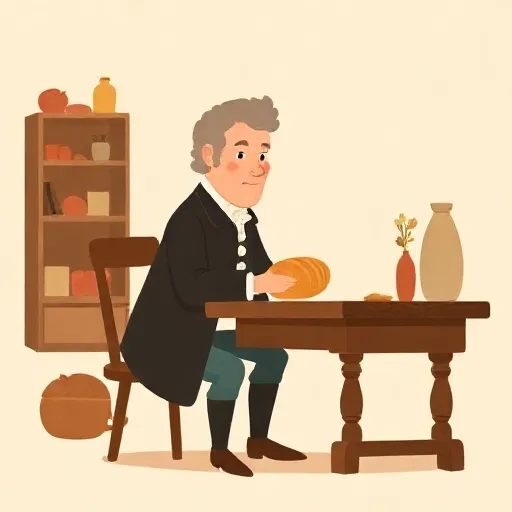
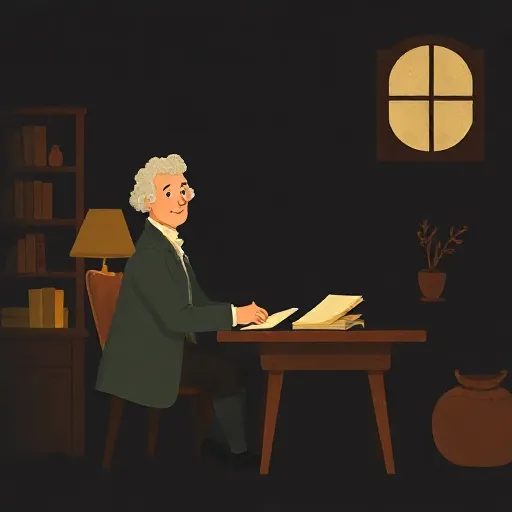
Why Do You Believe the Next Piece of Bread Will Nourish You?
Why do we expect bread to nourish tomorrow? Hume's problem of induction reveals our belief is just a mental habit with no proof.
-
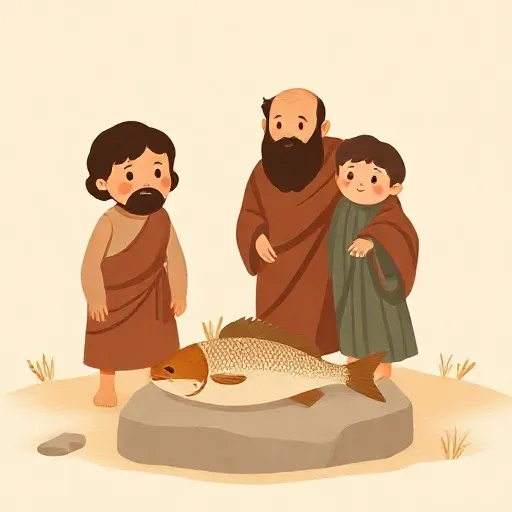
Why Does a Bird Have Feathers? Aristotle’s Blueprint for Life
Why do birds have feathers? Aristotle thought every creature’s features exist for a reason—and he invented a way to discover those reasons by observing.
-
Why Does a Heart Pump Blood? The Function Riddle
Why do hearts pump blood? Is it because they were designed to, or is it just evolution? Explore the philosopher's riddle about purpose in nature.
-
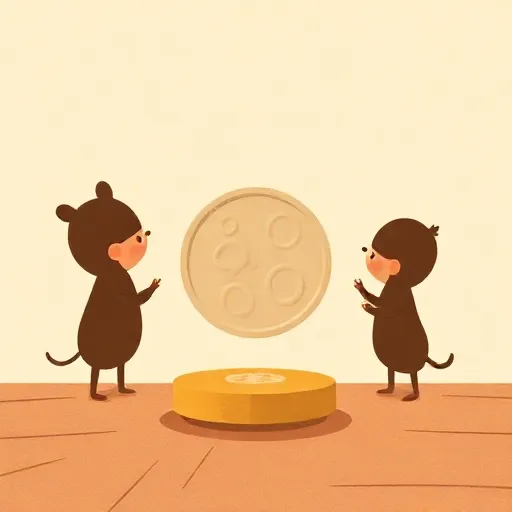
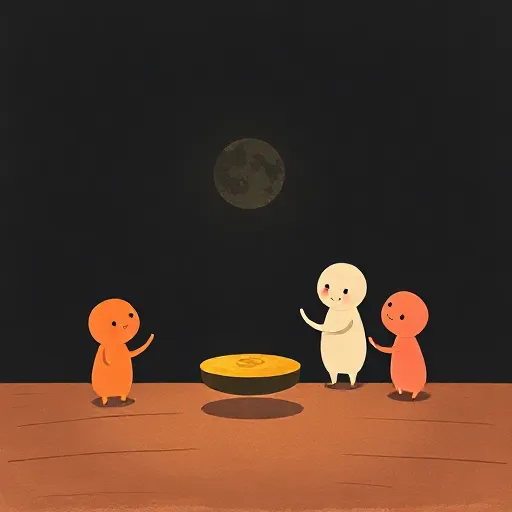
Why Does a Spinning Coin Turn Into Heads or Tails When You Look?
Why does looking at a spinning coin make it choose heads or tails? Quantum physics says it was both until then, puzzling scientists for a century.
-
Why Does an Onion Have Five Times More DNA Than You?
Why does an onion have five times more DNA than you? The surprising answer reveals that our genome is not a tidy blueprint.
-
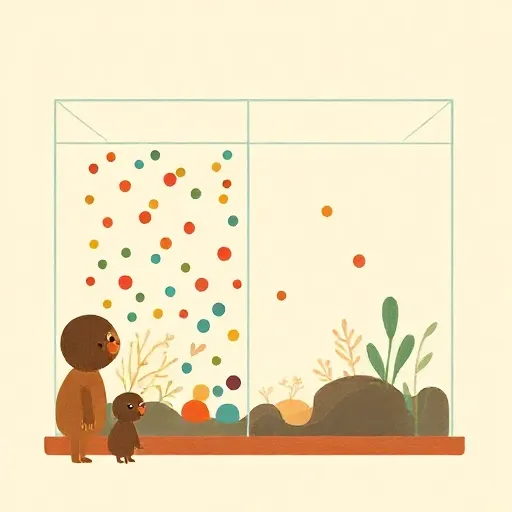
Why Does Gas Fill the Whole Room (and Never Go Back)?
Why does a gas spread out but never un-mix? Tiny particles follow reversible rules, yet we see only one direction. The reason is surprisingly simple.
-
Why Does Predicting the Future Feel Smarter Than Explaining the Past?
Why does predicting the future feel smarter than explaining the past? Is guessing a new fact better proof than fitting old data? Philosophers still argue.
-
Why Does the Ball Roll Downhill? Aristotle’s Four Answers
Why do things move or change? Aristotle found four kinds of reasons: stuff, shape, starter, and goal. This helps explain rolling balls or growing pups.
-
Why Does the Universe Play Fair? The Surprising Power of Symmetry
Why do the laws of physics stay the same everywhere? The answer is symmetry, a simple rule that shapes everything from falling rocks to galaxies.
-
Why Does Your Brain Feel Like You? The Hunt for Consciousness
What turns electrical buzz into the taste of chocolate or the redness of a rose? Scientists and philosophers are searching for the brain’s secret recipe.
-
Why Is 'Green' More Real Than 'Grue'?
Why do some categories seem to match real things in the world while others feel made up? Philosopher David Lewis thought the world has natural 'joints'.
-
Why Is Ecology So Messy? The Science of Struggling Together
Ecology is the science of how living things struggle together. But its greatest puzzle might be figuring out what counts as good science.
-
Why Is One True Statement a Law and the Other Just a Curious Fact?
Why are some true facts laws of nature while others are just lucky breaks? Sorting them out helps scientists understand and predict the world.
-
Why John Locke Said Science Can Only Go So Far
He started as a medical student, wading through wild theories. Then a no-nonsense doctor showed him a better way—and changed philosophy forever.
-
Why Nature Looks Like It Was Made on Purpose
A watch on a heath, a perfectly formed eye, the universe’s lucky numbers—design arguments say all this points to a maker. But Hume and Darwin pushed back.
-
Why One Experiment Can’t Prove a Theory Wrong
Pierre Duhem argued that no single experiment can prove a theory false. His idea shook up science—and still affects how we test ideas today.
-
Why Science Can't See the Real World—and What Can
How do we know what's real if our senses don't show the true world? Friedrich Lange said science can't, but imagination gives us moral ideals.
-
Why Science Wasn’t the Hero Latin America Hoped For
Latin American reformers bet that science would bring progress. When it didn’t, a fierce debate began about science, society, and who’s in charge.
-
Why Scientists Argue About What Evolution Really Is
Why do scientists argue about evolution? Explore how different ideas explain life's changes and our origins.
-
Why Scientists Can’t Agree What a Gene Really Is
Mendelian factors, DNA double helix, then a definition that fell apart. The gene has been reimagined over and over, and it’s still not settled.
-
Why Scientists Need Troublemakers (and a Little Chaos)
Computer simulations show that the best scientific teams need a mix of followers and bold explorers. Too much agreement can stop progress.
-
Why Some Infinities Are Bigger Than Others
Are all infinities the same size? Discover why some infinities are bigger than others and how this changes our understanding of math and the universe.
-
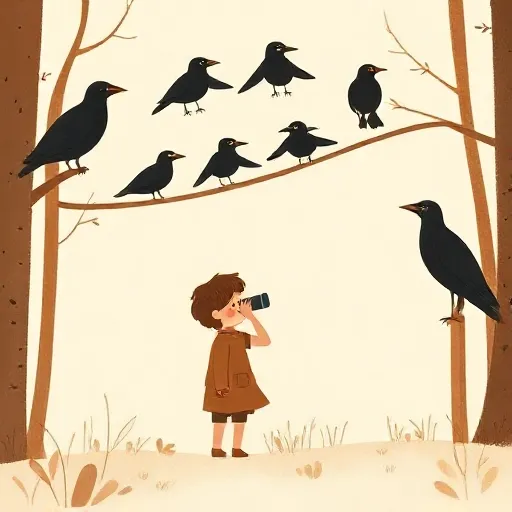
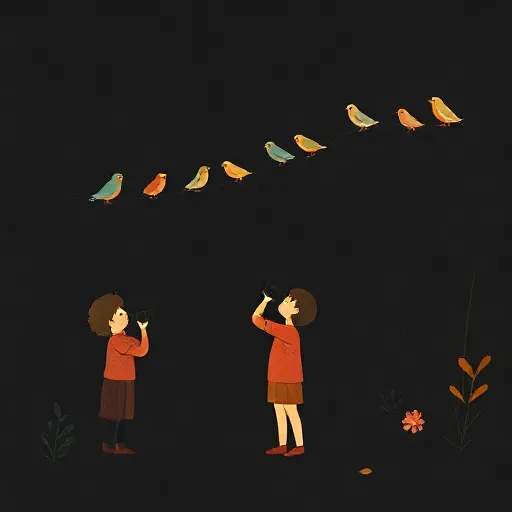
Why the Bold Guess Is Better Than Being a Skeptic
If you see a hundred black ravens, should you bet the next one is black? Learning theory says yes—and shows why some guesses are better than others.
-
Why the Same Evidence Can Support Opposite Ideas
Why doesn't evidence force just one answer? Discover how facts can fit many stories, and why science needs both curiosity and honesty.
-
Why Thomas Hobbes Thought You Can't Know a Thing Unless You Built It
Hobbes believed that seeing isn't knowing. You only really understand what you make yourself — from a triangle to a whole country.
-
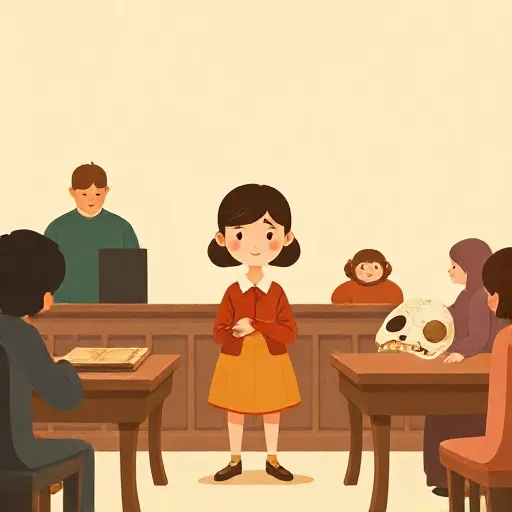
Why Was a Teacher on Trial for Teaching Evolution?
Why did teaching evolution land a teacher in court? The clash over faith and science still shapes what kids learn today.
-
Why Would a Scholar Write a Book About How All Books Are Useless?
Cornelius Agrippa attacked every field of learning as empty, yet spent his life restoring ancient magic. What was he really after?
-
Why Would an Animal Risk Its Life for a Stranger?
Why risk your life for a stranger? Evolution makes self-sacrifice pay off when it helps relatives pass on shared genes.
-
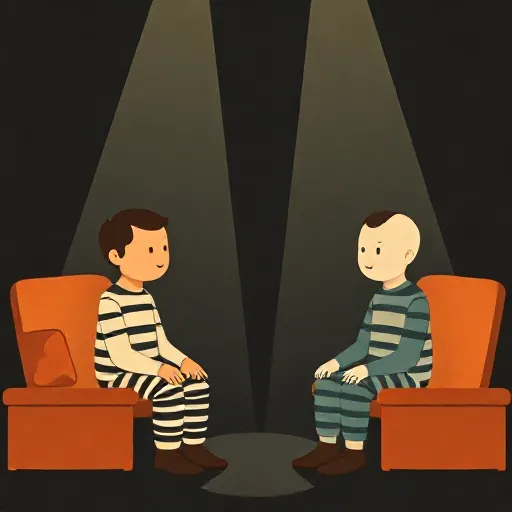
Why Would Two Prisoners Both Confess When Silence Is a Better Deal?
Why would two prisoners both confess when staying silent is better? This puzzle reveals how selfish choices can create bad outcomes for everyone.
-
Why You Can’t Always Pin a Number on Your Belief
Why is saying you're '30-50% sure' sometimes more honest than picking 40%? Fuzzy beliefs can change how we do science and make decisions.
-
Why You Can’t Know Both Where It Is and How Fast It’s Going
Why can't you know where something is and how fast it's going at the same time? The quantum rule of complementarity says measuring one hides the other.
-
Why Your White Sneakers Prove That All Ravens Are Black
Why can a white shoe confirm that all ravens are black? Hempel's puzzle about evidence still baffles scientists and philosophers.
-
Would a Clone Be You? The Ethics of Copying People
If we cloned you, would the clone be you? The surprising answer shows clones are unique like twins, sparking debates about cloning for medicine or babies.
-
Your Brain Isn’t a Perfect Calculator — and That’s a Good Thing
Why do we take mental shortcuts instead of thinking everything through? Bounded rationality says our shortcuts are often smarter than trying to be perfect.
-
Your Genes Don’t Tell the Whole Story: The Genotype-Phenotype Puzzle
Wilhelm Johannsen's bean plants helped separate hidden genes from visible traits, revealing why identical seeds don’t make identical plants.
-

Your Genes: Destiny, Blueprint, or Just a Part of the Story?
Mendel’s peas started a revolution. Now we can read our DNA. But does your genome really predict your future—or just give hints?