
Logic
332 articles
-

A Letter, a Paradox, and the Tower of Types That Fixed Math
Why can't a set contain all sets? A simple rule—things can only point to things on lower levels—fixes a nasty loop and now runs your computer.
-
A Monk's Puzzle: How Can the Word 'Man' Mean the Whole Human Race?
How can one word stand for a universal idea, a single person, or all of humanity? Peter of Spain's puzzle shows why context matters in everyday arguments.
-
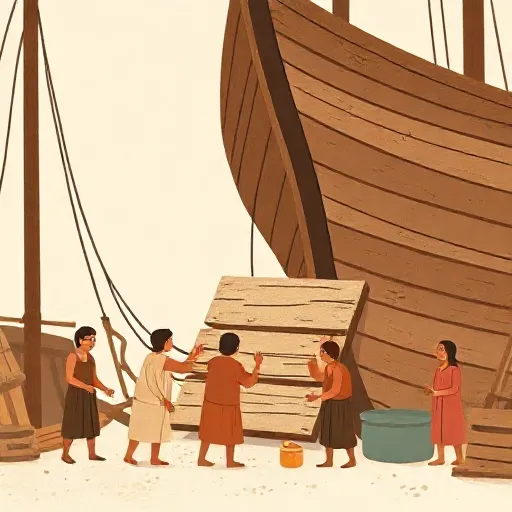
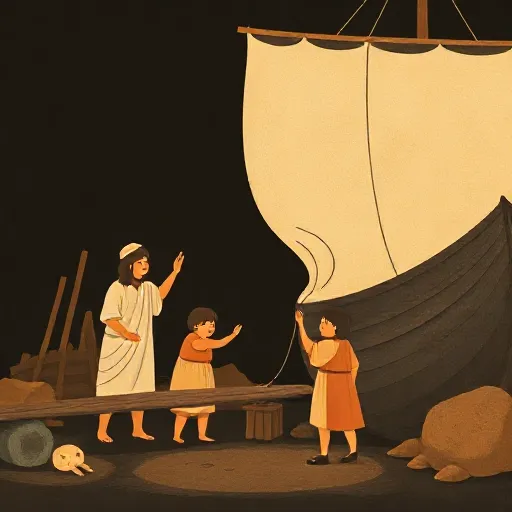
After Every Plank Is Replaced, Is It Still the Same Ship?
If you replace every plank of a ship, is it still the same? Rebuilding the old planks creates a second ship. Which is original? A puzzle about identity.
-
Are Numbers Real, or Just Pieces in a Game?
When you add 2+2, are you uncovering a truth about the universe, or just following rules like a board game? The debate that divided philosophers.
-
Are Numbers Real? The Fight Over What Math Is Actually About
What is a number? Are numbers real like rocks or invented like chess? This ancient debate shapes all of math, and it's still wide open.
-
Are Questions Just Looking for Answers, or Do They Shape Our Thinking?
Are questions just requests for missing info, or do they do more? Find out why asking might be as basic as telling and how it shapes thinking.
-
Are Some Infinities Bigger Than Others?
Georg Cantor proved that infinity comes in sizes. His discovery transformed math but triggered paradoxes that shook the foundations of logic.
-
Are Some Infinities Bigger Than Others? Cantor's Discovery
Cantor found that some infinities are bigger than others. Then he asked an impossible question about the continuum — and it broke mathematics.
-
Are the Rules of Logic Inside Your Head or Out in the World?
In 1900, German philosophers fought over whether logic is part of psychology. The battle changed how we think about truth, thought, and the mind.
-
Are There Math Problems No Computer Can Ever Solve?
Some math problems can never be solved by any computer. Alonzo Church's surprising discovery changed computer science forever.
-
Are There Other Worlds Where You Made a Different Choice?
Could a world exist where you picked the sandwich instead? Leibniz thought God sees all possible choices, but ours is the best.
-

Are There Really Only Ten Kinds of Thing in the World?
Can everything in the universe be sorted into just ten basic boxes? Philosophers have argued about this for centuries, and the answer might surprise you.
-
Are There Things That Don't Exist? The Ronald McDonald Puzzle
You say "Ronald McDonald doesn't exist." But what are you talking about? A 200-year-old fight about reality, fiction, and the words we use.
-
Are Two Recipes That Always Bake the Same Cake Really the Same Recipe?
When two computer programs do the same thing with different steps, are they the same program? A 1930s logic puzzle that still shapes your apps.
-
Are You Forced to Believe What Logic Says?
If you know the premises are true and the conclusion must follow, do you have to accept it? The fight over whether logic gives you rules for thought.
-
Are You Just Guessing? The Philosopher Who Said All Knowledge Is a Bet
Can we ever be 100% sure about anything? Hans Reichenbach said all knowledge is like a bet based on clues, and that's how science works.
-
Are You the Same Person You Were Yesterday?
What makes you the same person across time? The answer shapes how we think about promises, punishment, and even your old shoes.
-

Are You Winning the Argument — or Just Being Loud?
What's the difference between a real argument and just being loud? Find out how to build strong reasons, spot sneaky tricks, and argue fair.
-
Avicenna Said Aristotle’s Logic Was Full of Mistakes. Was He Right?
A thousand years ago, a Muslim genius declared Aristotle got logic wrong. The fiery debate that followed reshaped how we think.
-
Brouwer's Big Idea: Why Some Statements Have No 'Yes' or 'No'
Is every statement true or false? Not for infinite things—we might never know. Brouwer's logic demands proof before claiming truth, shaping computing.
-
Can “Some” Ever Be Free of “All”?
Can 'some' ever be free of 'all'? Attempts to answer this puzzle led to new ideas about truth and the limits of computers.
-
Can a Bigger Group Always Make Better Decisions?
What if adding more voters makes a jury worse? The surprising math behind group wisdom, from Condorcet to modern jury theorems.
-
Can a Clever Bookie Prove Your Beliefs Are Irrational?
If your beliefs break probability rules, a clever bettor can trap you into losing money. But does that make your thinking irrational?
-
Can a Computer Solve Every Puzzle? The 50-Year Fight Over P vs. NP
Are solving puzzles and checking answers the same? If yes, many impossible problems would become easy. That's the 50-year fight over P vs NP.
-
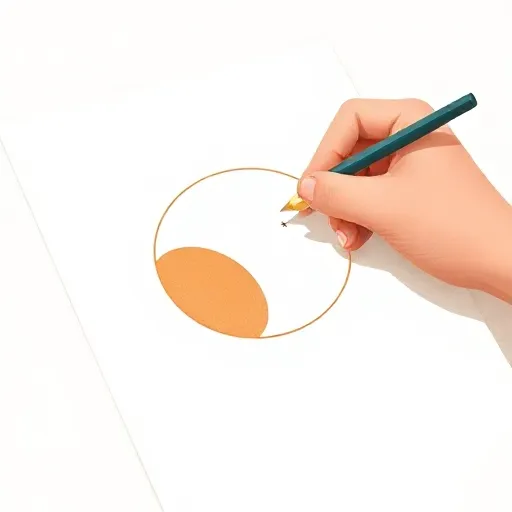
Can a Doodle Prove a Point? The Surprising Logic of Diagrams
Can drawings prove things like words? Yes—Euler’s circles show logic clearly. But pictures can trick you if you’re not careful.
-

Can a Game Tell You What “Every” Means?
Every “all” and “some” hides a tiny battle between two invisible players. Discover how logicians turned truth into a move‑by‑move game.
-
Can a Lie Be More Informative Than the Truth?
Can a lie be more informative than the truth? This question makes us rethink what it means to learn from words and why we value truth.
-

Can a Lie Make Something True? The Strange Puzzle of ‘If…Then…’
Can a lie make something true? Why 'If pigs fly, then I'm a millionaire' is true in logic, and how thinkers solved this puzzle with possible worlds.
-
Can a Machine Ever Really Think, or Is It Just Faking?
Can a machine truly think or just fake it? The Turing Test and a puzzling thought experiment show why this question matters for our future.
-

Can a Machine Think? The Boyish Genius Who Dared to Ask
Can a machine think? Alan Turing's ideas about computing and conversation tests still shape AI and make us question what thinking means.
-
Can a Math Proof Also Be a Computer Program?
Can a math proof also be a computer program? This idea checks proofs by running them, making software that never crashes.
-
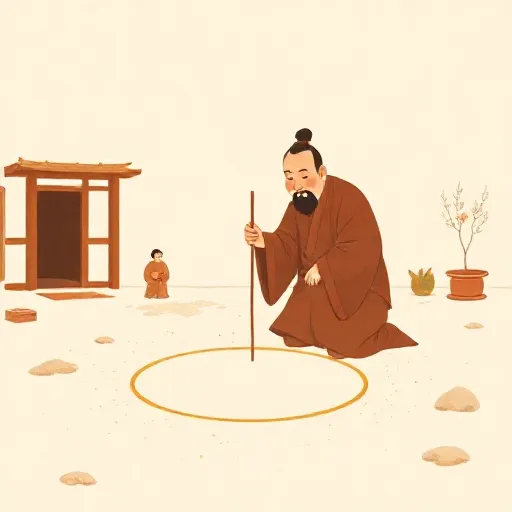

Can a Model Settle Every Argument? The Mohists' Big Idea
Can a model settle every argument? The Mohists thought so, but a puzzle about words and reality got in the way, leaving a mystery that still puzzles us.
-

Can a Picture Prove a Math Theorem?
For centuries, math has had a secret fight: can a picture ever be a proof? Some say diagrams are dangerous, but a colored knot might prove them wrong.
-
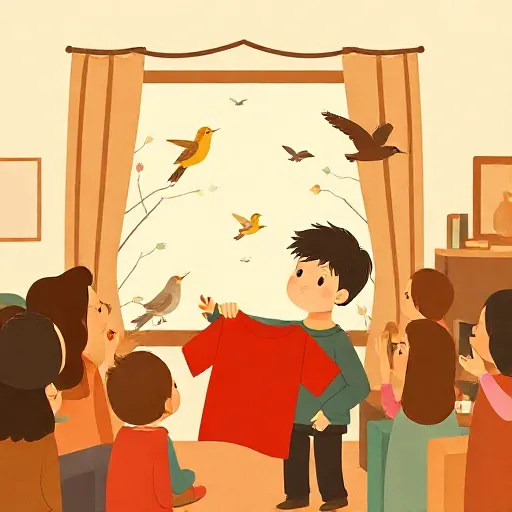
Can a Red Shirt Prove All Ravens Are Black?
A red shirt seems like useless evidence for a bird theory—but probability says it counts. How logic and math reveal the weirdness of confirming ideas.
-

Can a Sentence Be Too Strange to Mean Anything?
A group of 1920s thinkers said a statement only means something if you can check it against experience. Their test shook philosophy.
-

Can a Sentence Be True and False at Once? Medieval Logic Tricks
How can a sentence be both true and false? Old logic puzzles use tricky words to split truth, making us question our own minds.
-
Can a Sentence Be True and False at the Same Time?
For 2,500 years, philosophers insisted a statement can’t be both true and false. A bold crew says it can — and points to a puzzle called the Liar as proof.
-
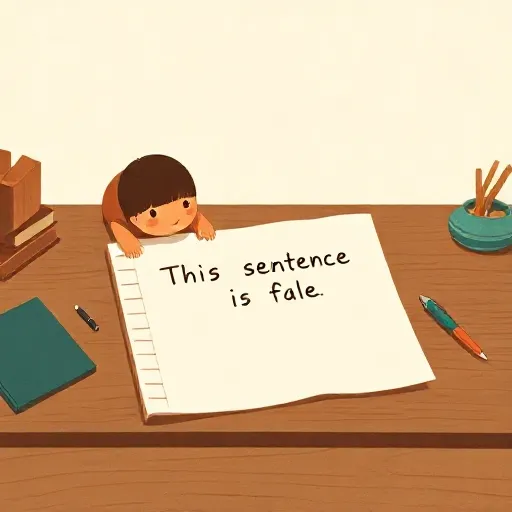
Can a Sentence Break Itself? The Puzzle of Self-Reference
Can a sentence be true and false at once? The liar paradox loops and broke logic's rules, leading to big ideas in math and computing.
-
Can a Sentence Flip Between True and False Forever?
A liar sentence says it's false, and that makes it both true and false. Some philosophers think truth is a process of revising guesses—not a final answer.
-
Can a sentence go on and on forever? Logic’s strange answer
First-order logic can't say "there are infinitely many things." But infinitary languages can — and they reveal why logic sometimes needs to be infinite.
-
Can a Sentence Prove That Time Is Infinite?
How can one sentence, using only logic, make you believe impossible things like time is infinite? This paradox reveals a flaw in everyday reasoning.
-

Can a Sentence Really Say It’s False? The Logic of “True”
Philosophers tried to write down the rules for truth and found that it can create impossible puzzles—and surprising new mathematics.
-
Can a Sentence Say "I'M False" Without Breaking Logic?
A simple note that calls itself false leads to a logical meltdown. Philosophers have battled for centuries over what this says about truth and language.
-
Can a Sentence Say It Is False Without Contradiction?
Can a sentence say it's false without creating a loop? If it's true it's false, if false true. See how medieval minds tried to break the cycle.
-
Can a Sentence Tell You It’s True? Alfred Tarski’s Puzzle
Can a sentence declare itself true without creating a logical loop? Alfred Tarski’s discovery reveals a boundary no language can cross.
-
Can a Set Belong to Itself? The Fight Over Circular Sets
Most mathematicians say a set can’t contain itself. But some disagree — and that clash changes how we think about infinity, lists, and truth.
-

Can a Set Belong to Itself? The Puzzle That Nearly Broke Math
A simple idea about collecting things into sets led to a logical explosion. How mathematicians patched up the rules so all of math wouldn't collapse.
-

Can a Set Contain Itself? The Paradox That Shook Mathematics
Why can't a set contain itself? Russell found a paradox that broke the old rules of math and led to new ways of thinking about collections.
-
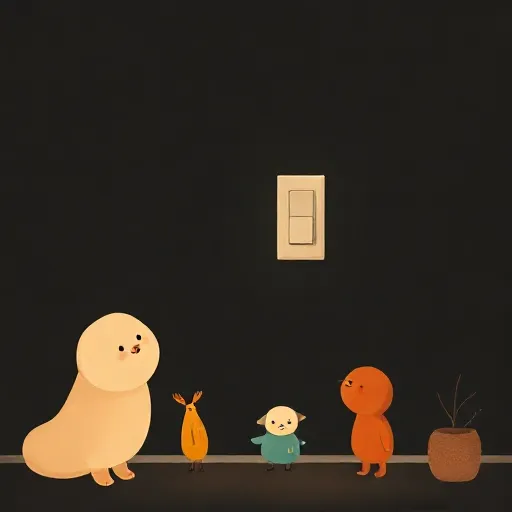
Can a Simple Switch Explain the Limits of Mathematics?
How does a light switch's on/off logic reveal that some math statements can never be proved? It shows how logic, sets, and math are connected.
-


Can a Single Tiny Difference Ever Prove a Cause?
Can one tiny difference prove a cause? Discover how scientists hunt for causes, and why even clever experiments can be tricked.
-
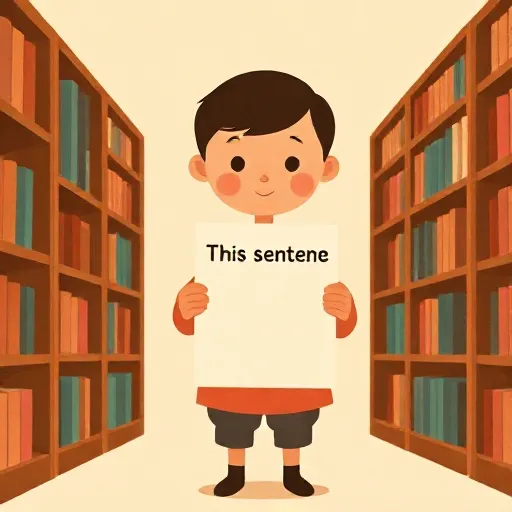
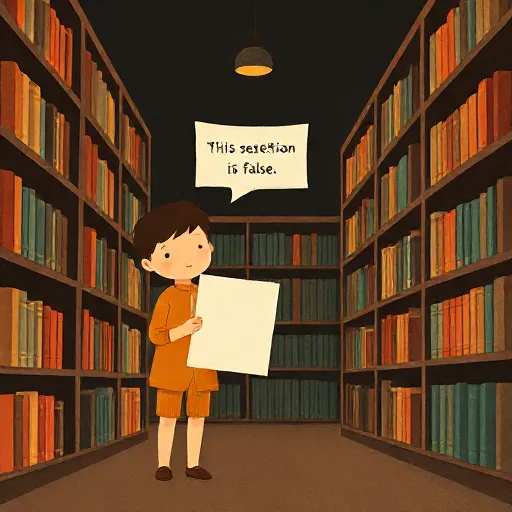
Can a Statement Be Both True and False?
Can a statement be true and false? Classical logic says no: a contradiction explodes reason. Paraconsistent logics tame contradictions for the real world.
-
Can a Statement Be Half-True?
Can a statement be half-true? Many-valued logic lets truth come in degrees, solving ancient puzzles and powering smart machines.
-
Can a Teacher Ever Give a Truly Surprise Test?
A student's logic seems to rule out surprise tests. Yet teachers give them. How can both be true? Dive into this tricky puzzle.
-
Can a Tiny Universe Contain an Infinity Too Big to Count?
Can a tiny, countable universe hold an uncountable set? This paradox makes us question if math reflects reality or is just a game with rules.
-
Can a Truth Exist Even If No One Knows It?
Bernard Bolzano argued that some truths are true forever, even if every mind in the universe forgets them. His proof sparked a revolution in logic.
-

Can a White Horse Not Be a Horse?
Can a white horse not be a horse? Ancient Chinese thinkers used this puzzle to question how words label things and whether our categories are truly fixed.
-


Can All of Math Be Built from Pure Logic?
Two men spent a decade trying to prove math is just logic. They almost succeeded — but a few stubborn problems got in the way.
-
Can an Endless Staircase of Numbers Prove Math Is Safe?
Can we prove basic math never contradicts itself? A young logician used an infinite ladder of numbers to show it's safe, reshaping our idea of proof.
-

Can an Idea Be True If You Never Finish Testing It?
Peirce said science is like an endless chess game where the rules keep changing. He thought all knowledge is a guess — and that’s a good thing.
-
Can Arguments Lead to Silence? The Madhyamaka Split
Why did Buddhist thinkers argue about the point of arguing? Their surprising debate can change how you hold your own beliefs.
-

Can Contradictions Make You Smarter?
Hegel believed that ideas fight with themselves and grow into bigger ones. A strange method that still makes philosophers argue.
-
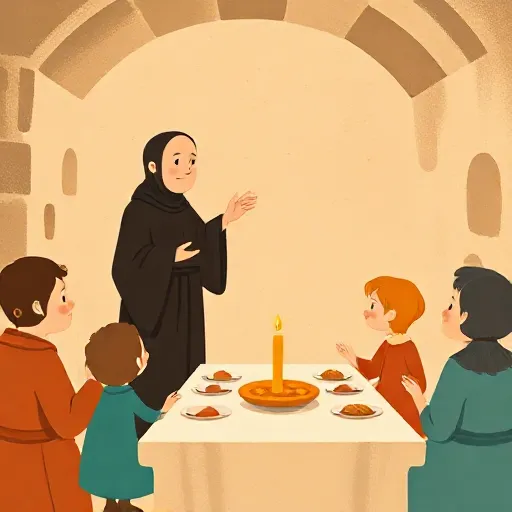
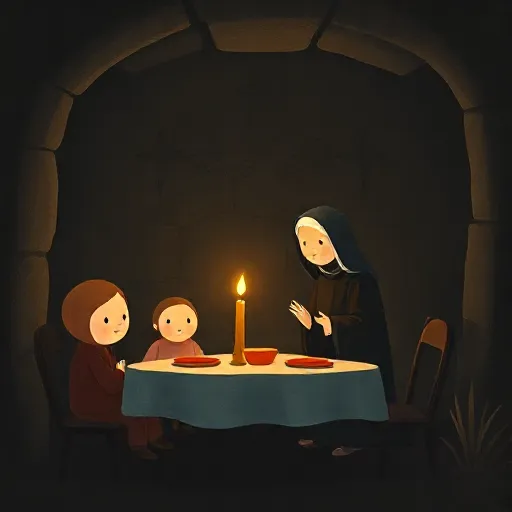
Can God Make It So Rome Was Never Founded? A Monk’s Dinner Debate
Can God make it so something that already happened never happened? A monk's dinner debate about God's power led to surprising ideas.
-
Can Logic Crack the Bible’s Code? Joseph ibn Kaspi Said Yes
Can logic uncover hidden meanings in the Bible? Joseph ibn Kaspi thought so, and his daring ideas about faith and reason still spark debate.
-
Can Logic Defeat Confusion? The Polish School That Believed So
In early 1900s Poland, a group of philosophers built a fortress of clear thinking. They invented new logics, redefined truth, and showed why words matter.
-

Can Making Up a Word Change What’s True?
Can making up a word change reality? Discover how definitions can unlock new truths or just be empty labels, depending on the rules you follow.
-
Can Math Alone Prove Guilt?
Can math prove someone broke the law? Numbers seem clear, but strange puzzles show that even a 99% chance might not be enough for a fair trial.
-
Can Math Prove All Truths? Kurt Gödel's Surprising Answer
Can math prove all truths? Gödel showed that even in arithmetic, some true statements can't be proved, which is a surprising limit.
-
Can Math Prove Itself Safe from Contradictions?
Can we prove that math will never give a wrong answer like 2+2=5? The surprising answer is no—and it reveals a deep limit to what we can know.
-
Can Math Prove That It Has No Contradictions?
Can math prove it has no hidden contradictions? Gödel showed it can't from within, but Gentzen found an infinite method—and today's apps rely on it.
-
Can Mathematics Prove Everything? Why Kurt Gödel Said No.
Can math prove everything? Kurt Gödel showed even simple arithmetic contains true facts that can't be proven — shattering the dream of perfect knowledge.
-

Can One Planet Be Two Stars? The Puzzle That Changed Philosophy
Frege wanted to prove that math is just logic. His efforts led to a devastating paradox, but also to a puzzle about why two names for Venus feel different.
-
Can Perfect Ideas Survive a Grilling by a Master Logician?
Plato’s young Socrates thought Forms explained everything. Then an elderly philosopher showed that perfect ideas can get tangled in impossible knots.
-
Can Smoke Mean Fire? Charles Peirce’s Wild Theory of Signs
How does a puff of smoke make you think of fire? Charles Peirce’s strange idea of signs shows why your brain treats one thing as standing for another.
-
Can Something Be Half‑True? The Logic of Fuzzy Truth
A heap loses grains one by one. When does it stop being a heap? Fuzzy logicians say truth comes in degrees — and they built a logic for “sort‑of.”
-
Can Something Be True and False at the Same Time?
Aristotle said no, and called it the Law of Non-Contradiction. But some thinkers say reality is stranger than logic.
-
Can Something Common Be White? The Medieval Puzzle of Universals
Can something like 'humanity' be white? Medieval thinkers asked odd questions to explore how words and reality connect, shaping logic for ages.
-
Can Something That Never Happens Still Be Real?
Is a dice roll that never lands on 11 still real? 'States of affairs' exist even if they never happen, shaping how we understand chance.
-
Can the Future Really Be Unwritten? The Logic of Time
Arthur Prior invented a logic where sentences can change from true to false. It challenged the idea of a fixed future and now runs inside your computer.
-
Can We Build a Better Language for Thinking?
Carnap said old words trick us. He designed new, precise language rules to clear up confusion — and said we could choose any rules as long as we're clear.
-
Can We Build All Math from Pure Thinking Alone?
Frege tried to prove that math is just logic, but a paradox cracked his plan. The clever fix he never fully used still shapes math today.
-
Can We Choose Our Own Mathematical Universe, or Is There a Right One?
Is there a true mathematical universe, or can we pick? This explores the battle between determinacy and choice, where infinite games have no clear winner.
-

Can We Ever Be Sure of Anything? Latin America’s Skeptical Heart
Ancient doubt revived in Latin America asks if we can be sure of anything. It connects to the math AI uses to learn.
-
Can Words Force You to Agree? The Invention of Logic
Can words force you to agree? The ancient Greeks discovered rules of logic that still shape how we argue today.
-
Can Words Guide Right and Wrong? Ancient China's Debate
Can words guide us to what's right and wrong? Over 2,000 years ago, Chinese thinkers debated this. Discover how their ideas still shape our fairness today.
-
Can You Always Find a Sure Win? The Logic Hidden Inside Every Game
Why do smart choices sometimes lead to bad outcomes? Explore the hidden logic in games, from sure-win strategies to traps where self-interest backfires.
-
Can You Be Tricked Into Thinking You’re a Donkey?
In 14th-century Oxford, thinkers invented logic games that could prove you were a donkey — and in the process, discovered the mathematics of acceleration.
-

Can You Bet on a Belief?
Can you measure what you believe by what you'd bet? Frank Ramsey thought so, and his idea changed how we predict weather and build computers.
-


Can You Build a Universe Inside Your Head?
Is math discovered or invented? Two brilliant mathematicians became bitter enemies over this question, and your own thoughts might hold the answer.
-
Can You Build All of Math with Parts, Not Sets?
Stanisław Leśniewski hated sets full of contradictions. So he invented a whole new logic built on the simple idea of parts and wholes.
-

Can You Build the Whole Universe Out of Simple Facts?
Can simple facts build the universe like Legos? Russell's logical atomism says yes. Analyzing language exposes hidden assumptions about reality.
-
Can You Change the Future Before It Happened?
Can your future be predicted? Philosopher Jan Łukasiewicz said no—the future isn’t fixed, so your choices are free. He created a new logic to prove it.
-
Can You Define Truth? These Philosophers Said Don’t Even Try.
Thinkers from ancient China to modern labs have tried to define truth. Some say it's impossible — and that may be the key to understanding our minds.
-
Can You Get an ‘Ought’ from an ‘Is’?
Hume said you can't jump from facts to values without a missing piece. For 300 years, philosophers have been searching for that hidden bridge.
-
Can You Go Back in Time and Change Anything?
If you visited your own past, could you stop yourself from being born? Philosophers and physicists argue about whether time travel makes any sense.
-
Can You Persuade Someone Without Cheating?
Is it possible to persuade someone fairly? Aristotle thought so, and he discovered three powerful tools for honest arguing that still work today.
-

Can You Pick Without a Rule? The Surprising Power of a Choice
Can you pick one thing from every set without a rule? That idea leads to mind-bending results like doubling a ball and challenges what we can prove true.
-


Can You Prove a Computer Program Will Never Crash?
Testing a program just tries a few inputs. But logicians found a way to prove that your code always works, using a tool called dynamic logic.
-
Can You Prove a Sentence Has No Meaning?
How can a sentence have no meaning? Some thinkers said if you can't test a claim, it's just noise. Their question still helps us see through empty talk.
-
Can You Prove It Exists Without Finding It?
Can you prove something exists without ever finding it? This debate splits math and shapes logic and computer science.
-
Can You Prove It? Aristotle’s Three-Line Logic Machine
Aristotle invented a system to test any argument like a puzzle. Two thousand years later, we still use his patterns every day.
-
Can You Prove That a Chair Is Real? This 9th‑Century Thinker Said No
Can you prove that what you see is real? An ancient Indian philosopher argued you can't—then said to just enjoy the world anyway.
-

Can You Prove That Ice Cream Is Better Than Broccoli?
Why do you prefer vanilla over chocolate? Can feelings be proven? Philosophy and computer science decode choices—and power your apps.
-
Can You Prove You Know? The Secret Logic of Reasons
When is a reason good enough to say 'I know'? Justification logic maps out the hidden structure of reasons and helps computers check proofs.
-
Can You Really Believe a Dog Is Not a Dog? Aristotle’s Weirdest Rule
Why can't a dog be both a dog and not a dog? Aristotle's rule against contradictions keeps our thinking from getting all mixed up.
-
Can You Say Something True About a Thing That Doesn’t Exist?
Can a sentence be true if what it's about isn't there? The ancient Square of Opposition reveals why what we assume exists matters.
-

Can You Search for Superman Without Searching for Clark?
If Lois looks for Superman, is she also looking for Clark Kent? Swapping names sometimes changes what's true, puzzling us about words and thoughts.
-
Can You Solve an Argument With Algebra?
A self‑taught English teacher turned logic into a kind of math. His strange rules – where “A and A” is just A – now live inside every computer.
-
Can You Solve an Argument with an Equation? The Algebra of Logic
Can an argument be solved like a math problem? George Boole's algebra of logic showed it could, and his ideas became the hidden language of computers.
-
Can You Think a Round Square? The Philosopher Who Said Yes
How can we think about impossible things without breaking logic? A philosopher's surprising answer helps us understand our imaginations.
-

Can You Think About a Unicorn? The Strange World of Nonexistent Things
Can you think about a unicorn if it doesn't exist? Philosophers say this puzzle changes how we understand truth and stories.
-
Can You Think About Something That Doesn’t Exist?
When you imagine a unicorn, what are you thinking about? Twardowski said thoughts point to objects, even if they don't exist. This idea changed philosophy.
-
Can You Think God Into Existence?
Can a perfect being exist just because you can think it? Anselm said yes, but critics say that's like imagining a perfect island that must pop up.
-


Can You Trust Your Senses? A Thinker's Answer
Gaṅgeśa said we have four ways of knowing—seeing, reasoning, comparing, and trusting experts—but they can still fool us. His system still matters.
-


Can You Use Logic When You’re Not Sure?
Normal logic demands 100% certainty. But life is full of “probably.” Probability logic mixes math and reasoning to handle the maybe.
-
Can Your Hands Show What Words Keep Hidden? The Logic of Sign Language
How does sign language use points in space to track who is who, like invisible name tags? It might show that language is partly built from pictures.
-

Could a Board of Sliding Pegs Reason Like a Human?
Could a board of sliding pegs reason? This story of a 19th-century inventor's dream of a thinking machine reveals surprising limits.
-

Could a Circle Prove Your Religion Right? Ramon Llull’s Wild Idea
Can reason alone prove a religion is true? Ramon Llull used logic hoping to end religious wars. We still ask if thinking can settle deep beliefs.
-

Could a Computer Ever Have a Mind of Its Own?
Could a computer ever have a mind of its own? The Turing Test checks if a machine can pass as human, raising questions about thinking.
-
Could Aristotle and Descartes Agree? Clauberg Said Yes.
Johannes Clauberg tried to unite Aristotle and Descartes, creating a new science of being. But his attempt left a puzzle: how do mind and body connect?
-
Could Geometry Suddenly Contradict Itself? Hilbert vs. Frege
In 1899, Hilbert found a clever trick to prove geometry would never break. Frege said it was nonsense. A battle that still shapes how we think about math.
-
Could Something That Never Happened Still Be Real?
Could something that never happened still be real? Discover how possible worlds make sense of imaginary objects and why it's a puzzle.
-

Could the Universe Have Turned Out Differently?
What does it mean for something to be necessary or possible? These ideas shape how we see freedom and choice. Simple symbols help us explore big questions.
-

Could There Be a Purple Elephant? Ruth Barcan Marcus Says No
When you imagine a purple elephant, does that elephant exist somewhere? Marcus said no—and rewrote the logic of possibility to prove it.
-
Could There Be Real Worlds Where Dogs Fly and You're a Rock Star?
Could there be a world where dogs fly and you're a rock star? Exploring possible worlds helps us understand why words like 'must' are so tricky.
-
Could You Have Picked the Other Ice Cream? A Medieval Puzzle
Is the future already set, or can we choose differently? A medieval monk's puzzle about choice still shapes how we see our freedom.
-
Did a Philosopher Named David Ever Really Exist?
A 6th-century teacher gave passionate lectures on philosophy. His name was David — or was it? We're still not sure who wrote them.
-
Did Frege Invent Modern Logic Twice?
Why did Frege invent modern logic twice? His two logics treated names and sentences differently, revealing puzzling questions about what logic is.
-
Did Leibniz Invent Modern Logic 200 Years Before It Was Born?
Did Gottfried Leibniz invent a way to calculate thoughts like math problems? His secret ideas vanished for 200 years and then amazed later thinkers.
-
Did We Invent Math, or Was It Always There?
You think 1+1=2 is a fact about the world. Wittgenstein said it's just a rule we follow, like a game. Why that changes everything.
-
Do Mountains on Earth Prove There Are Mountains on the Moon?
Can we guess hidden traits from similarities? Galileo guessed moon mountains this way. Such reasoning can discover truths but also lead to errors.
-
Do Truths Exist Before Anyone Discovers Them?
Do truths exist before anyone discovers them? Bernard Bolzano argued yes, and his ideas changed how we think about logic and facts.
-

Do Truths Need Something to Make Them True?
Why do truths need a real-world anchor? The puzzle of negative truths reveals deep problems about nothingness and what makes claims true.
-
Do Words Hide the Real Shape of Your Thoughts?
Do sentences disguise how your thoughts really work? Uncover the hidden logical shape behind everyday language that reveals if an argument is truly solid.
-
Do You Know the Cat, the Mat, or the Whole Situation?
When you know 'the cat is on the mat,' are you thinking of just the cat and mat, or the whole scene? It's a puzzle about how our minds understand truth.
-
Do You Know What You Believe? The Puzzle of How Our Thoughts Connect
How do thoughts like knowing, believing, and what must be true mix together? They can create strange paradoxes that make us rethink how our minds work.
-
Do You Need a Proof to Say It’s True?
Brouwer argued you can’t claim “either it is or it isn’t” without a mathematical construction. His logic rewired how we think about truth and proof.
-
Do You Need to See It to Know It? The A Priori Puzzle
Can we know things without using our senses? Explore how philosophers answer, and why it matters for math, logic, and right and wrong.
-

Do Your "What Ifs" Really Mean What You Think?
Can a 'what if' thought be true even if it never happened? Finding out is tricky and changes how we see causes and decisions.
-
Do Your Genes Carry a Secret Message?
Do genes and animal calls carry real information, like a message, or just cause and effect? This shapes what we can predict and what counts as talk.
-

Does 'Wisdom' Exist? The Radical Idea of Reism
Do things like wisdom and justice exist only as words? This question changes how we see the world and keeps us from being tricked.
-
Does Logic Force You to Believe in Numbers?
Do numbers really exist, or are they just ideas? See how logic and language tricks fuel a big philosophy fight that matters for what we think is real.
-
Does Saying "You Ought to Do It" Really Mean "Do It"?
Is saying 'you ought to' describing a fact or giving an order? R.M. Hare said it's a command, and that changes how we argue about right and wrong.
-

Does the Treatment Work? It Depends Who You Ask
A drug helps men, helps women, but seems useless overall. Simpson’s Paradox teaches us why numbers can flip and how to see the real story behind data.
-

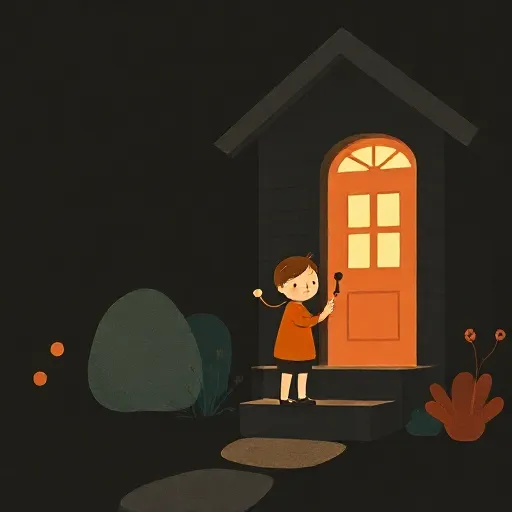
Does the Word 'If' Sometimes Flip Meanings?
Does 'if' always mean what logic says? Explore how a simple key-and-door puzzle shows that language can flip our ideas about what must be true.
-
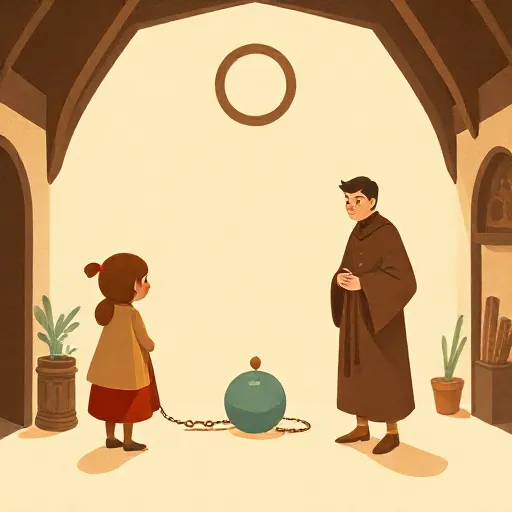
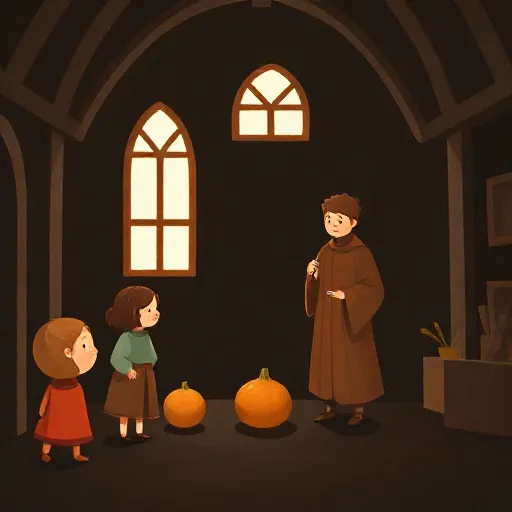
Every Time You Say "Man", Who Do You Mean?
How can the word "man" mean a knight, all of humanity, or the word itself? Medieval thinkers uncovered rules that stop language from turning into nonsense.
-


How a Penguin Made Logicians Rethink Everything
Why does new evidence change our minds, and how did a penguin make logicians rethink the rules of reasoning?
-
How a Simple Question Broke Logic—and Then Fixed It Forever
What happens when you ask if the set of all sets that don't contain themselves contains itself? A logic crash and the birth of type theory.
-
How Can You Know Something If You Can’t Tell What’s Real?
How can you know something if you can't tell what's real? Explore the logic of possible worlds and why group knowledge holds society together.
-
How Can You Search for a Unicorn That Doesn’t Exist?
Why can we say we're searching for a unicorn without proving it's real? A mathematician discovered the hidden rules of language that explain this puzzle.
-
How Charles Peirce Taught Logic to Handle Relationships
How did Charles Peirce fix logic's blind spot about relationships? His discovery still powers how computers think.
-
How Close Can a Wrong Answer Get to the Truth?
Some wrong answers are better than others, even if they aren't true. Philosophers call this truthlikeness — and it's harder to measure than you'd think.
-
How Did Indian Philosophers Invent the Perfect Argument?
Ancient Indian thinkers asked what makes a convincing argument. They created a five-step recipe — the Indian syllogism — that still shapes reasoning today.
-
How Do Words Make Truth? The Puzzle Inside Sentences
How do words make true statements? Simple sentences hide rules called functions. The puzzle: can a rule apply to itself? The answer reshaped logic.
-
How Do Words Mirror the World? A 10th-Century Genius Explains
Al-Fārābī asked how languages grow from pointing to poetry, and why logic helps us think together. His surprising answer still shapes debate today.
-

How Do You Know What 'It' Means? The Hidden Mental Maps of Language
How does your brain instantly know who 'he' and 'it' refer to in tricky sentences? The answer reveals that we build mental pictures of stories.
-
How Do You Know Who Ate the Cookies? The Detective Work of Your Mind
You figured out who left the crumbs without seeing them do it. That’s abduction — but can you trust it? Philosophers still argue.
-

How Do You Know Why Anything Happens?
How can we know why things happen? Aristotle said we need causes, not just facts. Medieval thinkers debated if we can truly prove causes.
-

How Do You Really Figure Things Out? A 100-Year-Old Guide to Thinking
How can you think better when you're puzzled? Critical thinking is a slow, careful method that helps you dig deeper instead of guessing.
-
How Does a Green Apple Confirm That All Ravens Are Black?
Does seeing a green apple really make 'all ravens are black' more likely? This strange idea from logic made scientists rethink what counts as evidence.
-

How Does a Sentence Change What You Know?
How do pronouns like 'he' work? Instead of just labeling, they rely on how each sentence quietly updates what you know.
-
How Does a Waiter Know Without Asking?
What is information? It may be ruling out possibilities, pointing to other things, or depending on storage. These ideas shape coding and everyday talk.
-
How Good Are Your Guesses? The Math That Judges Your Beliefs
How can we measure and improve our guesses? Math from philosophers shows rules for confidence and updating beliefs, helping us seek truth.
-
How Many Points Are on a Line? The Riddle of the Continuum Hypothesis
How many points are on a line? More than all counting numbers, but math can't say how many. Is there an answer? Some think no, others look deeper.
-
How Many Things Are on Your Desk?
Counting seems simple until you ask: is a deck of cards one thing or 52? The answer changes depending on what word you use to sort objects.
-
How Much Infinity Do You Really Need to Prove Something?
Mathematicians used to think some theorems were just true. Then they asked: what rules are actually necessary? The surprising ladder of logical strength.
-


How Sneaky Words Fool Your Brain — And How to Fight Back
Susan Stebbing showed how politicians and scientists trick you just by picking certain words. Her tools for spotting those tricks still work today.
-
How Sure Can You Be? The Hidden Math Behind 'Evidence'
How do you weigh evidence to decide what's true? This secret math helps detectives solve cases and lets scientists test huge ideas like black holes.
-
How to Banish Variables from Logic Forever
Schönfinkel found a way to rewrite logic using a single symbol and combinators, tiny functions that can even apply to themselves—making variables obsolete.
-
How to Talk About a King Who Isn’t There
Russell said a sentence like “The king of France is bald” hides three smaller claims. That idea launched a fight over language, reality, and unicorns.
-

If God Already Knows What You’ll Do, Are You Really Free?
You’re about to answer a ringing phone. God already knew it would ring, and whether you’d pick up. Does that mean you never had a choice?
-
If Numbers Aren’t Real, Why Do We Trust Math?
Are numbers found in the world, or just in our heads? This puzzle makes you wonder if math is discovered or made up—and why it works so well.
-
If You Had a Different Life, Would You Still Be You?
If you lived a completely different life, would you still be the same person? Philosophers use 'what-if' worlds to explore what makes you you.
-
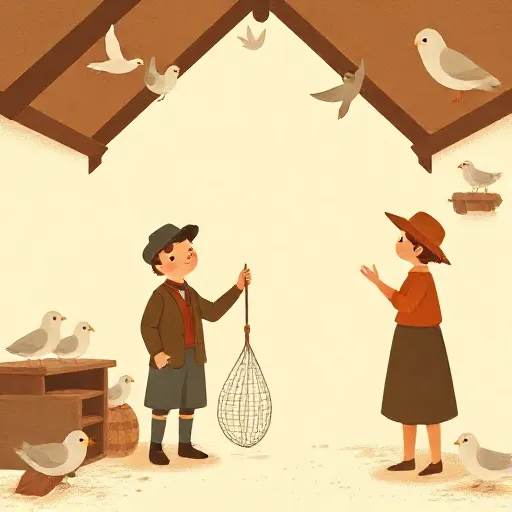
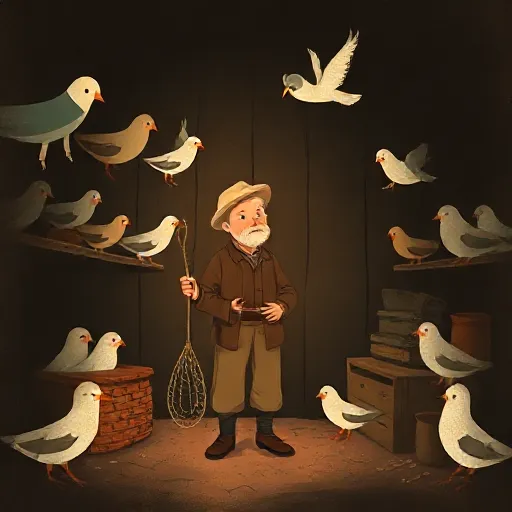
Is 'He Is Killing All of Them' True? The Game of Model Theory
A mysterious sentence about a pigeon-killer reveals a powerful idea: truth depends on interpretation. This is model theory, and it changed math and logic.
-


Is ‘Sherlock Holmes Is a Detective’ Actually True?
Can we say 'Sherlock Holmes is a detective' is true if he isn't real? Logic needs a special kind for empty names, which affects fiction and computers.
-
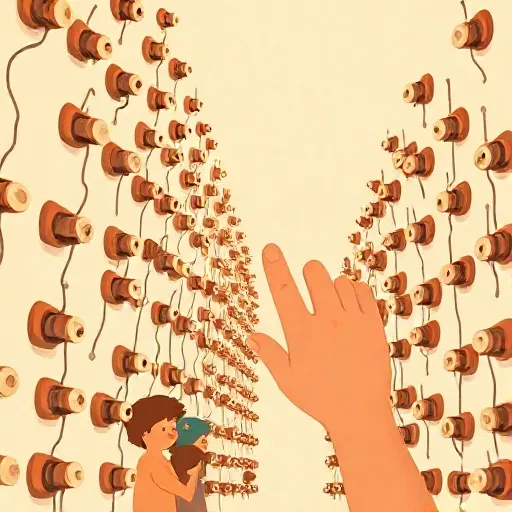
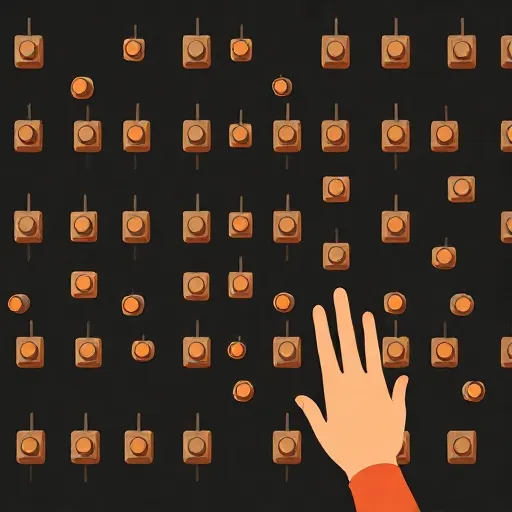
Is "Yes or No" the Only Way to Think?
Is yes-or-no thinking enough? Life is full of maybes. Discover how logic evolved from simple switches to tackling life's trickiest questions.
-


Is a Golden Mountain Really Golden? John Findlay’s Answer
John Findlay argued a golden mountain is golden even if it doesn’t exist. He also created a logic for time and imagined a perfect world beyond shadows.
-
Is a Rock Computing Right Now? The Puzzle of Concrete Computation
Could a rock be a computer? This question isn't just silly—it opens up a real puzzle about what computing truly is and what it tells us about minds.
-
Is Every Math Statement Either True or False?
Do infinite sets exist? Some mathematicians say you must build them, not just imagine them. This changes what counts as true.
-
Is It Dangerous to Think Too Hard? The Trial of John Italos
In 1082, a Byzantine philosopher was put on trial for his teachings. Was he a heretic, or just a curious mind pushing the limits of reason?
-

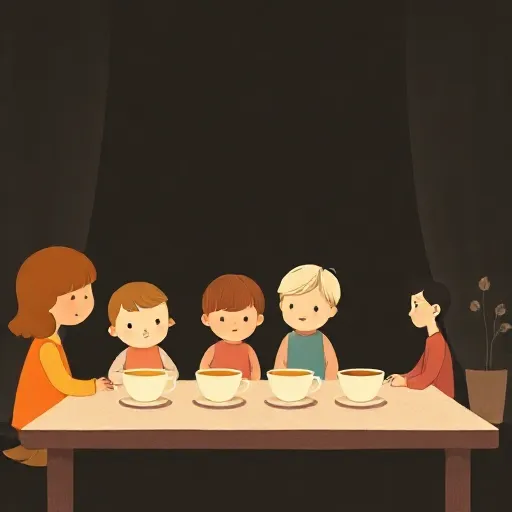
Is It Luck or Skill? The Fight Over How to Judge a Tea Taster
Does getting five tea cups right prove you can taste milk from tea first, or is it just luck? How statisticians and philosophers have argued for a century.
-
Is It Possible That More Than One Logic Is Correct?
Could two opposite rules of reasoning both be correct? That's the surprising claim of logical pluralism—and it's a real philosophical puzzle.
-

Is Logic a Game of Asking and Giving Reasons?
Is logic really a game of asking and giving reasons? Find out how arguing like playing a game can show if a claim is always true.
-
Is Math About Things or About How They Connect?
Is math about things or the connections between them? Category theory says connections matter most. It changed math and how we see identity.
-
Is Math Finished, or Are There Questions We’ll Never Answer?
Can every true math fact be proved from a set of rules? Kurt Gödel showed that some truths are forever out of reach, making math a never-ending puzzle.
-

Is Math Just a Giant Game with Rules?
Is math just a giant game with rules? Some say numbers aren't real like chairs, but then some truths can't be proved.
-
Is Math Just Logic in Disguise? The 200-Year Battle
Is math just logic? A 200-year debate over whether numbers are invented or discovered nearly ended when a hidden flaw was found. The argument still rages.
-
Is Math Really About Drawing Necessary Conclusions?
Benjamin Peirce said math is the art of drawing conclusions that must be true. Does that mean logic rules the world? It still shapes how we play and think.
-
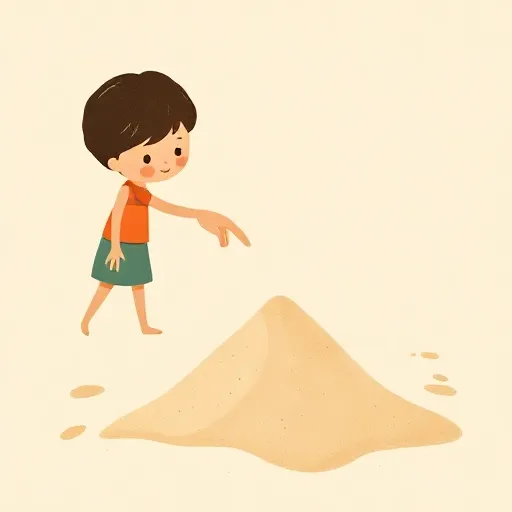
Is One Grain the Difference Between a Heap and Just a Pile?
When does a heap stop being a heap if you remove sand grain by grain? The sorites paradox shows how fuzzy words like heap or tall create tricky puzzles.
-
Is the Future Already Written, or Does It Branch Like a Tree?
Arthur Prior thought time itself branches, with many possible futures. A look at the wild idea that tomorrow’s sea battle isn’t true or false yet.
-
Is There a Problem No Computer Can Ever Solve?
Some math problems are so hard that no computer can ever solve them. Mathematicians like Turing and Gödel proved this, showing what computers cannot do.
-
Is There a Secret Language Hidden Inside Your Brain?
Do we think in a secret mental code, like words in our head? This debate shapes our understanding of minds, learning, and AI.
-

Is There a Set of Everything? The Rival Answers That Both Work
Is there a set of all sets? A simple question about sets that don't contain themselves broke logic, leading to two clever but different answers.
-
Is There One Right Way to Think? The Battle Over Logic
Is there just one correct way to reason? Discover why logicians built a perfect thinking language and why it sparked a debate that still matters today.
-
Is Tomorrow Already Written? A 2,000‑Year Argument Over True and False
Can what we say about the future be true before it happens? A 2,000-year-old puzzle about fate and free will.
-
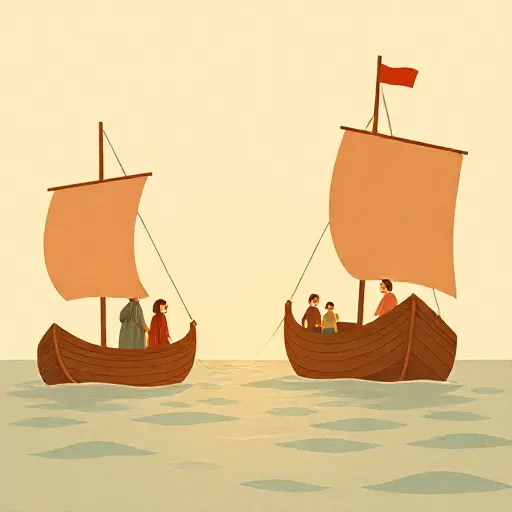
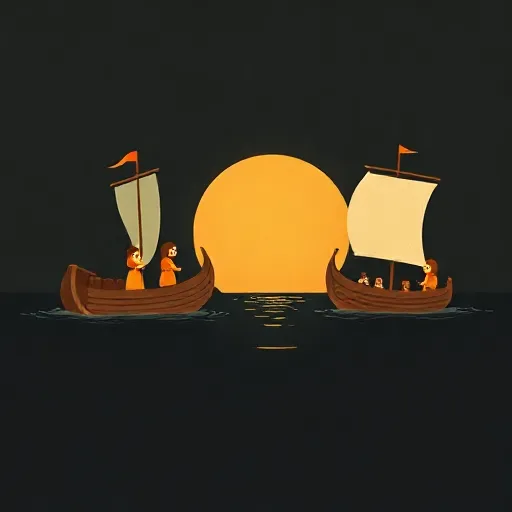
Is Tomorrow Already Written? The Sea-Battle and the Open Future
If someone says "There will be a sea-battle tomorrow," is that already true or false? A 2,000-year-old puzzle about time, fate, and freedom.
-
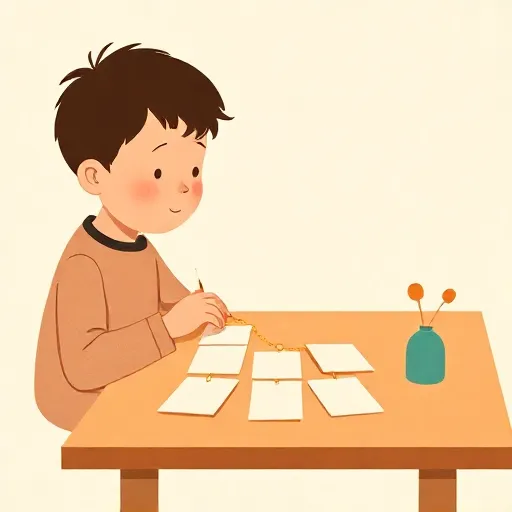
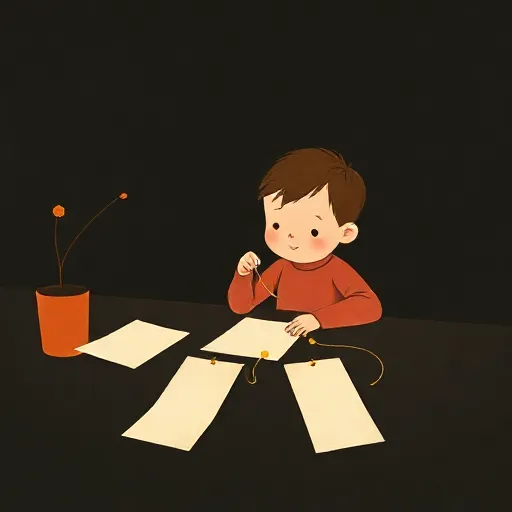
Is Truth a Thing? Frege's Strange Idea That Changed Logic
Is truth just a word we use, or a real thing? Frege said truth is an object, and that strange idea still makes us wonder what truth really is.
-
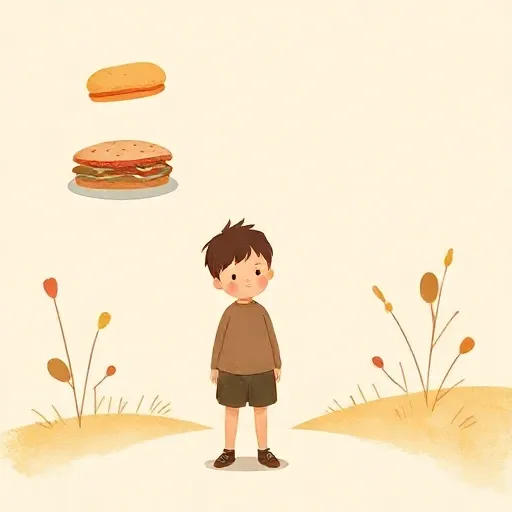
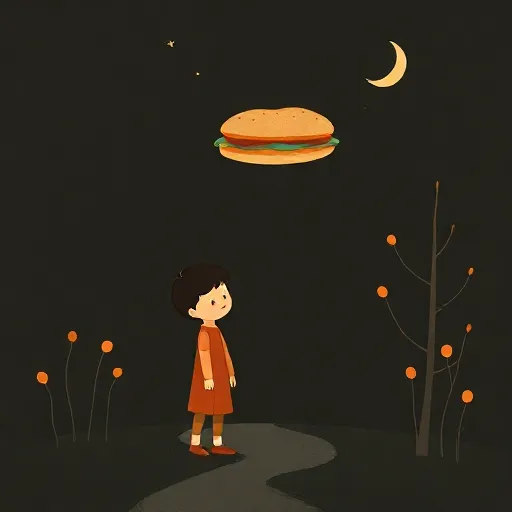
Is Your Lunch Choice Already a Done Deal?
If it’s true today that you’ll eat a sandwich tomorrow, was that always going to happen? A 2,000-year-old puzzle about time, truth, and freedom.
-


Is Your Mind Clear? The 350-Year-Old Logic Book That Asked First
Two French monks wrote a logic book in 1662 — not about symbols, but about how to think clearly, avoid confusion, and know what's real.
-
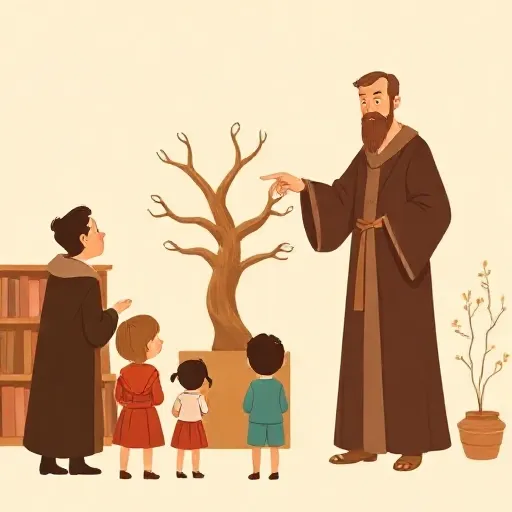
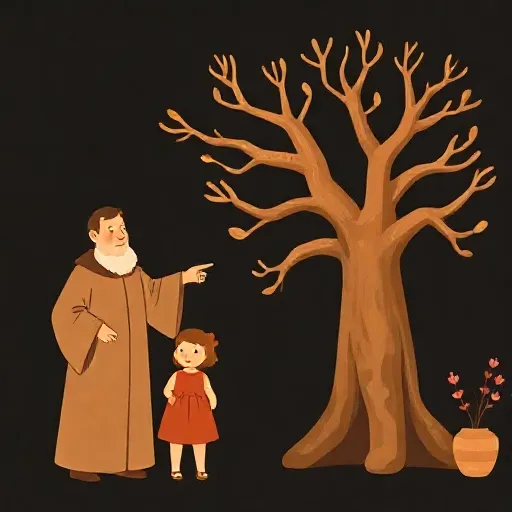
Just Read Aristotle, Not the Commentators
Why did a 1495 teacher tell students to read Aristotle, not heavy commentaries? He believed simple analogies could reveal hidden connections in knowledge.
-

One Cloud or a Million? The Puzzle That Messes with Your Head
You see one cloud. But where exactly does it begin and end? The “Problem of the Many” shows that counting things can get weird—really weird.
-
Science Doesn’t Have One Magic Method—and Here’s Why
For centuries, thinkers hunted for a single scientific method. They argued about observation, logic, and testing. But does science need one secret recipe?
-
Second-Order Logic: The Power to See All Properties, but at What Cost?
What makes a logic so powerful it perfectly describes numbers, yet leaves some truths forever unprovable?
-

Sherlock Holmes Isn’t Real… Or Is He?
Does Sherlock Holmes exist? Some say he's just a story, but others argue he's real in a strange way. This puzzle makes us question what 'real' even means.
-
The 13th-Century Teacher Who Solved the Mystery of "Every"
Sherwood said "every" demands three things and "is" has two meanings. His logic tricks still shape how we think about words.
-
The 2,300-Year-Old Puzzle About ‘If’ That Logic Still Fights Over
Aristotle and Boethius noticed that some 'if...then' patterns break normal logic. Connexive logic tries to fix that—and it’s still debated today.
-
The 2,500-Year Hunt for the Glue of Thought
What makes a word like 'and' logical? The 2,500-year hunt for the answer reveals how arguments work, and the puzzle isn't settled yet.
-
The Ancient List That Classifies Everything (Even Nothing)
Ancient Indian philosophers listed everything that exists—even absences, like nothing in a jar. Why did they think an empty jar holds something real?
-
The Computer That Cracked a 50-Year Math Puzzle
Can a computer program solve a math puzzle that stumped experts for 50 years? Yes, and it teaches us that computers can be thinking partners.
-
The Day Someone Invented a Word That Destroyed Logic
What if a new word could prove the moon is made of cheese? The story of 'Tonk' shows why logical words need special rules.
-
The Donkey, the Liar, and the Flying Arrow
Can a sentence be a lie if it says it's a lie? Why does a flying arrow move? John Buridan's puzzles show how logic untangles word tricks.
-

The Fill-in-the-Blank Trick That Changed Logic Forever
How a simple pattern with blanks can generate infinite true sentences. From ancient Aristotle to modern truth, schemas are the secret recipes behind logic.
-
The Forgotten Monk Who Solved the Mystery of What Words Point To
How do words like 'cat' hook onto the world? A 13th-century monk named Lambert found a clever answer that still shapes how we think about meaning.
-
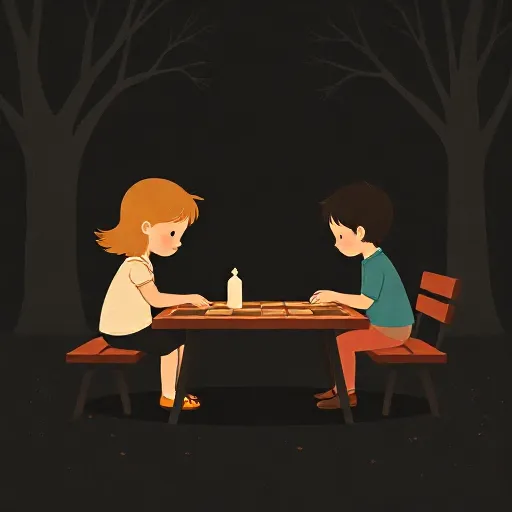
The Game Where You Guess What They're Guessing
Can flipping a coin help you win a game? Discover why being unpredictable is a superpower in the game of guessing minds.
-
The Grammar Rebel Who Tried to Plow Up All of Philosophy
Lorenzo Valla said most philosophy was just bad Latin and nonsense words. His fight over language, logic, and pleasure still matters.
-


The Infinite Hotel and the Race That Never Ends
Can you finish something with no end? A hotel that always has room shows the puzzle of infinite tasks, changing how we see time and the universe.
-
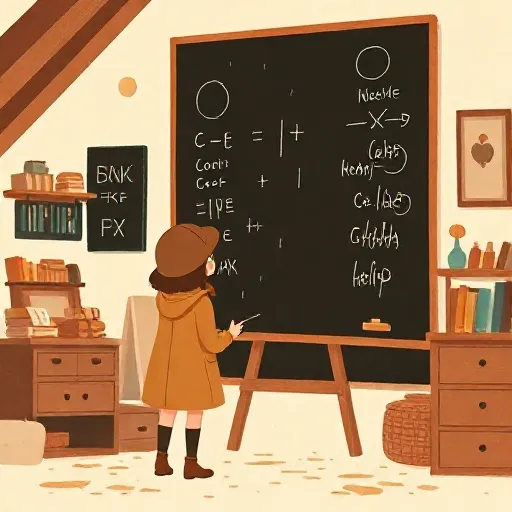

The Knowability Paradox: If You Can Know Everything, Do You Already?
Logic shows that if every truth can be known, then every truth is already known. But unknown truths exist. So what's wrong with the logic?
-
The Little Symbol That Almost Saved Mathematics
How did a tiny symbol try to make math safe from contradictions, and what surprising uses did it find?
-
The Logic Nobody Wanted — and Why It Rules Everything Now
A quiet fight over the “right” logic lasted a century. First-order logic seemed useless — until it quietly took over math, computers, and your phone.
-
The Logic Trap That Made a Famous Philosopher Admit Defeat
Can logic rely on words alone, or does it need real things? Discover the medieval argument that forced a great thinker to admit his system was flawed.
-
The Parisian Teacher Who Believed Grammar Holds the Key to Reality
How does the structure of language mirror reality? A 700-year-old teacher's surprising idea reveals why we can express thoughts and make choices.
-
The Philosopher Who Made a Deal with the Bishop to Keep Teaching
How did a pagan thinker survive when his city turned against his faith? His deal and his debates about fate still challenge our ideas of free will.
-
The Philosopher Who Stole All Your ‘Could-Haves’
Can you say 'I could have won' if you didn't? An ancient Greek thinker named Diodorus Cronus said no. His tricky logic might change how you see chances.
-
The Professor Who Used Logic to Save People from the Nazis
Can logic save lives? Heinrich Scholz proved it by using clear thinking to fight Nazi lies and rescue prisoners.
-

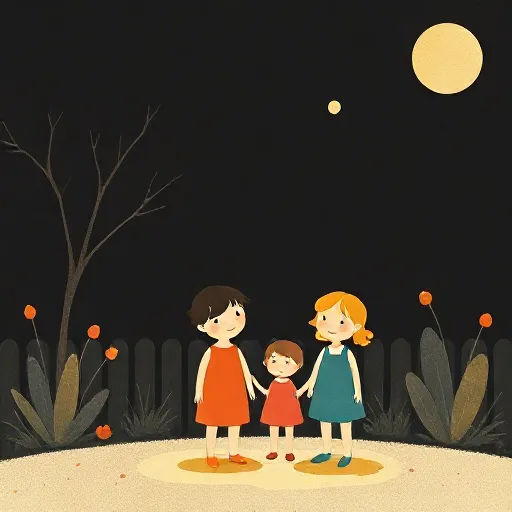
The Puzzle That Taught Philosophers How Knowledge Changes
Can you know you have mud on your face without a mirror? The muddy children puzzle shows how reasoning about what others know can reveal hidden facts.
-
The Rebel Professor Who Thought School Should Actually Be Useful
Why did a 16th‑century professor want to make school fast, cheap, and useful—and why did that make him both famous and hated?
-
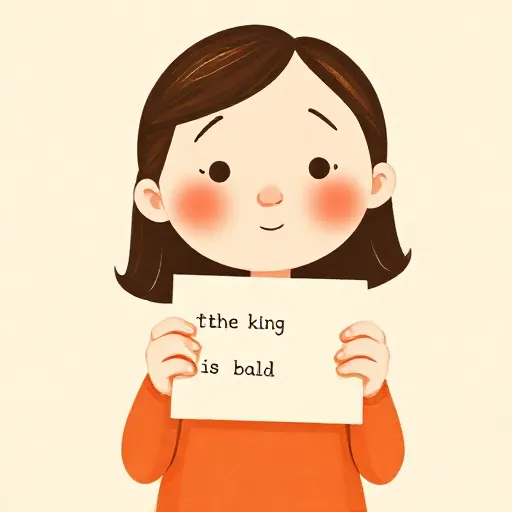
The Secret Assumptions Hiding in Every Sentence You Speak
Saying “the king is bald” quietly assumes a king exists. Philosophers call these hidden parts presuppositions, and they shape how we judge truth and lies.
-
The Secret Logic That Lives Inside Every Sentence
How is grammar like a math puzzle? Jim Lambek revealed that words combine with strict logic, which now helps computers understand language.
-
The Secret Rule That Tells You When to Change Your Mind
How should your degree of belief shift with new evidence? Bayesian rules promise tidy thinking, but where do your starting guesses come from?
-
The Set That Wasn’t: How a Logical Contradiction Remade Math
How can a rule about sets create a contradiction? Bertrand Russell found a paradox that broke mathematics, leading to new foundations we still use.
-
Was Everything Always Going to Happen? The Sea-Battle Puzzle
Is the future already set just because we can say what will happen? This ancient puzzle makes us wonder if we really have choices.
-
Was the Future Already Settled? The Strange Logic of Diodorus Cronus
Was the future already decided? Diodorus Cronus said yes: only actual events are possible. His puzzle still makes us question free choice.
-
Was Theophrastus Just Aristotle’s Shadow, or Something More?
Was Theophrastus just Aristotle's helper, or did he think for himself? His story shows why it's key to learn from others and still have your own ideas.
-
Was Tomorrow’s Sea-Battle Already Decided?
Philosophers have argued for thousands of years whether the future is already written. Dive into the puzzle of future truth that started with a sea-battle.
-
What Are Numbers, Really? The Quiet Revolutionary Who Changed Math
Dedekind showed that numbers aren't just for counting—they can be built from pure logic. His ideas still shape how math is taught.
-


What Are the Real Boxes the World Fits Into?
Aristotle said there are ten ultimate kinds of things. Kant said our minds make the boxes. Ryle said mixing them up causes hilarious confusion.
-
What Are the Tiniest Pieces of Language and Reality?
What are the smallest pieces of language and reality? Wittgenstein's search for simple names and objects led him to a surprising discovery.
-
What Can Computers Solve? The Question That Started It All
Alan Turing asked what happens when a person calculates. His answer led to digital computers and showed some problems can never be solved by machines.
-
What Can You Really Know? The Philosopher Who Split Experience in Two
How much can we really trust our senses? C.I. Lewis believed pure feelings are certain, but our invented concepts can fool us.
-
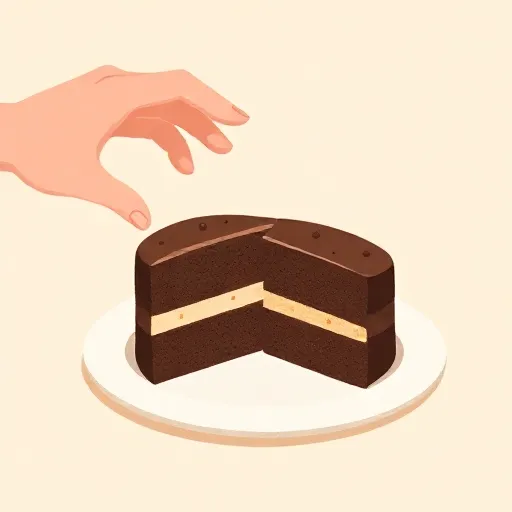
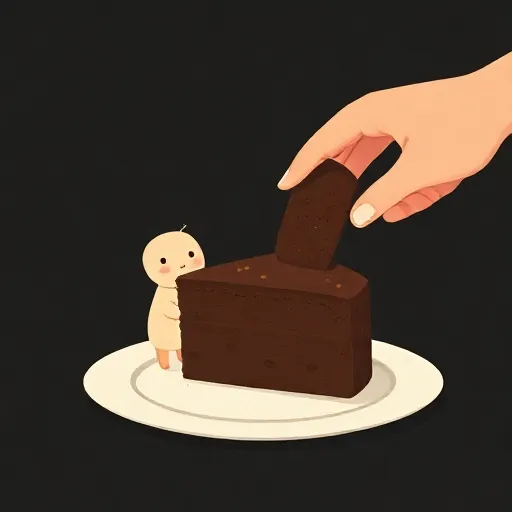
What Counts as a Real Piece of a Thing?
What makes something a real part of a whole? Philosophers argue about rules, and their answers change how you think about things like cake or your body.
-
What Did “Probable” Mean Before Numbers?
Before probability meant fractions and percentages, it was about expert opinion, common sense, and how often things happen. Why that still matters.
-
What Do You Really Mean? The Hidden Rules of Conversation
How do we understand what others really mean, even when they don't say it directly? The secret rules of conversation make it work.
-

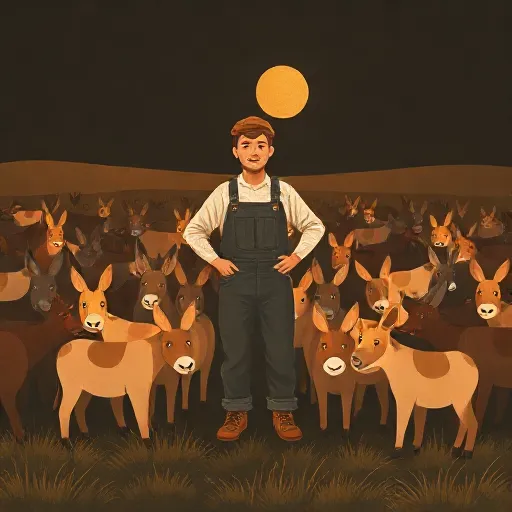
What Does 'It' Mean When There’s Nothing to Point At?
How can a word like 'it' make sense when there's nothing to point to? A sentence about farmers and donkeys hides a strange puzzle about meaning.
-


What Does 'Or' Really Mean? The Logic of Choices
Why does the little word 'or' cause big puzzles? See how logic and everyday use clash, raising questions about truth, choices, and how we think.
-
What Does “And” Mean? It’s All About the Rules
How do words like 'and' get meaning? One idea says from truth facts, another says from reasoning rules. This changes how we see logic and truth.
-
What Does Your Code Really Mean? The Hidden Puzzle of Programs
Two programs can act the same but have different inner meanings. Can math capture exactly what they do? A puzzle about code and conversation.
-
What Happens When a Math Sentence Says “I Am Provable”?
If a math sentence claims it's provable, does that make it true? Löb's surprising answer shows the limits of what math can know about itself.
-
What Happens When a Sentence Says, "I'm False"? Albert of Saxony Knew
Can a sentence that calls itself false make sense? Albert of Saxony used clever logic to untie this tricky puzzle, and his ideas still make us think.
-
What Happens When Your Wants Loop Back on Themselves?
Your wants can clash like a game of rock-paper-scissors. Could that trick you into bad decisions? And what are preferences anyway?
-
What If 2+2=5? The Wild Worlds Where Logic Takes a Break
Can contradictions like a round square or 2+2=5 help us think better? Explore impossible worlds where logic breaks and strange ideas make sense.
-
What If Every Fact You Used Disappeared After One Use?
What if every fact you used disappeared? Linear logic sees ideas as resources that run out, reshaping computers, arguments, and everyday life.
-
What If Logic Can't Say "It Depends"?
Ordinary logic can say "every boy loves some girl." But can it say the second boy doesn't depend on the first? A new logic had to be invented.
-
What If No Voting System Could Be Completely Fair?
Is perfect fairness possible in voting? Discover why every system has a hidden flaw that can lead to strange loops and no clear winner.
-

What If the Last Person on Earth Destroyed Everything?
Would it be wrong for the last person to destroy all life painlessly? This thought experiment challenges the idea that only harm to others matters.
-
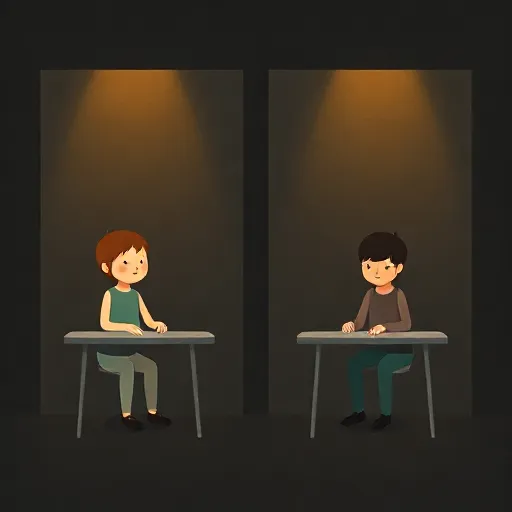
What If the Smartest Move Makes Everyone Lose?
Two prisoners face a choice. Logic pushes both toward the worst outcome. Game theory explains this trap—and shows how we escape it in real life.
-
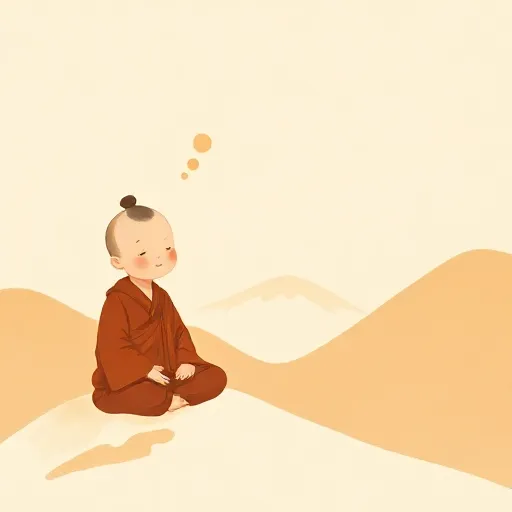

What If True Wisdom Means Having No Thoughts at All?
Is true wisdom having no thoughts? A Tibetan monk said yes, but critics say that's like being unconscious. Their debate is still alive.
-
What If Two Plus Two Equaled Five—and It Was Fine?
What if contradictions in math didn't cause chaos? By tweaking logic, mathematicians safely study impossible ideas like unbuildable pictures.
-

What If You Could Assume Anything? The Logic of “What‑If” Boxes
Natural deduction uses temporary “what‑if” boxes to test ideas in logic. It changed how we think about reasoning, truth, and the meaning of words.
-


What If You Could Take Apart a Thought?
Can you break a thought into pieces like untying a knot? Philosophers call this analysis, but it might change the idea you're studying.
-
What If You Had to Reason from a Lie? The Medieval Logic Game
Medieval logicians turned debating a false statement into a sharp game. The rules forced you to follow logic, not truth — and sparked centuries of puzzles.
-
What Makes ‘Socrates’ Point to One Man? A Medieval Name Puzzle
Why does the name 'Socrates' still work after he dies? A medieval puzzle about how names point to things reveals surprising ideas about language.
-
What Makes 'Therefore' Actually Work? Medieval Logicians’ Big Fight
Why does one sentence force another to be true? Medieval logicians had a big fight about this, and their ideas helped create modern logic.
-
What Makes a Machine a Computer? From Babbage’s Cogs to Turing’s Brain
What makes a machine a computer? See how Babbage's dream and Turing's universal machine created the computers in our pockets.
-
What Makes a Sentence True? Tarski’s Puzzle
How can we decide if a sentence is true? Alfred Tarski found a step-by-step method. It shapes logic, language, and computers.
-
What Makes an “If” True? A 2,000‑Year‑Old Puzzle
We use “if” all the time, but philosophers can’t agree on what makes it true. A journey through possible worlds, probabilities, and relevance.
-
What Makes Something Logically Follow? Tarski's Algebra of Arguments
If you know a few facts, what else must be true? Tarski turned this into a math of consequences — and later mapped all logics like a family tree.
-
What Should You Do When a New Fact Smashes Your Belief?
How do you change your mind when a new fact contradicts your beliefs? It's trickier than you think, and even experts don't fully agree on the best method.
-
When 'And' and 'Or' Stop Making Sense: The Puzzle of Quantum Logic
Why don't 'and' and 'or' work normally with quantum particles? This puzzle shakes up everyday logic and hints reality might be stranger than we thought.
-
When "If... Then..." Goes Crazy
Why can 'if...then' sometimes prove nonsense, and how do relevance logicians fix it by demanding a real connection between ideas?
-

When a Test Says You're Sick, How Worried Should You Be?
If a test says you're sick, how worried should you be? A surprising math rule called Bayes' Theorem shows why the answer might not be what you think.
-
When Did You Stop Being a Child? The Puzzle of Vague Words
When did you stop being a child? The answer seems simple until you look closely. This puzzle about vague words reveals surprising ideas about truth.
-
When Good Reasons Aren’t Good Enough: Defeasible Thinking
How do we know when a reason is good enough, and when should new information change our minds? This everyday thinking helps us navigate an uncertain world.
-

When Is Something Truly Necessary? Avicenna’s Answer
What does it mean when we say something must be true? Avicenna's surprising answer still helps us work out what's necessary, possible, or impossible.
-
When Math Tried to Prove Everything Is Right
Can right and wrong be math? A philosopher's attempt accidentally proved that whatever happens is right—showing why facts can't tell us what should be.
-


When Should You Change Your Mind? The Math of Belief
When new facts clash with what you believed, how do you decide what to keep? The logic of changing your mind has puzzles that challenge even clever rules.
-
When You Say “Some Things,” Are You Making a New Thing?
You talk about “some apples” all the time. But does that commit you to a weird invisible collection beyond the apples? A lively philosophical fight.
-
Where Is the "West of" When Glasgow Is West of Edinburgh?
Is 'west of' a real thing, or just a way of thinking? The Glasgow-Edinburgh puzzle shapes our ideas of space, time, and physics.
-


Who Decides What's True in Math? The Rebel Who Said: You Do
In the 1920s, L.E.J. Brouwer said math is something your mind creates—not a hidden world to discover. The fight he started isn't over.
-
Who Really Decides? The Surprising Logic of Power
You and your friends vote on a pizza. Some groups can force their choice. Logic reveals why some decisions stick and others fall apart.
-

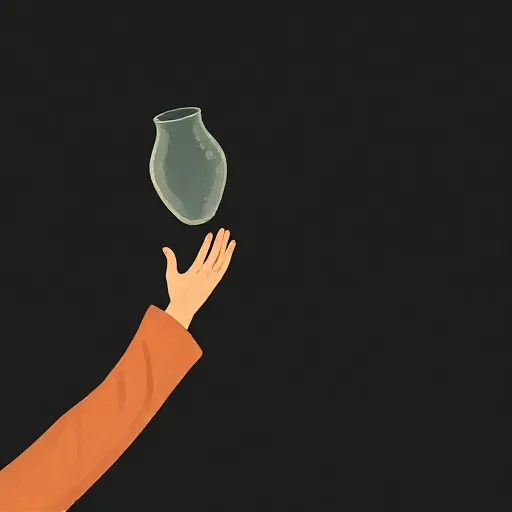
Who Sees to It That the Vase Breaks?
When you drop a vase, did you cause it to break? Philosophers and computers use a special logic to trace actions and their effects.
-


Who Should Get the Biggest Slice? The Algorithm for Fairness
What is the fairest way to share? Two farmers and a wise elder show that fairness depends on which rule you follow. It’s not always simple.
-
Why 'All Pediatricians Are Doctors' Is Weirdly Certain
Some sentences seem true just because of what the words mean. But can you really know something without checking the world? A 250-year-old puzzle.
-
Why ‘I Saw Her Duck’ Can Mean Two Totally Different Things
A sentence like ‘I saw her duck’ can be about a bird or a quick move. So what makes a word ambiguous, and why does it matter for arguments and laws?
-
Why 'If' Drives Logicians Crazy: A Mind‑Bending Puzzle
When you say “if you touch that wire, you’ll get a shock,” what makes it true or false? A logic puzzle that’s still unsolved.
-
Why 'Not' Is the Trickiest Little Word in the World
Why does the word 'not' feel different from a simple statement? It turns out negation isn't just logic—it’s a social tool that works in surprising ways.
-

Why ‘Scott is the Author of Waverley’ Isn’t Just ‘Scott is Scott’
Why does 'Scott is the author of Waverley' teach us something, but 'Scott is Scott' doesn't? This riddle about identity shows how words can surprise.
-
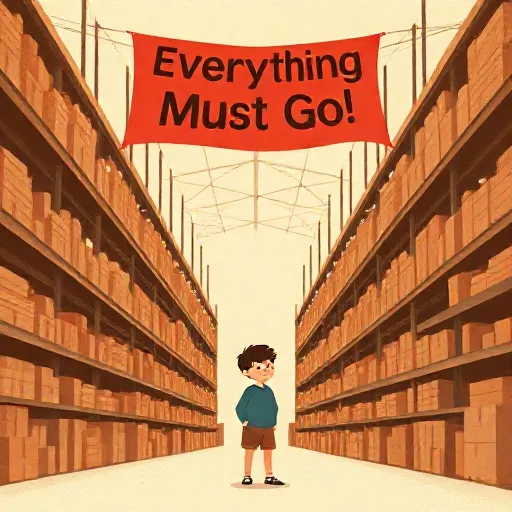
Why "Everything" Is More Complicated Than You Think
You say "everything is on sale" but do you mean the moon too? How logicians discovered that talking about all things at once might be impossible.
-
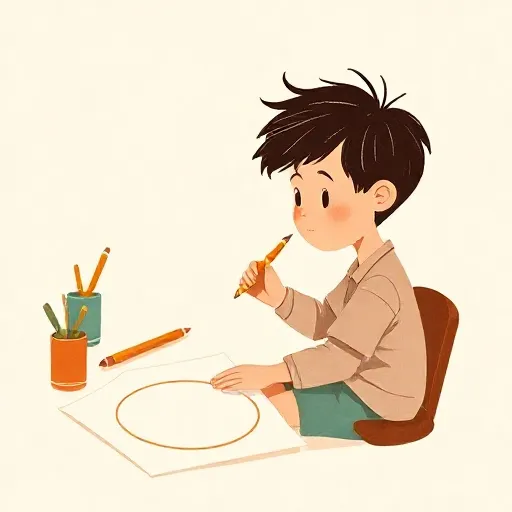
Why "I Was Drawing a Circle" Doesn't Mean I Drew One
Why doesn't 'I was drawing a circle' mean I finished? Words can hide if an action is complete. This puzzle shows how language shapes our sense of time.
-
Why “Most” Isn’t Just a Word—It’s a Mathematical Idea
What does 'most' really mean when we say it? It's a logical shortcut that compares sets, and studying it reveals how language and reasoning work.
-
Why a 14th-Century Teacher Said You Can't Think Your Way to God
Marsilius of Inghen founded a university and taught that your mind can prove some things, but not everything. The rest, he said, you have to believe.
-

Why a Book About Words Became the Most-Read Philosophy Text Ever
Porphyry asked if groups like 'cat' are real or just in our minds. His book became the first philosophy lesson for millions, sparking a 1,700-year debate.
-
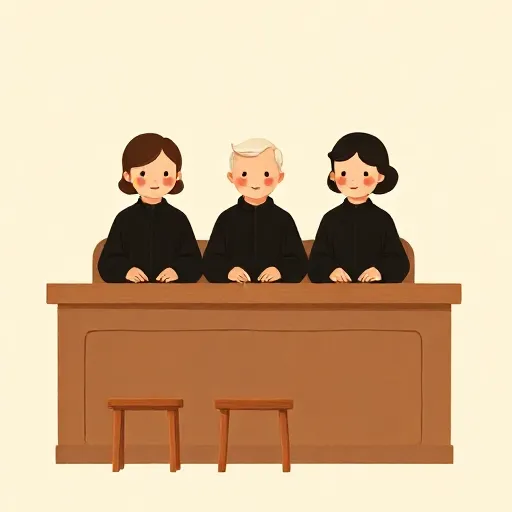
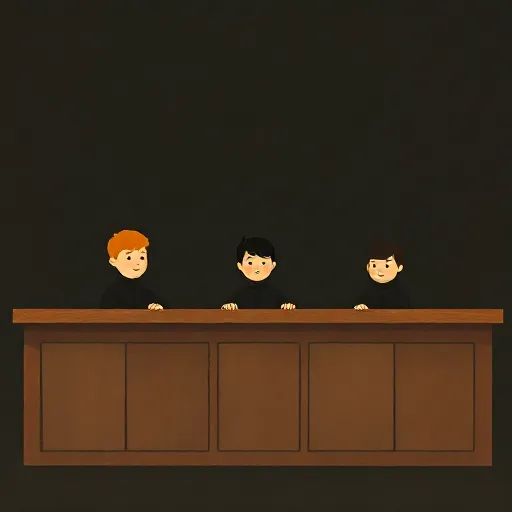
Why a Court Can Agree on Every Fact and Still Be Wrong
Three judges all vote logically. Yet their group verdict breaks the law. This puzzle shows a deep flaw in group decisions—and how we might try to fix it.
-
Why a Renaissance Philosopher Said Medicine Isn't Science
Why did a Renaissance professor say medicine isn't real science? His ideas about knowing versus doing still fuel debates on what counts as science.
-
Why a Simple Question About Sets Nearly Broke Mathematics
How did a barber's puzzle reveal a deep crack in mathematics? The search for an answer changed how we think about infinity.
-
Why an Oxford Hermit Thought Your World Is an Illusion
Bradley argued ordinary things are not fully real, just appearances of a unified cosmic whole. His puzzles about relations still trouble philosophers.
-
Why Aristotle’s Perfect Logic Broke Down When You Added “Necessarily”
Why did the word 'necessarily' break Aristotle's perfect logic machine, and how did fixing it give us modern computers?
-
Why Bananas Don't Cause Migraines: The Hidden Math of Cause and Effect
How can we tell if one thing really causes another? See how math and diagrams reveal true causes, helping you make better decisions.
-
Why Build It Yourself? Bertrand Russell's Honest Toil
Why is it better to build ideas from simple parts instead of assuming they're true? Russell's 'honest toil' changed math and logic.
-
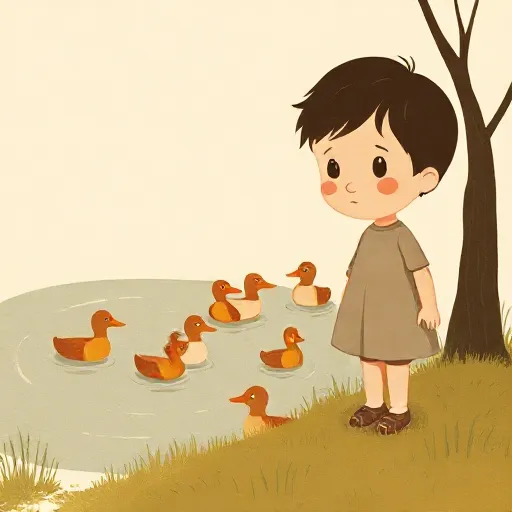
Why Can You Say “Ducks Lay Eggs” When Only Female Ducks Do?
Why is 'Ducks lay eggs' true when only girl ducks do? This puzzle shows how words can be partly true yet still feel correct.
-
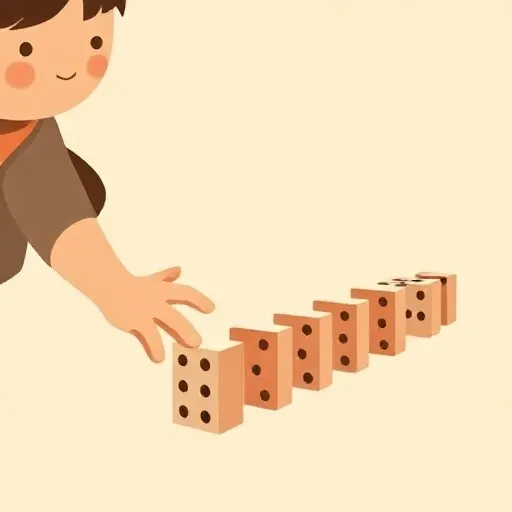
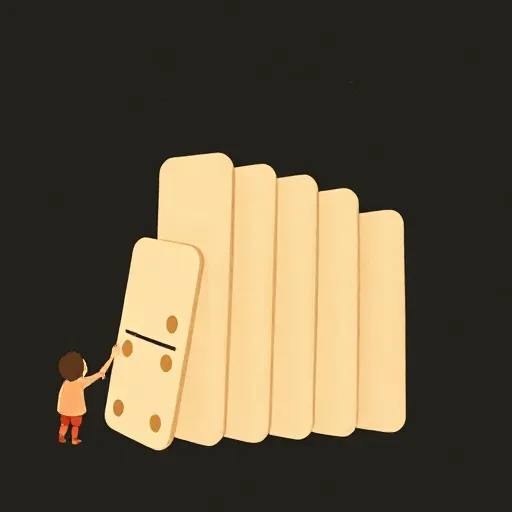
Why Can't a Swan Be Black? The Secret of Truly Foolproof Arguments
If all you've seen are white swans, can you be sure the next one is white? Logic says no. The real puzzle: what makes an argument completely airtight?
-
Why Can't Computers Solve Every Problem?
Why can't computers solve everything? Alan Turing proved some problems are impossible for any machine. That discovery still shapes what your phone can do.
-
Why Can't Computers Think Like You? The Logic That Breaks the Rules
Why can't computers think like you? They need rigid logic, but you skip unlikely stuff and adapt. So scientists invented flexible logic for machines.
-
Why Can’t Ordinary Logic Say “It’s Five O’Clock”?
Why can't ordinary logic say 'It's five o'clock'? Because some truths are true only once. Hybrid logic invents names for moments to point to a single time.
-
Why Can’t We Just Vote? The Paradoxes That Haunt Democracy
Condorcet and Arrow showed that even fair voting rules can lead to impossible results. A journey through the math of collective choice.
-
Why Can't You Say "Three Waters"? The Riddle of Mass and Count
Why do we say 'much milk' but 'many eggs'? The answer reveals puzzling questions about counting, measuring, and what makes things the same or different.
-
Why Did a 2,000‑Page Math Book Use Dots Instead of Parentheses?
Why did a giant math book use dots instead of parentheses? Those strange symbols weren't just weird—they tried to prove math from scratch using only logic.
-

Why Did Algebra Stop Being All About Numbers?
How a tool for finding unknowns grew into a language of hidden rules, reshaping geometry, physics, and the digital world.
-
Why Do "Clark Kent" and "Superman" Feel Different?
Both sentences are true in every possible situation, yet Lois Lane knows only one. How can our thoughts be different when the facts are exactly the same?
-
Why Do Bad Arguments Feel So Convincing?
Why do bad arguments feel so convincing? Fallacies are hidden mistakes in reasoning that trick us. Spotting them helps you think clearly and argue fairly.
-
Why Do Logicians Sort the World into Kinds?
Why do logicians sort the world into kinds? It stops nonsense mix-ups and helps us reason about time travel and computers.
-
Why Do Mathematicians Believe Things They Can’t Prove?
Mathematicians think proof is everything. But they trust the Goldbach Conjecture without one. A look at induction, experiments, and probability in math.
-

Why Do We Treat Arguments Like Battles?
Why do we often treat arguing like a battle? That combative style can push people away and block learning. How new ways of arguing together might help.
-
Why Do Your Beliefs Sometimes Clash? The Hidden Rules of Thinking
Why do some beliefs clash even if each seems true? Discover the hidden rules of thinking that keep your mind from turning into a mess.
-
Why Does ‘Ought’ Play by Different Rules? A Journey into Deontic Logic
When promises clash, can both be obligatory? Discover why 'ought' doesn't always behave and why we need a special logic for rules.
-
Why Does the Morning Star Feel Different from the Evening Star?
Why is 'the morning star is the evening star' surprising but 'the morning star is the morning star' is not? The answer shows how words connect to thought.
-

Why is “one God in three persons” so hard to believe?
If the Father is God, and the Son is God, why aren’t they the same? A 1,700-year-old puzzle that still makes philosophers scratch their heads.
-
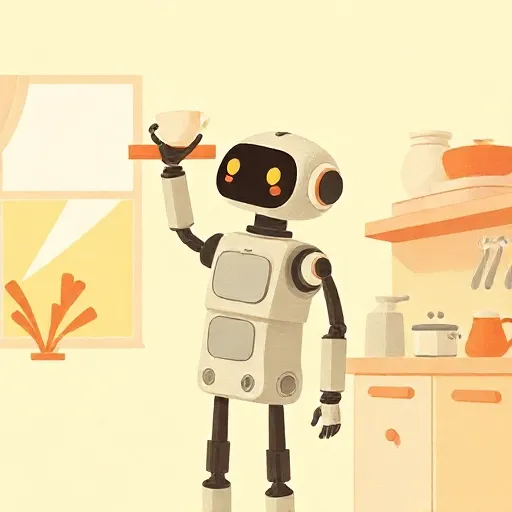
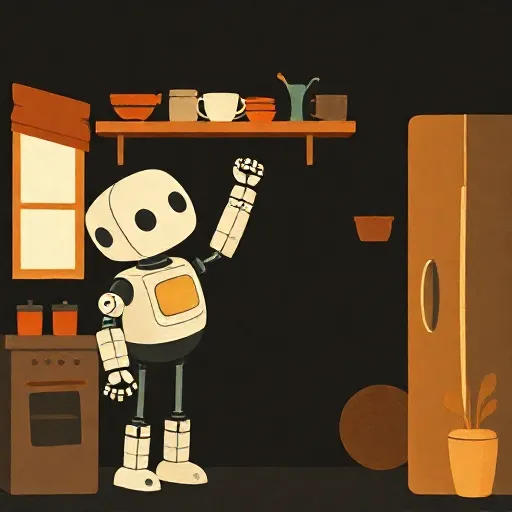
Why Is It So Hard for a Robot to Make a Cup of Tea?
Picking up a teacup changes some facts but not others. How can a mind—human or robot—figure out which is which without checking everything it knows?
-
Why Ludwig Wittgenstein Threw Away His Own Book
He built a perfect picture of language, then decided it was nonsense. A story of two philosophies that still shapes how we think about meaning.
-
Why Medieval Students Loved Arguing About Impossible Sentences
A sentence like “Every animal but man is irrational” could spark hours of debate. For medieval thinkers, these puzzles were serious philosophy training.
-
Why Some Logics Won’t Let You Add an Extra Fact
Can you always add extra facts to a logical argument? Some logics say no—when resources run out or order matters, adding facts can change everything.
-

Why Some Questions Have No Answer, Even for the Smartest Machine
Turing invented a paper-and-pencil machine that could compute anything—until he found a problem it could never solve, changing math and computers forever.
-
Why Some Truths Are So Certain They Can't Be False
If it's raining, then it's raining. That seems impossible to doubt. But what makes such truths so solid? A fight about necessity, form, and the mind.
-

Why Some Truths Just Seem Right (and Should You Trust That?)
Ever had a flash where an idea just felt true, like 'a square can't be round'? Discover what intuitions are and if you should trust them.
-
Why There's No Such Thing as a Golden Mountain
Russell used cold, clear logic to unmask the hidden tricks in language—and showed that wanting certainty could mean questioning everything, even God.
-
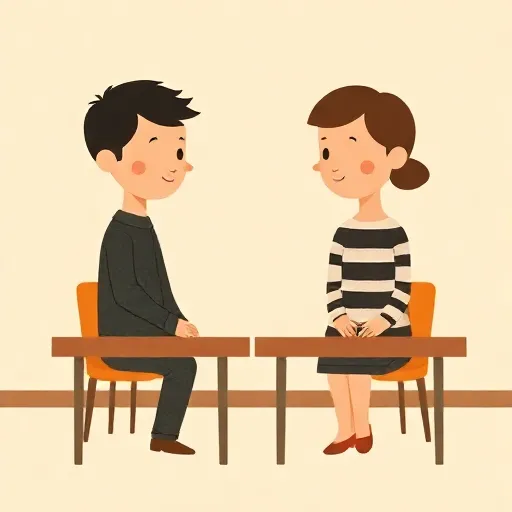
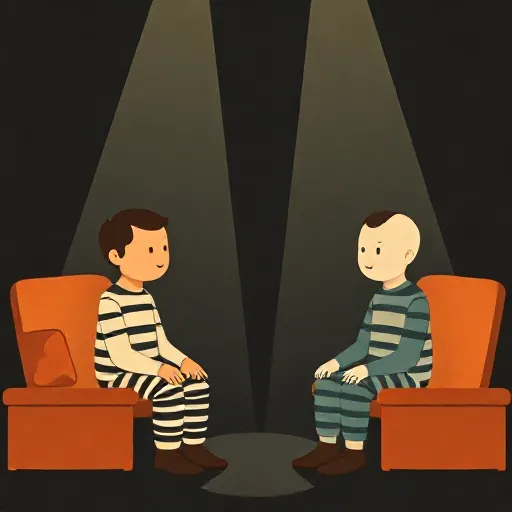
Why Would Two Prisoners Both Confess When Silence Is a Better Deal?
Why would two prisoners both confess when staying silent is better? This puzzle reveals how selfish choices can create bad outcomes for everyone.
-

Why Your Rules Can’t Pin Down an Infinite Number Line
Why can't rules describe only one number system? The same rules can fit many number worlds—some tiny, some huge. That sparked a hunt to sort them.
-

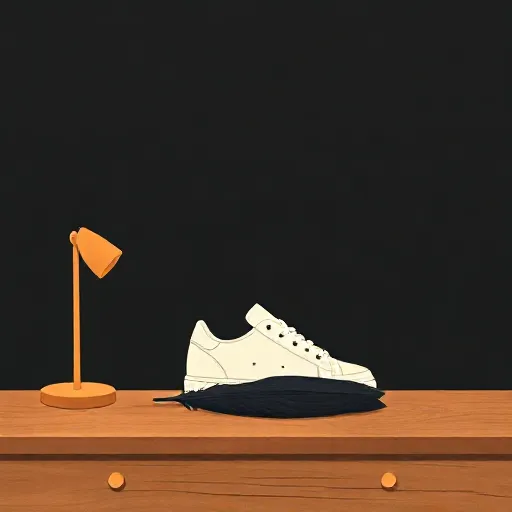
Why Your White Sneakers Prove That All Ravens Are Black
Why can a white shoe confirm that all ravens are black? Hempel's puzzle about evidence still baffles scientists and philosophers.
-


Would You Pay a Million Dollars to Flip a Coin?
A coin-flip game with infinite prize money: math says pay any price, but it feels absurd. Why does this puzzle stump philosophers?
-

You Don't Need a Predicate to Make a Judgment: Brentano's Big Idea
Can you judge something is real without using words? Franz Brentano said yes, and his idea changed how we think about thinking, truth, and what exists.
-
You Just Said 'Some Numbers Are Even.' Does That Mean Numbers Exist?
Does saying 'some numbers are even' force you to believe numbers exist? Discover the surprising debate over what words secretly commit us to.
-
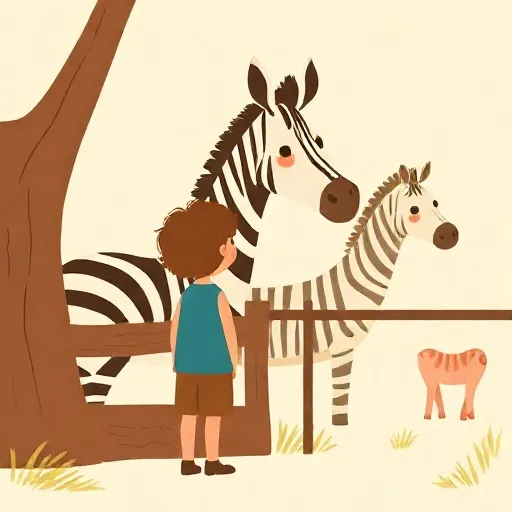
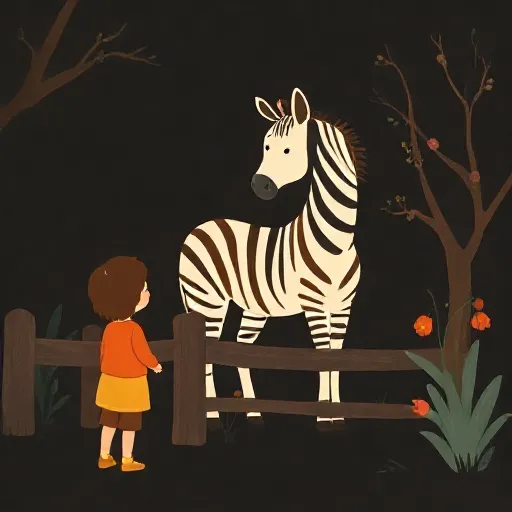
You See a Zebra. Do You Know It’s Not a Mule?
If you see a zebra and figure out it's not a disguised mule, do you really know that? Some say no—real knowledge means you'd notice if you were wrong.
-
You Think You're Right — But Can You Prove It?
When you argue with a friend, how do you know who's right? Find out how to spot strong reasons and weak ones in everyday talk and news.
-
Zeno Said Motion Is Impossible. Here’s Why You Still Can’t Ignore Him.
He argued that an arrow in flight never moves and a runner can't finish a race. Modern math has answers, but the puzzles still bug philosophers.