Chinese Philosophy
40 articles
-
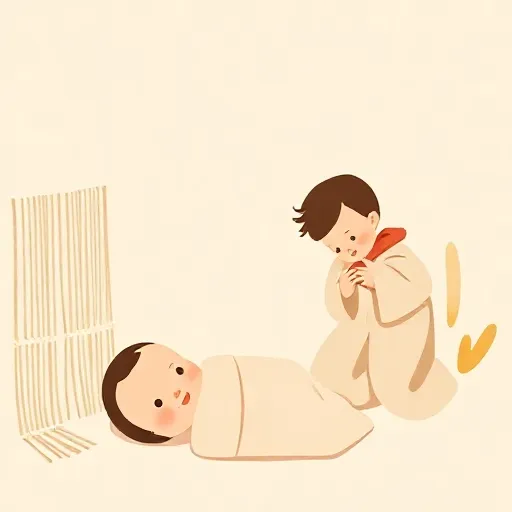
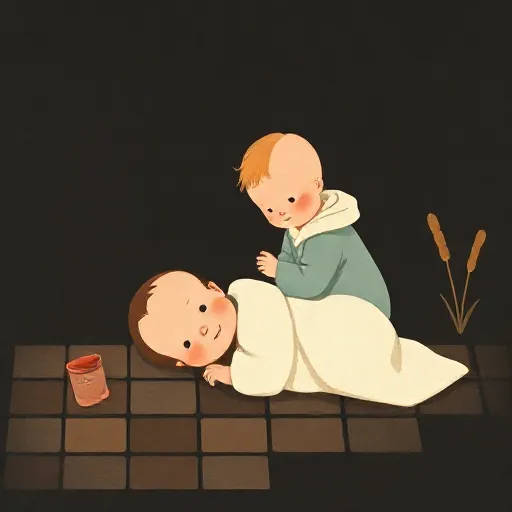
A Life Inside: How Confucian Ritual Shrank a Woman’s World
Why were girls in ancient China trained from birth to live inside the home? And could Confucian care ideas help build a fairer world?
-
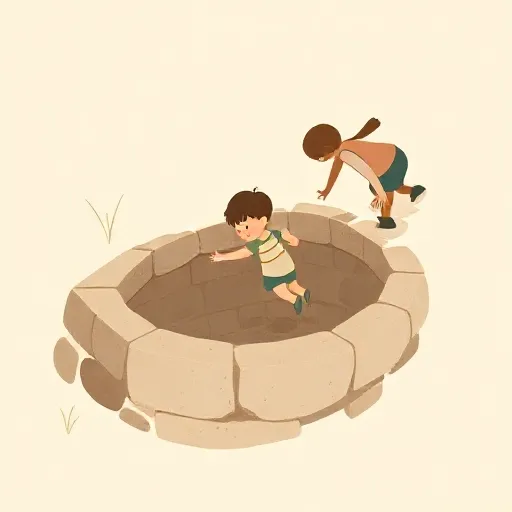
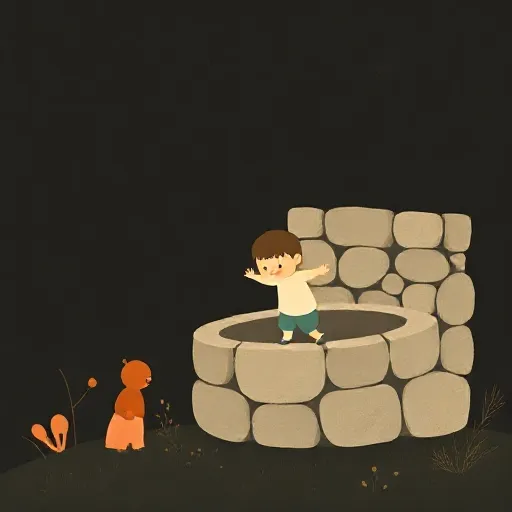
Are You Born Good? Mencius and the Seeds Inside You
Are we born good? Mencius thought we all have tiny seeds of kindness, but is he right? A 2,000-year-old debate that still shapes how we see ourselves.
-
Can a Bad King Lose the Right to Rule? Ancient China’s Big Argument
Does a king need to be good to rule, or do strict rules work better? Ancient Chinese thinkers debated this 2,000 years ago, and we still ask it today.
-
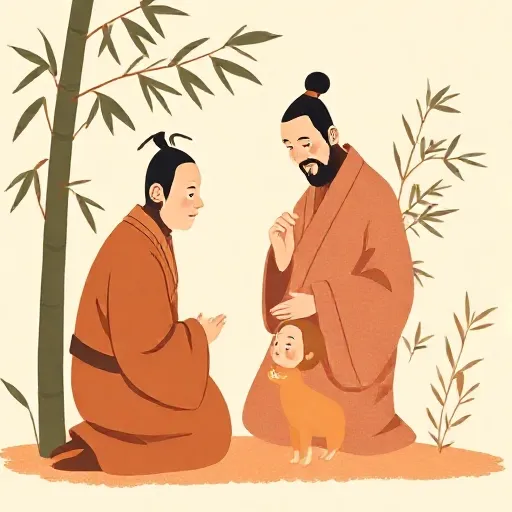
Can a Bamboo Leaf Teach You to Be a Better Person?
Zhu Xi believed studying nature, like a bamboo leaf, shows patterns that guide us to act wisely. See how close observation helps us make good choices.
-
Can a Bowl of Millet Teach You to Be a Good Person?
Can everyday actions like how you eat or greet someone really shape your character? This ancient idea still sparks debate today.
-
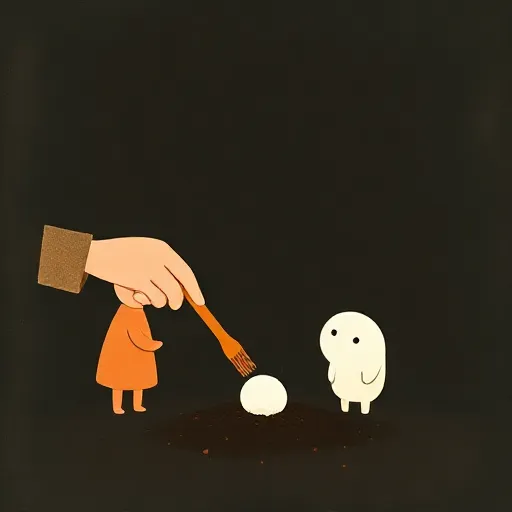
Can a Marble Really Be a Monster’s Horn? A Radical Buddhist Idea
Can a marble really be a monster's horn? A Buddhist idea says nothing is just one thing—seeing connections can free you from suffering.
-
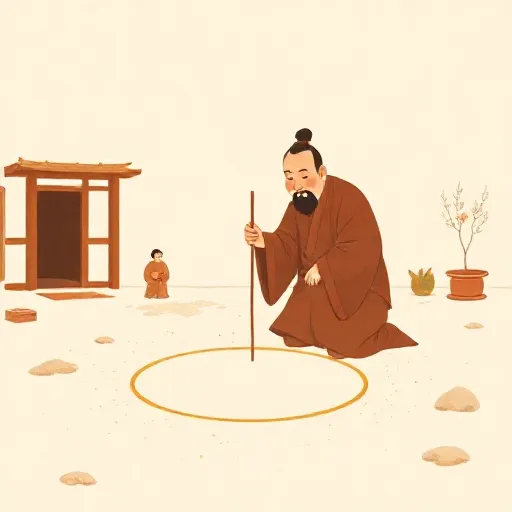
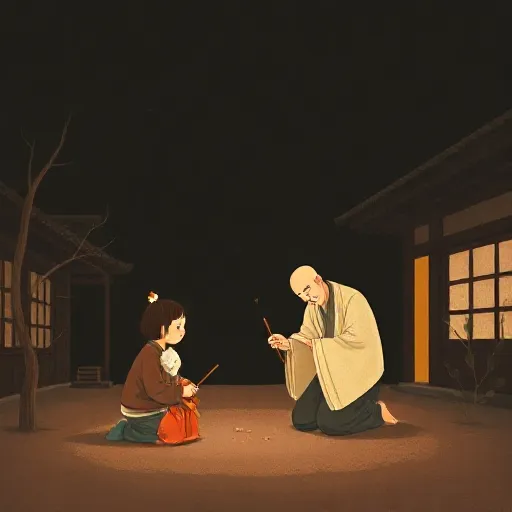
Can a Model Settle Every Argument? The Mohists' Big Idea
Can a model settle every argument? The Mohists thought so, but a puzzle about words and reality got in the way, leaving a mystery that still puzzles us.
-
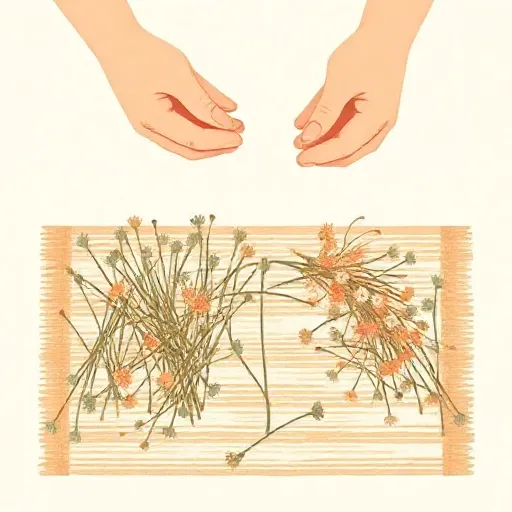
Can a Pile of Sticks Help You Face an Uncertain Future?
How can a 3,000-year-old book of sticks help you make hard choices? It shows that noticing your situation and moving forward gives you courage.
-
Can a White Horse Not Be a Horse?
Can a white horse not be a horse? Ancient Chinese thinkers used this puzzle to question how words label things and whether our categories are truly fixed.
-
Can One Book Explain the Whole Universe?
Can one book explain the whole universe? Han dynasty thinkers built systems to do just that, wrestling with questions that still puzzle us.
-
Can Two Philosophical Worlds Ever Really Talk?
Can Chinese and Western philosophy ever truly understand each other? They think in different ways. But maybe they're not as far apart as they seem.
-
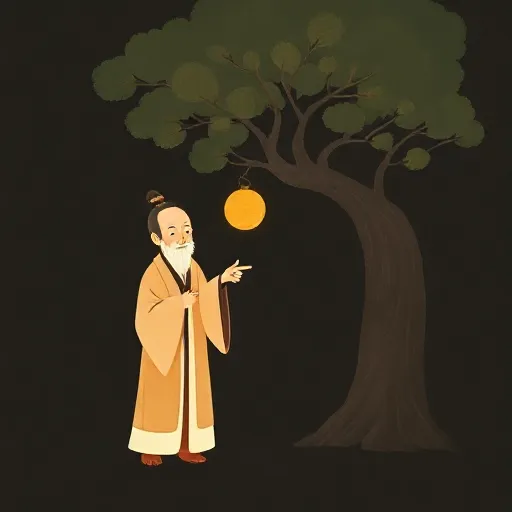
Can Words Guide Right and Wrong? Ancient China's Debate
Can words guide us to what's right and wrong? Over 2,000 years ago, Chinese thinkers debated this. Discover how their ideas still shape our fairness today.
-
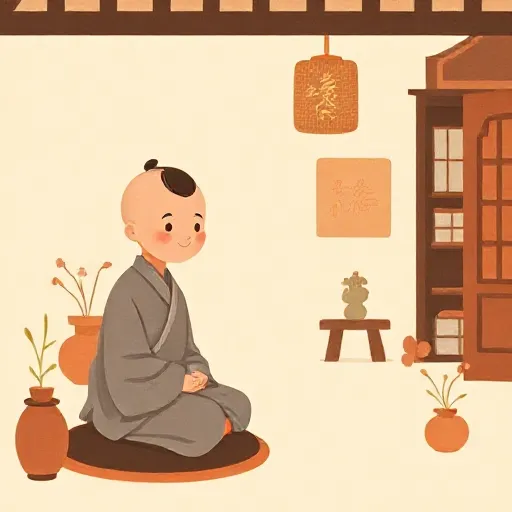
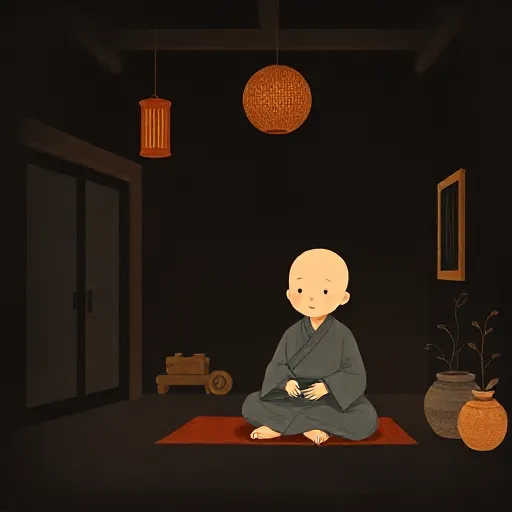
Can You Make a Mirror by Rubbing a Tile? The Chan Buddhist Challenge
Can sitting make you a Buddha? A tile-rubbing monk reveals Chan's twist: you're already enlightened—just wake up.
-
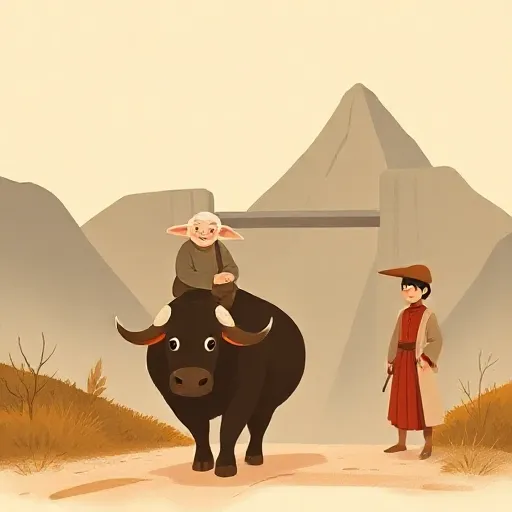
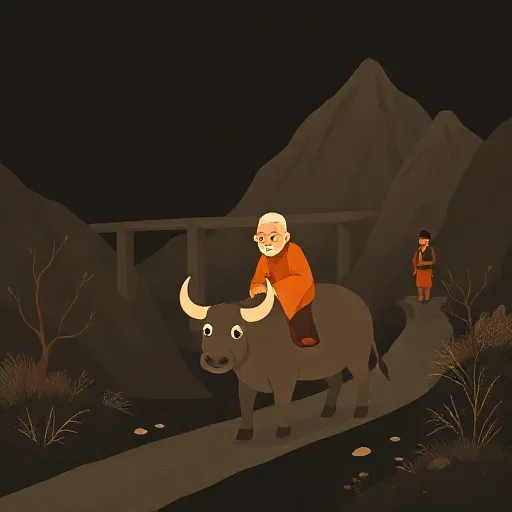
Can You Win by Doing Nothing? Laozi’s Strange Idea
A mysterious old master said the best ruler does almost nothing. The book he left behind still puzzles and inspires people today.
-
Can Your Heart Know Something Science Can’t?
Can science tell us what's right? Four Chinese thinkers said your heart just knows. Their ideas mix old and new, and might change how you see feelings.
-
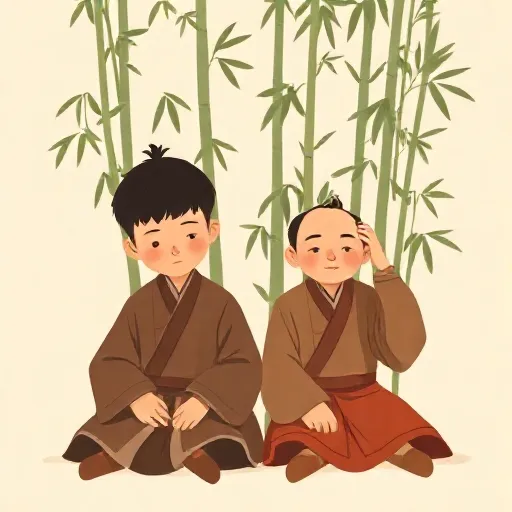
Do You Really Know Right from Wrong If You Don’t Act?
Can you know right from wrong without acting? Wang Yangming said no—knowing and doing go together. His bamboo experiment shows why studying isn't enough.
-
Do Your Feelings Know What’s Right? Dai Zhen’s Bold Answer
How do we know right from wrong? Dai Zhen's answer: by imagining how your actions make others feel. That idea shook up old ways of thinking.
-
How Can a Word Mean Both Truth and Feeling?
Why did ancient Chinese thinkers use one word, qing, for both truth and feelings? Their view might change how you understand your own emotions.
-
Is It Always Wrong to Cover for a Family Member?
Confucius said protect your dad even if he steals. Socrates questioned what's truly right. Which way do you think makes more sense?
-
Is the Whole Universe Just One Big Living Thing?
Could the universe be one living thing? Chinese philosophy says yes—you are not separate from nature because the same energy flows through everything.
-
Is There a Most Real, Most Valuable, Most Freeing Thing?
Why people across the world picture the ultimate as a personal God, a cosmic soul, or a mysterious Way — and why it might matter for you.
-
Is There One Right Way to Live? Zhuangzi Said No
Two thousand years ago, a Chinese thinker argued that the universe offers countless paths, but no one can tell you which one is truly correct.
-
Is Your Heart Also Your Brain? Ancient Chinese Philosophers on Knowing
In ancient China, the heart was the center of thinking, not just feeling. Knowledge meant living well — a very different picture from Western philosophy.
-
Is Your Mind the Boss of You? Ancient China’s Heart-Mind Debate
Is your mind the boss or a teammate? Ancient Chinese thinkers debated this, and it changes how we understand flow in sports and music.
-
Should Justice Be the Same for Everyone, or Fit the Community?
Liberals say fairness is a math problem for all. Communitarians say it grows from your neighborhood, family, history. A debate that shapes your life.
-
The Hall of Mirrors That Showed Everything Is Everything Else
Are we all one? Fazang's mirror room shows that everything reflects everything else, so hurting others might hurt you too.
-
What If Laws, Not People, Ruled the Kingdom?
Can a kingdom survive with laws instead of kind rulers? Ancient Chinese Legalists said yes, with a system of rewards and punishments. Their debate matters.
-
What If Morality Isn’t About Rules, But About Walking a Path?
What if being good isn't about following rules? Daoism sees life as a path. Practicing skills leads to smooth choices, not obeying commands.
-
What If the Best Way to Act Is to Do Nothing?
Is doing nothing sometimes the smartest move? Explore the Daoist idea of wuwei, where not forcing things might be the best action.
-
What Is the World Made Of? A Japanese War of Words
What is the world made of? A centuries-long Japanese debate over ki (energy) and ri (pattern) changed how people thought about life and rule.
-
Why Ancient China’s Smartest Thinkers Argued About Nothing
After the Han Empire's collapse, Chinese thinkers debated: is emptiness, not rules, the path to freedom? Their ideas still challenge us.
-
Why Can a Single Chinese Sentence Be Read Ten Different Ways?
Why can one Chinese sentence have so many meanings? Classical Chinese characters mix picture, sound, and idea, so understanding depends on context.
-
Why Did Ancient Chinese Thinkers Also Practice Medicine?
They used the same ideas to understand stars and sore throats. For them, a healthy body and a wise mind were the same thing.
-
Why Did China’s Philosophers Stop Looking Inward?
Why did China's philosophers stop looking inward? The fall of the Ming dynasty made them realize they needed to focus on the real world to make it better.
-
Why Didn’t Ancient China Invent Modern Science?
Why didn't ancient China, full of inventors, create modern science? A debate between two thinkers shows surprising ideas about what science really is.
-
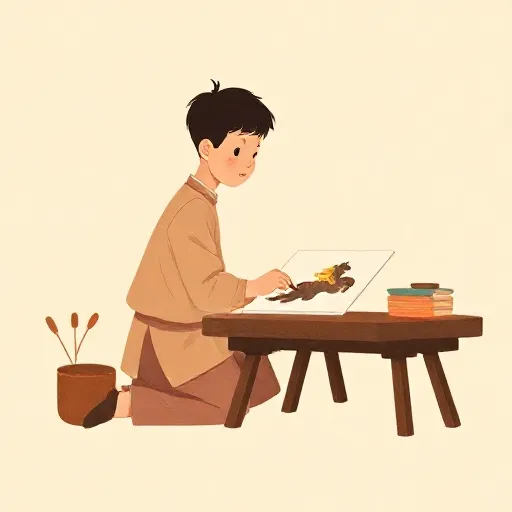
Why Do Good People Have Bad Feelings? Korea’s 500-Year-Old Debate
Why do good people have bad feelings? Korean thinkers compared it to riding a wild horse—the horse can stumble, but you can learn to ride well.
-
Why Koreans Thought Opposites Could Both Be True
Korean thinkers spent 300 years debating why good and bad feelings can mix, discovering harmony in opposites.
-
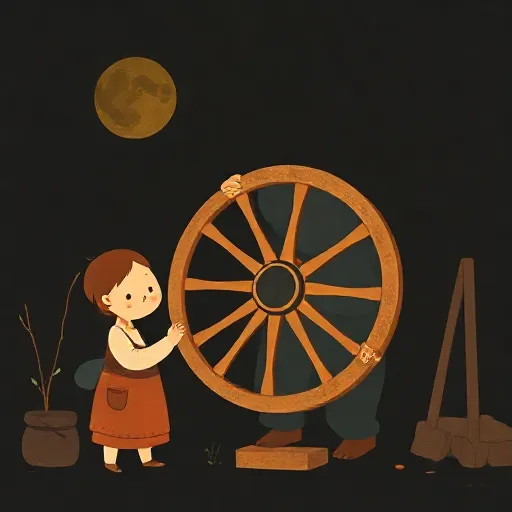
Why Should You Care About a Stranger’s Hunger? Mozi Had an Answer.
Why care if a stranger is hungry? Mozi, 2,000 years ago, said we should care for all people equally, like family. It's a tough but important idea.
-
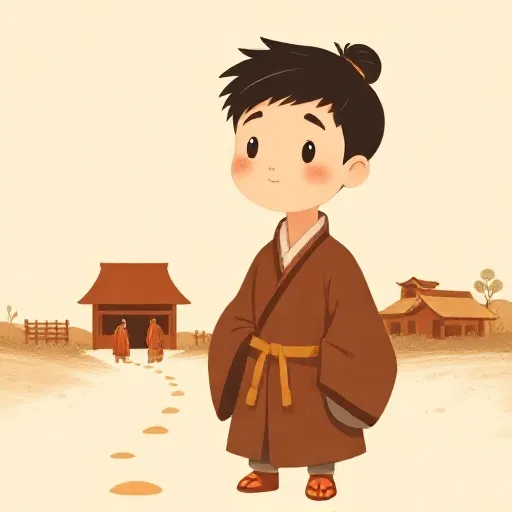
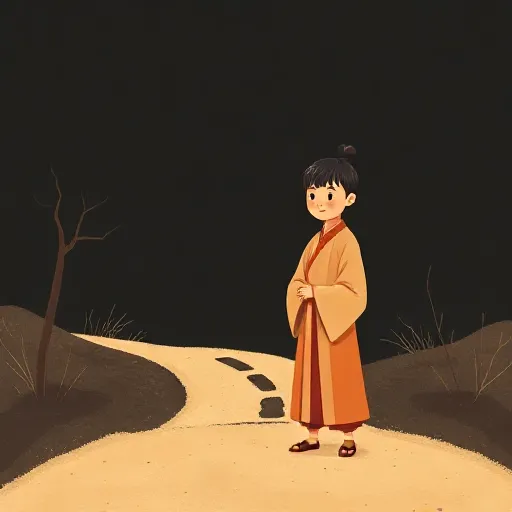
Why This Ancient Thinker Said You’re Born Bad—and How You Fix It
Are people born good or bad? Ancient Chinese philosopher Xunzi said we're born with dangerous impulses, but we can learn kindness through daily practice.
-
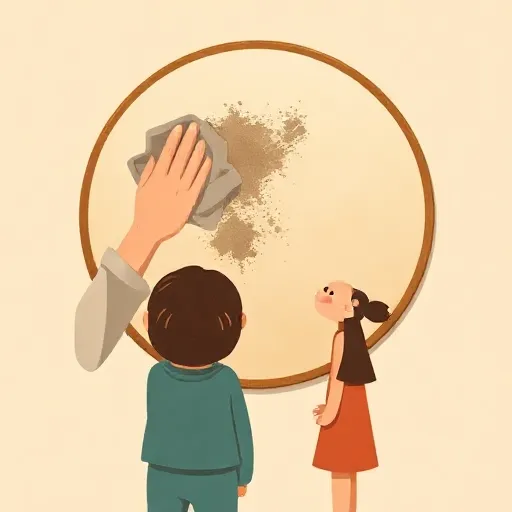
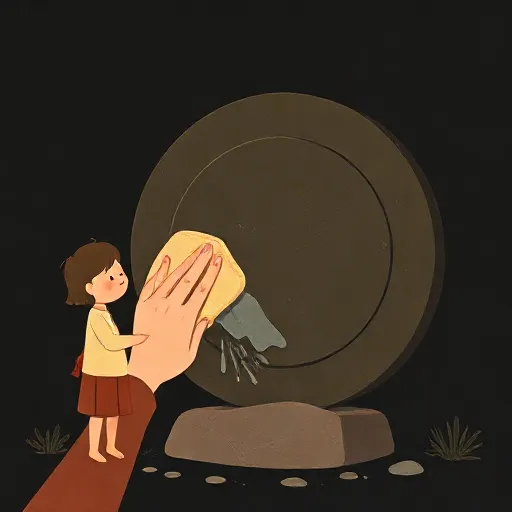
You're Already Good — Why Can't You See It?
Are we born good? Neo-Confucians said yes, but selfishness hides it. Zhu Xi and Wang Yangming debated fiercely how to uncover it: study or heart?