
Buddhist Philosophy
38 articles
-
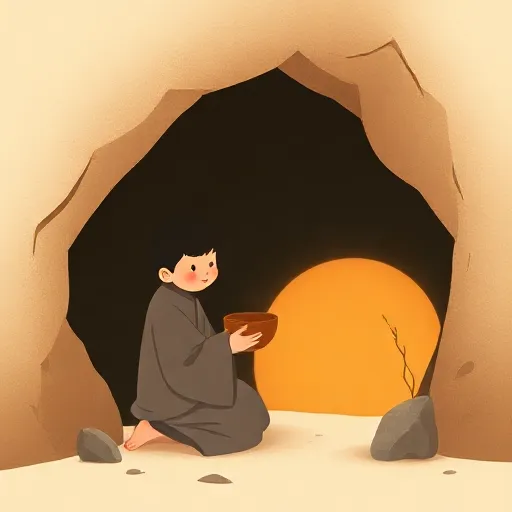
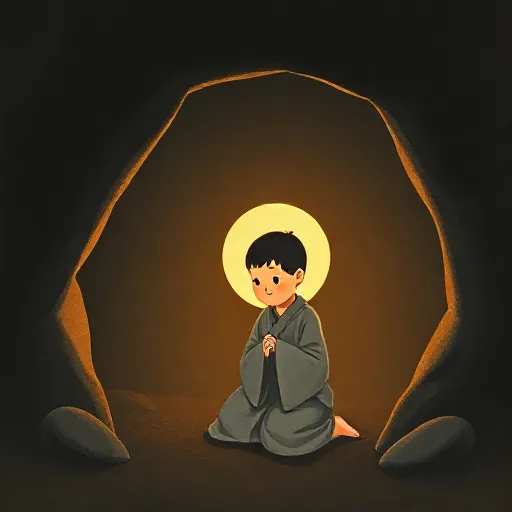
A Skull, a Cave, and the Idea That Your Mind Paints the World
Can your mind create reality? A wild true story from ancient Korea shows how a monk's skull-drinking discovery might help us live together peacefully.
-
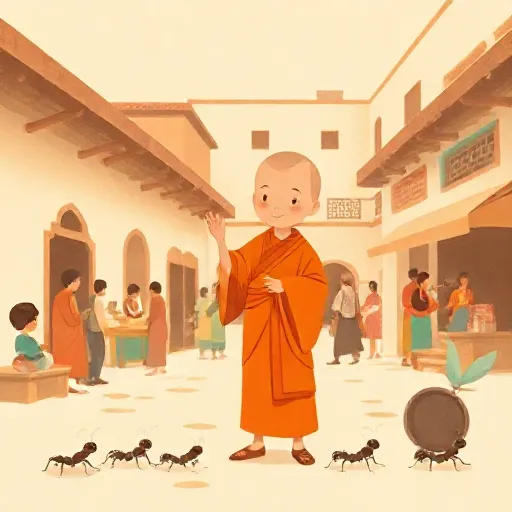
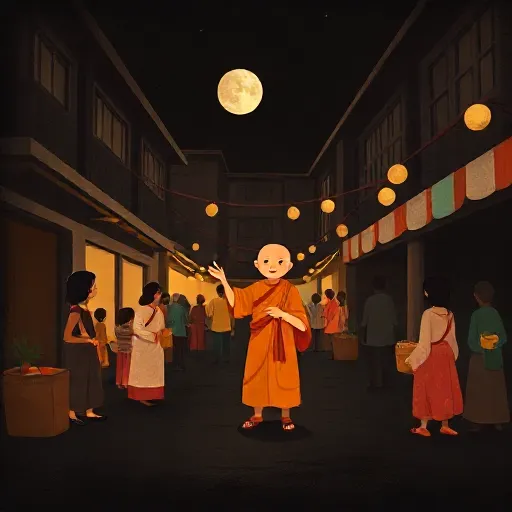
Are You a ‘Self’ or Just a Line of Ants? Vasubandhu’s Radical Idea
A 4th-century monk used dreams and an ant-line to prove you have no unchanging self. His arguments still challenge what we think we are.
-
Are You a Potter or a Geologist? Japan’s Two Paths to Knowing
Is philosophy more like science or pottery? Japan's answer can change how you think about yourself and your friends.
-
Are Your Feelings Traps? Old Indian Ideas on True Freedom
Indian philosophers long ago saw emotions as traps blocking freedom. Should we also stop thinking? Their debate asks what it means to be truly free.
-
Can “Nothing” Be More Real Than Everything?
What if 'nothing' is not empty but the source of all things? Japanese thinkers challenged Western ideas with this radical view.
-
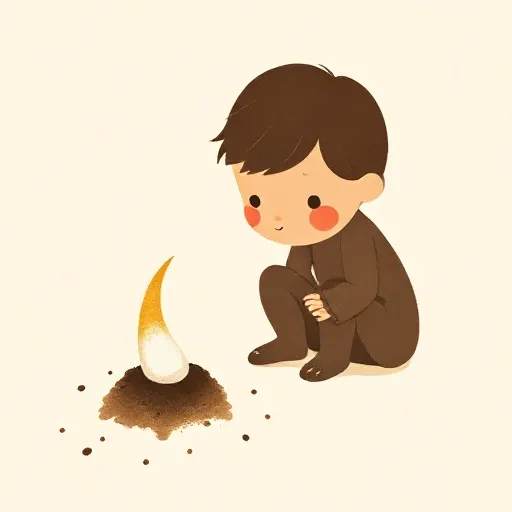
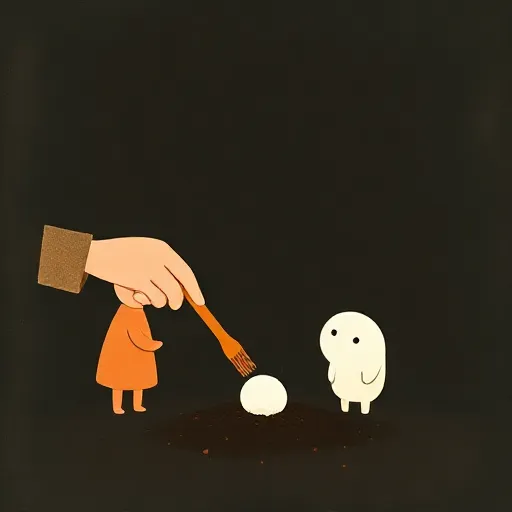
Can a Marble Really Be a Monster’s Horn? A Radical Buddhist Idea
Can a marble really be a monster's horn? A Buddhist idea says nothing is just one thing—seeing connections can free you from suffering.
-
Can Arguments Lead to Silence? The Madhyamaka Split
Why did Buddhist thinkers argue about the point of arguing? Their surprising debate can change how you hold your own beliefs.
-
Can Six Words Save You? The Radical Pure Land Path
If you can't meditate for lifetimes, can saying a Buddha's name save you? Pure Land Buddhism says yes, challenging ideas of effort and faith.
-
Can You Become a Buddha Right Now, in This Very Body?
Can you become a Buddha in this very body? Kūkai believed yes, by using gestures, chants, and symbols to awaken to the enlightenment already inside you.
-

Can You Ever Be Alone? A Japanese Philosopher’s Challenge
Are you ever truly alone? Watsuji says no—you're made of weather, land, and everyone around you. Being good is about weaving connections.
-
Can You Make a Mirror by Rubbing a Tile? The Chan Buddhist Challenge
Can sitting make you a Buddha? A tile-rubbing monk reveals Chan's twist: you're already enlightened—just wake up.
-
Do All Religions Lead to the Same Mountain Top?
Schopenhauer thought so, John Hick did too. Others say that flattens real differences. A 200-year debate about comparing faiths.
-
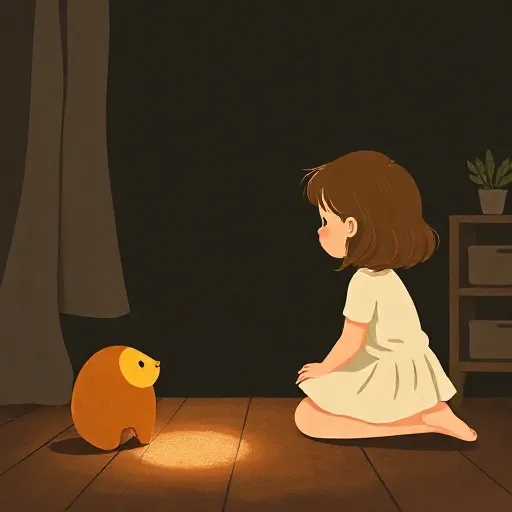
Do You Need Words to See What's in Front of You?
Ancient Indian philosophers argued: can you see a cat without knowing the word 'cat'? The answer leads to a deep puzzle about reality, words, and the mind.
-
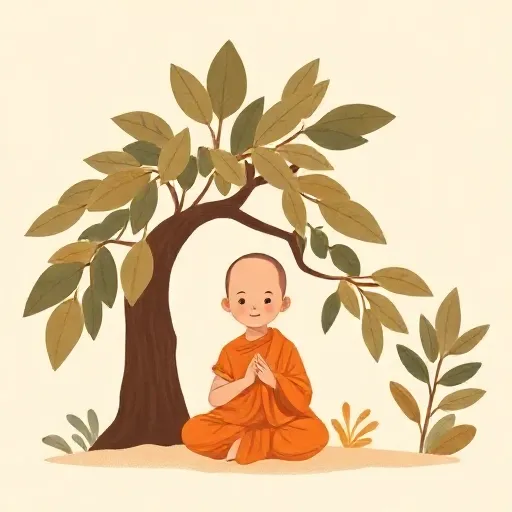
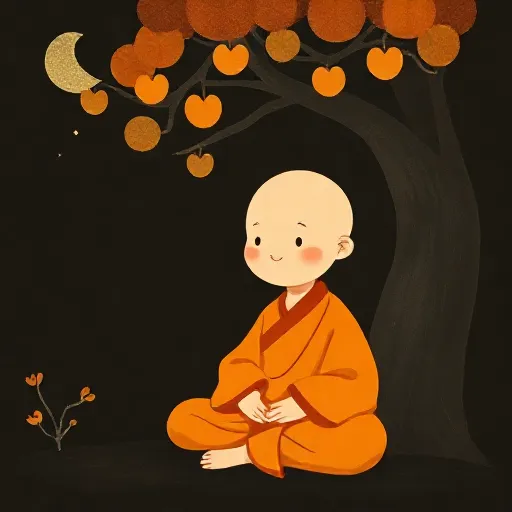
Does Anything Exist on Its Own? Nāgārjuna’s Challenge
Could a red apple be an illusion? Nāgārjuna said nothing exists on its own. His idea that everything depends on everything else still puzzles thinkers.
-
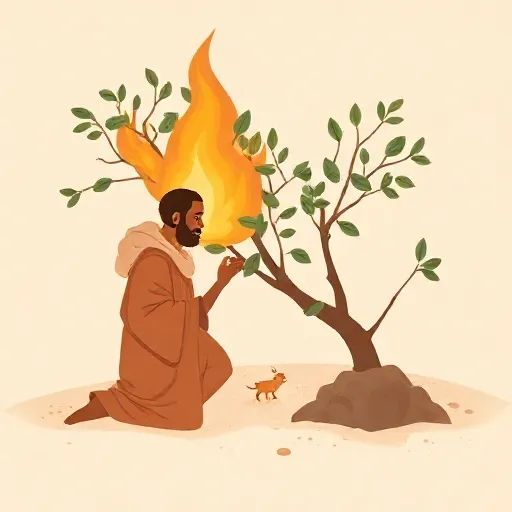
If You Saw God, Should Anyone Believe You?
People say they've seen God, felt nirvana, or touched the Dao. Is that real? Philosophers debate whether such experiences are trustworthy evidence.
-
Is Anything Real? The Buddhist Monks Who Said Yes and No
Can a cup be real and not real? Tibetan Buddhist monks thought so. Their ideas about emptiness and connection might change how you see everything.
-
Is Everything Empty Yet Perfectly Real?
Is everything empty yet perfectly real? Tsongkhapa's Middle Way explains how life works without fixed natures, avoiding both solidity and nothingness.
-
Is the Whole Universe Just One Big Living Thing?
Could the universe be one living thing? Chinese philosophy says yes—you are not separate from nature because the same energy flows through everything.
-
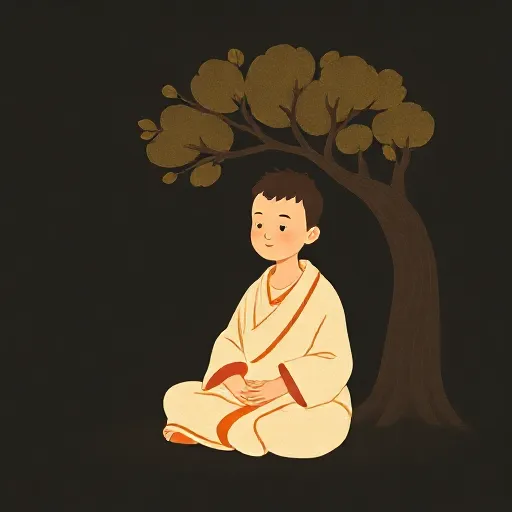
Is the World Just in Your Head? The Buddhist Idealists
Is the world just your imagination? Buddhist thinkers used dreams to argue yes. But if everything is mind-made, how can you know others are real?
-
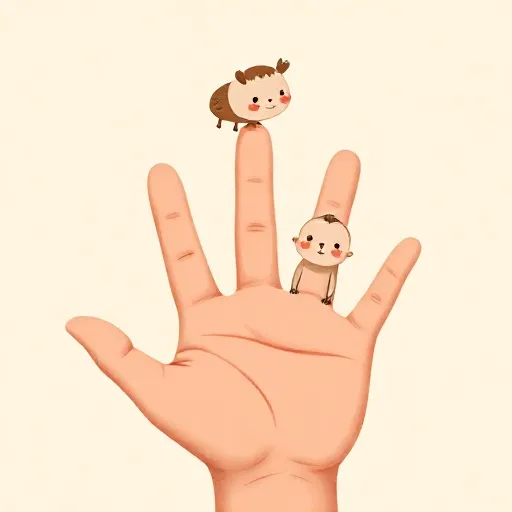
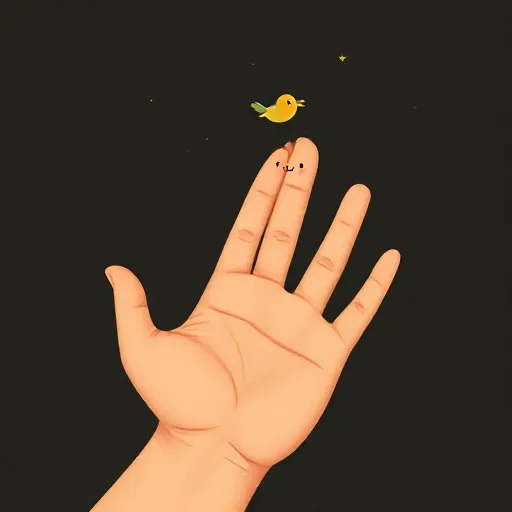
Is There a Hidden "Blueness" in Every Blue Thing?
Buddhist thinkers Dignāga and Dharmakīrti said no — only fleeting moments are real. Their clever theory explains how words work without invisible sameness.
-
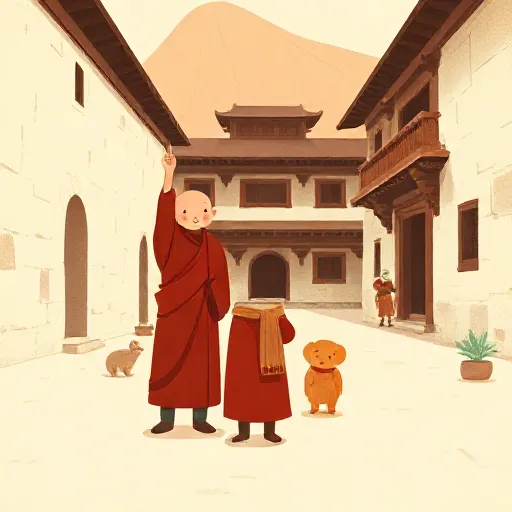
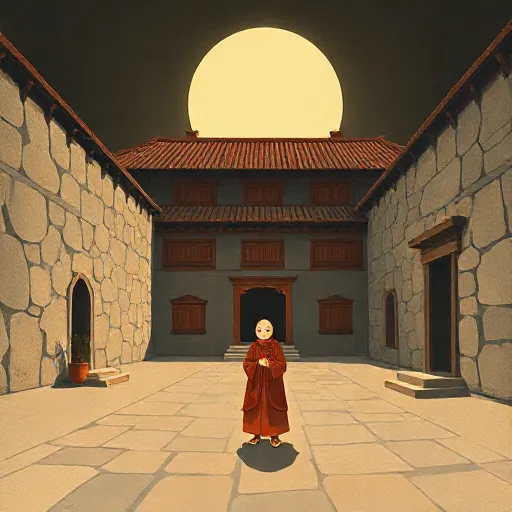
Is Your Cup Real? Monks Fought Over This for 1,000 Years
Can a cup be both real and not real? Tibetan monks debated this question using the two truths—and it's still changing how we see the world today.
-
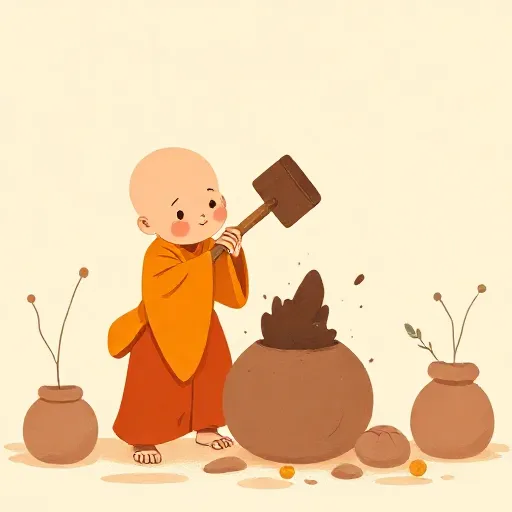
Is Your Lunch Really There? A Buddhist Smash Test
Is your lunch really there? Buddhists argue whether only atoms exist or only mind. One says nothing is solidly real, so change is possible.
-
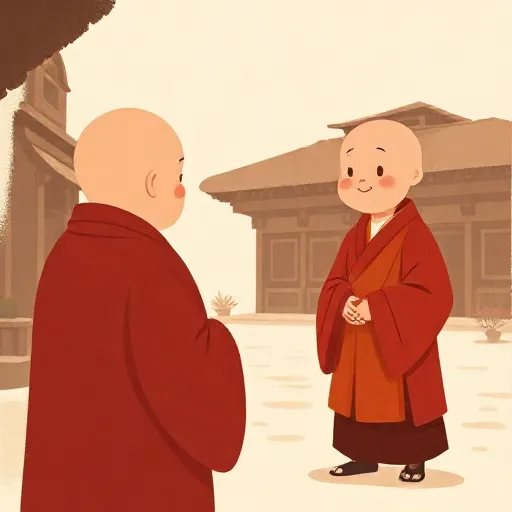
Seeing vs. Thinking: The 800‑Year Tibetan Debate That Isn’t Over
When you see blue, does your mind just take a picture or does it rule out not-blue? An 800-year Tibetan debate that still shapes how we think and talk.
-
The 2,500-Year-Old Case Against a Permanent Self
Is there a permanent 'you' inside your mind? Ancient Buddhist thinkers said no — you're a shifting collection of events. Their idea still puzzles us today.
-
The Hall of Mirrors That Showed Everything Is Everything Else
Are we all one? Fazang's mirror room shows that everything reflects everything else, so hurting others might hurt you too.
-
The Monk Who Proved Nothing Has a Fixed Nature
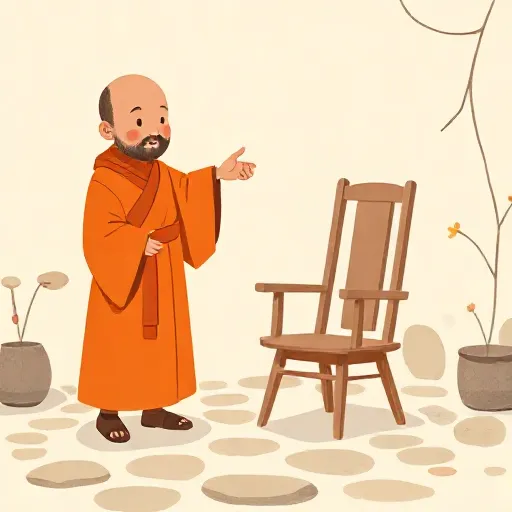
Can anything have a fixed core? An 8th-century monk used a simple argument to show that chairs, thoughts, and even you have no unchanging nature.
-
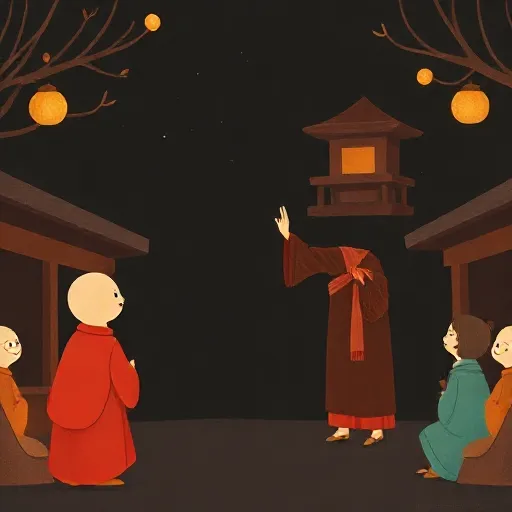
The Monk Who Said Concepts Are Lies—but You Still Must Follow Rules
Sakya Pandita argued that every idea in your head is a karmic illusion. Yet he insisted you must follow strict traditions to become enlightened. Why both?
-
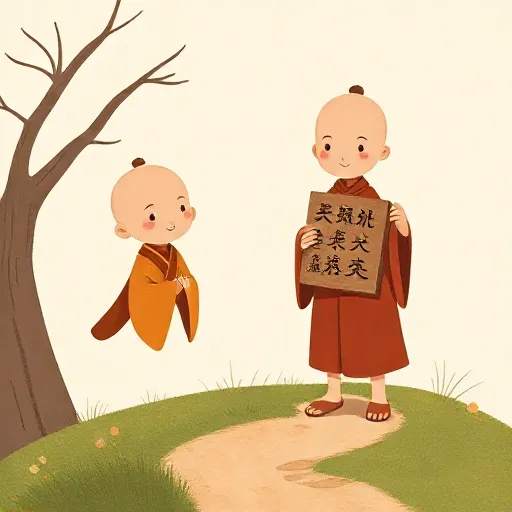
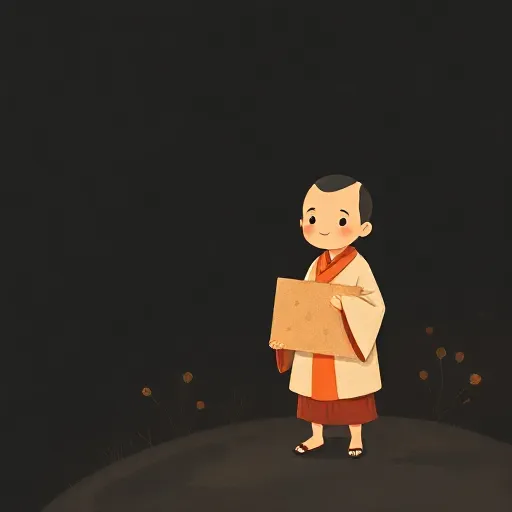
What If the Kindest Thing Is to Break a Rule? Buddhist Ethics Asks
Buddhist rules forbid lying and killing. But what if breaking a rule is the kindest thing to do? This ancient puzzle still challenges us today.
-
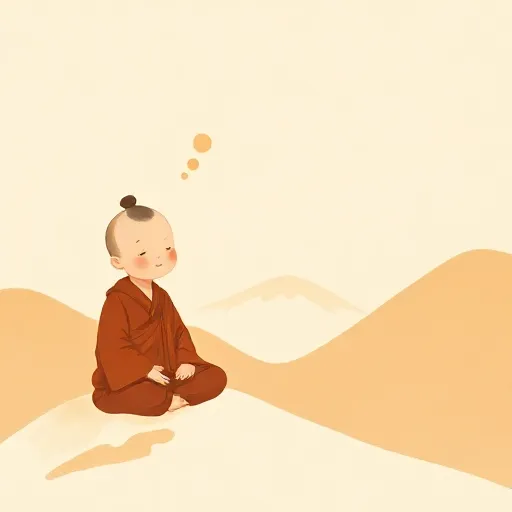
What If True Wisdom Means Having No Thoughts at All?
Is true wisdom having no thoughts? A Tibetan monk said yes, but critics say that's like being unconscious. Their debate is still alive.
-
What If Your Whole World Is Just Quick Mind-Flashes?
What if your whole world is just quick mind flashes? Ancient Buddhist thinkers explored this question to help people find peace. Today, scientists ask it.
-

When You Feel One with Everything—Is That Real?
Are feelings of being one with everything real, or just brain tricks? The answer might change how you see your amazing moments.
-
Where Do 'I' End and 'the World' Begin?
Nishida Kitaro said our deepest experiences have no split between you and the world. How he built a whole philosophy on that idea.
-
Who Are You, Really? Ancient India's Search for the Self
Some said you are an eternal soul behind your body. Others said you're just thoughts and flesh. A 2,500-year-old argument about what makes you you.
-
Whose Pain Is It, Anyway? A Monk’s Radical Answer
Śāntideva, a 7th-century monk, argued that because there is no real self, all suffering is everyone’s problem. His logic still shakes up ethics today.
-
Why a Zen Master Might Say the Bridge Flows, Not the River
Why would a Zen master say the bridge flows, not the river? It's a surprising trick to help you see the world without your usual self getting in the way.
-
Why Do the Japanese Love Cherry Blossoms That Fall So Quickly?
Why do the Japanese love cherry blossoms that fall so fast? Their Buddhist belief finds beauty in things that don't last, changing how we see the world.
-
Why Koreans Thought Opposites Could Both Be True
Korean thinkers spent 300 years debating why good and bad feelings can mix, discovering harmony in opposites.
-
You Don't Have a Self: The Buddha's Radical Argument
Why do we feel like a permanent 'me' if there isn't one? The Buddha's surprising answer shows how this illusion creates suffering and shapes our lives.