Is Your Cup Real? Monks Fought Over This for 1,000 Years
A Monk, a Cup, and a Fight About Reality
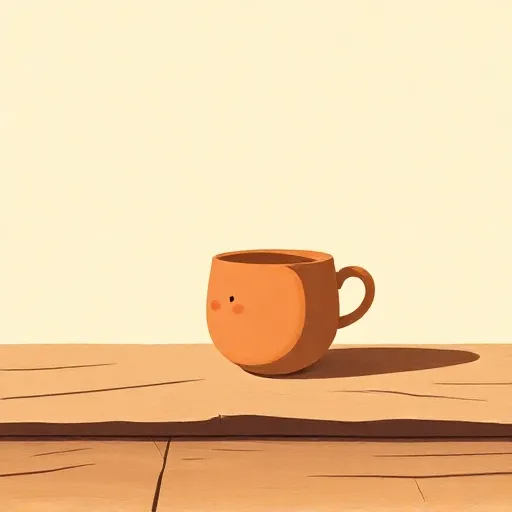
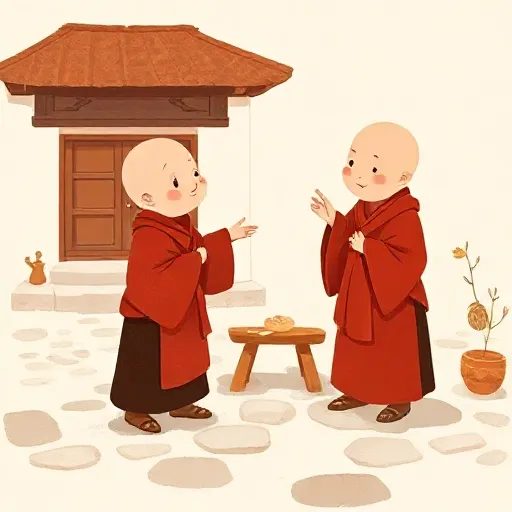
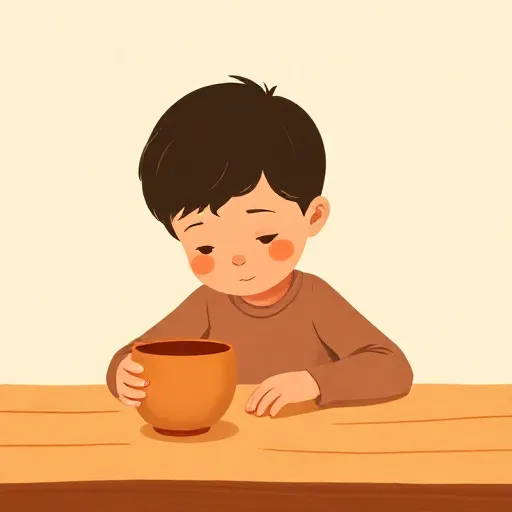
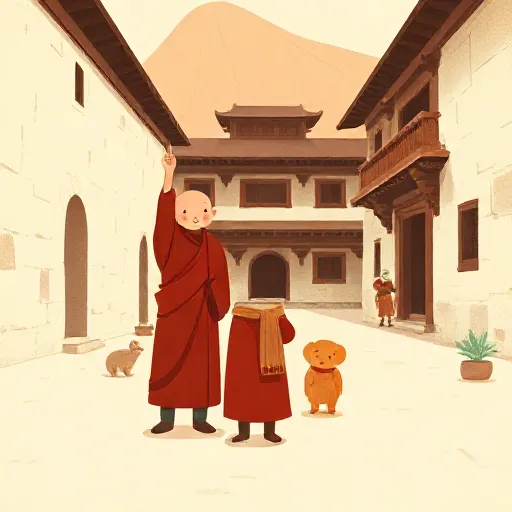
Picture a monastery in Tibet, 700 years ago. A young monk lifts a clay cup and asks, “Is this real?” The master nearby says, “Yes — and also not at all.” This wasn’t a trick. It was the beginning of a fierce debate that lasted centuries. The monks were wrestling with a question any of us might ask: when you look at the world, is what you see really there, or are you just dreaming?
They called their answer the teaching of the two truths. One truth is how things appear to ordinary, confused minds — the cup, the table, your own hand. The other truth is how things actually are, beneath and beyond appearances. The two truths became a philosophical battlefield, with schools of Tibetan Buddhism splitting into passionate, opposing camps.
The Two Truths, in Plain Language
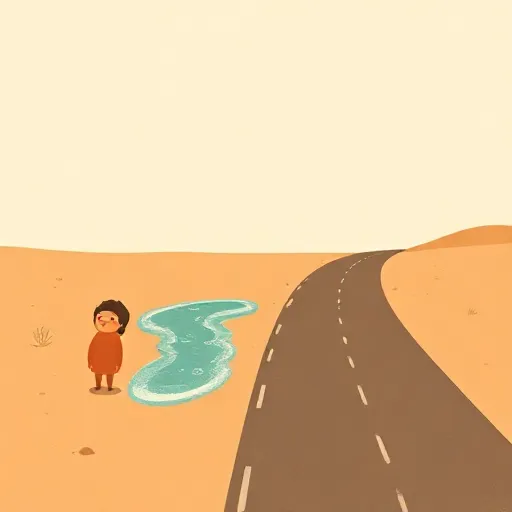
Every major school agreed on the basics. Conventional truth (saṃvṛtisatya) is the world of cups, people, colors, and sounds — the reality you meet every day. It’s what a confused mind takes for granted. Ultimate truth (paramārthasatya) is the way things are when your mind is free of confusion. It’s often described as emptiness (śūnyatā) — not nothingness, but the total absence of the solid, independent “thingness” we project onto the world. In ultimate truth, nothing exists the way it seems.
So far, the schools agreed. The trouble started when they asked: is the conventional world actually true? Or is it one colossal mistake, entirely false, with only the ultimate being genuinely real?
The Great Split: Gelug vs. Everyone Else
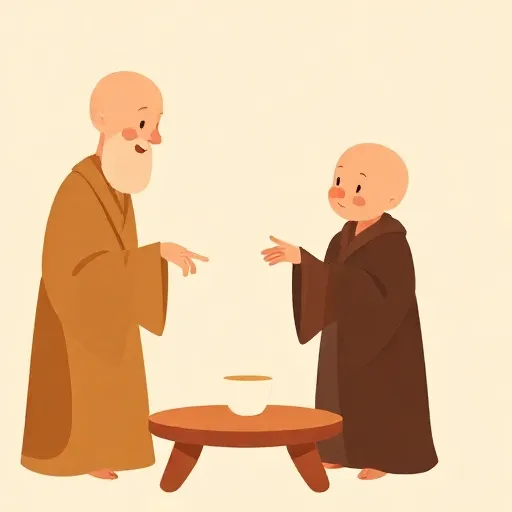
The debate divided Tibet into two big families. Three schools — Nyingma, Kagyü, and Sakya — argued that conventional truth is, at bottom, an illusion. It’s not real truth at all; it’s only called “truth” from the perspective of an ignorant mind. Ultimate truth alone is genuinely, fully real. The Gelug school, founded by Tsongkhapa (1357–1419), took the opposite view: both conventional and ultimate truth are actual truths, resting on equal footing.
This was not just a technical squabble. It touched everything: what you can know, how you can know it, and what it takes to wake up from confusion. In the Nyingma school, Longchen Rabjam (1308–1363) taught that ultimate truth is an experience so profound that all ordinary thinking stops. In Kagyü, Karmapa Mikyö Dorje (1507–1554) insisted that the distinction between the two truths is only for ordinary minds — from an enlightened perspective, there’s only one truth. In Sakya, Gorampa Sonam Senge (1429–1489) put it bluntly: ultimate truth is “inexpressible through words and beyond the scope of cognition.” All three agreed: the world of cups and tables is a construction of confusion. It vanishes the moment you see reality clearly.
Tsongkhapa’s Gelug school pushed back. He argued that a cup isn’t just an illusion — it really does present itself, and that appearance is one truth. The cup’s emptiness — its lack of a solid, independent core — is another truth. You can’t have one without the other. Emptiness and dependent appearance are two sides of a single coin.
Why Can’t We Trust Our Eyes?
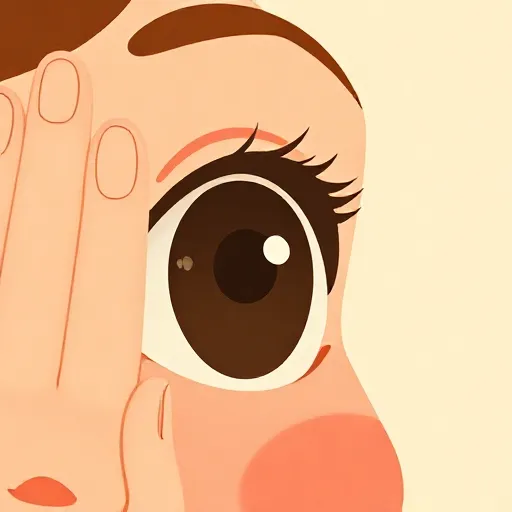
The non-Gelug schools often used a vivid image to explain their view. Imagine someone with a cataract in one eye who sees a shower of falling hairs that aren’t really there. A person with healthy eyes doesn’t see those hairs at all. In the same way, the schools argued, ordinary minds are like the diseased eye: they project solid objects and a separate self onto a world that is, in ultimate truth, utterly free of such fabrications. Conventional truth is like those floating hairs — it seems real only because your mental eye is clouded by confusion (avidyā). An enlightened being, whose mind is clear, simply doesn’t experience the world that way.
Because of this, they insisted that the two truths don’t share a single object. Ordinary beings can never directly touch ultimate truth; they live entirely within the bubble of conventional appearances. Awakened beings (buddhas), on the other hand, have no access to conventional truth from their own enlightened perspective. They see only the ultimate. If a buddha seems to engage with conventional things — like talking with people — that’s a compassionate display that conforms to the way ordinary minds see things, not what the buddha actually perceives.
One Truth That Shines Two Ways
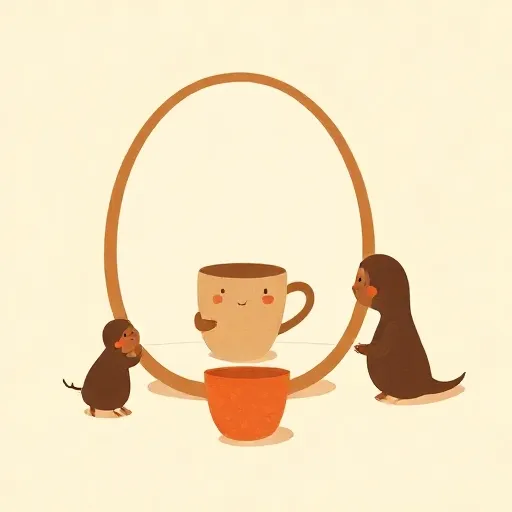
Gelug monks thought this picture was too extreme. Yes, the cup is empty of any solid, independent nature. But it still works: it holds tea, it’s made of clay, you can drop it and it breaks. Tsongkhapa argued that the cup has two genuine natures. One is its conventional nature — how it appears and functions. The other is its ultimate nature — the fact that it isn’t inherently a “cup” in some fixed, permanent way. Neither truth gets to boss the other around; they are ontologically equal and mutually dependent.
To make this clear, Gelug philosophers compared the two truths to the relationship between being conditioned and being impermanent. These aren’t two separate things sitting side by side. Being impermanent is just what it means to be conditioned; being conditioned is what it means to be impermanent. In the same breath, the cup’s conventional reality and its emptiness aren’t different entities. When you deeply understand the cup’s dependent arising — how it comes into being through clay, a potter’s hands, and fire — you are, at the very same time, understanding its emptiness. There’s no gap between them.
That’s why, for Gelug, one and the same person can eventually know both truths at once. A fully awakened mind sees the conventional and the ultimate simultaneously, not by switching perspectives but because they are inseparable aspects of the same reality.
What This Old Debate Means for You

You might never sit in a Tibetan debate courtyard. But the question these monks fought over is the same one that sneaks up on you in daily life. What counts as real? Are the characters in a video game real in any sense? When you dream at night, until you wake up, the dream feels just as solid as your bedroom. Tibetan philosophy invites you to think about the gap between the way things feel and the way things are — and to ask what, if anything, you can trust your ordinary mind to know.
Gelug monks wanted to save the everyday world without turning it into a solid, unchanging substance. The other schools wanted to wake you up from the dream entirely, even if it meant calling your cup a total illusion. Both sides agreed on one thing: life looks very different when you stop mistaking appearances for ultimate facts. That’s an idea worth picking up.
Think about it
- If a friend told you the chair you’re sitting on isn’t “really” real — that it’s just an appearance, like a dream — would you agree? What could change your mind?
- Some Tibetan monks thought only an enlightened mind can see the real truth. If that’s so, how can we ever be sure what’s true by using our ordinary minds?
- Can two opposite things — like “real” and “not real” — both be true about the same cup? Why might that idea be useful, and when might it just feel confusing?