
Indian Philosophy
35 articles
-
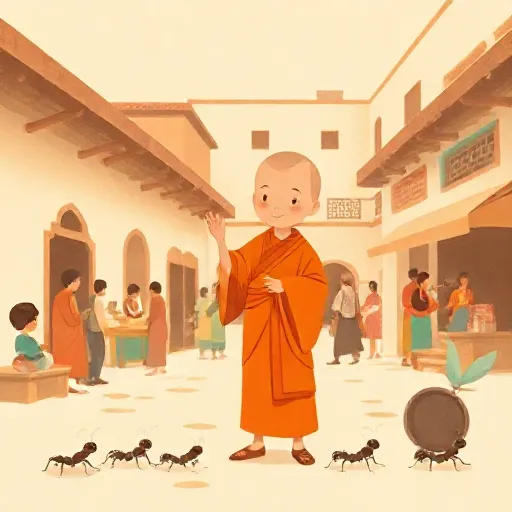
Are You a ‘Self’ or Just a Line of Ants? Vasubandhu’s Radical Idea
A 4th-century monk used dreams and an ant-line to prove you have no unchanging self. His arguments still challenge what we think we are.
-
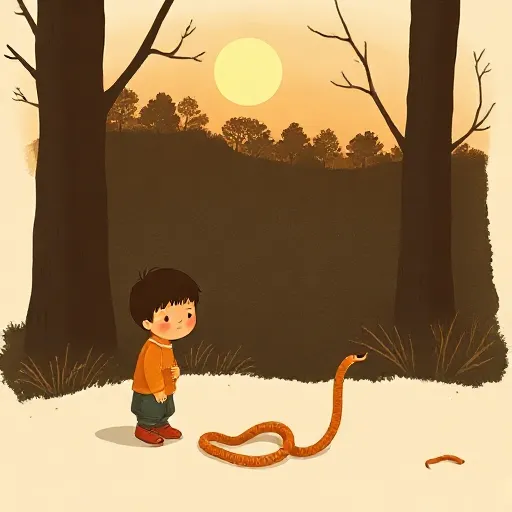
Are You Already Free? Śaṅkara and the World as Dream
Could your whole life be a dream? Śaṅkara said we are all pure awareness, not separate selves. This ancient idea challenges what we call real.
-


Are Your Feelings Traps? Old Indian Ideas on True Freedom
Indian philosophers long ago saw emotions as traps blocking freedom. Should we also stop thinking? Their debate asks what it means to be truly free.
-
Can a Pot Appear Out of Nowhere? The Indian Fight Over Causes
Could a clay pot appear out of thin air? That question split ancient Indian philosophers. They were really arguing about what makes an explanation natural.
-
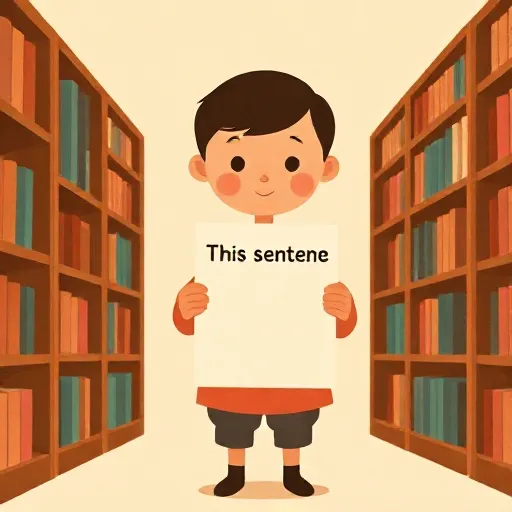
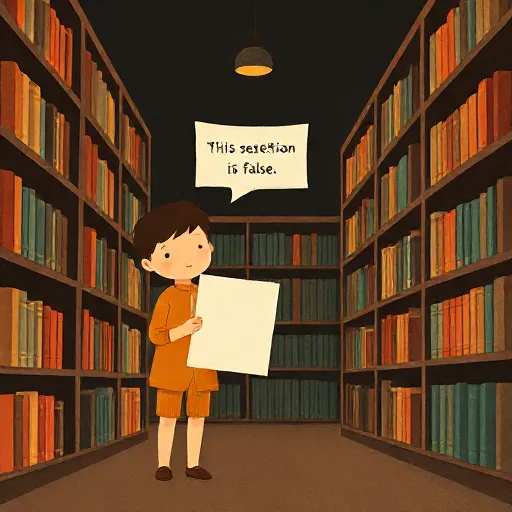
Can a Statement Be Both True and False?
Can a statement be true and false? Classical logic says no: a contradiction explodes reason. Paraconsistent logics tame contradictions for the real world.
-
Can Arguments Lead to Silence? The Madhyamaka Split
Why did Buddhist thinkers argue about the point of arguing? Their surprising debate can change how you hold your own beliefs.
-
Can Something Be True and False at the Same Time?
Aristotle said no, and called it the Law of Non-Contradiction. But some thinkers say reality is stranger than logic.
-
Can You Define Knowledge? A 12th‑Century Philosopher Said No
Śrīharṣa argued that every definition of knowledge, causation, or even difference eventually breaks. His wild arguments still puzzle philosophers today.
-
Can You Prove That a Chair Is Real? This 9th‑Century Thinker Said No
Can you prove that what you see is real? An ancient Indian philosopher argued you can't—then said to just enjoy the world anyway.
-
Can You Trust Your Senses? A Thinker's Answer
Gaṅgeśa said we have four ways of knowing—seeing, reasoning, comparing, and trusting experts—but they can still fool us. His system still matters.
-
Did Humans Invent Language, or Did It Always Exist?
Did humans invent language, or has it always existed? Ancient Indian thinkers debated this, and their answers change how we think about truth and trust.
-
Do All Religions Lead to the Same Mountain Top?
Schopenhauer thought so, John Hick did too. Others say that flattens real differences. A 200-year debate about comparing faiths.
-
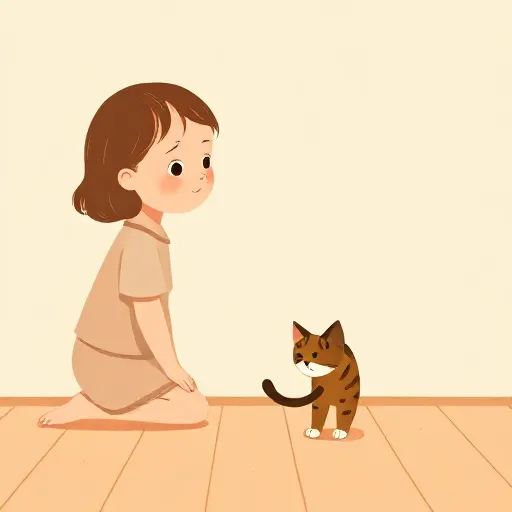
Do You Need Words to See What's in Front of You?
Ancient Indian philosophers argued: can you see a cat without knowing the word 'cat'? The answer leads to a deep puzzle about reality, words, and the mind.
-
Does Anything Exist on Its Own? Nāgārjuna’s Challenge
Could a red apple be an illusion? Nāgārjuna said nothing exists on its own. His idea that everything depends on everything else still puzzles thinkers.
-
How Did Indian Philosophers Invent the Perfect Argument?
Ancient Indian thinkers asked what makes a convincing argument. They created a five-step recipe — the Indian syllogism — that still shapes reasoning today.
-
If You Saw God, Should Anyone Believe You?
People say they've seen God, felt nirvana, or touched the Dao. Is that real? Philosophers debate whether such experiences are trustworthy evidence.
-
Is Every Thought a Mistake Until You Check It?
Ancient Indian thinkers had a radical idea: your mind is innocent until proven guilty. But what happens when the doubters fight back?
-
Is the Universe Just a Blind, Hungry Monster?
Arthur Schopenhauer saw the world as a never-ending hunger, but said art and compassion could quiet the feast. A 1800s thinker with a surprising answer.
-


Is the Village Floating? How Words Get Extra Meanings
What does "the village is on the Ganges" really mean? Indian philosophers argued for centuries about hidden layers in language.
-
Is the World Made of Tiny Balls or Flickering Flashes?
Ancient Greek and Indian philosophers asked: Is the world tiny balls or flickering flashes? Their answers still fuel debates about atoms and reality.
-


Is There a Most Real, Most Valuable, Most Freeing Thing?
Why people across the world picture the ultimate as a personal God, a cosmic soul, or a mysterious Way — and why it might matter for you.
-
Is Your Lunch Really There? A Buddhist Smash Test
Is your lunch really there? Buddhists argue whether only atoms exist or only mind. One says nothing is solidly real, so change is possible.
-
Is Your Soul Trapped in Invisible Dust? The Jain Path to Freedom
Could bad acts coat your soul in sticky dust? Jains say yes, and that's why they go to great lengths not to harm even tiny bugs.
-

The 2,500-Year-Old Case Against a Permanent Self
Is there a permanent 'you' inside your mind? Ancient Buddhist thinkers said no — you're a shifting collection of events. Their idea still puzzles us today.
-
The Ancient List That Classifies Everything (Even Nothing)
Ancient Indian philosophers listed everything that exists—even absences, like nothing in a jar. Why did they think an empty jar holds something real?
-
The Monk Who Proved Nothing Has a Fixed Nature
Can anything have a fixed core? An 8th-century monk used a simple argument to show that chairs, thoughts, and even you have no unchanging nature.
-
The Monk Who Said Concepts Are Lies—but You Still Must Follow Rules
Sakya Pandita argued that every idea in your head is a karmic illusion. Yet he insisted you must follow strict traditions to become enlightened. Why both?
-
Trapped in a Giant's Cave: Is That Really Peace?
Is peace just no fighting? Discover why real peace needs fairness and safety. Can force ever protect peace?
-
What If Your Whole World Is Just Quick Mind-Flashes?
What if your whole world is just quick mind flashes? Ancient Buddhist thinkers explored this question to help people find peace. Today, scientists ask it.
-
What Would Happen If There Were Two Supreme Beings?
Could two all-powerful gods exist? They would limit each other, so neither could be all-powerful. That's why many people believe in one God.
-


When You Feel One with Everything—Is That Real?
Are feelings of being one with everything real, or just brain tricks? The answer might change how you see your amazing moments.
-
Who Are You, Really? Ancient India's Search for the Self
Some said you are an eternal soul behind your body. Others said you're just thoughts and flesh. A 2,500-year-old argument about what makes you you.
-
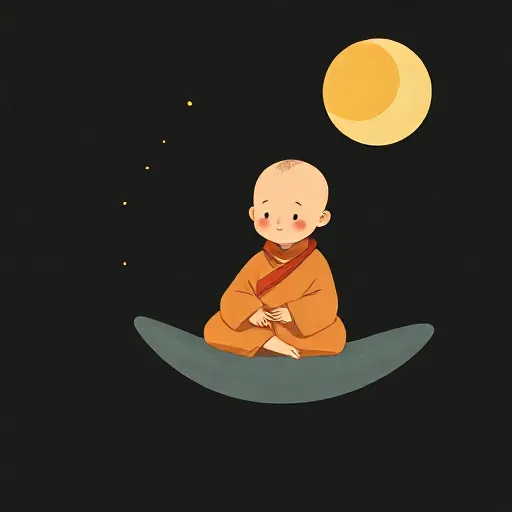
Whose Pain Is It, Anyway? A Monk’s Radical Answer
Śāntideva, a 7th-century monk, argued that because there is no real self, all suffering is everyone’s problem. His logic still shakes up ethics today.
-
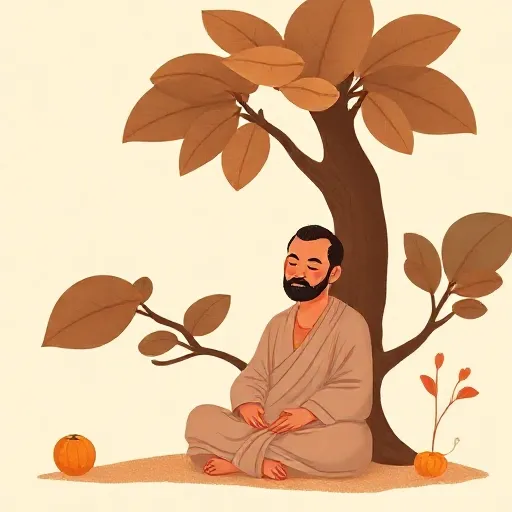
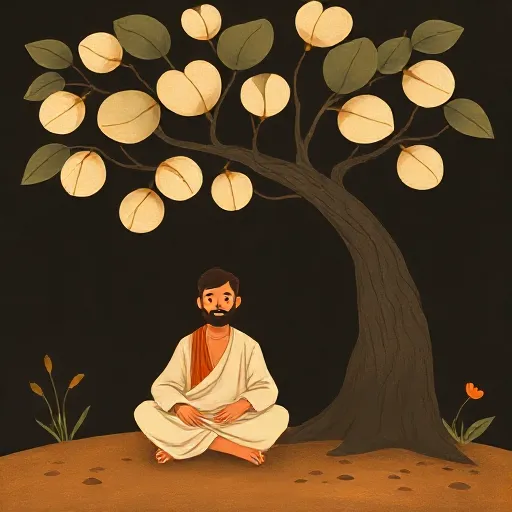
You Don't Have a Self: The Buddha's Radical Argument
Why do we feel like a permanent 'me' if there isn't one? The Buddha's surprising answer shows how this illusion creates suffering and shapes our lives.
-

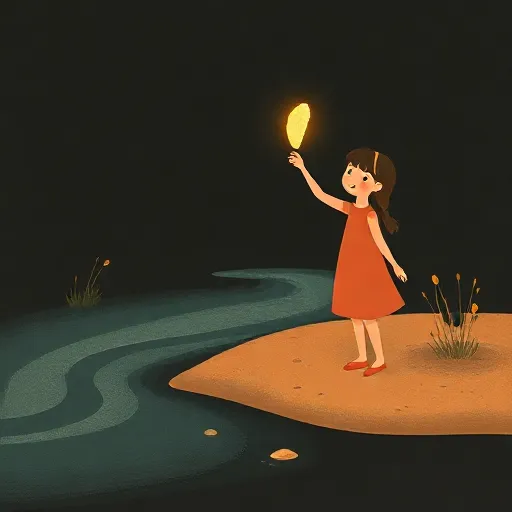
You’re Right Until Someone Proves You Wrong
Do we need proof to believe what we see? Kumārila Bhaṭṭa said no: trust your senses until someone proves otherwise. This flips the usual rule of arguing.