Why Would a Perfect God Let the Hurricane Hit My House?
The Oldest Question: If God Is Good, Why Does It Hurt?
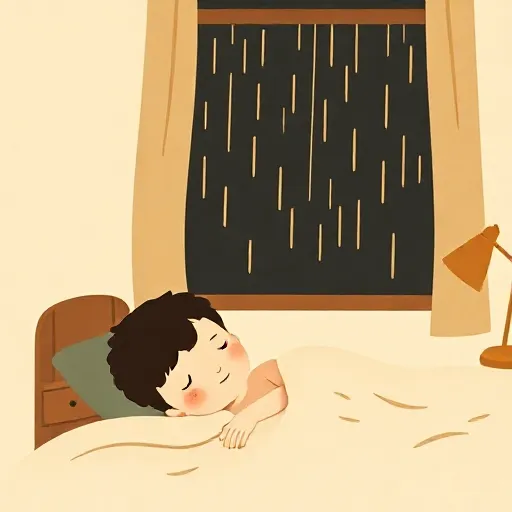
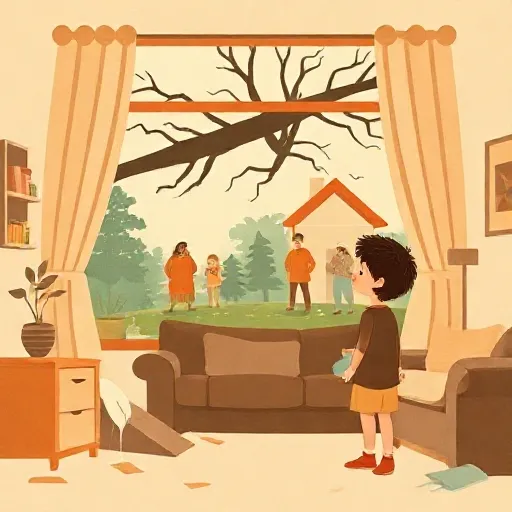
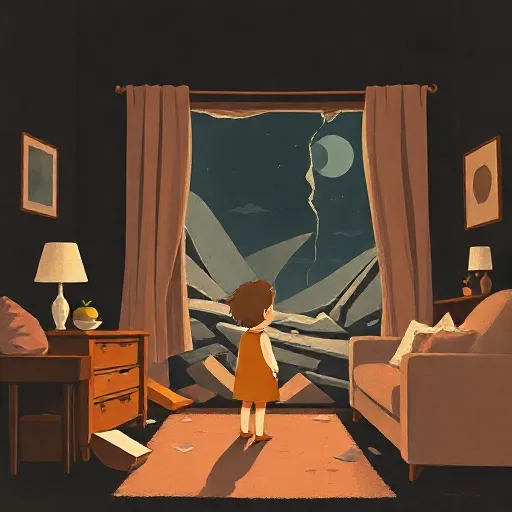
It’s 3 a.m., and you can’t sleep. Last week a tornado ripped through your town. Your house is fine, but your best friend’s home is gone. You keep thinking: if God is all-powerful and all-good, how could this happen? You’re not the first to ask. For centuries, philosophers and theologians have wrestled with what’s called the problem of evil: if a perfect God exists, why is the world so full of pain and cruelty?
A theodicy is an attempt to explain why a good God might have a justifying reason to allow suffering. The word comes from Greek words for “god” and “justice”—it’s literally a defense of God’s goodness. Theodicies are not meant to make you feel better; they’re meant to show that God’s perfection and the reality of evil might not be a contradiction. The most influential theodicies propose that suffering can lead to something so valuable that a loving God would permit it. But each one also has sharp problems. Let’s walk through the main ideas and see where the cracks are.
Can Suffering Bring Us Closer to Each Other?
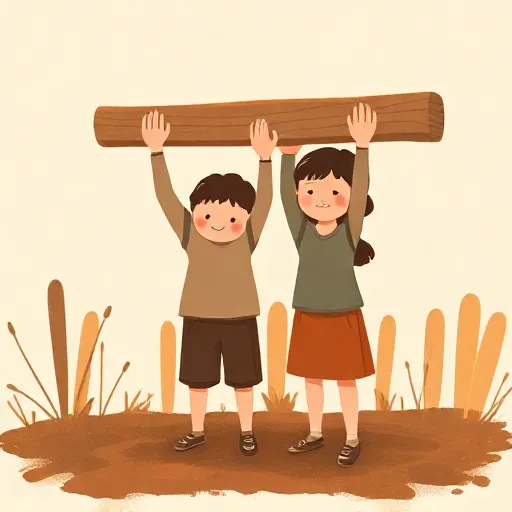
After a disaster, something surprising often happens. People who never talked start working together. They carry supplies, share food, and listen to each other’s stories. Philosopher Eleonore Stump (1951–) suggests that suffering can be redeemed through personal relationship. On this relationship-building theodicy, God allows pain because it creates chances for deep, empathetic bonds between human beings—and even between humans and animals. A shared hardship, like a medical diagnosis or a natural disaster, can forge connections that ordinary good times rarely produce. Collins (2013) goes further: some of these bonds might last forever, outweighing the evil that made them possible.
But there are problems. First, not everyone grows closer through suffering. Some people withdraw, become bitter, or are hurt by others. So the theodicy works better as an offer: suffering provides an opportunity for closeness, even if not everyone takes it. Second, suffering can’t do this work if the same good could have been achieved without it. If Sarah and José could have become just as close by sharing a love of music, then the severe nerve pain they both endure seems unnecessary. Third, this theodicy leaves out many who suffer: infants who die too young to form relationships, people with diseases that destroy their ability to connect, and countless non-human animals. Even Stump’s defenders admit it needs help from other theodicies to cover those cases.
Does Pain Make Us Better People?

Maybe the point of suffering isn’t about bonding with others, but about growing stronger inside. The early Christian thinker Irenaeus (c.130–c.202) planted the seed, and philosopher John Hick (1922–2012) developed it into the soul-making theodicy (also called character-building). Hick argued that God didn’t want us in a painless paradise; God wanted us to develop courage, patience, and compassion by facing real challenges. The world is a training ground for character, and without hardship we’d stay shallow and self-centered.
Many people do become more generous or empathetic after a difficult time. But here’s the objection: if God is all-powerful, couldn’t God have created us already good, loving, and mature from the start? Hick replied that virtues earned through struggle are more valuable than virtues simply given. Yet that raises a tense question—if God’s own virtues were never acquired through pain, does that make them less valuable? Also, while some grow, many are crushed. Hick answered that the world only offers opportunities for growth, and people can freely refuse them. But some suffering—like a toddler with a fatal illness or a victim of genocide—seems to offer no realistic chance for character development at all. Some defenders reply that even those victims provide others with chances to act virtuously, but many critics find that turns people into tools rather than ends, which clashes with the idea of a God who loves each person.
What If It’s All Because We’re Free?
A very different tack says: don’t blame God; blame us. The free will theodicy, defended by thinkers like Richard Swinburne (1934–) and Alvin Plantinga (1932–), claims that God gave human beings a great gift—the power to make real choices between good and evil. If God intervened every time someone was about to do harm, we wouldn’t be truly free. And a world with genuine freedom, even when it goes wrong, is said to be better than a world of puppets.
This theodicy faces its own set of puzzles. First, not all suffering comes from human choices—tornados, earthquakes, and childhood cancers aren’t anyone’s fault. So free will doesn’t explain natural evil. Second, even if someone freely chooses to hurt you, God could still quietly prevent the harm—say, by making the attacker faint at the last moment—without taking away their free choice. Why doesn’t God do that? Some say it’s to preserve stable laws of nature. Third, to make this theodicy work, the kind of free will must be what philosophers call libertarian free will: the idea that your choice is not determined by past events and laws. If God could set up a world where everyone freely (even in a softer, compatibilist sense) always chose good, then allowing evil isn’t necessary. So the free will theodicist must argue that libertarian free will exists and is so incredibly valuable that it’s worth all the atrocities it permits. Many philosophers—both religious and non-religious—find that claim hard to defend.
Does Heaven Erase the Pain?
Some theists reach for a bigger picture. What if our earthly suffering is just a blink compared to an eternal afterlife of bliss? On an afterlife theodicy, God allows finite pain now but compensates it with infinite joy later. The experience of heaven is so overwhelming that, from that perspective, earthly horrors will seem tiny or even forgotten.
This idea raises immediate concerns. Compensation is not justification. If a parent abuses a child and then buys them a toy, the gift doesn’t make the abuse okay. An eternity of happiness might be a wonderful gift, but it doesn’t explain why a perfect God didn’t create a world where the abuse never happens. Also, if two people end up in the same heaven but one suffered unspeakable abuse on earth while the other lived in comfort, why did God allow that difference? The afterlife theodicy says the pain will be swallowed up, but critics insist that pain was still real, and a good God would need a reason to permit it in the first place—not just a way to patch it over afterward.
Why How We Explain Suffering Matters

Some philosophers argue that the whole project of theodicy can be harmful. This view is called anti-theodicy. It doesn’t say theodicies are logically wrong; it says that offering them in the face of real suffering can add to the pain. Telling a grieving person that everything happens for a reason or that God is building their character can feel like blame disguised as comfort. Certain theodicies suggest the sufferer deserved it (punishment) or needs moral improvement (character-building)—messages that can wound deeply when someone is already down.
Anti-theodicists urge us to notice that when we rush to justify suffering, we risk turning victims into examples in an argument. A loving response might instead be to sit with someone in their pain without an answer. That doesn’t mean the philosophical questions are worthless. It means that how we hold our theories—and when we speak them—matters. The same twelve-year-old lying awake after the storm might need, more than a clever argument, to know they’re not alone. Philosophy can sharpen our thinking, but it shouldn’t blunt our kindness.
Think about it
- If you ran the universe, would you allow some suffering if it led to something truly valuable, like deeper friendships or stronger courage? Where would you draw the line between “worth it” and “too much”?
- Imagine two worlds: one where everyone is born perfectly kind and always happy, and another where people face real challenges and sometimes grow through them. Which world would you rather live in, and why?
- When a friend is hurting, do you think it’s ever helpful to suggest that their pain has a purpose? In what situations might that comfort them, and when might it make things worse?