Why Blaming Your Sibling Isn’t as Simple as It Feels
The Sting of a Finger Pointed at You
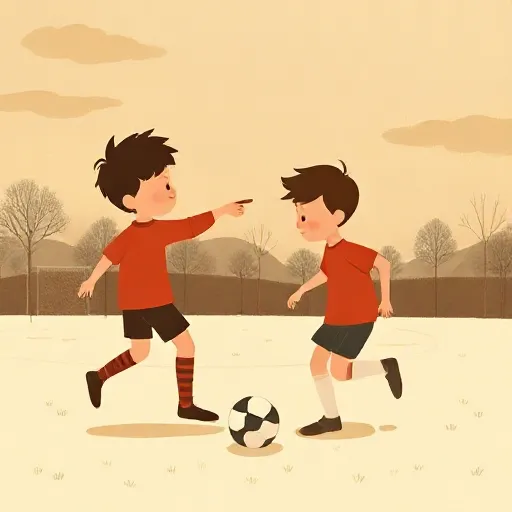
It’s the last minute of a neighborhood soccer game. Aliya sends a pass to Marco, but he trips and the other team scores. Aliya spins around and shouts, “That was your fault!” Marco feels her words like a dart. But what exactly is Aliya doing? She isn’t just describing what happened — even a weather report could say the wind caused a missed shot. Aliya is blaming Marco in an personal, moral way. She’s not saying his foot slipped; she’s saying he let the team down.
Philosophers have spent centuries trying to untangle that simple moment. What kind of thing is blame — a thought, a feeling, an action, or something else entirely? And who gets to do it? If Aliya has tripped over the ball in every other game, does she even have the right to point a finger? This entry walks you through the biggest ideas about blame, never assuming there’s one easy answer.
Blame as a Thought? The Mental Gradebook
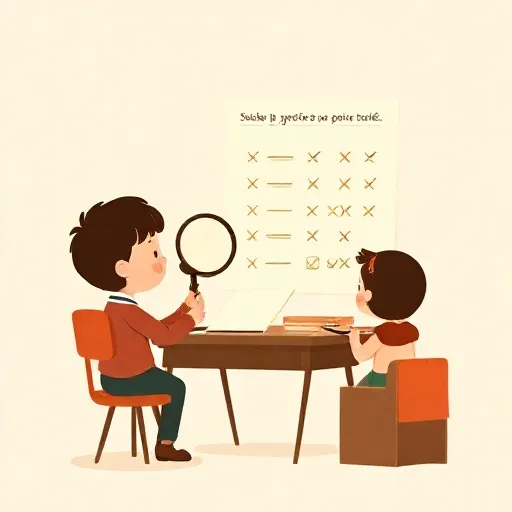
The simplest theory says blame lives entirely in your head. It’s a cognitive affair: you make a judgment about someone. In 1961, the Australian philosopher J.J.C. Smart (1920–2012) built a clever contrast. He noted that to dispraise someone is just to grade them — like picking the best apple at the market. You can write a letter saying a young philosopher is a poor writer, and you’ve dispraised them, but you haven’t blamed them. For Smart, blame adds something extra: the judgment that the person is responsible for the bad action or attitude. Blame is a negative grade that sticks to the agent, not just the deed.
The American philosopher Gary Watson (20th–21st century) took a similar path but gave it a twist. He said there’s an “aretaic” kind of blame — from the Greek word areté meaning excellence. When you blame someone in this way, you judge that they’ve fallen short of a standard and that the failure belongs to them — it reveals who they are, what they stand for. The emotionless coach who coolly states “Number 7 didn’t defend” is doing aretaic blame.
But is a cold judgment really blame? Imagine two criminals planning a heist. One of them makes a terrible mistake that could get them caught. The other thinks, “That was dangerously sloppy and it’s entirely your fault.” Yet instead of feeling anger, the second criminal might feel a dark admiration for the sheer nerve of the plan. If the same judgment can be paired with such opposite responses, then the judgment alone doesn’t seem to be blame. Many philosophers say you need something warmer than a mental report card.
Blame as a Feeling? The Fire Inside
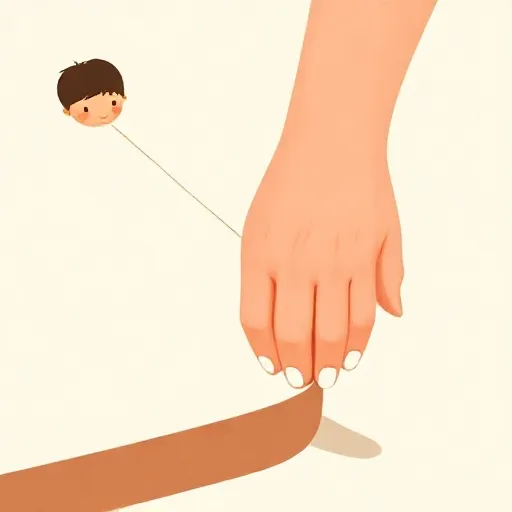
In 1962, the British philosopher P.F. Strawson (1919–2006) radically changed the conversation. He didn’t offer a tidy definition of blame, but he argued that treating someone as a morally responsible person isn’t about making a judgment — it’s about feeling certain reactive attitudes. These are emotions like resentment (when someone wrongs you), indignation (when someone wrongs another), and guilt (when you wrong someone). Strawson’s idea was simple: if you didn’t feel these things, you wouldn’t really be seeing others as full members of the moral community.
R. Jay Wallace (born 1957) turned this into a crisp emotional theory of blame. He said you hold someone responsible if you experience a Strawsonian reactive attitude toward their action, or judge that such an attitude would be appropriate. But to actually blame them, you have to be emotionally exercised — the hot feeling has to be present. For Wallace, the judgment alone is just a dry preview; the main event is the feeling.
Still, many find this picture too narrow. What about Nero burning Rome? Most people today feel no flash of anger toward a long-dead emperor, yet they still blame him. Emotional theorists reply that without the emotion you aren’t really blaming — you’re just judging him blameworthy. Others argue that you can be in an emotional state even if you don’t feel it bubbling up. But a bigger objection, from Pamela Hieronymi (born 20th century), is the force objection. She points out that the sting of blame feels weightier than a mere emotional disturbance. The real force, she says, comes from the thought buried inside the emotion — for example, the thought that the person showed you ill will. If the force lives in the thought, why do we need the emotion at all?
Blame as a Wish or a Broken Link
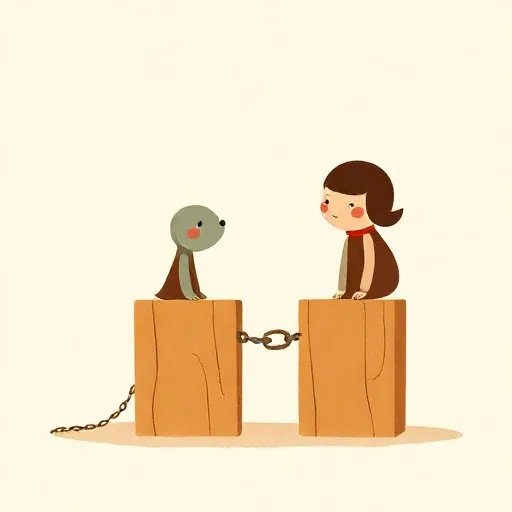
Dissatisfied with both pure thought and hot emotion, some philosophers turn to conation — the part of the mind that involves desires, wishes, and intentions. The American philosopher George Sher (born in the 20th century) proposed a tidy package: to blame someone is to hold a belief–desire pair. You believe they did something wrong, and you have a backwards-looking desire: a wish that they had not done it. But this isn’t any old wish. It must grow out of your general commitment to morality — you want them not to have used their power of choice to ignore a good reason. According to Sher, this belief–desire pair naturally explains why blamers often feel angry, seek apologies, or rebuke the wrongdoer.
The view has its troubles, though. Angela Smith (20th–21st century) asks us to imagine blaming a politician who led us into a disastrous war. We definitely wish they hadn’t done it. But is that wish part of the blame, or just something that comes along with it? And think of a mother whose son has committed a crime. She can have exactly the right belief and the same painful wish — yet still not blame her son in the way a victim’s family would. It looks like the belief–desire pair can be present without blame.
T.M. Scanlon (born 1940) shifted the picture again by bringing in relationships. For Scanlon, blame starts with judging that someone has acted in a way that impairs your relationship with them. But blame itself is what you do next: you adjust your attitudes and intentions toward that person because you take the impairment to give you reasons to change how you relate to them. If a friend mocks you in a cruel way, you might judge that the friendship is wounded — and then, in blaming them, you actually withdraw trust a little, rely on them less, cool your warmth.
Critics, including Wallace, say this “leaves the blame out of blame.” Scanlon’s picture captures the quiet aftermath, but it misses the sharp edge — the opprobrium, the bite. And what about blaming a stranger who steals your bike? You have no standing relationship to impair. Scanlon replies that all rational people share a “moral relationship,” but many find that too thin to support the heavy weight of genuine blame.
“Who Are You to Blame Me?” The Hidden Rules
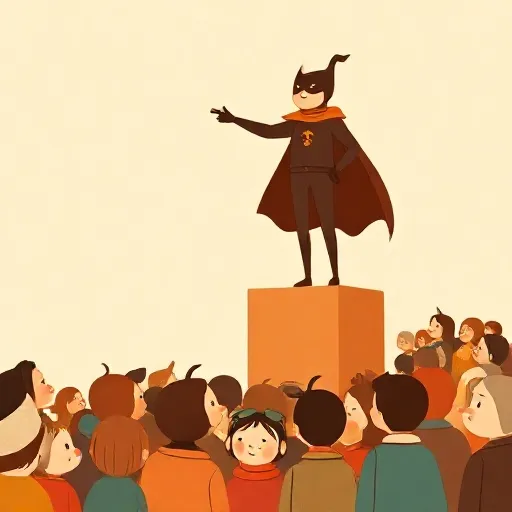
Even if we settle what blame is, we still face the other half of the puzzle: when is it appropriate? It’s not always enough that the person you’re blaming messed up. You could mess up the blaming itself. Philosophers break the rules into facts about the blamed person, the blaming interaction, and the blamer.
The most gripping blamer-rule involves standing. Imagine your older brother scolds you for leaving a wet towel on the floor. You know you shouldn’t have done it. But you also know he does it every day. You snap, “Who are you to blame me?” That retort isn’t a denial that the action was wrong. It’s a challenge to his standing to blame — his right to make the accusation in the first place.
Why does hypocrisy seem to steal that standing? Some think it’s because the hypocrite is being unfair: they treat their own interest in avoiding blame as more important than yours, which violates the equal standing of persons. Kyle Fritz and Daniel Miller (20th–21st century) argue that the hypocrite holds a “differential blaming disposition” — they’re much quicker to spot faults in you than in themselves — and this forfeits their right to blame you for that same kind of fault. Others claim the problem is deeper: by not being committed to the very moral standard they’re wielding, the hypocrite’s blame fails to carry the right kind of second-person demand. You can legitimately ignore it without even thinking about whether the complaint is true.
Complicity raises a similar puzzle. If someone ordered you to cheat on a test, they can’t later scold you for cheating. And meddlesome blame — sticking your nose into a family argument that has nothing to do with you — may also be out of order. Even peculiar facts about moral luck can unsettle blame. When you learn about a person’s tragic past, you might think, “There but for the grace of God go I.” That feeling doesn’t prove the person isn’t blameworthy, but it can make you wonder whether your own anger is more self-righteous than justified.
Why This Debate Lives in Your Phone and Your Classroom

Every time a screenshot of a thoughtless message goes viral, blame gets crowdsourced in seconds. But philosophy reminds us that piling on without thinking is dangerous. If blame requires a sincere judgment and a felt commitment to a moral standard, then the blamer who just wants to look good — or who has made the same mistake themselves — may be doing something hollow. Understanding the standing to blame isn’t just a puzzle for scholars; it’s a check on our own anger. Before calling someone out, we can ask: Am I actually trying to help, or am I just enjoying the high ground?
The theories also teach us to notice what’s going on inside our own heads the next time we feel the urge to point a finger. Are you merely grading, like Smart’s apple-picker? Are you feeling a Strawsonian flash of resentment? Or are you already quietly pulling back from a friendship, the way Scanlon describes? There’s no single right answer — and that’s the point. Blame is a many-sided tool, and knowing its edges makes us warier and fairer when we pick it up.
Think about it
- If a friend does something wrong and you feel no anger at all — maybe you’re just too tired — have you still blamed them? Why or why not?
- Can you think of a time someone called you out for something they themselves do? Did their blame carry any weight? Should it?
- Is it ever okay to blame a total stranger for something that doesn’t involve you at all? What would make it your business — or not?